
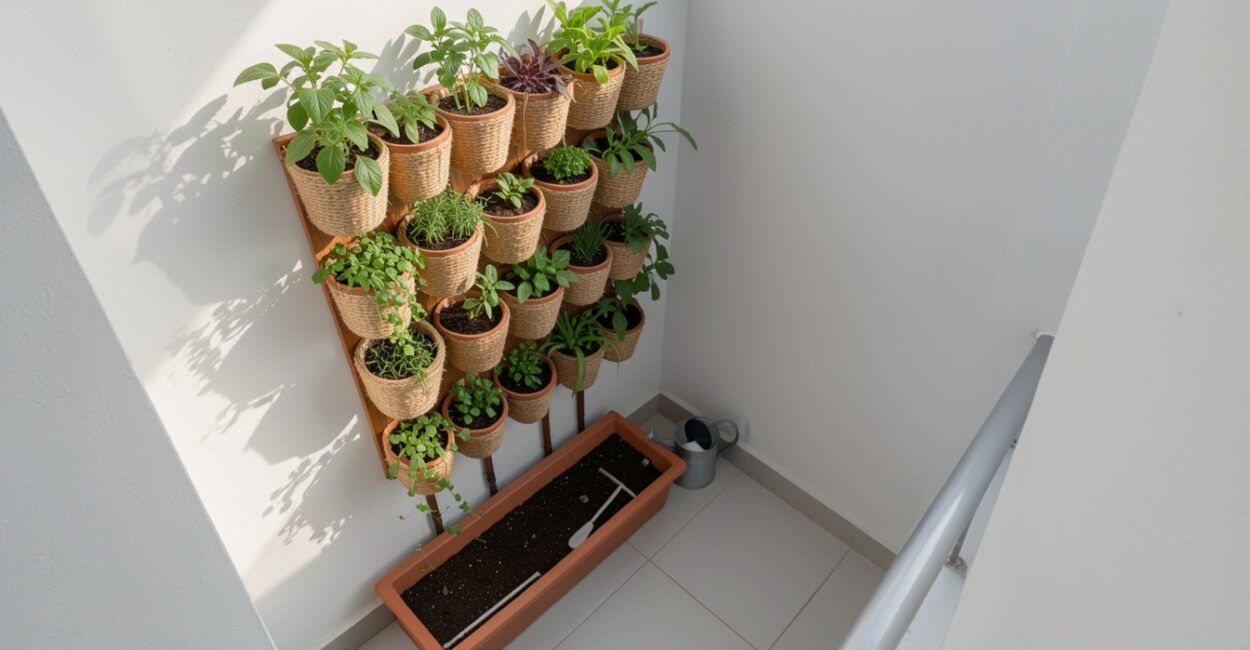
Vertical Garden: Build a Sustainable One in a Small Space
A sunny wall may seem like the perfect place to grow herbs—until waterlogged pots start dripping onto the floor or the structure gives way under their weight. A sustainable vertical garden depends on choices that work together: light, secure support, suitable containers, and a watering routine that fits your schedule. With a little planning, you can make the most of a small area without creating hazards or waste.

Start by assessing the space before buying or repurposing materials. The amount of sunlight, the wall’s strength, and where the water will drain determine what you can grow and how to set up the garden.
What Makes a Vertical Garden Sustainable
A sustainable vertical garden is a growing system that uses walls or supports to grow plants in containers or modules, with care given to the use of materials, water, and other inputs. Put simply, it’s a way to grow upward using durable solutions suited to the space, rather than just stacking pots. Sustainability comes down to practical choices: a reused container is a good option only if it contains no toxic residue and can withstand moisture; an irrigation system saves water only if it delivers the amount needed without runoff; and a wall covered with plants still needs enough light for them to grow.
A garden works best when its structure, lighting, and care routine are planned as one system.
Reuse has its limits, too. A cheap material that deteriorates quickly or needs frequent replacement may create more waste than a sturdy pot used for years.
How to Plan for Light, Space, and Structure
Before installing your garden, find out how many hours of direct sunlight the spot gets and make sure the wall or support can hold the weight of wet pots. These two checks determine which plants to choose and how to secure the setup.
Check the Light Before Choosing Plants
Observe the spot at different times of day for a few days. Direct sun, bright indirect light, and shade are different conditions; a wall that seems bright at noon may be shaded for most of the day. If the space gets several hours of direct sunlight, herbs such as rosemary and thyme may work, as long as the containers drain well. Lettuce and arugula are often better suited to bright indirect light. In deep shade, vegetable production is usually limited. Consider moving the setup or growing shade-tolerant ornamentals instead, without expecting an abundant harvest.
Consider the Weight and Mounting Method
Waterlogged potting mix weighs more than dry mix, and the total load increases with the pots, structure, and retained water. Floor-standing shelves distribute the weight more evenly, while wall-mounted panels concentrate the force at their attachment points. If the wall is made of an unknown material, shows signs of water damage, or will support heavy modules, consult a professional before drilling.
For example, someone chooses a balcony wall that gets plenty of ambient light but little direct sun and installs several pots on a panel. When the seedlings grow tall, with long stems and few leaves, they reduce the number of plants and move the support closer to the brightest area. This adjustment reduces competition for light without increasing water or fertilizer use.
How to Choose Safe and Durable Materials

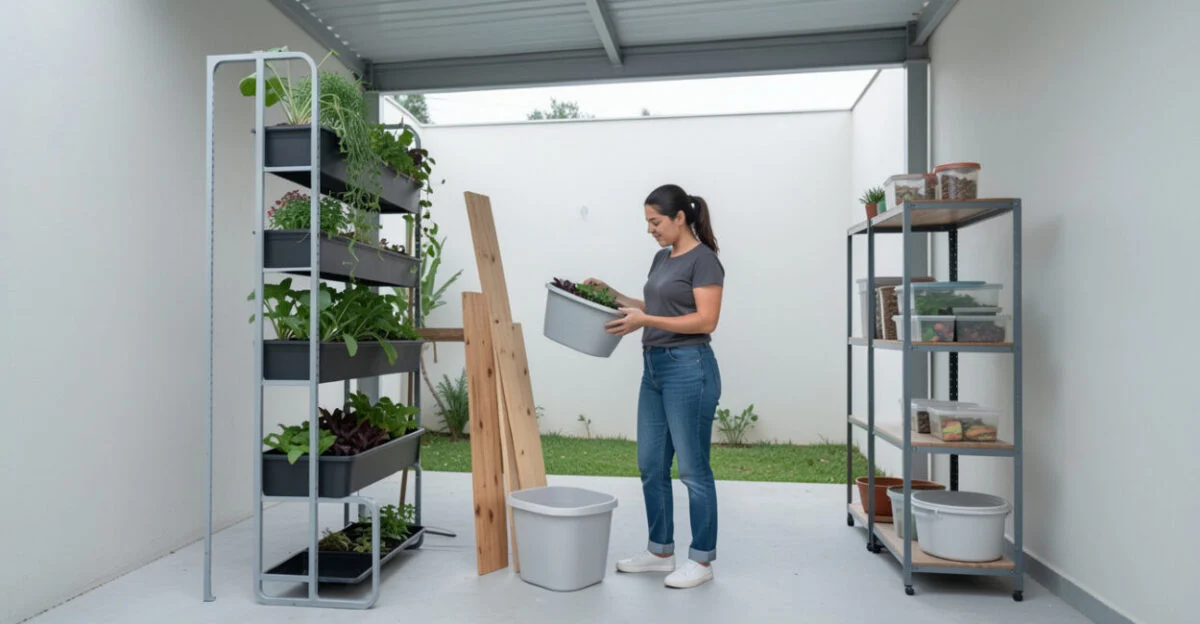
Materials for vertical gardens need to withstand moisture and must not release contaminants into the potting mix. Before reusing containers or structures, find out what they were used for: anything that held chemicals, paint, or fuel should not be used to grow food.
Material When it may work Main considerations Plastic pots made for growing plants When they have drainage holes and are designed for outdoor use or contact with potting mix Check for cracks and prolonged sun exposure Reclaimed wood When it is in good condition and has no unknown treatment Avoid pieces with peeling paint, chemical odors, or signs of contamination Reused bottles and containers When they held food products and can be cleaned Cover cut edges and add drainage holes Metal When it has a finish suitable for damp conditions Check for rust, heat from the sun, and water drainage
Pallets are not automatically safe for growing food: their origin may be unknown, and they may have residue or treatments not intended for contact with soil and water. If you can’t confirm where one came from, choose a structure designed for growing plants. Creative material reuse can inspire solutions, but it doesn’t replace this safety check.
Read also: Vertical Garden Supports: Compare 5 Options for Your Home
Embrapa, Brazil’s agricultural research agency, publishes technical resources on crop production and agricultural practices. When deciding whether to reuse containers, the origin and condition of each item remain crucial; general guidance can’t tell you the history of a specific object.
How to Arrange Pots, Potting Mix, and Drainage
Arrange pots with access, light, and drainage in mind: plants that need more sun should go in the brightest spots, and containers that need frequent watering should be easy to reach. Leave enough room to remove each pot without taking the whole setup apart.
Read also: Sustainable Construction: The Impact of ESG on the Real Estate Industry of the Future
Use containers with clear drainage holes and a lightweight potting mix made for growing plants that retains moisture without staying waterlogged. Heavy garden soil can compact in small pots, making it harder for air to reach the roots. A saucer under the pot can catch drips, but empty it so the roots don’t sit in water.
How to Avoid Waste When Watering
Water the potting mix, not the leaves, and adjust the frequency to the conditions and container size. To check whether watering is needed, touch the surface: if it’s still damp, wait; if it’s dry, water slowly until the root zone is moist, without letting water run down the wall. Drip irrigation can be useful when you have many pots, but you’ll need to watch for clogs and uneven flow. For a small setup, watering by hand and collecting runoff is usually simpler than installing a system you won’t monitor. This guide on how to prevent waterlogged roots can help you spot problems caused by overwatering.
What to Plant Based on Available Light
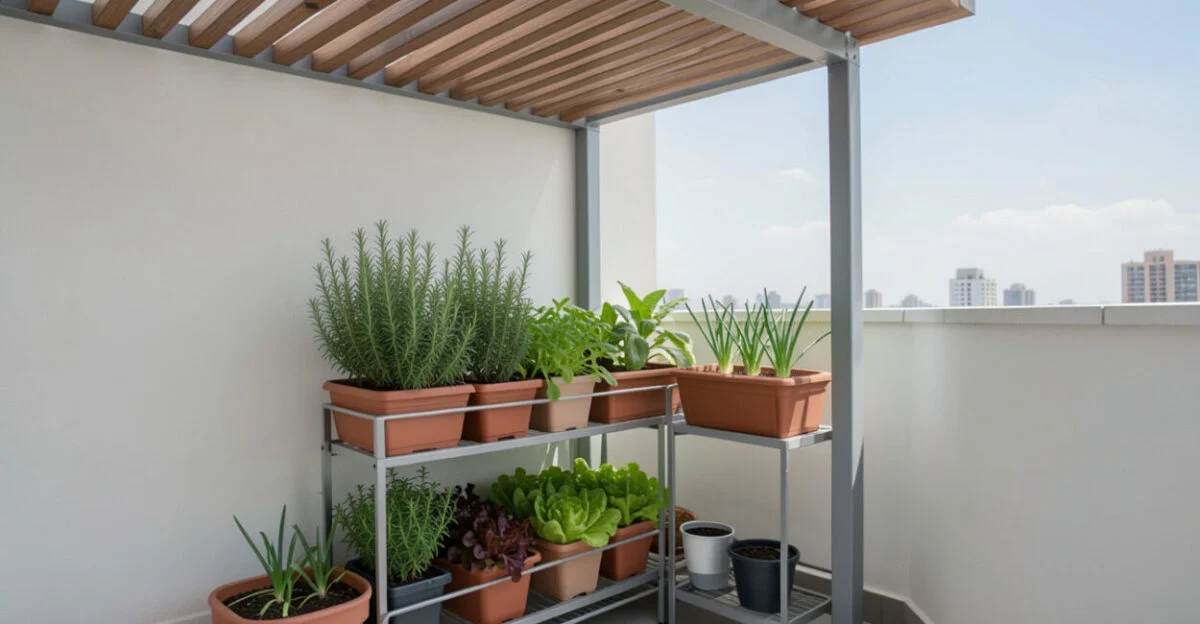
Choose compact plants suited to the actual light conditions, not the conditions they might get in an open garden bed. Culinary herbs, quick-growing leafy greens, and some small vegetables usually adapt better to vertical containers than plants that need deep roots or lots of room to spread.
- Several hours of direct sun: rosemary, thyme, and some varieties of basil, with watering adjusted for the heat.
- Bright indirect light or mild sun: lettuce, arugula, and green onions; watch for plants stretching toward the light.
- Low light: lower your harvest expectations and try a few seedlings; pale leaves and leggy growth suggest the spot may not get enough light.
Avoid combining plants with very different water needs in the same container. A plant that prefers drier potting mix may suffer beside one that needs frequent moisture. To compare compact options, see this list of plants suited to this type of garden.
Light guidelines are just that—not guarantees. Climate, window direction, outdoor obstructions, and the season all affect results. If your main goal is growing food and the space stays dark, a vertical setup won’t make up for the lack of light.
How to Keep Your Garden Productive with Less Waste
Check on your plants often, but don’t respond to every sign of trouble with fertilizer or pesticides. Yellow leaves can indicate overwatering, a lack of nutrients, too little light, or cramped roots. Checking the potting mix and the growing conditions can help you identify the cause. Remove dry leaves and harvest gradually to encourage some plants to keep producing. If you spot pests, start by identifying the insect and removing visible problem areas, such as heavily damaged leaves. Before using any product, check that it’s approved for the edible plant and follow the label directions; homemade remedies can also burn leaves or harm beneficial insects.
Healthy plant scraps can be composted for a home garden. A home compost bin needs proper management to prevent excess moisture and odors, and should not contain scraps contaminated with chemicals. The Brazilian Ministry of Agriculture and Livestock website is an official source for information about agricultural inputs; always check the specific product label before applying anything.
Common Mistakes and Adjustments for a Garden That Grows
A commonly overlooked mistake is installing all the pots at once without testing the light, drainage, or mounting. For example, water running from the upper containers can soak the lower ones and stain the wall. A drip tray or repositioned pots can solve the problem without increasing how often you water.
Start with a few containers and watch how the plants respond for a few weeks. Long stems and widely spaced leaves often point to a lack of light; foul-smelling potting mix or darkened roots suggest poor drainage; and wilted leaves when the soil is damp call for investigation before you water again.
If the wall has water damage, loose plaster, or cracks, hold off on installing anything until you’ve found the cause. And if the support will be heavy or attached to an unknown structural surface, having a professional assess it is safer than testing it with full pots.
Before buying anything, choose a small area, check the light, and figure out where the water will drain. Set up a single module, plant species suited to the spot, and expand only after confirming that the support is secure and the watering routine fits your day-to-day life.
Keep reading this series
Frequently Asked Questions
Can I Install a Garden on a Rental Balcony?
Yes, as long as the setup doesn’t require drilling prohibited by your lease and doesn’t put anyone below at risk. Floor-standing shelves or freestanding supports may be alternatives. Protect the floor and make sure water doesn’t run onto a neighbor’s balcony.
Do I Need to Put Landscape Fabric Inside the Pots?
Not always. The most important things are clear drainage holes and suitable potting mix. Landscape fabric can help keep particles in, but it must not block drainage.
What’s the Best Time to Water?
Water when the potting mix needs it, preferably during cooler parts of the day to reduce evaporation. The condition of the soil matters more than sticking to a set schedule, since heat, wind, and pot size all affect how quickly it dries out.
Can I Use Regular Yard Soil?
In small pots, heavy clay or compacted soil can make it harder for water to drain and air to reach the roots. A potting mix formulated for container gardening is usually a better choice.
How Can I Tell if the Structure Is Overloaded?
Look for signs such as sagging shelves, loose screws, cracks near the mounting points, or a bent support. Remove the pots and stop using the structure until the problem is fixed. Don’t try to compensate by adding more screws without assessing the wall and structure.
Do I Need to Replace the Potting Mix Every Time I Replant?
Not necessarily. If it’s loose, shows no signs of disease, and drains well, you can reuse it after removing old roots and adding suitable compost. Compacted or contaminated potting mix, or mix with a history of pest problems, needs to be replaced or treated as appropriate.
Artigos Relacionados
 Small Vertical Garden, Made Easy: A Step-by-Step Guide That Works
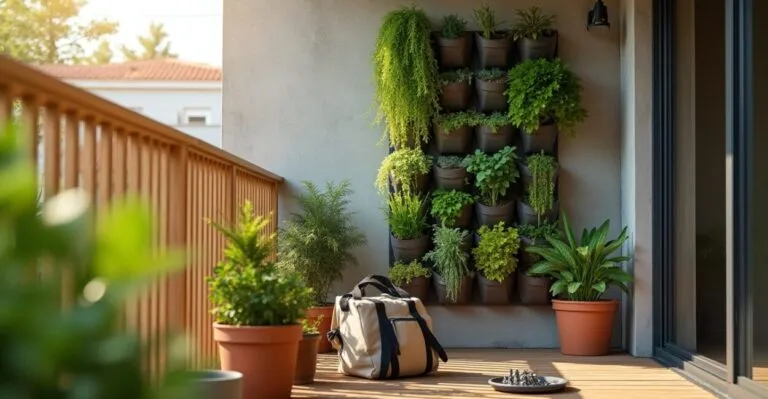 Build a Vertical Garden Today: A 20-Minute Beginner’s Guide
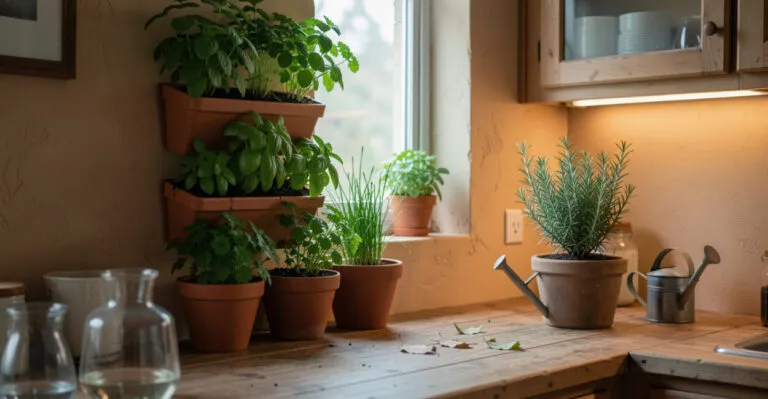 Wall-Mounted Herbs: Which Grow Well in Small Spaces?
 Sustainable School Gardens: Engaging Students with Nature
 Sustainable Packaging for Small Businesses: Is It Worth It?
 Sustainable School Garden: How to Start One From Scratch
