
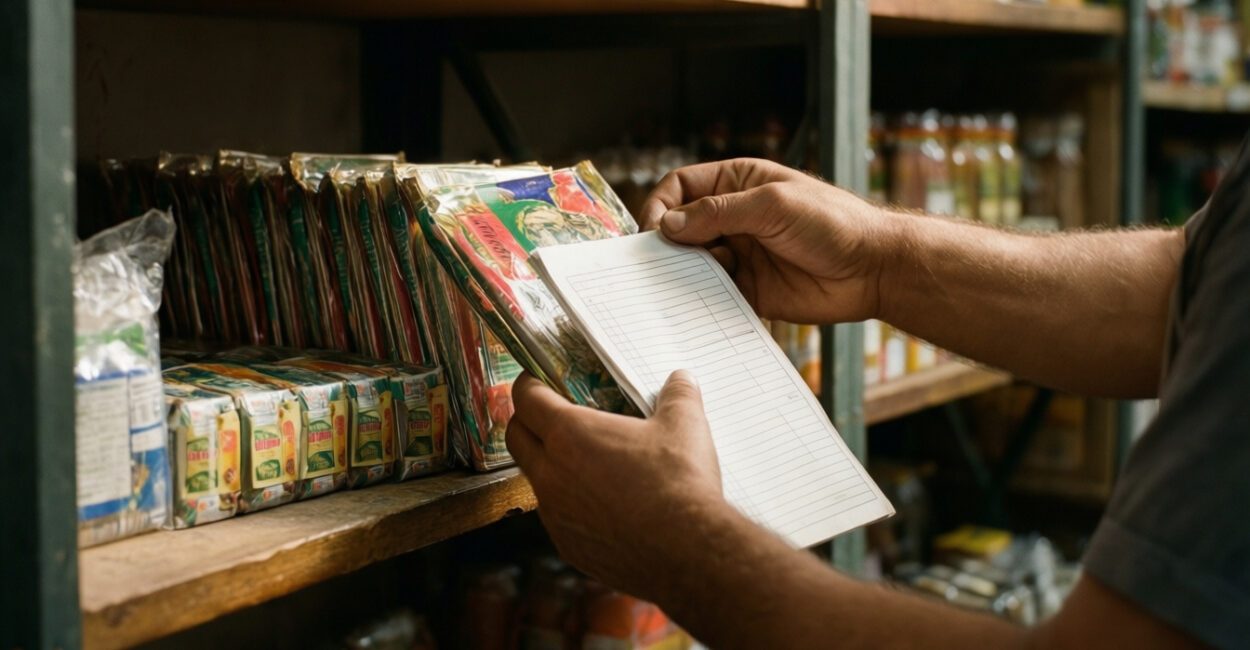
A box of expired products, a redone order, or a few minutes spent looking for a tool may seem like isolated incidents. Over time, these losses put pressure on cash flow and make it harder to serve customers well. Business waste reduction starts with identifying what keeps happening, measuring its impact, and testing changes without putting quality, safety, or deadlines at risk.
For small businesses, a simple assessment is often more useful than buying software before understanding the problem. With consistent records, a business can decide whether to revisit purchasing, inventory, workflow, or training.

Key takeaways
- Record incidents, frequency, and impact before choosing a corrective action.
- Prioritize losses that are frequent, measurable, and low-risk to address.
- Lower inventory can free up resources, but it can also cause stockouts and emergency purchases.
- Compare metrics before and after a change to see whether it helped without creating another problem.
How to start reducing business waste without disrupting operations
To reduce waste, monitor one area or process, define a recurring loss, record the baseline, and test a reversible fix. Compare the results with the previous period and check quality, safety, deadlines, and customer service.
This cycle helps you address problems carefully without cutting resources you need or changing the entire operation all at once.
Where losses occur
Business waste is the use of more resources than necessary to deliver a product or service of appropriate quality to a customer. Put simply, it is material, time, energy, or labor capacity that a business pays for but that does not translate into perceived value. Losses can come from discarded materials, expired or idle products, purchases that do not match demand, rework, waiting, unnecessary travel, and duplicated tasks. The impact of each type varies: a store may struggle with expired goods or stockouts; a service provider may deal with poorly organized appointments and repeated tasks.
Brazil’s Ministry of Development, Industry, Trade and Services addresses topics related to the circular economy, which can help businesses think about how resources are used throughout the production cycle. For a small business, the first step is still to observe its own workflow: where resources come from, how they are used, and where they stop creating value.

How to identify and classify business losses
Choose a clearly defined process and track it for a period that fits your business routine. Record each incident, the amount involved, how often it happens, its likely cause, and its impact: cost, delay, complaint, product shortage, or space used.
Categories help organize your assessment, but they are not a checklist of problems every business must have. A service business may have few inventory losses, while a small manufacturer may deal with excess raw materials, equipment wait times, or unnecessary travel.
Questions to uncover bottlenecks
- At what stage does work stop or pile up?
- Which tasks need to be redone, and why?
- What expires, sits unused, or is left over?
- Which tasks are repeated because of missing information or poor integration?
- Where do customers or employees wait for a decision, materials, or service?
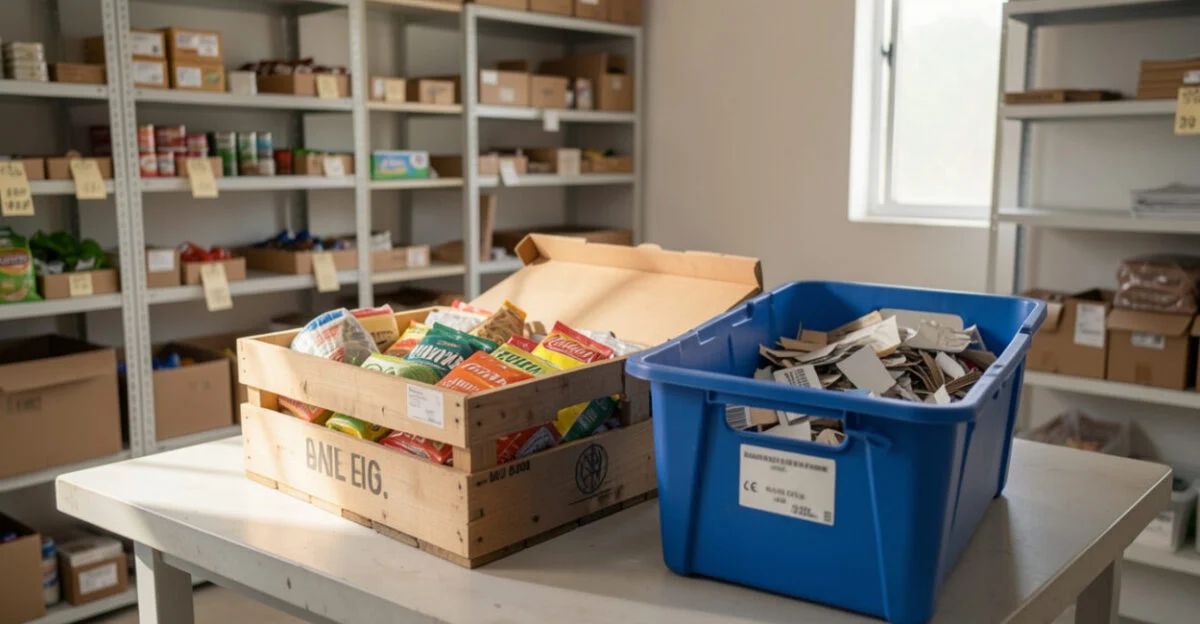
Recurring disposal is a symptom, not an explanation. The cause may lie in demand forecasting, storage, purchasing specifications, or execution. Before holding anyone responsible, review the process, instructions, available resources, and working conditions.
How to prioritize losses by impact and risk

Compare each problem based on its observed impact, frequency, risk to operations, and how easy it is to test a fix. Start with a recurring loss that you can measure and address with low risk; save costly changes or those that are hard to reverse until you have investigated the cause more thoroughly.
Type of loss Observable signs Cause to investigate Impact or risk First test Discarded materials Leftovers or repeated disposal Forecasting, storage, or specifications Replacement costs and space used Record the reason and sort by type Idle or expired inventory Items that do not sell or are past their expiration date Overbuying, inventory rotation, or forecasting Tied-up capital and product loss Review rotation and compare purchases with sales Stockout Product unavailable or service delayed because a resource is missing Late replenishment, variable demand, or supplier issues Lost sale, delay, or emergency purchase Record shortages and replenishment lead times Rework Order, service, or step repeated Instructions, checks, training, or tools Hours spent and delivery delays Identify the step where the error occurs Waiting or duplicated tasks Queue, stalled approval, or repeated data entry Workflow, division of responsibilities, or information Capacity used without moving work forward Map the sequence and remove one unnecessary handoff
Potential savings are a hypothesis; proven savings require comparison. Record the baseline and track what changes, including side effects: placing fewer orders may increase shipping costs, a smaller purchase may cause a stockout, and an extra check may take more time than it saves.
How to tell whether the problem is purchasing, the process, or the team
First, check whether the quantity and specifications purchased match actual use. Then review the workflow and instructions: a confusing step can lead to errors even when the team is prepared. Finally, check training, tools, and working conditions before concluding that the issue is individual.

Inventory, FIFO, and replenishment without stockouts
FIFO, short for “first in, first out,” means using the oldest received item first. This approach is useful when rotating inventory helps prevent products from expiring or aging, but how you apply it depends on the item and the rules of your industry. Clear labels and designated storage locations make it less likely that employees will always grab whatever is closest at hand.
Read also: Solar Energy for Small Businesses: When It Pays Off
Reorder points should account for usage during lead time, changes in demand, and supplier reliability. There is no one-size-fits-all number: seasonality, expiration dates, available space, and the consequences of a stockout all affect the decision.
Decision Potential benefit Risk to monitor What to check Reduce order quantities Free up space and cash Product shortages or emergency purchases Demand fluctuations and replenishment lead time Apply FIFO Improve rotation for suitable items Labeling errors or inappropriate use Expiration dates, product characteristics, and applicable rules Review the reorder point Balance availability and inventory Late replenishment during demand spikes Usage, lead time, and supplier reliability Consolidate purchases Reduce the number of separate orders and deliveries Overstock, expiration, or increased storage needs Discounts, minimum order quantities, space, and total cost
When seemingly cheap inventory becomes expensive
A low unit price can hide storage costs, tied-up capital, obsolescence, and disposal. Buying in larger quantities may still be the right decision if demand is stable, the item retains its value, and the savings outweigh the additional costs. Compare total cost and account for the impact of a potential stockout.
Depending on the business, it may be worth testing the process with a limited group of items before changing all inventory levels. Record leftovers, shortages, and emergency purchases to see whether the adjustment improves the balance or simply shifts the problem elsewhere.

Processes and purchasing to cut hidden costs
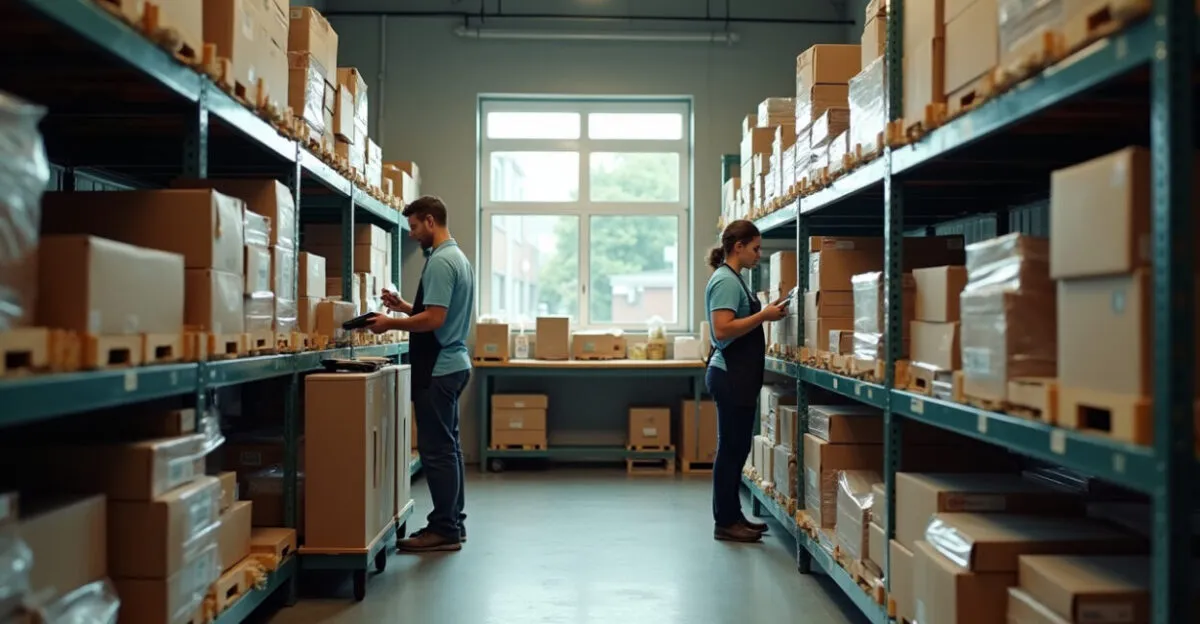
Queues, unnecessary travel, repeated approvals, and rework use up capacity even when they do not show up as wasted materials. In a service business, an incomplete form can lead to another customer contact and delay service. In a small production operation, looking for tools or waiting for approval can interrupt the workflow.
Map the steps in a recurring process and mark where there is waiting, backtracking, or information transfer. A small change, such as clarifying who checks an order before it is sent or placing materials near the point of use, can be tested without overhauling the entire business.
Standardize without being rigid
A standard procedure documents how a task is expected to be done and which requirements must be met. For purchasing, this includes material specifications, quantity, required quality, delivery time, and criteria for accepting substitutions. Comparing only the lowest price can lead to defects, delays, or the need to buy again.
Standardizing does not mean ignoring differences between customers or situations. Define essential requirements and allow justified exceptions, recording why an alternative was chosen. This makes decisions easier to understand without preventing necessary adjustments.
To organize the workplace and use resources more effectively, start with observable conditions: where materials are located, how people move through the space, and how items are discarded and stored.
5S, visual management, and metrics to sustain improvements
5S is a set of workplace organization and discipline practices. A small business can adapt it to its space by removing what is unnecessary, assigning places for items, and setting a routine for keeping the area in order. This helps make problems easier to spot, but it will not fix poor forecasting, unsuitable specifications, or a confusing process on its own.
Use visual cues the team can maintain: location labels, reorder-level markers, assigned responsibilities, and inspection points. A board full of outdated data is not useful; every record should support a decision.
Choose metrics tied to the loss you are investigating. If the problem is disposal, track the quantity or value discarded; for rework, track the number of incidents or hours spent redoing work; for stockouts, record shortages and how long they last. Decide who updates the data, how often, and what to do when it falls outside the expected range.
A spreadsheet may be enough to get started, as long as it has clear fields and someone responsible for filling it out. Financial tracking helps connect observed losses to expenses and purchases; operational metrics, in turn, show where to investigate the cause.
Compare equivalent periods and note any changes that could affect the results, such as a promotion, a supplier change, or a seasonal period. Without this context, an apparent improvement may have another explanation.
Action plan, example, and whether to automate
Imagine a store that notices frequent purchases made “just in case.” The team compares incoming inventory with sales and records leftovers, expired goods, and shortages. Based on these records, it revises the reorder criteria for a few products and tracks the results before expanding the change.
This example does not predict a result or promise specific savings. It shows how to set up a test: make a limited change, record the baseline, and choose metrics that reveal both excess inventory and stockouts.
- Is the problem clearly defined?
- Has the baseline been recorded?
- Has the cause been investigated?
- Can the test be reversed?
- Is someone responsible?
- Have you chosen a metric and review frequency?
- Will you check for unwanted effects?
Automation can make a stable, well-understood workflow easier to manage—for example, by recording inventory receipts or flagging when a set level needs review. If the source information is wrong or the steps are unclear, a system may simply speed up the error. Choosing a system should come after the assessment and reflect the process’s actual needs.
To move forward, choose one loss, record the baseline, investigate the cause, test a reversible fix, and review the metrics. If the change preserves quality and addresses the problem without creating new losses, document it as a standard procedure. Resources from Sebrae, Brazil’s small business support agency, on cost and inventory management, and references from the Lean Enterprise Institute on lean processes can complement this work; organizational methods should be adapted to the business’s context.
Frequently asked questions
What is the first type of waste a small business should address?
Start with a loss that happens often, can be measured, and is low-risk to address. The most visible loss is not always the most expensive: compare its impact with rework, waiting, or product shortages.
Does reducing inventory always help a business?
No. Lower inventory can free up space and cash, but it can also increase stockouts, delays, and emergency purchases. The right decision depends on demand fluctuations, replenishment lead time, and the cost of running out.
Does 5S work for small businesses?
Yes. It can help organize workspaces and make unusual conditions easier to spot. Results depend on maintaining agreed practices and addressing the causes you find; labels and tidiness alone will not fix purchasing or process problems.
How can I tell whether the problem is purchasing, the process, or the team?
Check the specifications and quantity purchased, observe how work flows, and review instructions, training, and tools. Blaming one person before making these checks may leave the underlying cause—and the recurring problem—untouched.
Is it worth automating before getting organized?
In general, it is better to understand and stabilize the workflow first. Automating a poorly defined process can reproduce errors faster; start with simple records and consider technology once you know which task needs support.
How can I safely compare the results of a test?
Use the same metric before and after, and compare periods that make sense for your operations. Record factors that could skew the results and also track effects such as complaints, delays, rework, or product shortages.
Artigos Relacionados
 Small Business Sustainability: A Practical Guide
 Sustainability for Small Businesses
 Sustainability Tips for Apartments: A Practical Guide
 Launch a Social Media Management Agency in Brazil: A Low-Cost Guide for Young Entrepreneurs
 Small Vertical Garden, Made Easy: A Step-by-Step Guide That Works
 A Practical Guide to School Sustainability Projects
