
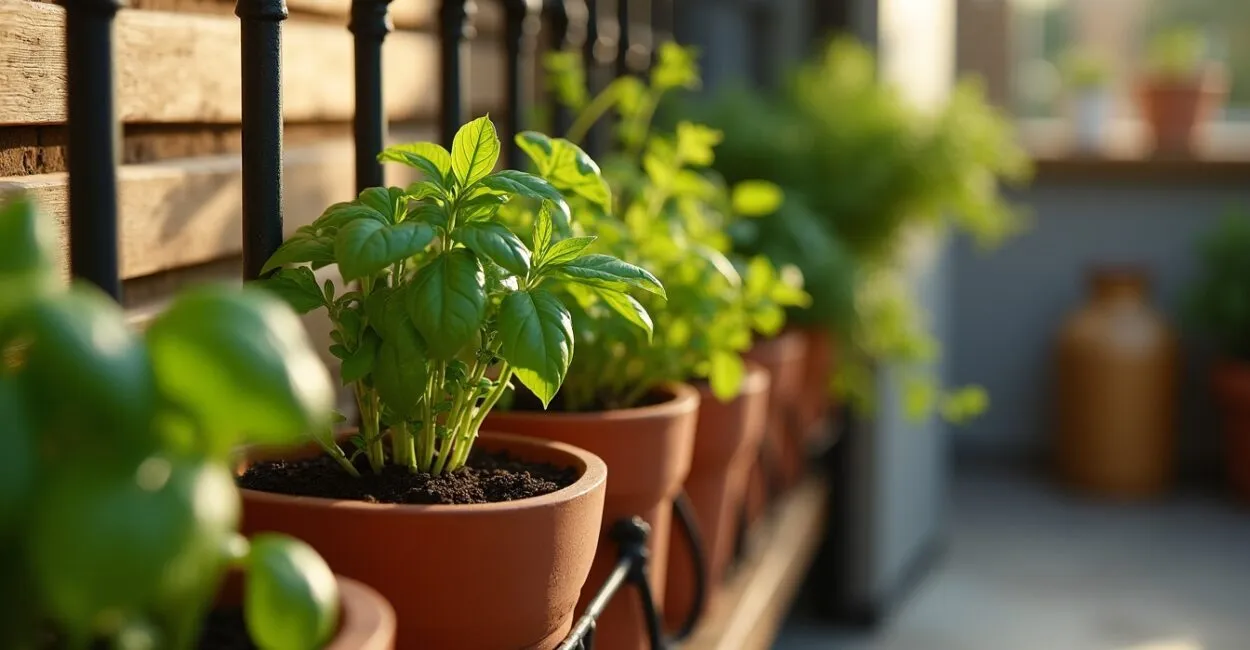
That empty spot on your balcony wall you always overlook could spark a small revolution: fresh greens, basil, and scallions growing right there, no yard required. A small vertical garden isn’t just attractive—it’s smart and practical: it takes up little space, reduces watering, and keeps fresh herbs within arm’s reach of your kitchen. In just three paragraphs, you’ll have your first practical solution; then we’ll cover the rest to turn good intentions into fresh herbs you can actually harvest.
Why a Wall Can Grow More Than a Large Pot
Wall = more production per square foot. While a pot on the ground competes for light and space, a vertical structure takes advantage of different microclimates along the wall—higher levels get more sun, while lower ones retain moisture. Think of it this way: you’re turning 0.5 square meters of floor space into 3 square meters of growing area. For anyone short on space, that’s an impressive trade-off. The practical benefit is clear: more plants with less soil and less water waste.

Affordable Supports That Really Work
You don’t need expensive treated lumber or fancy metal shelves. Here are three affordable, durable options:
- Cut-up plastic bottles hung with wire—lightweight and perfect for herbs.
- Repurposed pallets secured to the wall with anchors; line them with geotextile fabric to hold the potting mix in place.
- Modular plastic organizers (like kitchen organizers)—easy to move and clean.
Choose based on how much weight your wall can support and how exposed the setup will be to wind. I prefer pallets when I want to group lots of seedlings; for a small balcony, plastic bottles win on cost and portability.
Read also: Watering a Vertical Garden: How to Keep Roots from Getting Waterlogged
Lightweight Potting Mix: Less Weight, More Productivity

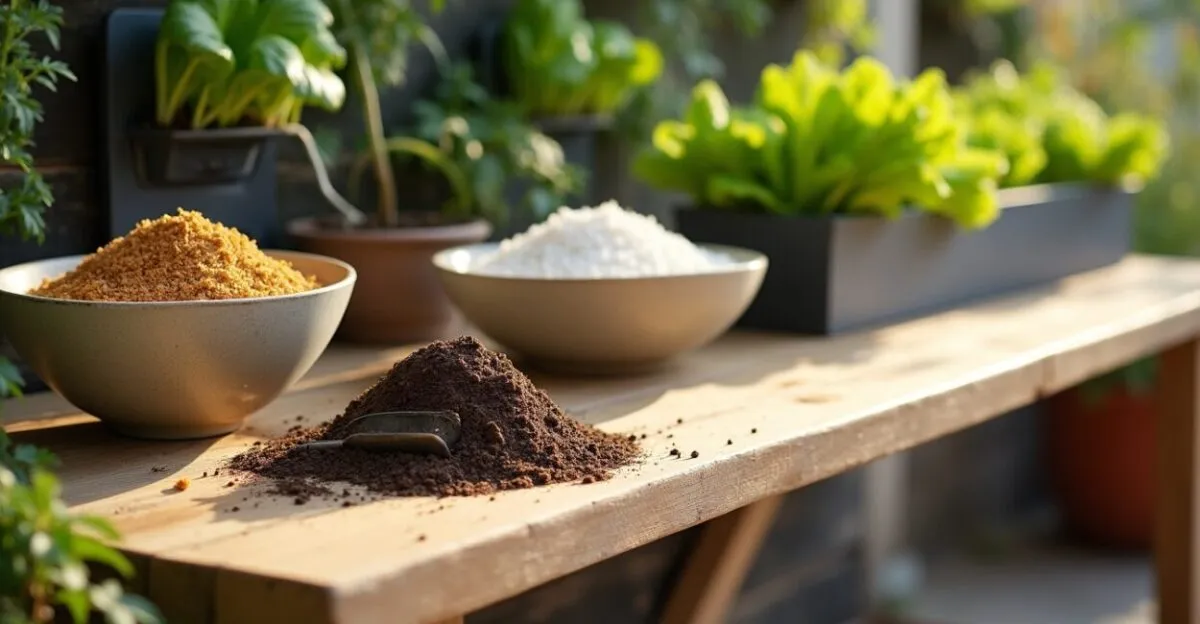
The right potting mix prevents wilted plants and wet walls. Here’s the recipe I use: 50% coconut coir, 30% well-aged compost, and 20% perlite or vermiculite. This keeps the mix airy, retains enough moisture, and reduces weight—essential for vertical supports. Avoid using garden soil on its own; it’s compact and heavy. Herbs and lettuce do best in mixes with a slightly acidic to neutral pH. A practical rule of thumb: if the mix doesn’t spring back when squeezed, add perlite.
A Care Schedule That Fits Your Routine
A simple routine delivers consistent results. Here’s a quick weekly plan: water twice a week (adjust for hot weather), harvest leaves two to three times a week, and check for pests once a week. Once a month, apply diluted organic foliar fertilizer and inspect the supports. Practical tip: use a watering can with a narrow spout to water specific spots and a spray bottle to mist leaves on dry mornings. This schedule gives you fresh greens without turning your life into a farm.
Read also: Learn to Build a Quick Garden in 45 Minutes—A Tested Method
Plants That Work—and Ones to Avoid
Choose compact, fast-growing plants. Good options to start with include leaf lettuce, arugula, scallions, parsley, basil, mint (kept in check), spinach, and some microgreens. Avoid plants with deep roots or heavy growth, such as indeterminate tomatoes or potatoes. If you want fruit, choose cherry tomatoes in individual pots with stakes. The goal is to match root size and growth habits to your vertical support.
Common Mistakes That Can Ruin a Vertical Garden (and How to Avoid Them)
The five mistakes I see most often:
- Heavy potting mix—prevent this by using coconut coir and perlite.
- Poor drainage—always add drainage holes and use fabric lining.
- Overfertilizing—less is more in small setups.
- Poor plant placement—mix heights and light requirements.
- Weak mounting—check anchors and screws regularly.
I once saw an entire balcony lose several plants when the mounting system came loose in the wind. That taught me not to cut corners here. Small structural failures can cost you weeks of growing time.
A Reality Check That Can Change Your Decisions
Expectation: setting up a vertical garden is as simple as hanging pots. Reality: taking the time to set it up properly can save you weeks of trouble, and spending more on potting mix and mounting pays off quickly with successful harvests. In practical terms, skimp on the mix and you’ll spend more time replanting; invest in sturdy mounting and you’ll spend less time on maintenance. The difference between “decorative” and “productive” comes down to a few simple technical choices.
For technical guidance, consult urban agriculture resources from organizations such as Brazil’s Ministry of Agriculture and university studies on composting and potting mixes, such as those from Embrapa, Brazil’s agricultural research corporation. These resources can help you adapt your practices to your local climate and soil.
Now it’s your turn: choose a spot, pick a support, and plant your first batch. In just a few weeks, harvesting something you grew yourself can feel more addictive than you’d expect—and take less work than you might think.
Where’s the Best Place in Your Home for a Small Vertical Garden?
The ideal location offers both light and protection: a balcony that gets morning sun, a partly shaded wall, or a spot near a large window can all work well. Avoid walls that get intense sun all day with no shade—some herbs can scorch. Think about watering convenience, too: a spot near a faucet or with easy access makes life easier. If it’s windy, add a windbreak or position the support to limit exposure.
How Often Should I Replant or Replace the Potting Mix?
For small vertical gardens, a practical guideline is to refresh some of the potting mix every 6 to 12 months: add compost and perlite, and replace the top layer if it has become compacted. Fast-growing crops like lettuce and arugula can be replanted every 4–8 weeks, depending on harvests. Perennials like herbs need replanting less often but benefit from added nutrients every three months. Watch for signs of trouble: slow drainage or a bad smell means it’s time to replace the mix right away.
Can I Use Only Plastic Bottles for a Productive Garden?
Yes. Plastic bottles work for herbs and microgreens if you set them up properly: add drainage, use a lightweight potting mix, and keep them out of intense direct sun so the roots don’t overheat. Bottles are cheap and portable, but their limited volume can make it hard for larger roots to grow. To maximize productivity, combine them with larger containers on pallets or shelves. Remember to clean and replace the bottles each season to prevent plastic breakdown from affecting the potting mix.
How Do I Deal with Pests in Such a Small Space?
Pests can spread quickly in vertical gardens, so early action is essential: inspect leaves weekly, remove affected parts, and try physical methods (such as washing the leaves) before using chemicals. Homemade insecticidal soap or neem oil can help minimize damage without harming pollinators. Rotating plant varieties can also help prevent species-specific pests, while good airflow helps prevent fungal disease. Crop rotation and cleanliness can save most of your harvest.
How Much Does It Cost to Build a Small Vertical Garden from Scratch?
Costs vary depending on materials and scale: a budget setup using plastic bottles and homemade potting mix may cost less than R$100; a pallet support with lightweight mix and sturdy wall anchors usually runs between R$150 and R$400. Ongoing expenses include potting mix and organic fertilizers, about R$20–R$50 per month, depending on how much you use. Spending a little more on mounting and potting mix usually cuts down on rework and helps ensure steady harvests, making it worth the upfront cost.
Artigos Relacionados
 Build a Vertical Garden Today: A 20-Minute Beginner’s Guide
 Small Garden: A Quick, Easy Way to Get Started
 Start an Apartment Garden From Scratch: A 1-Hour Method That Works
 Delicious Fruit Salad: A Complete, Easy-to-Follow Guide
 Neutral Color Palette: Combinations That Make Small Rooms Feel Larger
 5 Sustainable Practices That Transform Small Farms
