
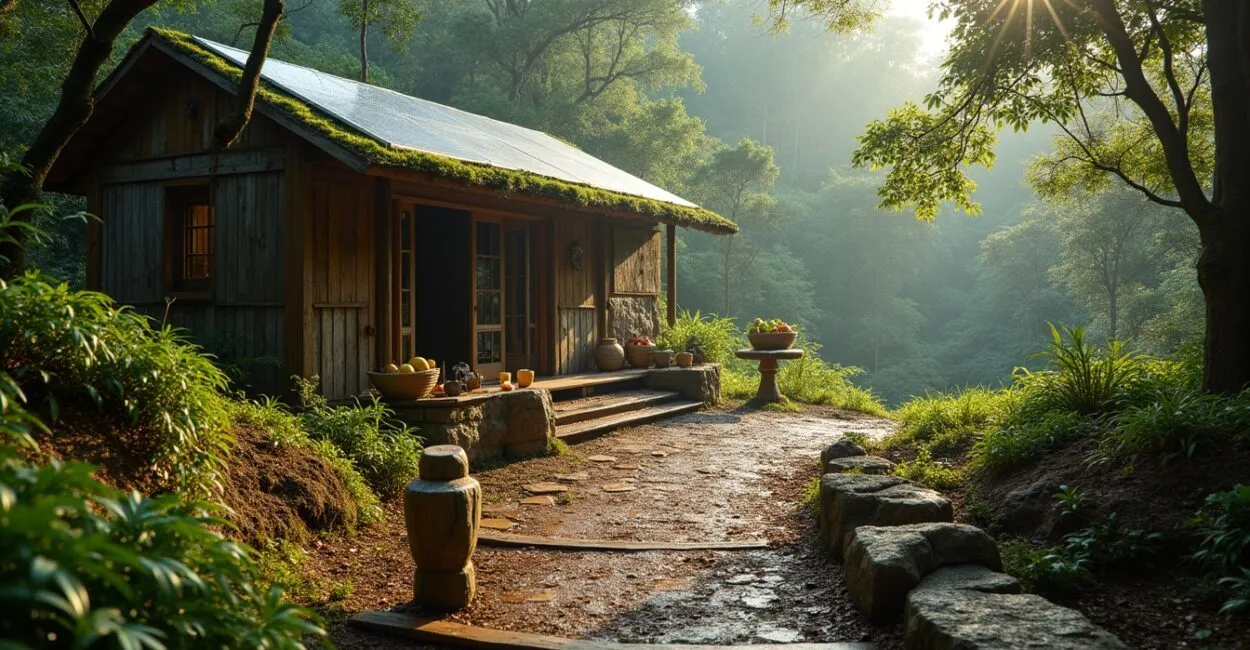
It’s more than just another Instagram #trend: Brazilian ecotourism is a hot topic because people are looking for meaningful trips—and local communities are starting to lead projects that turn visitors into partners. In just a few experiences, you can trade the standard itinerary for trails that fund conservation, guesthouses that distribute income locally, and guides who know every inch of the area.
1. What Made Brazilian Ecotourism Take Off
The turning point was practical: community projects began showing real impact—and that attracted funding, media attention, and travelers. While eco-tourism was once a niche, NGOs, city governments, and local entrepreneurs now point to measurable results: restored trails, monitored species, and local economies that depend on visitors. According to official data, public and private initiatives have expanded protected areas and supported community-based tourism across several regions.

2. Authentic Experiences You Won’t Find in a Package Tour
Authenticity isn’t a label; it’s part of everyday life. At many Brazilian ecotourism destinations, you can join volunteer tree-planting days, learn sustainable fishing techniques from traditional coastal communities, and stay in family homes that have been turned into small, handmade guesthouses. That turns tourists into active participants—and the experience becomes a memory, not a checklist.
Leia também: A Practical Guide to School Sustainability Projects
- Visits to mangrove restoration projects;
- Guided hikes led by local conservation stewards;
- Cooking classes featuring native ingredients.
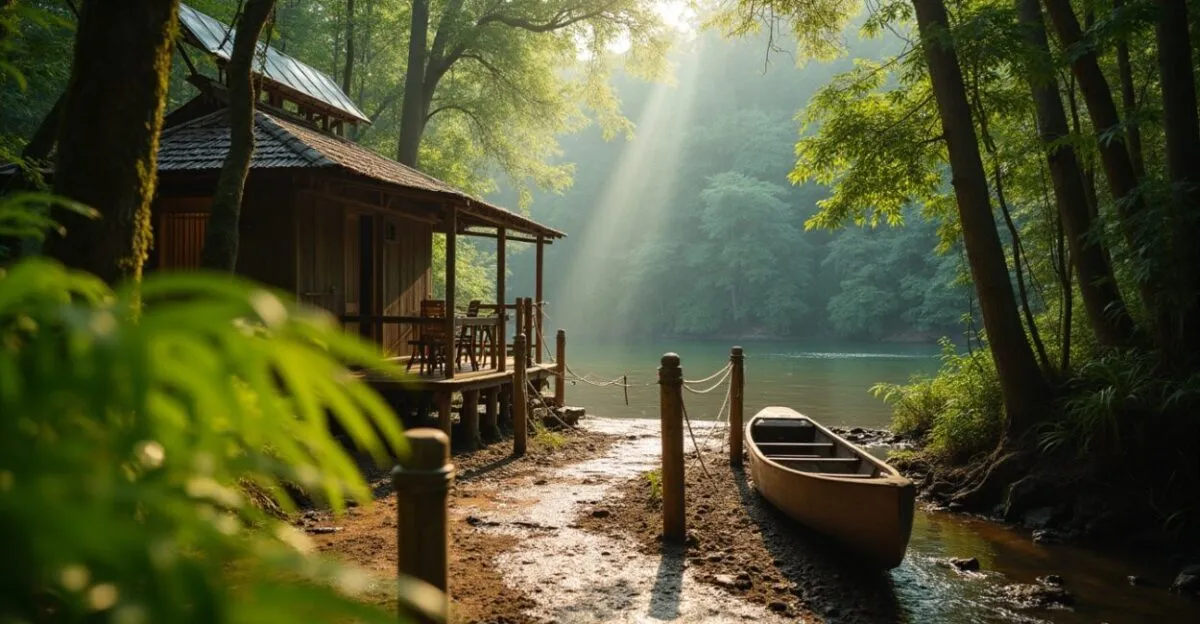
3. The Mechanism No One Explains Clearly: When a Community Turns Conservation into a Business

The secret is simple—and uncomfortable: give communities control. When residents manage trails, guide services, and guesthouses, the profits stay local—and the pressure to hunt, clear forests, and encroach on protected land decreases. It’s a “conservation that pays” model, aligning economic interests with preservation. This shift in ownership builds local accountability and encourages closer monitoring of protected areas.
4. Expectations vs. Reality: A Comparison That Can Save Your Trip
Expectation: a luxury lodge in the wilderness with world-class service. Reality: simple accommodations, hot water at set times, and home-cooked food that may not look Instagram-ready—but offers a genuine connection. If you expect luxury, you’ll be disappointed; if you expect an experience, you’ll be surprised.
- Expectation: certified guides at all times. Reality: many are self-taught and have deep local knowledge;
- Expectation: organized transportation. Reality: flexible logistics that are sometimes improvised.
5. Common Mistakes: What to Avoid to Protect the Area
Mistakes are easy to make; fixing them can be costly for the community. Here are some of the most common missteps and how to avoid them:
- Showing up without checking visitor rules—confirm limits and hours;
- Buying souvenirs without checking where they come from—choose certified local crafts;
- Ignoring waste disposal—pack out everything you bring in;
- Sharing the exact location of sensitive trails—this can increase the risk of trespassing.
6. Practical Tips to Spend Less and Give More
You don’t need a lot of money to make a difference. Take public transportation to your base town, book directly with local families, and join paid volunteer experiences. This cuts costs, eliminates middlemen, and ensures more money goes to the people protecting the area. Also look for local sustainable tourism certifications and check with official agencies before you travel. Reliable sources for rules and protected areas include Brazil’s Ministry of Tourism and ICMBio, the federal agency that manages protected areas and conservation initiatives, with up-to-date information on protected areas and supported projects.
7. A Short Story That Shows the Impact in 3 Steps
In a coastal village, a group of fishers created a birdwatching tour. Visitors paid a local guide, and the money funded trail signs and a training program for young people. Two years later, tourist numbers were up 40%, and the community had funded a mangrove protection project. A simple local investment with real results: conservation that pays for itself.
If you’re planning a trip, choose to be a participant—not a spectator. Brazilian ecotourism calls for respect, curiosity, and a willingness to contribute. Pack light, bring a desire to learn, and always check local rules.
Frequently Asked Questions
What Is Brazilian Ecotourism, and How Is It Different from Ecotourism in General?
Brazilian ecotourism is the country’s version of nature-based tourism, with an emphasis on community projects and hands-on conservation. Unlike ecotourism in general, it often focuses on combining local income with environmental protection. This means many attractions are managed by communities, with direct benefits for residents and protected areas. When you travel, you support local economies, take part in educational activities, and often find experiences that are less standardized than those offered internationally.
How Can I Find Legitimate Community Projects to Visit?
Look for official partnerships with government agencies or established NGOs, and for local sustainability certifications. Check for references on government websites or conservation portals, and read recent traveler reviews. You can also contact city governments and community associations directly to confirm the itinerary and its impact. Be wary of unusually cheap offers—they may not direct money back to the community. Transparency about how funds are used is a good sign of legitimacy.
What Are the Common Rules for Visiting Protected Areas in Brazil?
Rules vary by conservation area, but they often require advance authorization, limit the number of visitors, set specific visiting hours, and prohibit collecting plants or wildlife. Some trails require a local guide and a visitor fee that helps fund maintenance. Check the website of the agency managing the area, confirm what equipment you’ll need, and follow low-impact guidelines—such as packing out your trash and keeping your distance from wildlife. Violations can result in fines and harm the area.
How Can I Spend Less Without Reducing the Benefits to the Community?
Save money by taking public transportation to your base town, booking directly with local families (without intermediaries), and eating at local restaurants. Choose community activities with a fair fee instead of all-inclusive tour packages. Plan ahead to find better prices during the off-season, and arrange experiences directly with local guides. That way, you spend less while ensuring most of the money goes to the people who care for the destination.
How Can I Help If I Can’t Travel?
You can support conservation without traveling: donate to trustworthy local projects, join crowdfunding campaigns, and share initiatives that demonstrate their impact. You can also support cooperatives by buying their crafts directly or back environmental education projects through NGOs. Even volunteering to map trails or translate outreach materials can make a difference. Remote support strengthens the foundation that sustains Brazilian ecotourism.
Artigos Relacionados
 Straw Insulation Is Trending: Why Everyone Wants to Know
 Green Roofs Are Trending: Why Everyone’s Talking
 Thermal Paint Is Trending: Why Everyone Is Trying It
 Reflective Roof Insulation Is Trending: Why Everyone’s Talking About It
 Sustainable Insulation Is Trending: Why Is Everyone Talking About It?
 Reverse Logistics Is Booming: Why Everyone’s Talking About It
