
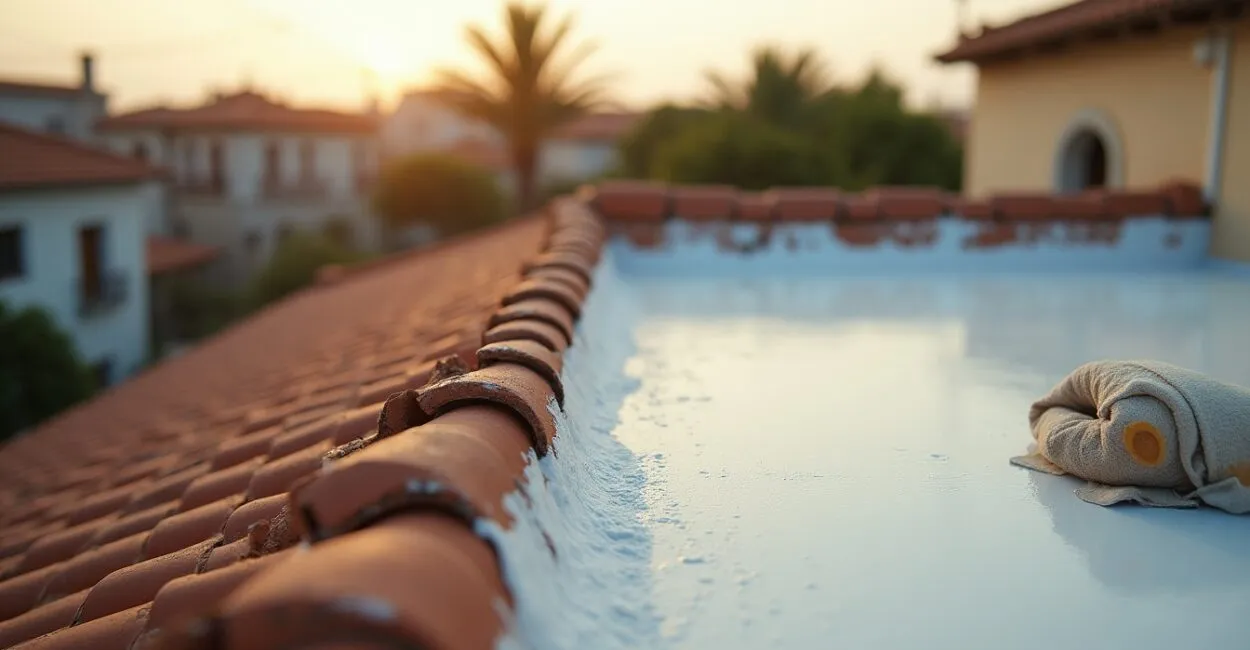
Is your home unbearably hot, but replacing the roof seems expensive and time-consuming? Thermal paint promises to reduce heat without removing a single roof tile. In the next few minutes, you’ll learn what it really does for modest homes—which benefits are real, what it typically costs, and when it’s just marketing hype.
What Happens on the First Day After Applying Thermal Paint
You may notice a difference quickly—but it’s not magic. On the hottest days, the most noticeable effect is a lower perceived temperature near the ceiling and, as a result, a little less heat radiating into the room. In homes with basic ceilings or dark roof tiles, residents report a 2–4°C drop in perceived temperature during the first few weeks.

This happens because the paint reflects solar radiation and creates a thermal barrier on the surface.
How It Works—and What Often Gets Left Out
Thermal paint isn’t an insulator like foam—it works by reflecting and emitting heat differently. Its formulas contain ceramic microspheres or special pigments that reflect infrared radiation. The result: roof tiles absorb less solar energy. But keep in mind: if indoor heat comes from appliances, people, or poor ventilation, the paint won’t do much.
How Much Does It Really Lower the Temperature? Expectations vs. Reality

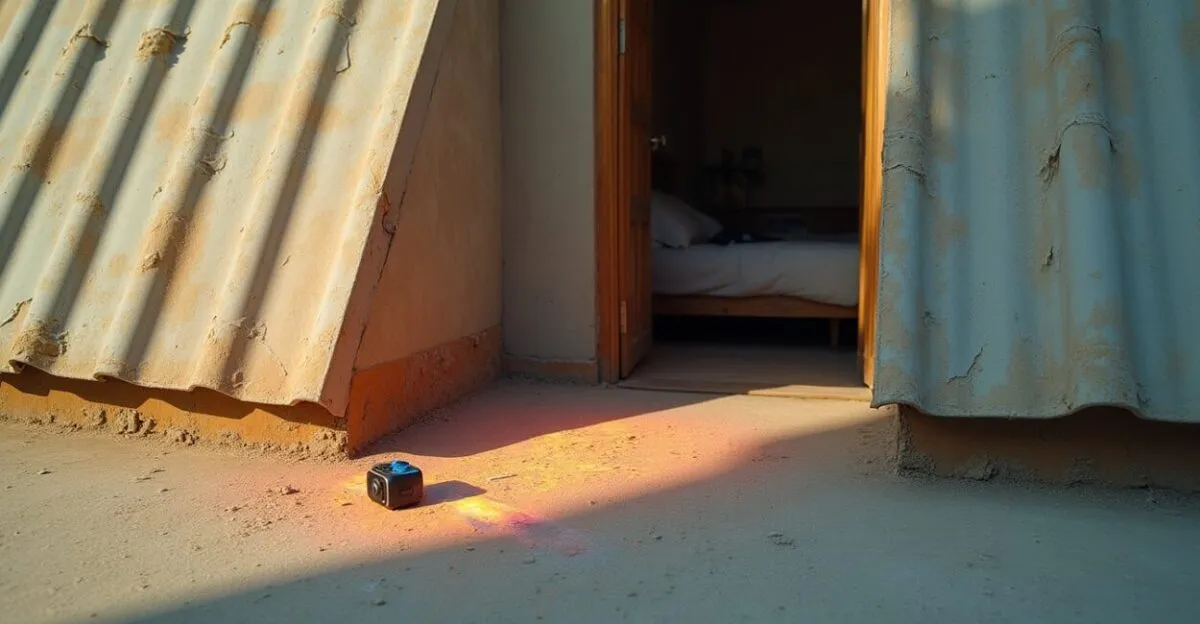
Here’s the comparison: the expectation—“Look, the attic is an icebox!”; the reality—a moderate reduction that depends on the circumstances. On uninsulated fiber-cement roofs, field tests show surface temperature drops of 8–12°C, but the temperature inside the room typically falls by 1–5°C. In other words, it can reduce heat spikes and make a room more comfortable, but it doesn’t replace proper thermal insulation.
Average Cost and Value for Modest Homes
The average market cost for a full application ranges from R$ 30 to R$ 120 per m², depending on the brand, number of coats, and whether primer is needed. For a modest home with a 60 m² roof, the investment typically ranges from R$ 1,800 to R$ 7,200. When it’s worth it: roofs without ceilings, homeowners who can’t replace their roof right now, or anyone looking to quickly reduce air-conditioning costs. When it’s not worth it: homes that are already well ventilated or properly insulated.
Common Mistakes: How to Avoid Wasting Money
Poor application is the main reason people complain. Common mistakes include:
Read also: Straw Insulation Is Trending: Why Everyone Wants to Know About It
- Applying it to dirty or moldy roof tiles, which reduces adhesion;
- Skipping primer when recommended, which shortens the paint’s lifespan;
- Applying just one coat to surfaces that need more, which reduces effectiveness;
- Expecting it to fix ventilation problems—it won’t.
Avoiding these mistakes doubles your chances of seeing real results.
A Short Story: The House That Stopped Ruining Their Sleep
On the outskirts of a small town, a couple applied thermal paint because their son woke up sweaty every night. Within two weeks, they noticed that his bedroom felt less stuffy in the late evening; the fan ran at a lower speed, and their energy bill dropped slightly. They didn’t replace the roof or install air conditioning; they got enough relief to sleep comfortably. That’s the scale of the improvement: practical, immediate, and affordable—not revolutionary, but worthwhile.
Read also: Green Roofs Are Trending: Why Everyone Is Talking About Them
When to Choose Thermal Paint: A Decisive Checklist
Use thermal paint if:
- Your roof is dark and has no ceiling beneath it;
- Replacing the roof isn’t financially feasible right now;
- You want to reduce heat spikes and air-conditioning use;
- You can prepare the surface properly and follow the manufacturer’s instructions.
If you’re planning a larger project, such as adding insulation or installing a new roof, consider combining solutions: thermal paint can complement them, but it isn’t a substitute.
For decisions based on technical information, consult studies from the construction industry and material standards. According to data from Fundação Getulio Vargas (a Brazilian research institution) and technical analyses, surface treatments like paint work best when combined with ventilation and insulation solutions. You can also check technical resources from Brazil’s Ministry of Science, Technology, and Innovation and academic publications on thermal conductivity in SciELO.
Choose based on what matters most: comfortable nights, short-term savings, or a long-term structural investment. Thermal paint is a practical, quick solution when used in the right situation. If you need immediate relief without construction work, it’s worth considering—but keep your expectations realistic.
Frequently Asked Questions
Does Thermal Paint Solve Heat Problems in Every Home?
No. Thermal paint reduces the amount of heat roof tiles absorb, so it works best on sun-exposed roofs with little ventilation and no ceiling beneath them. It’s less effective in homes where indoor heat mainly comes from people, appliances, or poor airflow. It can complement insulation or ventilation improvements, but it can’t replace them. Before applying it, identify the main source of the heat to determine whether the paint will make a real difference.
How Long Does Thermal Paint Last?
Its lifespan varies depending on the brand, sun exposure, and surface preparation; it typically lasts between 3 and 7 years. Improper application, skipping primer, and roof tiles in poor condition can shorten its life. Regular maintenance and repainting help preserve its performance. Check the manufacturer’s technical data sheet and look for companies or contractors that offer a warranty. Comparing the cost per year can help you weigh it against other options, such as insulation or replacing the roof tiles.
Can I Apply Thermal Paint Myself, or Should I Hire a Professional?
It depends on your skill level and the condition of the roof. You can apply it yourself to clean, undamaged surfaces by following the manufacturer’s instructions. But for large areas, uneven surfaces, or jobs that require primer and sealing, hiring a professional can deliver better results and a warranty. Professionals can help you avoid common mistakes, such as applying paint over dirt or skipping coats. Compare quotes and weigh the cost of labor against the risk of reduced performance.
What’s the Difference Between Thermal Paint and Traditional Insulation?
Thermal paint reflects solar radiation at the surface; traditional insulation materials, such as fiberglass, EPS, or polyurethane, reduce heat transfer between spaces. Insulation tends to provide more consistent results indoors, especially during prolonged hot weather. Paint is a quicker, less expensive surface treatment. In many cases, combining both offers the best results: the paint reduces incoming heat, while the insulation limits how much reaches the interior.
Are There Certifications or Tests I Should Look for Before Buying?
Yes. Look for technical data sheets that list solar reflectance and thermal emittance, as well as certifications showing compliance with national technical standards or recognized laboratory tests. Brands that publish temperature-reduction data from independent tests or real-world trials offer greater confidence. If possible, ask for references from previous installations and check performance reviews for homes similar to yours. This helps reduce the risk of falling for exaggerated marketing claims.
Artigos Relacionados
 Reflective Roof Insulation Is Trending: Why Everyone’s Talking About It
 Sustainable Insulation Is Trending: Why Is Everyone Talking About It?
 Protective Puts Are Trending: Why Everyone’s Talking About Them
 Tesouro Selic Is Trending: Why Everyone’s Talking
 Reverse Logistics Is Booming: Why Everyone’s Talking About It
 Why Short-Term Treasury Bonds Are Trending on Social Media—and Do They Work?
