
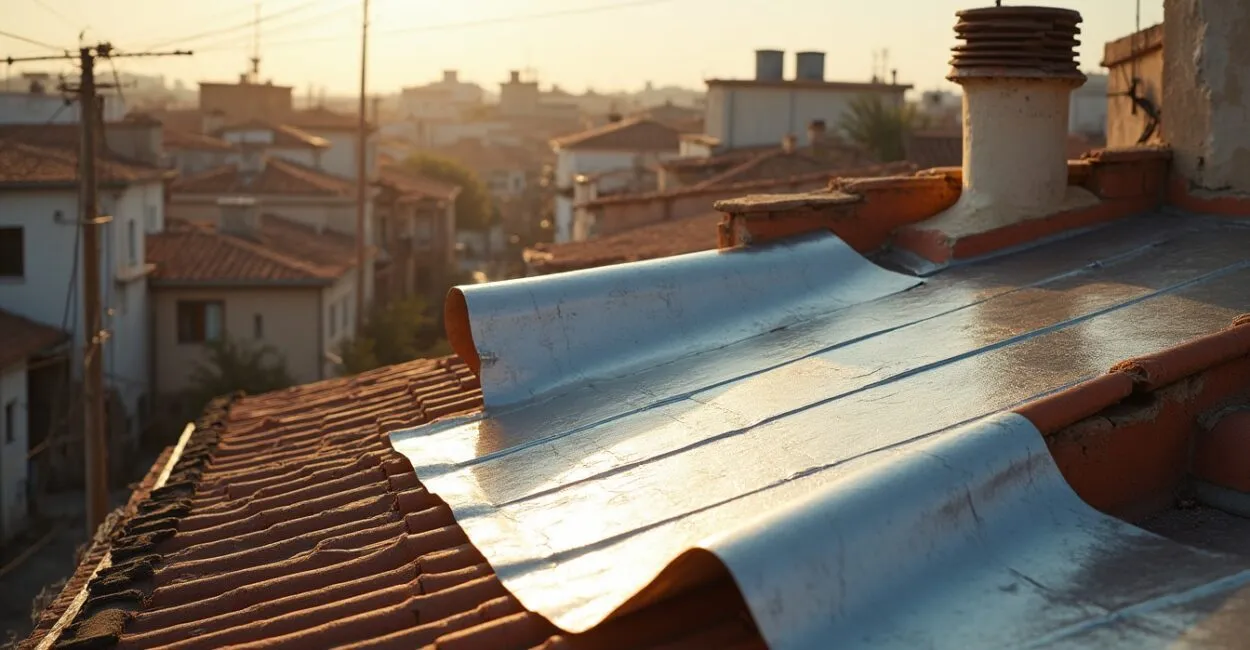
Is your roof so hot it feels like a frying pan? In working-class neighborhoods, where air conditioning is a luxury and major renovations are out of reach, reflective roof insulation has become a popular topic of conversation. Reflective roof insulation isn’t a gimmick: it’s a material that reflects heat back outside and can reduce indoor temperatures and energy bills without tearing anything apart or creating a headache.
Why Neighbors Are Swapping Roof Paint for Reflective Insulation
Quick results: homes with reflective insulation see an immediate drop in temperature in the attic and upstairs rooms. In many homes, that means less stuffiness in the morning and less reliance on air conditioning in the afternoon. In areas with intense sun, it can change daily routines—fewer fans running and windows open longer. The upfront cost is usually lower than a roof renovation, and a small crew can complete the installation in a single day.

What It Really Costs—and How Much You Can Save
Typical cost: reflective roof insulation runs from R$15 to R$60 per square meter, depending on the brand and type (pure aluminum or metallized film). In many cases, it pays for itself in one to three years through reduced use of fans and air conditioning. In addition to materials, factor in basic labor—many crews charge by the day and can cover a typical small home in a weekend.
The Mechanism No One Explains Properly

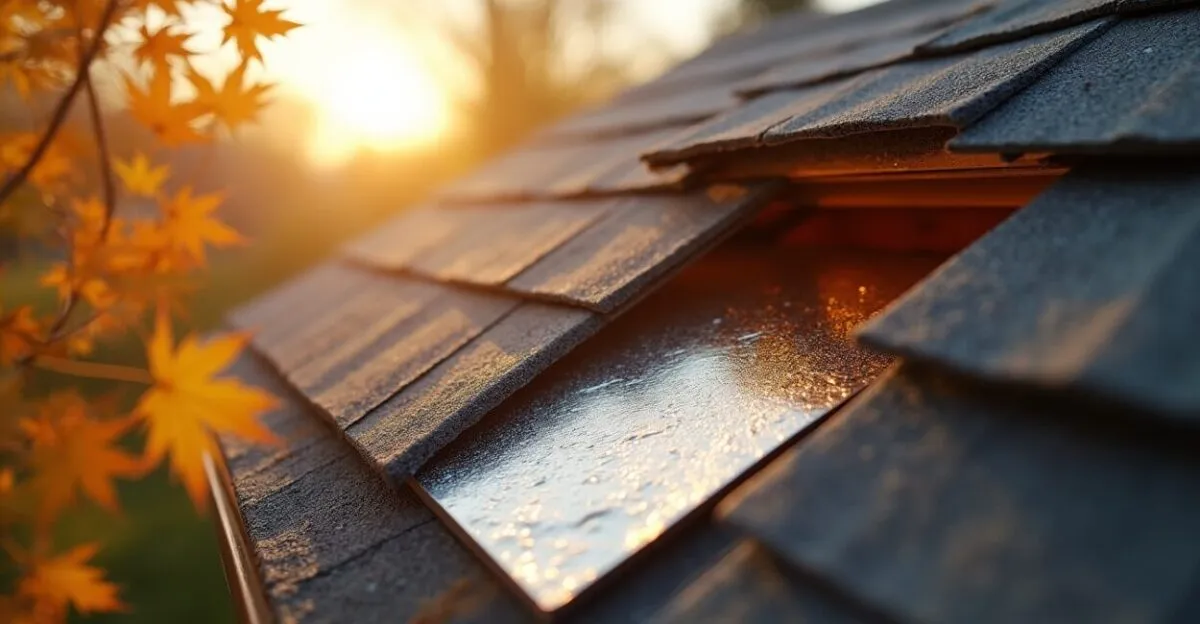
It’s not magic: reflective insulation works through reflection and insulation. The metallized side reflects solar radiation, while the core keeps heat from moving directly to the ceiling through convection. The key is reducing radiant heat gain before it turns into hot air inside the house. That’s why, on very sunny days, the roof can still feel hot to the touch while the indoor environment stays noticeably cooler.
Read also: Straw Insulation Is Trending: Why Everyone Wants to Know About It
Before and After: A Meaningful Comparison
A practical comparison: two otherwise identical homes, one without insulation and one with reflective insulation, showed temperature differences of up to 4–6°C in the upper rooms on a summer afternoon. Expectation vs. reality:
- Expectation: “It’ll make the roof as cool as being in the shade.”
- Reality: It reduces heat gain; it doesn’t create air conditioning. The perceived temperature drops and comfort improves.
The results improve when you add cross-ventilation: reflective insulation plus airflow can do what radiant barrier paint alone can’t.
Read also: Green Roofs Are Trending: Why Everyone’s Talking About Them
Common Mistakes: What to Avoid When Buying and Installing
Don’t buy based on price alone or install the insulation without properly sealing it. Common mistakes include:
- Installing insulation directly on the roof without an air gap, which reduces its effectiveness;
- Using the wrong tape on seams, which can cause leaks;
- Choosing low-reflectance material for areas with intense sun;
- Ignoring the eaves and ridge when securing the insulation.
Small mistakes can undo some of the benefits. It’s better to pay a good installer than cut corners and end up with mediocre results.
Quick Installation for Modest Homes: A Practical Step-by-Step Guide
Quick and effective: a typical installation has three main steps. 1) Prepare the roof: clean it and repair any leak-prone areas. 2) Install a supporting structure or the insulation itself, leaving room for airflow. 3) Seal the seams and test for leaks. In many modest homes, a crew of two or three can finish the job over a weekend, reducing indoor heat from the very first day.
When It Works Best—and When It’s Not the Ideal Solution
Reflective insulation works especially well on roofs exposed to direct sunlight and in homes with little interior insulation. It’s not a magic fix for moisture problems, broken roof tiles, or a complete lack of ventilation. In cramped homes where there’s no room to create an air gap, its effectiveness drops. Before buying, assess the roof, maintenance needs, and airflow—sometimes pairing it with insulated ceiling panels offers the best value.
Studies and technical recommendations show that combining measures—such as shading, ventilation, and reflective insulation—delivers the greatest benefits. You can also consult technical guidance from recognized sources, such as government environmental documents and university research on thermal comfort, including studies published in SciELO that examine effectiveness in urban areas.
If you want to reduce heat and energy bills without major construction, reflective insulation can deliver quick results—as long as you choose and install it properly. Think of it as a practical upgrade: it doesn’t eliminate the need for other measures, but it does provide real, measurable relief.
One final thought: if you keep accepting the heat as “normal,” you’ll keep paying the bills and losing sleep. Improving your roof costs less than you might think—and can start paying for itself before next summer.
How Long Does It Take to Notice a Temperature Difference After Installing Reflective Insulation?
You’ll generally notice a difference right away: residents often report cooler attics and upstairs rooms within hours of installation. Maximum effectiveness depends on other factors, such as ventilation, roof color, and the type of insulation. Thermometer readings typically stabilize after several hours to a few days of continuous sun exposure. Energy savings show up in actual usage within the first month, depending on ventilation habits and appliance use.
What Is the Average Lifespan of Properly Installed Reflective Insulation?
Good-quality reflective insulation lasts 10 to 20 years, depending on exposure to the elements, maintenance, and material type. Products with UV protection and a reliable fastening system hold up better to rain and intense sun; cheaper options may lose their metallized finish within a few years. Simple maintenance—checking fasteners and seams annually—can extend its lifespan. Overall, it’s a long-term investment when installed by a qualified professional.
Do I Need a Permit or License to Install Reflective Insulation on My Home?
In most residential cases, you don’t need a specific permit to install reflective insulation on an existing roof because it doesn’t involve significant structural changes. However, if you live in a condominium, a protected area, or a historic property, you may need approval. It’s also worth checking local rules on installation and material disposal. Formal requirements may apply if a project changes the facade or increases the building’s footprint. Check with your local government or condominium association before getting started.
Can I Install Reflective Insulation Myself, or Should I Hire a Professional?
You can install it yourself for simple projects, but hiring a professional reduces common risks, such as improper fastening, poorly sealed seams, and reduced airflow. Professionals can also ensure proper alignment and know how to handle eaves, ridges, and leak-prone areas. If your home has a complex roof, steep pitches, or a history of leaks, hiring a specialist is recommended to preserve effectiveness and avoid rework. If you want a quick installation and a warranty, hiring a crew is worth it.
What Materials and Features Should I Look for When Buying Reflective Insulation?
Look for high solar reflectance (the higher, the better), a UV-protective layer, a core with thermal resistance, and reliable fastening options. Certified brands with technical data sheets that specify reduced heat gain are a safer choice. Avoid very cheap products with no technical specifications: they may lose their metallic sheen and effectiveness within a few years. Ask about the manufacturer’s warranty, compatibility with your roof, and whether the insulation allows for an air gap between it and the roof to maximize performance.
Artigos Relacionados
 Sustainable Insulation Is Trending: Why Is Everyone Talking About It?
 Protective Puts Are Trending: Why Everyone’s Talking About Them
 Reverse Logistics Is Booming: Why Everyone’s Talking About It
 Tesouro Selic Is Trending: Why Everyone’s Talking
 Why Short-Term Treasury Bonds Are Trending on Social Media—and Do They Work?
 Why Automated Sorting Is Taking Off—and Does It Really Work?
