
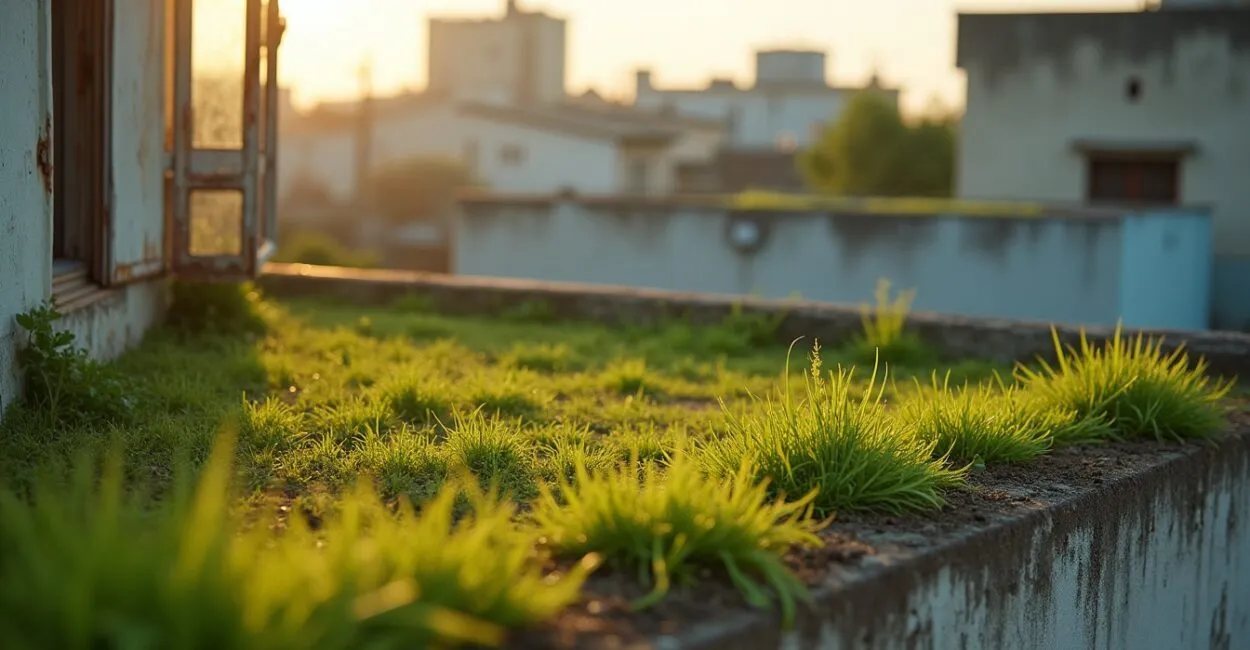
On the hottest day of the year, the roof felt like an oven. Instead of just putting up with it, Ms. Marlene planted a layer of grass. Five months later, her living room was cooler and the leaks were gone. That’s a green roof within reach for affordable housing: it’s not a luxury, it’s a practical solution. If you live in an apartment building or a modest home, read to the end for affordable models, mistakes to avoid, and numbers that help make the case for investing.
Why a Green Roof Cools Your Home Like a Natural Air Conditioner
Plants and growing medium block sunlight and release moisture into the air—the effect is real and measurable. Compared with a light-colored concrete roof, a green roof can lower indoor temperatures by 3–6°C during the hottest part of the day. It won’t replace air conditioning entirely, but it can reduce how often you run it and lower your energy bill. In affordable housing, every degree of cooling means lower costs and more comfort for people who spend a lot of time at home.

Simple Green Roof Designs Any Resident Can Install
Not every project requires major construction. There are at least three practical options:
- Lightweight membrane with plant trays (quick to install, minimal maintenance)
- Modular garden with sedum and grasses (lightweight and drought-tolerant)
- Pots and planters on a waterproofed roof (less expensive and flexible)
The key is to choose a lightweight growing medium and hardy plants; you don’t need to be a landscape designer to get started.
How Much Does It Cost (and Why It May Be Much Cheaper Than You Think)?

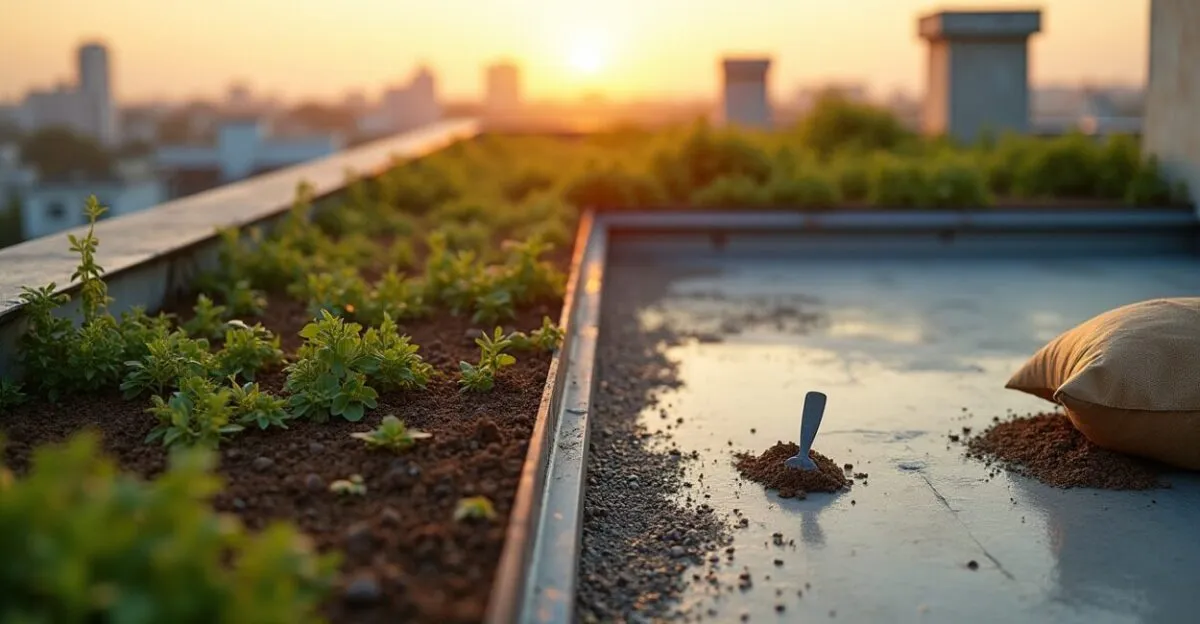
A basic green roof on a concrete slab can vary widely in price, but options start at around R$ 150–300 per square meter using ready-made trays and affordable growing medium. Compare that with the long-term cost of poor waterproofing and repairs for water damage, which can be much higher. The upfront cost is an investment that often pays for itself in 3–7 years through energy savings and lower repair bills.
Read also: Straw Insulation Is Trending: Why Everyone Wants to Know More
According to data from public institutions and academic studies, a green roof lasts longer when it has proper waterproofing and receives simple, regular maintenance.
The Often-Overlooked Essentials: Waterproofing and Drainage
Plants without waterproofing are a recipe for trouble. The key is combining:
Read also: Reflective Roof Paint Is Trending: Why Everyone’s Trying It
- a waterproof membrane
- a drainage layer to carry away excess water
- a lightweight filter layer for the growing medium
Without all three, your “green” roof can start leaking in no time. The good news: simple, affordable solutions, such as asphalt roofing felt or polymer membranes, work when installed correctly.
Common Mistakes That Turn an Affordable Project Into an Ongoing Expense
Avoid these pitfalls:
- Installing a green roof without checking the roof’s load capacity
- Using growing medium that’s too heavy
- Skipping waterproofing
- Choosing plants that need a lot of water
These mistakes drive up costs and leave the original problems—heat and leaks—unresolved. Rushing through the project is the main reason people regret it.
A Surprising Comparison: Before and After a Community Green Roof
Before: an apartment building with hot walls, leaks in the common area, and high energy bills. After: indoor temperatures dropped, the plants absorbed some of the rain, and the leak didn’t return. The difference wasn’t just cosmetic—it was practical: residents reported fewer unpleasant odors, fewer repairs, and a greater sense of well-being. In many cases, an affordable home can go from a “thermal risk zone” to a healthier place to live with a low-cost upgrade.
How to Get Started Today: Practical Steps and Funding
Here’s how to get started: 1) Have a technician check the structure; 2) choose a design (trays, modules, or pots); 3) waterproof the roof; 4) install drainage; 5) plant and perform basic maintenance. For funding, look into municipal housing programs, sustainability grants, and local cooperatives. Official data and credit programs may support community projects—research your options before paying out of pocket.
If your roof has problems, planting greenery might sound poetic—but it’s also practical and cost-effective. A green roof isn’t just decoration; it’s a way to beat the heat, stop leaks, and make an affordable home more comfortable. And let’s face it: changing your roof can change your life.
How Long Does It Take to See a Real Drop in Temperature?
In urban areas, you may notice a difference within weeks, but the full effect usually takes 2–3 months, once the plants and growing medium have settled in. Even in the first few weeks, the roof reflects less sunlight and evapotranspiration increases, bringing relief during the hottest hours. Results vary depending on plant type, growing-medium depth, and sun exposure; on average, residents notice a significant difference during the first summer after installation.
Does a Green Roof Require a Lot of Regular Maintenance?
No. Green roofs designed for affordable housing prioritize low maintenance. Simple routines, such as checking drains, pruning plants once or twice a year, and adding growing medium where it has compacted, are usually enough. Systems with sedum or grasses are nearly self-sufficient, while gardens need daily attention. Getting the setup right is the trick: spending a little upfront helps prevent leaks and bigger expenses down the road, turning maintenance into savings.
Can I Do It Myself, or Do I Need an Engineer?
For lightweight projects (trays and pots on an already waterproofed roof), residents with basic DIY skills can get started on their own by following technical instructions. However, if you’re unsure about the roof’s load capacity or slope, or if it has cracks, you should consult a structural engineer. A professional can ensure the project is safe and help you avoid problems that could be costly to fix later. In communities, an effective approach is to combine a technical workshop with a supervised volunteer workday.
Which Plants Do Best in Hot, Dry Climates?
Low-growing, drought-tolerant species are ideal: sedum, native grasses, aloe, and some succulents. These plants need shallow growing medium and little fertilizer, and they can handle intense heat. Avoid species that need a lot of water or have aggressive roots that could damage the waterproofing. Choosing plants suited to your area matters: native plants adapt better, require less maintenance, and help create beneficial microhabitats for pollinators.
How Do I Calculate Whether a Green Roof Is Worth the Investment?
Calculate the upfront costs (waterproofing, growing medium, plants, and labor) and compare them with the expenses you’ll avoid: lower energy use, fewer leak repairs, and a longer-lasting roof. Project the costs and savings over 3–7 years; many basic projects pay for themselves within that period. Include less tangible benefits, such as thermal comfort and health. If possible, request a professional estimate and an energy-savings analysis to help you make an informed decision.
Artigos Relacionados
 Reflective Roof Insulation Is Trending: Why Everyone’s Talking About It
 Sustainable Insulation Is Trending: Why Is Everyone Talking About It?
 Protective Puts Are Trending: Why Everyone’s Talking About Them
 Tesouro Selic Is Trending: Why Everyone’s Talking
 Reverse Logistics Is Booming: Why Everyone’s Talking About It
 Thermal Paint Is Trending: Why Everyone Is Trying It
