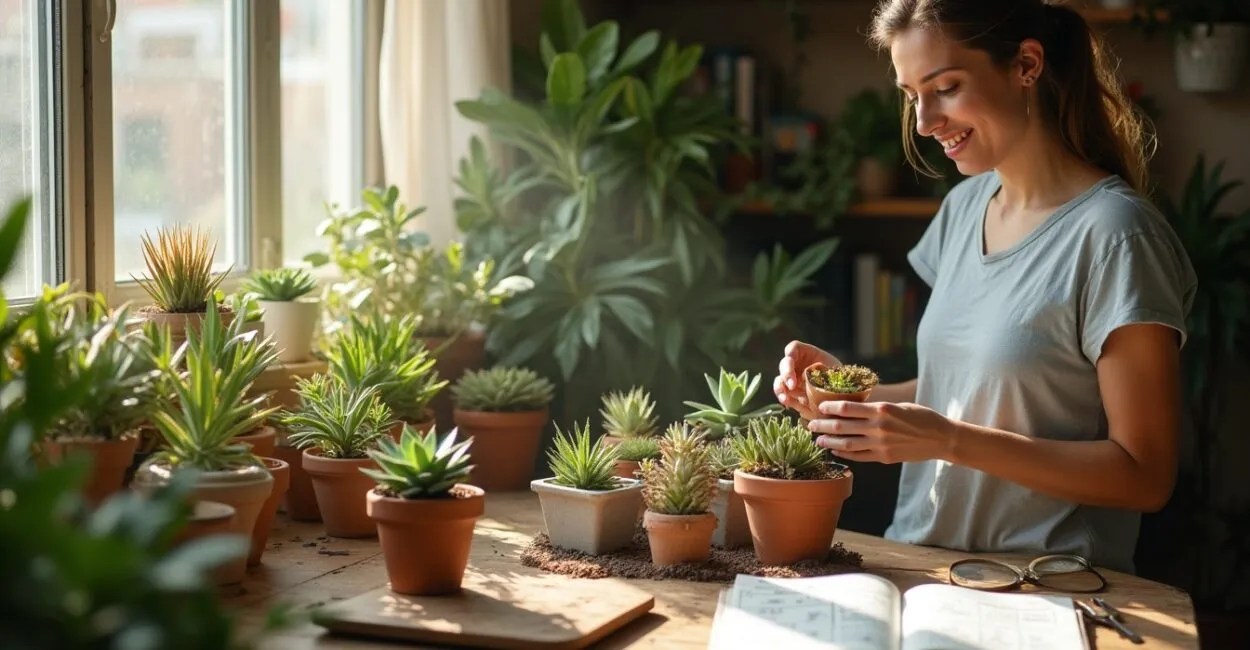
Succulents have specialized tissues for storing water, adapting them to arid environments through fleshy leaves or stems that let them survive for long periods without watering. They are defined by their leaf anatomy, CAM physiology, and water-conservation strategies, which set them apart from other ornamental plants.
Succulents have become popular for their low-maintenance needs and visual appeal, but keeping them indoors requires careful control of light, soil, and airflow. I cover practical challenges, design applications, and ways to avoid common care mistakes.

Key Takeaways
- Physiological adaptations determine ideal watering schedules and soil mixes for long-term health.
- Light and airflow have a greater impact on plant health than watering frequency.
- Early diagnosis of pests and rot protects your investment and reduces losses.
Succulents: Botanical Basics and Physiology
Understanding succulent anatomy and metabolism helps you make more precise care decisions. Here, I explore roots, storage tissues, and CAM photosynthesis, linking plant form to responses to water stress so you can recognize functional signals and physiological limits.
Leaf Anatomy and Water Storage
Thick leaves and parenchyma tissue act as reservoirs, which explains why parenchyma density determines drought tolerance. Examining cell thickness and the cuticle shows why some genera withstand low indoor humidity better than others.
Why it matters: internal structures affect watering and soil choices, influencing the risk of root rot. By understanding these mechanisms, I adjust irrigation practices to reduce osmotic stress and maintain a steady water balance.
Practical impact: choosing species with greater water-storage capacity makes it easier to grow them with intermittent watering, reducing the care they need and making home cultivation more sustainable.
CAM Metabolism and Its Implications for Plant Care
Crassulacean acid metabolism (CAM) allows plants to take in CO2 at night, reducing daytime water loss. This explains their varied responses to artificial light and temperature, both critical factors in efficient photosynthesis. Recognizing the CAM cycle helps me adjust watering and airflow to match metabolic rhythms, avoiding excess daytime moisture that encourages pathogens. This understanding reduces physiological stress and supports healthy growth.
Practical result: adjusting light and temperature improves growth and color, minimizing etiolation and promoting stronger plants without significantly increasing watering or fertilizing.
Roots, Soil, and Gas Exchange
Shallow roots that are sensitive to oxygen deprivation need a well-draining, porous soil mix. Root structure also affects how plants respond to fertilizer and how often they need repotting in small containers. Why change the soil mix? Compaction reduces gas exchange and encourages pathogens, causing leaves to decline. Replacing it with a porous mix restores oxygen flow and root activity, allowing the plant to absorb water again.
Impact: optimizing a mix with perlite, sand, and stable organic matter helps plants live longer and reduces losses from rot, cutting costs and repeat work in home care.
Choosing Species and Adapting Them to Indoor Spaces
Choosing the right species for your indoor microclimate is essential. I look at tolerance for low light, temperature needs, and sensitivity to humidity, then suggest genera based on light exposure, airflow, and the caretaker’s routine.
Species That Tolerate Low Light
Some genera, such as Haworthia and Gasteria, have protective adaptations that help them grow reasonably well indoors in indirect light. Understanding their minimum light requirements helps prevent etiolation and loss of visual appeal. When choosing varieties, I check their natural habitat and leaf behavior to predict how they will respond to artificial light. This helps determine when to replace them with better-adapted plants, saving time and resources.
Practical impact: choosing species suited to indoor conditions reduces the need for supplemental grow lights, improves appearance, and requires less intervention, making it easier to achieve consistent results.
Species for Sunny Spots and Windowsills
For south- or east-facing windows, I choose species such as Echeveria and Sedum, which tolerate high light levels and are less prone to leaf spotting. Their pigmentation reflects the balance between light exposure and photoprotection. Understanding UV sensitivity and temperature range helps guide movement of pots between spaces. Moving plants without acclimating them can cause light stress, resulting in sunburn or loss of turgor.
Result: placing plants according to their light tolerance preserves compact growth and color. Gradual acclimation prevents shock, maintains growth quality, and reduces early losses.
Pairing Succulents with Interior Design
Beyond plant physiology, I consider texture, color, and form to create functional arrangements that meet plants’ biological needs, avoiding combinations that create unfavorable microclimates in grouped pots. When incorporating succulents into a design, I prioritize airflow and appropriate light exposure to prevent condensation and fungal growth that can compromise both the appearance and health of an arrangement.
Impact: thoughtful planning preserves ornamental value and reduces the need for pest and disease treatments, creating healthier, visually cohesive indoor spaces for residents and visitors.
Soil, Watering, and Nutrition

Soil mix, watering, and fertilizing are at the heart of successful succulent care. I explain proportions, signs of overwatering or underwatering, and fertilizing strategies that balance growth and stress resistance without producing soft, weak tissue.
Creating the Ideal Soil Mix
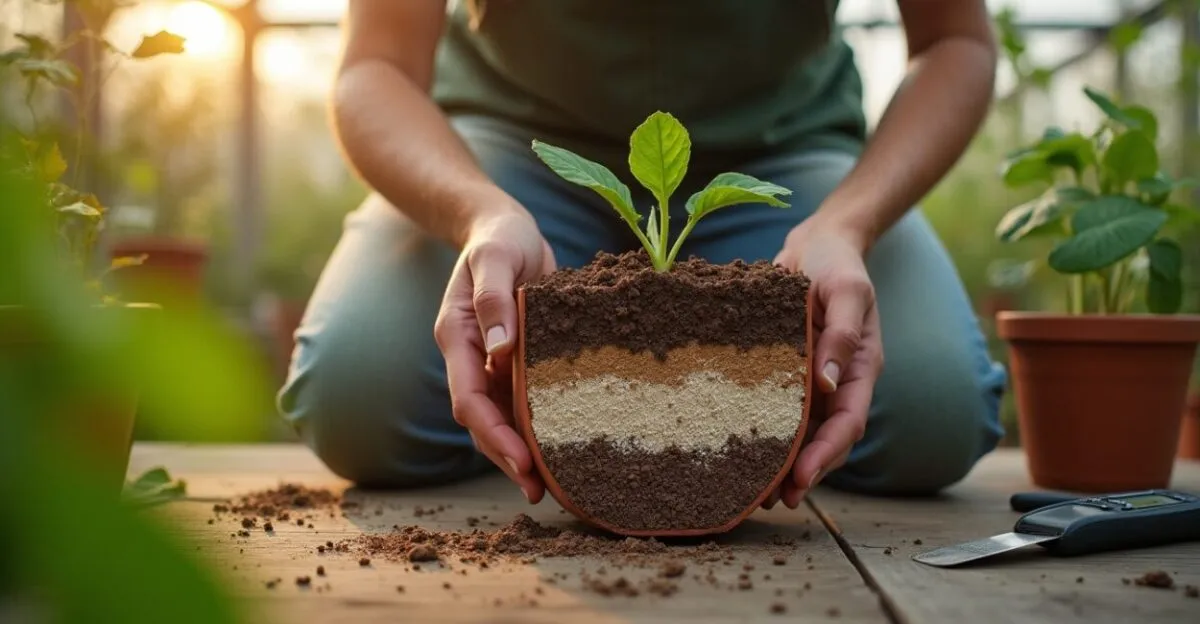
Combining drainage materials such as perlite and coarse sand with coir and compost creates balanced moisture retention. Particle size determines how much water the mix holds and how quickly it drains, which affects watering frequency. Why particle size matters: larger particles improve aeration and reduce standing water, preventing rot. Adjusting proportions to suit indoor conditions helps prevent underwatering and overwatering while stabilizing the root microbiome.
Impact: a well-designed soil mix reduces disease and gives roots the physical conditions they need to function, resulting in stronger plants and fewer corrective interventions.
Watering Based on Plant Indicators
I use visual and tactile cues, such as leaf firmness and pot weight, to decide when to water rather than following a fixed schedule. This responsive, informed approach prevents common mistakes and preserves the plants’ water reserves. By comparing pot weight with how long the soil has been dry, I establish watering thresholds that respect CAM physiology and reduce osmotic shock, leaf drop, and recovery time.
Practical result: watering based on plant indicators reduces water waste and discourages conditions that favor pathogens, leading to higher survival rates and fewer treatments.
Fertilizing and Correcting Nutrient Deficiencies
Measured amounts of balanced macro- and micronutrients prevent excessive growth and fragile tissue. Using fertilizers made for cacti and succulents helps prevent salt buildup and physiological disorders. When diagnosing a deficiency, I compare leaf symptoms with simple soil tests, then correct the issue with soluble or controlled-release fertilizers while minimizing disruption to beneficial microbes.
Impact: proper nutrition improves resistance to pests and harsh conditions, keeping plants compact and healthy without emergency pruning or frequent replacement.
Pests, Diseases, and Integrated Management
Preventing and controlling pests and diseases is essential to maintaining a collection. I cover pest and symptom identification, plant health treatments, and cultural practices that reduce pressure from biological threats while protecting plants and the home environment.
Identifying Common Pests
Mealybugs, spider mites, and aphids cause different symptoms on leaves and stems. Identifying the texture, location, and pattern of damage helps you choose effective insecticides or biological controls. Why act early? Small infestations are much easier to eliminate and require fewer chemicals. I recommend regular monitoring and manual cleaning as first steps before applying more intensive treatments.
Practical impact: early intervention preserves plants’ appearance and biomass, reduces the risk of pests spreading to other plants, and lowers replacement costs for the collection.
Fungal Diseases and Cultural Controls
Overwatering can cause rot, tissue death, and rapid plant loss. Care measures such as adjusting watering, removing affected tissue, and increasing airflow are more effective than fungicides alone. Understanding fungal pathogen life cycles informs preventive practices and limits spread, reducing recurrence and the need for intensive chemical treatments that can harm beneficial microbes.
Result: cultural controls restore balance in the pot’s ecosystem, prevent outbreaks, and support physiological recovery without putting nearby plants at risk.
Using Pesticides Carefully and Choosing Biological Alternatives
Prioritizing mechanical solutions and biological products reduces chemical exposure. When pesticides are essential, I use products that break down quickly and target specific pests, protecting pollinators and human health. Combining natural predators with plant-based extracts offers pest control suited to home growing, reducing resistance and ecological impact while remaining effective against recurring infestations.
Read also: Strategic Interior Painting for a Greater Sense of Space
Practical impact: an integrated strategy reduces costs and risks, supporting more resilient, sustainable collections with less need for repeated corrective treatments.
Propagation, Pruning, and Repotting
Propagating succulents requires precision when cutting, rooting, and acclimating plants. I cover propagation from leaves, cuttings, and division, along with pruning and repotting practices that preserve vigor and prevent physiological shock during transplanting.
Read also: IoT in Education: Interactive, Connected Learning Environments
Propagation from Leaves and Cuttings
Propagating from a leaf requires letting the cut end dry and keeping humidity under control. Understanding when roots form and stored energy builds up helps prevent rot and improve success rates. Why drying matters: callusing closes the wound, reducing pathogen entry and encouraging callus growth, which is needed for adventitious roots to form. For best results, home propagation methods should include this step.
Impact: mastering propagation makes growers more self-sufficient, reduces the cost of buying new plants, and allows them to experiment safely with rare cultivars.
Pruning for Maintenance and Rejuvenation
Pruning should remove dead tissue and encourage branching without depleting the plant’s reserves. Angled cuts and wound sealant can speed recovery and reduce infection risk. When deciding whether to prune, I balance appearance with physiological function, avoiding excessive removal that depletes stored carbohydrates and impairs regrowth, especially before stressful periods.
Practical result: proper pruning extends a plant’s productive life, improves its form, and makes pest and disease management easier, helping plants thrive in limited indoor spaces.
Repotting and When to Change Pots
Repotting is appropriate when roots fill too much of the pot or the soil mix has broken down. Inspecting the plant and acting at the right time helps prevent chronic stress and loss of ornamental and physiological performance. Preparing a new pot with a suitable mix and transplanting when vegetative growth is slower improves success, reduces shock, and preserves the plant’s reserves as it settles in.
Impact: well-planned repotting keeps roots healthy and helps plants tolerate environmental changes, reducing the need for emergency intervention.
Design, Integration, and Sustainability
Incorporating succulents into indoor spaces takes aesthetic and ecological planning. I discuss sustainable practices, responsible resource use, and how thoughtful arrangements can support environmental well-being and make homes and offices easier to maintain.
Aesthetic Arrangements and Functional Harmony
Combining textures and heights creates resilient arrangements. Considering each species’ light and moisture needs prevents biological conflicts and helps the arrangement look good over time without demanding too much care. When selecting plants, I prioritize ecological compatibility and vibrant color, which reduces replacements and keeps maintenance low while preserving visual impact.
Practical impact: planned arrangements enhance indoor spaces while using fewer resources and requiring less frequent upkeep.
Sustainable Practices and Resource Conservation
Reusing rinse water, choosing soil mixes that contain recycled materials, and selecting native species when possible can reduce your environmental footprint. Simple steps improve sustainability without compromising plant health. Technical guidance from public agencies such as Brazil’s Ministry of Agriculture can help you follow safe growing practices, supplementing cultivation protocols with official recommendations for household sanitation products and home growing.
Impact: sustainable practices conserve resources and lower operating costs while helping collections better withstand fluctuations in water and supply availability.
- What to avoid: watering on a fixed schedule without checking the plant.
- Avoid compact soil mixes that hold too much water.
- Don’t expose plants to intense light suddenly without acclimating them first.
Avoiding these practices addresses the main causes of plant loss: excess water, root suffocation, and light shock. Simple changes to your routine reduce risks and help plants thrive indoors.
Biomonitoring and Environmental Health
Monitoring microclimate indicators such as humidity and temperature helps fine-tune care and extend plant life. Sensors can support preventive maintenance and reduce losses from stress. Combining measured data with direct observation enables targeted intervention and avoids unnecessary treatments, balancing costs with the health of collections in homes and workplaces.
Practical impact: monitoring reduces inconsistencies between caretakers, creating more predictable and healthy conditions for growing succulents.
Advanced Conservation and Collecting
For collectors and professionals, advanced care includes preserving genetic diversity, recording provenance, and acclimating sensitive species. I discuss curation practices that protect plant integrity and support responsible propagation.
Provenance Records and Certification
Documenting a plant’s origin and lineage is essential for preventing genetic loss and ensuring that plant material is traded legally. Well-maintained records help rebuild collections after an incident and verify commercial provenance. Establishing morphological and genetic identification protocols reduces the risk of unintended hybridization and protects the commercial and scientific value of specialized collections.
Impact: good curation practices boost a collector’s credibility and make partnerships with academic and botanical institutions easier, expanding access to technical resources.
Ex Situ Conservation and Germplasm Banks
Keeping plant material in controlled conditions and preserving seeds or tissues through cryopreservation can reduce the risk of local extinction. Ex situ conservation complements in situ efforts and taxonomic research. Connecting collections with institutional networks and herbaria supports safe material exchange and technical guidance, strengthening conservation programs and helping prevent overcollection from natural habitats.
Practical impact: joining conservation networks helps protect rare species and provides access to advanced protocols, improving success in reintroduction and phylogenetic research.
Ethics and Regulations for Plant Exchanges
Plant exchanges and sales must comply with laws and international conventions. Understanding plant health requirements and CITES regulations helps avoid penalties and supports sustainable, responsible trade. Educating buyers about plant origins and care helps prevent losses caused by improper handling and encourages ethical practices, strengthening the market and reducing pressure on wild populations.
Impact: complying with regulations protects your reputation and makes it easier to grow a hobby or business while building lasting relationships with suppliers and institutions.
Recommended Tools, Materials, and Resources
Choosing the right tools and technical materials makes plant care easier and reduces mistakes. I offer recommendations for equipment, reliable suppliers, and educational resources to support effective professional and home growing practices.
Essential Tools for Plant Care
Tweezers, small spades, sharp scissors, and moisture probes make interventions less damaging. Choosing rust-resistant tools and cleaning them between uses reduces cross-contamination and pathogen spread. Keeping a basic kit on hand helps you respond quickly to pests and repotting needs, avoiding improvised solutions that can increase damage and costs over time, especially in larger collections.
Practical impact: investing in good tools reduces maintenance time and improves success with tasks such as taking cuttings and adding soil mix.
- Reliable suppliers: specialty shops and nurseries with a strong track record and positive technical reviews.
- Recommended materials: perlite, vermiculite, coir, and stabilized potting soil.
- Equipment: moisture meter, full-spectrum LED grow lights, and controlled ventilation.
Choosing quality suppliers and materials leads to consistent results and fewer replacements. Informed decisions save time and help keep plants healthy for years.
Technical Resources and Trusted Guidance
I consult specialized literature and technical websites, along with guides from organizations such as the Royal Horticultural Society for advanced practices and research-backed recommendations. Combining hands-on experience with scientific references provides a sound basis for complex decisions, especially when working with rare species or professional collections.
Impact: access to reliable resources improves care and reduces mistakes caused by inconsistent information, benefiting both home and professional collections.
- Common mistakes: overwatering, using the wrong soil mix, and sudden changes in light.
- Prevention: inspect plants regularly and use porous soil mixes.
- Correction: adjust conditions gradually and treat affected areas directly.
Recognizing and correcting common care mistakes is more effective and affordable than taking drastic measures later. Small adjustments extend plant life and reduce wasted resources.
Practical Steps to Improve Your Results Now
Putting knowledge into practice starts with assessing your microclimate and adjusting a few basics: well-draining soil, regular observation, and appropriate lighting. These steps can quickly improve plant health and appearance. Strategic recommendation: prioritize diagnosis, adjust the soil mix, and set up simple monitoring to reduce risks and improve results continuously and measurably.
Frequently Asked Questions
How Often Should You Water Indoor Succulents?
Water indoor succulents based on indicators such as pot weight and leaf firmness. I typically water when the soil feels dry to the touch and the pot feels light, rather than following a rigid schedule. Environmental factors such as temperature and airflow affect water needs, so adjust your routine to the season and local microclimate.
How Can You Identify and Treat Root Rot in Succulents?
Root rot causes wilting, a foul smell, and darkened roots. Treatment involves removing dead tissue, replacing the soil with a well-draining mix, and immediately reducing watering. In advanced cases, a targeted systemic fungicide and improved airflow can support recovery.
What Soil Mix Works Best for Succulents in Small Pots?
Soil mixes for small pots should drain well and provide plenty of aeration. A recommended mix contains generous amounts of perlite, coarse sand, and coir, plus a small amount of stabilized organic matter for minimal moisture retention. Avoid heavy soils that hold water and reduce gas exchange.
Can I Use Regular LED Bulbs to Grow Succulents Indoors?
LED lights work if they provide the right spectrum and intensity. Choose grow lights with a balanced mix of blue and red light and a photoperiod that mimics natural cycles. Proper placement and distance prevent etiolation and sunburn, while timers ensure consistency.
How Can I Propagate Delicate Succulents Without Losing Genetic Quality?
Propagation from cuttings or leaves preserves plant traits when you use healthy, mature material. Let the cut end dry, use sterile soil, and keep humidity under control to prevent contamination. For sensitive species, laboratory-based in vitro propagation can preserve genetic integrity.