
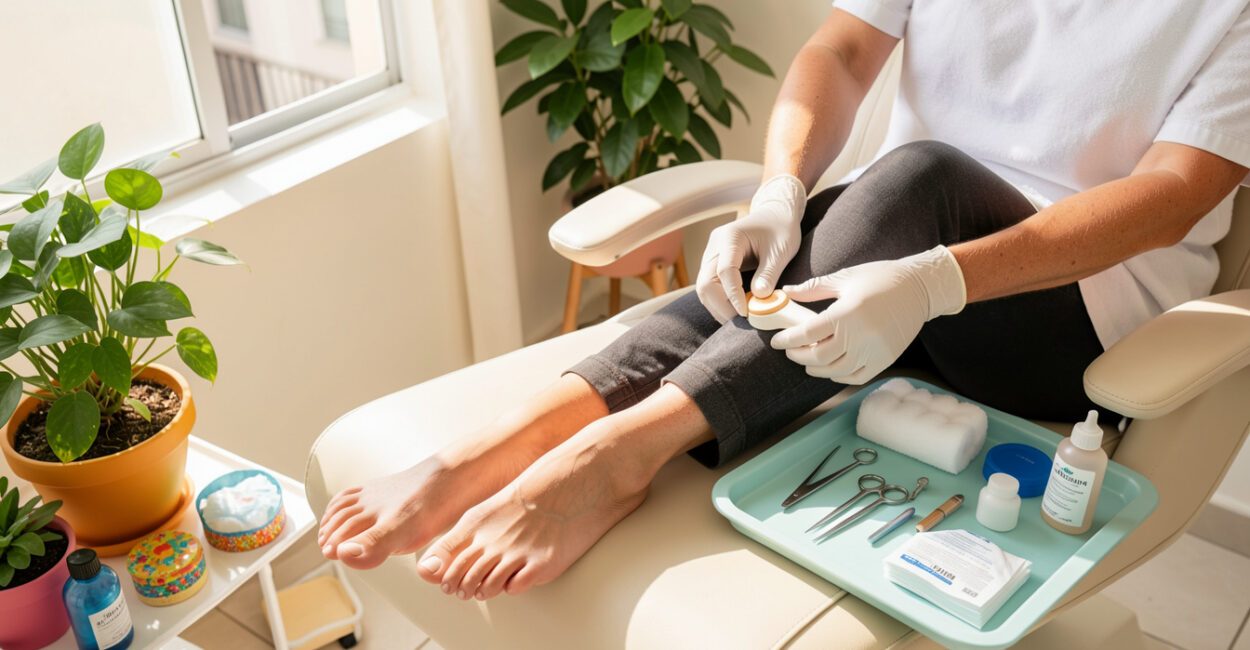
A painful toenail or a callus that bothers you when you walk may leave you wondering: should you see a foot care specialist or a doctor? In Brazil, a podologist is a professional who provides preventive care and performs nonsurgical procedures on the feet and nails within the scope of their training. They are not a physician and do not replace a clinical evaluation when there are signs of disease or complications.
To choose where to seek care, consider what is going on: a callus without an open sore may be suitable for podology care; pain accompanied by discharge, significant redness, or an open sore calls for evaluation by a healthcare professional. Knowing the difference can keep a simple procedure from delaying the investigation of a problem that requires a diagnosis.

What a foot care specialist does for feet and nails
Podology is the field focused on foot care and prevention; in Brazil, a podologist is the professional who provides this care in accordance with their training and scope of practice. They may address superficial changes in the nails and skin, trim nails using specialized techniques, and recommend ways to reduce friction and discomfort. Diagnosing diseases and prescribing medication are responsibilities of physicians.
An appointment usually begins with questions about your concern and health history, followed by an examination of your feet. Based on what they observe, the professional decides which care is appropriate or recommends that you seek medical attention. An examination alone cannot confirm conditions such as infections or skin disorders.
Podology care is intended for prevention and nonsurgical procedures; signs of disease or complications require clinical evaluation.
What to expect at a podology appointment
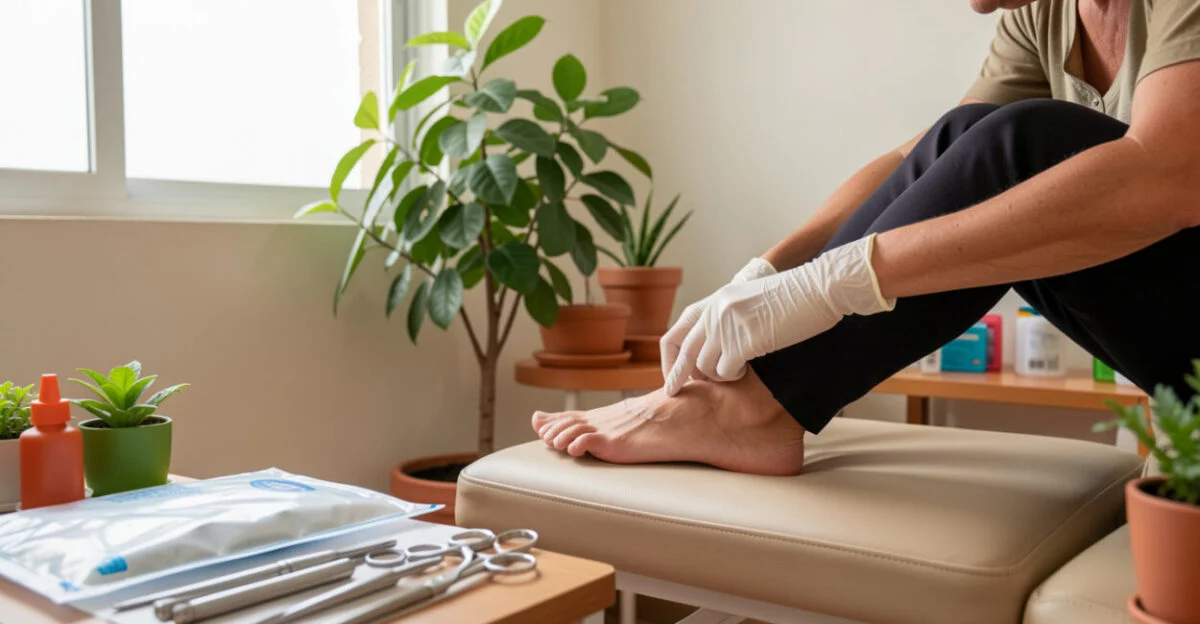
The appointment starts with a conversation about your symptoms, daily routine, footwear, and at-home care. The professional then examines your nails, skin, and pressure points, looking for issues such as thickening, cracks, and sensitivity. If appropriate, they may trim your nails using specialized techniques, clean the area, or address superficial calluses.
Before the procedure begins, ask what will be done and why. Check that the instruments are clean and that the professional explains their hygiene and infection-control practices. Anvisa’s RDC No. 15/2012, a Brazilian health regulation, covers the processing of medical devices; it provides a reference for understanding the importance of properly handling reusable instruments.
To help ensure a safer evaluation, share the following information:
- When the discomfort started and whether it is getting worse.
- Whether you have an open sore, discharge, redness, or a change in color.
- Any medical conditions, allergies, medications, or previous foot procedures.
- Whether you have diabetes or reduced sensation in the area.
- What kind of shoes you wear most often and how you trim your nails.
Nail trimming requires care: cutting the corners too short can cause the nail edge to grow into the side of the toe and lead to discomfort. If your nail is already painful or inflamed, don’t try to dig out the corners at home.
Calluses, dry skin, and nail changes

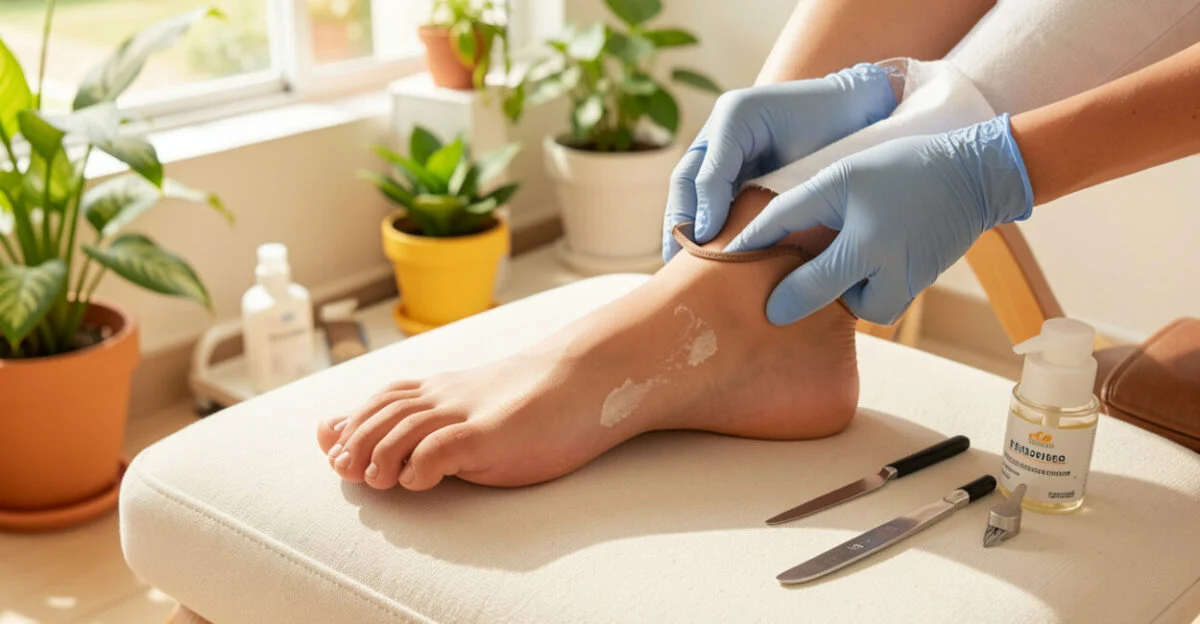
Superficial calluses caused by pressure or friction, dry skin, and difficulty trimming nails are among the concerns that may be addressed with podology care. The professional may also suggest changes to your routine, such as checking whether your shoes squeeze your toes or repeatedly rub against one area.
Not every visible change should be treated as a simple skin or nail problem. Persistent changes in color or shape, recurring pain, and cracks that don’t improve may have causes that require medical evaluation. The appropriate course depends on what the professional observes and your health history; no single podology procedure is right for every case.
The Brazilian Society of Dermatology (Sociedade Brasileira de Dermatologia) provides information about skin and nail conditions. When a change seems to involve these structures, a dermatologist may be the right professional to investigate the cause.
When to see a foot care specialist or seek medical care
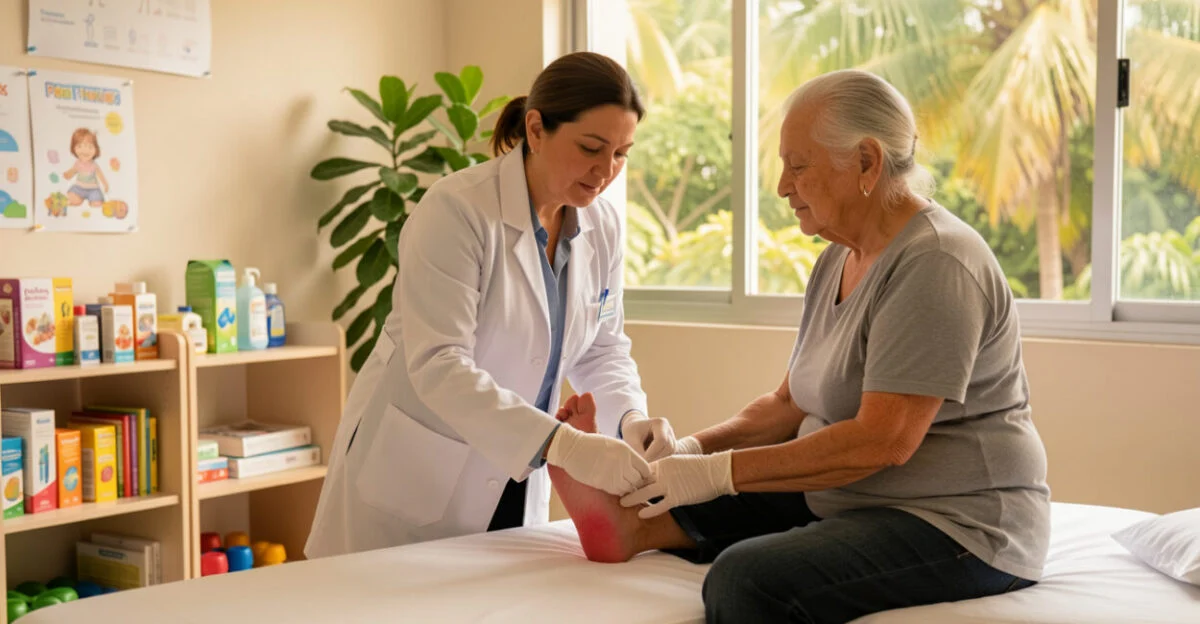
Use the severity of your symptoms and the presence of sores or signs of infection to help decide where to seek care. This table can help you choose where to start, but it does not replace an individual evaluation.
What you notice
Recommended first step
Why
Superficial callus, with no open sore or severe pain
Appointment with a foot care specialist
Nonsurgical care and advice about friction and pressure may help.
Dry skin or difficulty trimming your nails, with no signs of complications
Appointment with a foot care specialist
The professional can recommend care and perform procedures within the scope of their training.
Persistent pain, worsening inflammation, discharge, or an open sore
Medical care or a healthcare facility
The cause needs to be evaluated to determine whether medical treatment is needed.
Diabetes or reduced sensation, along with a change in your feet
Guidance from the healthcare professional who treats you
Reduced sensation can make it harder to notice injuries and may affect which care is appropriate.
If you have an open sore or discharge, don’t try to remove it or use products on your own to put off an evaluation. If you have diabetes or reduced sensation, ask your healthcare team for guidance before having foot procedures.
An open sore, discharge, or persistent pain changes what to do first: the cause needs to be evaluated before deciding which care is safe.
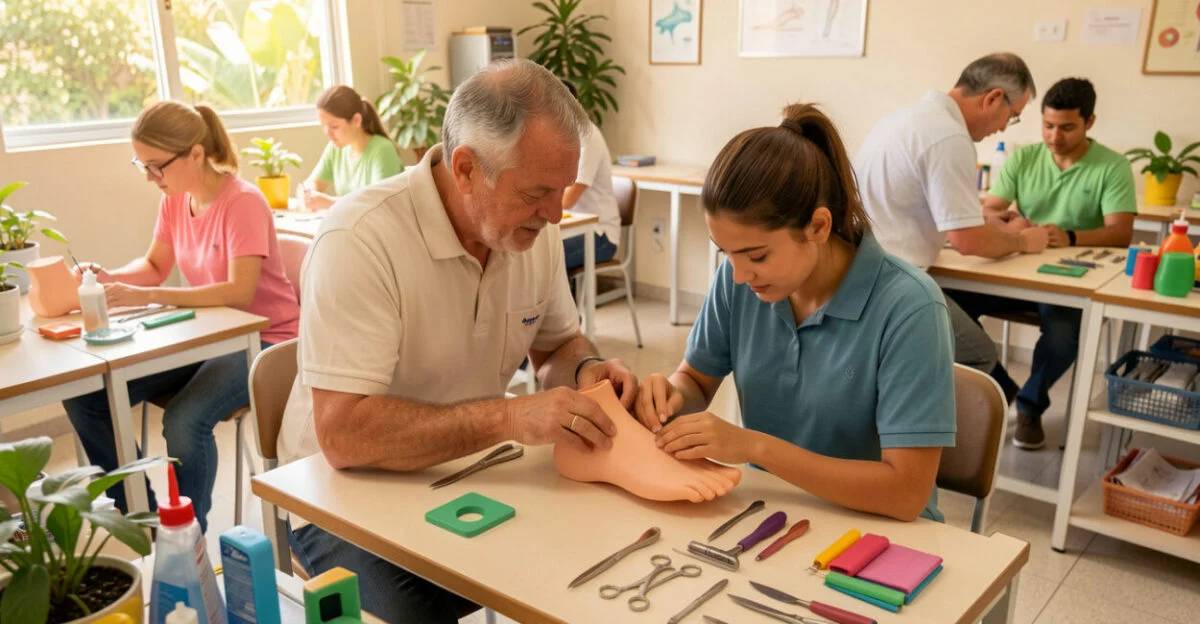
Is a podologist a doctor? Training and career paths
In Brazil, a podologist is not a physician. A doctor who treats foot and nail conditions may be a dermatologist when the concern involves the skin or nails, or an orthopedist when it involves the musculoskeletal system; the right choice depends on the symptoms. If you’re unsure or need urgent care, a healthcare facility can guide you to the appropriate provider.
If you’re considering a career in podology, research the training offered by educational institutions, including courses at Senac, a Brazilian vocational education network, and confirm the curriculum, hands-on training, certification, and current requirements directly with the institution. The Brazilian Classification of Occupations, maintained by the Ministry of Labor and Employment, is a reference for information about occupations, but it does not replace checking the requirements that apply to training and professional practice.
Podology and medicine involve different training and responsibilities. Understanding these limits can help both people seeking care and those choosing a career.
How to choose a podology provider
When searching for “foot care near me” or “foot care near me prices,” compare more than distance and cost. Ask what’s included, which procedures will be performed, and how instruments are cleaned. Prices can vary between providers; without knowing what each service includes, you can’t compare them by cost alone.
Check the professional’s stated training and see whether they explain the procedure before starting. A clear conversation that gives you the chance to ask questions and get understandable answers can help you tell whether your concerns are being taken seriously.
If the appointment reveals signs that fall outside nonsurgical care, the professional should recommend a medical evaluation. An evaluation by a healthcare professional is especially important if you have an open sore, discharge, or a persistent change. For general information about public health services and guidance in Brazil, visit the Ministry of Health.
Frequently asked questions
What ointment does a podologist use?
There isn’t one ointment that’s right for every concern. The choice depends on the cause and evaluation. If you have an open sore, discharge, or a possible infection, seek medical care instead of applying a product on your own.
Can I cut an ingrown toenail at home?
Avoid digging into the side or cutting the corners too short; this can injure the skin and make the discomfort worse. If you have persistent pain, inflammation, or discharge, seek medical care.
Does podology treatment hurt?
Discomfort varies depending on the area and the condition of the skin or nail. Tell the professional if you feel pain during the procedure so they can stop and assess whether it’s safe to continue.
Should I wear nail polish to a podology appointment?
If your concern involves a nail, leaving it unpolished may make it easier to examine the color and surface. If you already have polish on, mention it when scheduling and ask whether you need to remove it beforehand.
How often should I get podology care?
There’s no single schedule that works for everyone. How often you need care depends on your individual needs, the type of care, and factors such as friction, sensitivity, and health conditions.
What should I do if a podologist recommends seeing a doctor?
Follow the recommendation and schedule an evaluation with a healthcare professional. Be ready to explain when the problem started and what has changed. If your symptoms get worse before the appointment, seek care at a healthcare facility rather than waiting for your next podology appointment.
Artigos Relacionados
 Dietitian: What They Do, When to See One, and Their Role in Health
 Childhood and Learning: How They Shape Adult Life
 Microcomputers: What They Are, How They Began, and How They Changed Computing
 Fashion Designer: A Complete Guide to Building a Successful Career
 Gender Equity in the Professions: Challenges, Progress, and a Path Forward
 Career Choices and Psychology: How to Make Smart Decisions
