
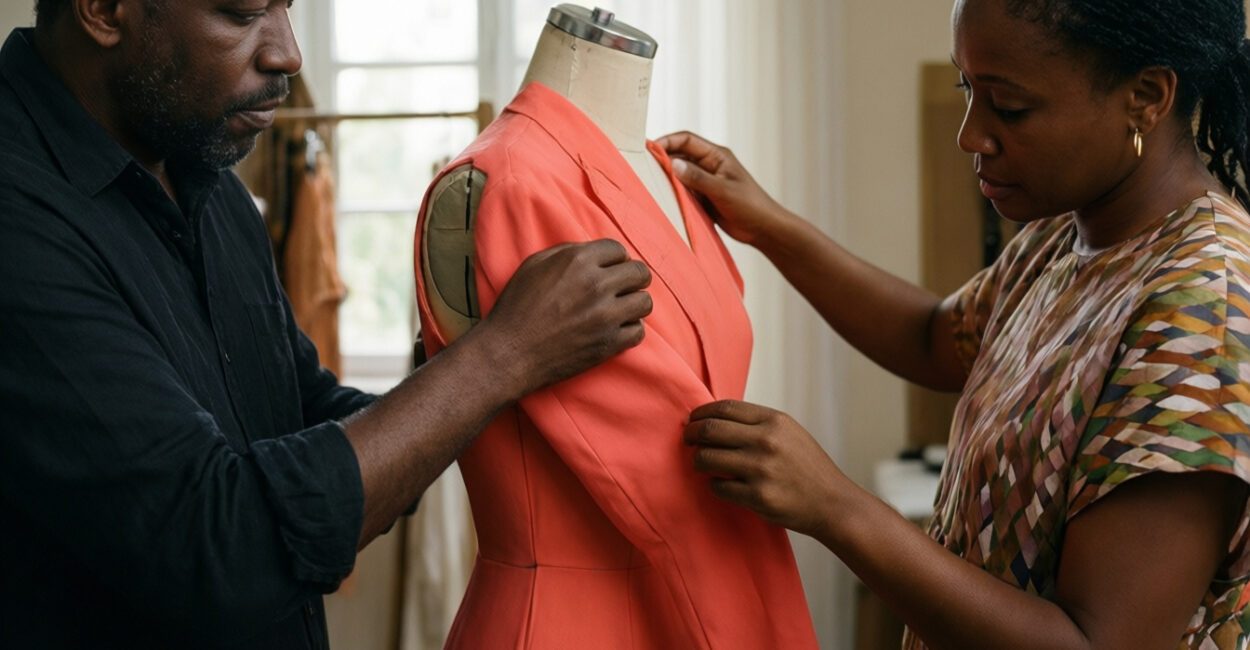
A collection can start with a striking sketch and stall when it comes to choosing fabric, developing the pattern, or calculating production costs. A fashion designer conceives and develops garments or collections, bringing together creativity, materials, customers, and feasibility. The profession combines research with technical decisions; the job title and its scope vary across companies.
Anyone looking into what a fashion designer does will find a job that ranges from researching references to overseeing prototypes and production. Drawing helps, but designers also need to communicate their choices to patternmakers, sewers, suppliers, and product teams.

Education and training can take different paths, and a portfolio often shows how someone thinks and solves problems.
Career snapshot
- Focus: Creating and developing clothing, accessories, or collections.
- Common stages: Research, concept development, materials, specifications, prototypes, and revisions.
- Useful knowledge: Fabrics, patternmaking, garment construction, and production.
- Where to work: Brands, clothing manufacturers, product development, costume design, or freelance work.
- Getting started: Education, hands-on experience, and a portfolio can complement one another; there is no single required path.
What a fashion designer does
A fashion designer conceives and develops garments or collections, bringing together visual language, materials, patternmaking, customers, costs, and production requirements. The title applies to people of any gender. In practical terms, this professional turns an aesthetic vision into pieces that can be worn and made. The work may begin with observing a target audience and researching references. From there, the designer defines a concept, selects colors and materials, sketches or specifies the pieces, oversees prototypes, and guides revisions. A tech pack records information such as measurements, fabrics, trims, and the instructions needed for production.
A sketch communicates an idea, but it does not guarantee that a garment will fit well or can be made at the expected cost. A common source of rework is changing measurements or materials after patternmaking and the tech pack are already underway.
Documenting these decisions and checking the sample before approving production helps prevent defects across a run.
Term Typical focus Example task Note Fashion designer Conceiving and developing garments or collections Defining a concept and reviewing a sample The scope depends on the company and project Fashion design professional Designing fashion products and solutions Developing a clothing line The term may be used interchangeably with fashion designer Stylist Putting together outfits and providing image consulting Selecting pieces for an editorial shoot Some roles include research and visual direction Sewer Making and assembling garments Sewing a garment to specifications May contribute adjustments and construction solutions
These distinctions are not universal: job titles and responsibilities vary by country, organization, and team size. Brazil’s Classification of Occupations (CBO), maintained by the Ministry of Labor and Employment, provides occupational descriptions, but its terminology does not necessarily cover every everyday use of the term “fashion designer.”
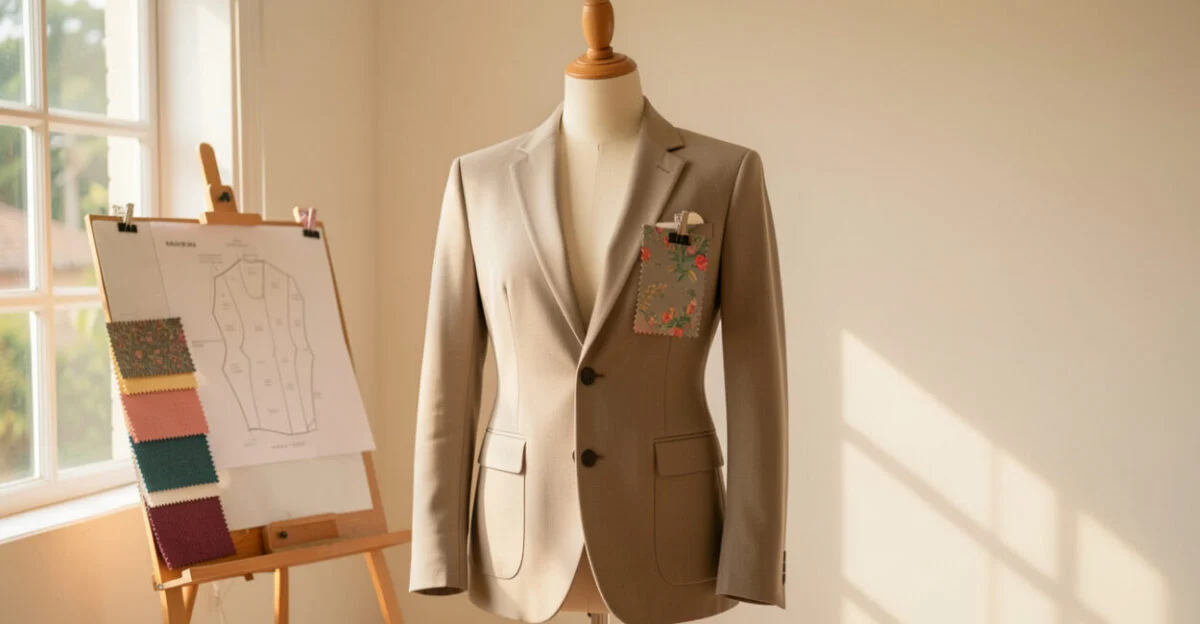
Skills that take a design from concept to finished garment
Useful technical skills include visual communication, knowledge of fabrics, an understanding of patternmaking and garment construction, trend research, and familiarity with the production process. The level required varies: someone focused on research may do less drawing than someone working in product development, but both need to explain their decisions clearly.
Collaboration, organization, and communication also matter. Fashion designers work with patternmakers, sewers, suppliers, and product or marketing teams; they do not need to handle every stage themselves.
A well-documented proposal makes these conversations easier and reduces misunderstandings when a design moves from sketch to sample.
A fashion idea comes together when its visual language, intended use, and production requirements all point in the same direction.
Before moving beyond the sketch, run this feasibility check. It is a practical assessment tool, not an official method:
- Have you defined the intended customer?
- Can you explain the aesthetic concept without relying solely on the sketch?
- Have you identified the materials needed, and are they available?
- Are the equipment, patternmaking, and processes needed to produce the garment available?
- Have you considered the cost in relation to the product and its target audience?
- Is there enough time to develop, fit, and revise the sample?
Imagine a jacket with a dramatic silhouette designed for everyday wear. If the fabric is too stiff, it may restrict movement; if the right material requires a process beyond the manufacturer’s capabilities, the design will need another solution. Comfort, appearance, and production must be assessed together.
Read also: Anesthesiologist: A Complete Guide to Building a Successful Career in Medicine
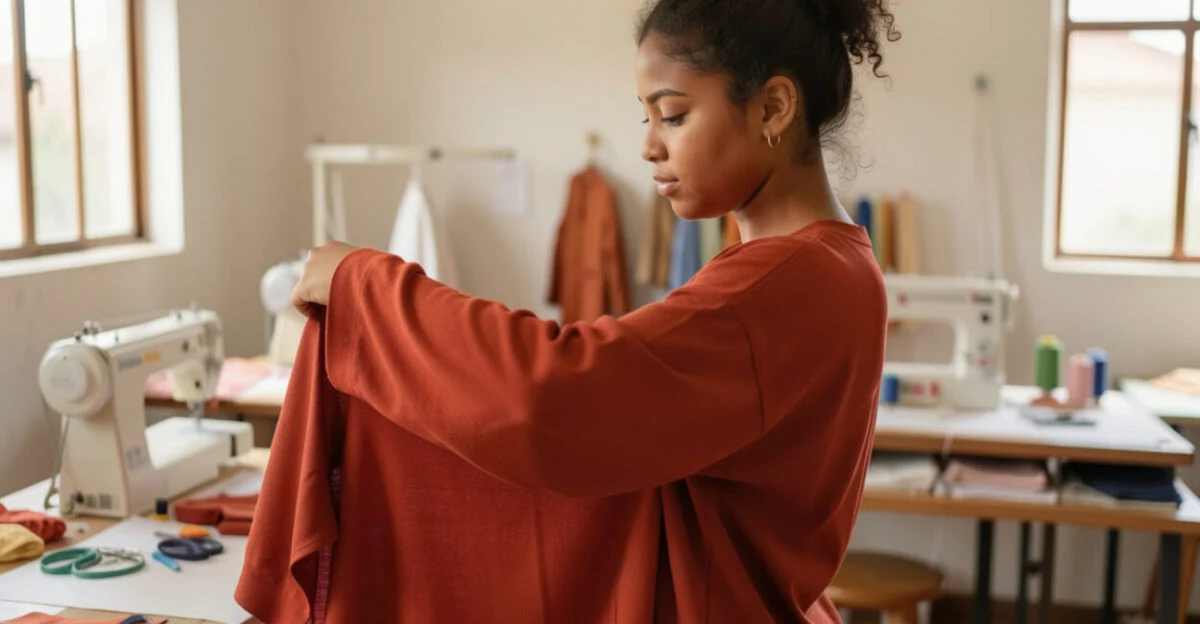
Education: what to study to get into the field

Fashion programs may cover design, drawing, patternmaking, materials, product development, and fashion history. Curricula vary by institution, so compare courses and hands-on projects with the type of work you want to do. Brazil’s Ministry of Education provides information on institutions and programs; check directly with the institution you are considering as well.
There is no single path that suits every role. Formal education can provide a foundation; standalone courses can build specific skills, and personal projects help you apply what you have learned. Examining finished garments is educational, too: look at the seams, linings, closures, fit, and how the fabric moves.
Read also: Sociologist: A Complete Guide to the Profession and Building Your Career
A degree, course, or talent alone does not guarantee a job. Hands-on experience shows whether someone can work within real-world constraints, such as deadlines, raw material availability, and cost limits. If you are interested in nearby technical fields, learning about roles like systems analyst can help you compare routines and skills, although it is a different career.
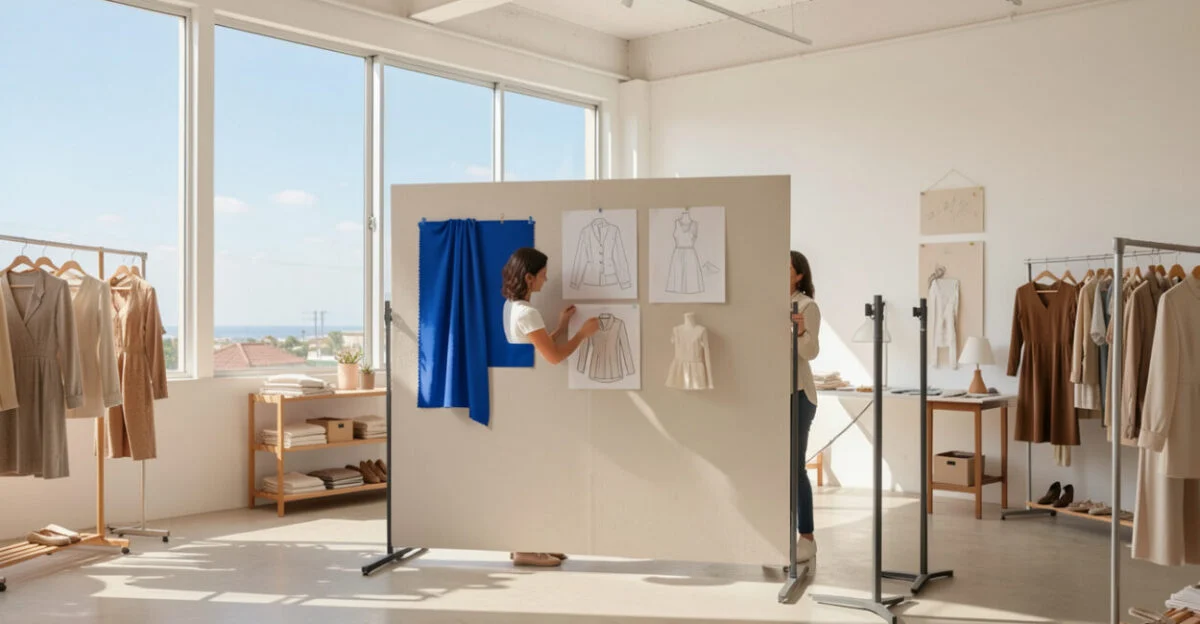
Portfolio and first opportunities in fashion
A professional portfolio should show the thinking behind each project, not just polished images. Choose work that relates to the job or client, and make your contribution at each stage clear. For group projects, identify each participant’s responsibilities.
A mini collection of your own can present a concept, target audience, references, sketches, materials, and prototypes, if available. If budget or equipment limited production, explaining the choices you made and what you would change in a future version also demonstrates analytical skills.
- Defined concept and target audience.
- Relevant research and references.
- Garment sketches or specifications.
- Materials and prototype, if available.
- Project outcome, revisions, and lessons learned.
- Individual contributions and collaboration clearly identified.
First opportunities may come through internships, assistant roles, small brands, clothing manufacturers, or costume design projects. An application is stronger when the portfolio addresses the tasks listed in the job posting. Sending the same set of work for every position may hide the experience most relevant to that role.
Career paths and the realities of the job market
The field includes apparel brands, product development, clothing manufacturing, costume design, consulting, and freelance work. At one company, the routine may involve research, materials selection, and reviewing samples; at another, it may focus on sketches and specifications. Creating your own collection is just one option.
You also do not need to be publicly visible to work in the profession. Many professionals work behind the scenes, coordinating decisions across design, patternmaking, production, and retail. Brazil’s Ministry of Labor and Employment provides information about the CBO, but a job posting’s title may not correspond exactly to the formal scope of an occupation.
To broaden your perspective, research the careers and design languages of well-known Brazilian fashion designers, such as Zuzu Angel and Alexandre Herchcovitch, without treating famous names as mandatory career models. Compare their aesthetic choices, materials, and contexts; references are useful for what they help you notice, not as signatures to copy.
How much do fashion designers earn?
There is no single figure that represents the earnings of everyone working in Fashion Design or as a fashion designer. Pay depends on employment type, location, experience, industry, and job responsibilities; a salaried position cannot be directly compared with a one-off project or income from an independent brand.
- Employee salary: Compensation tied to an employment relationship; check the job title, location, hours, and date of the data.
- Project-based pay: An amount tied to agreed deliverables and terms; confirm what is included and how many revisions are allowed.
- Business income: Revenue from commercial activity, affected by costs and sales; it is not equivalent to an employee’s salary.
When searching for “fashion designer salary,” look for a source that identifies the occupation, time period, location, and methodology. Data for similar-sounding job titles can offer a useful reference, but should not be presented as a fashion designer’s salary without clarifying the distinction. The CBO describes occupations; it does not, by itself, set a universal salary.
How to get started with confidence
First, choose the type of work you want to explore: collection design, product development, costume design, or another area. Then study the fundamentals required for that role and complete a documented project. A specific goal, such as creating a mini collection with a prototype or tech pack, gives you work to evaluate and present.
Next, tailor your portfolio to a specific job or client, ask professionals for feedback, and look for opportunities that fit your current skills. Research programs by their content and job openings by their listed responsibilities, not just by the title “fashion designer.”
Before presenting a collection, check that you have defined the audience, clarified the concept, identified the materials, confirmed production is possible, considered costs, and set a realistic timeline. If anything is still unresolved, document what needs to be tested before promising a finished garment.
Frequently asked questions
How do you become a fashion designer?
Study the fundamentals of the area you want to pursue, practice through personal projects, and document your decisions in a portfolio. Formal education, standalone courses, and hands-on experience can complement one another; none guarantees a job on its own.
What is the difference between a fashion designer and a fashion design professional?
The terms often overlap and may refer to similar roles. Usage depends on the company, country, and job scope, so the description of the responsibilities is more informative than the title alone.
What is the difference between a fashion designer and a stylist?
A fashion designer typically creates or develops products and collections. A stylist usually puts together outfits or provides image consulting, though the distinction can vary by project.
How much do fashion designers earn?
Pay varies by employment type, location, experience, and role. When comparing figures, check the occupation, date, location, and source methodology; salary, project-based pay, and business income are different measures.
Who is the youngest fashion designer in the world?
There is no reliable answer without defining what counts as a “fashion designer,” which region is being considered, and when the comparison was made. Without a reliable source and verifiable criteria, rankings like this can be misleading.
What does “craft fashion designer” mean?
The phrase is ambiguous and does not, by itself, refer to an established occupation. It may mean craft work or a creative activity related to fashion; the search context can help clarify the intended meaning.
Artigos Relacionados
 Software Engineer: A Complete Guide to Building a Successful Career
 Successful YouTuber: A Complete Guide to Building Your Career on the Platform
 Digital Influencer: The Complete Guide to Building a Successful Online Career
 Investment Advisor: A Complete Guide to Building a Successful Career
 Data Scientist: A Complete Guide to Building a Successful Career
 Professional Gamer: A Complete Guide to Building a Successful Career
