
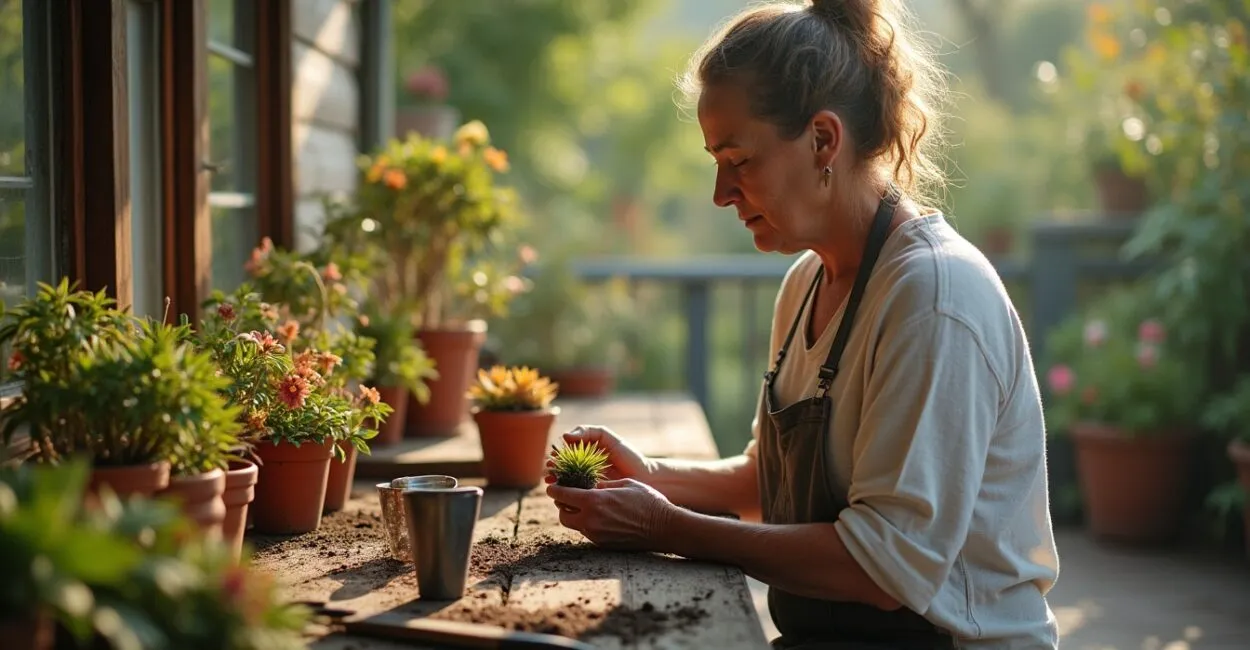
Hi, I’m Maria. I’m 49 and a specialist in ornamental plants. I’ve grown Bromeliads in my grandmother’s backyard since childhood, where I learned to recognize watering and soil habits that became the foundation of my current method.
I define Bromeliads as a diverse family of tropical plants that can collect water in their rosettes. They vary widely in size, color, and care requirements, and their hardiness and striking foliage make them essential additions to landscapes and private collections.

Key Takeaways
- Adaptability: Bromeliads are versatile and tolerate both indoor and outdoor environments.
- Care: Watering, light, and potting mix are key to growing success.
- Propagation: Offsets and division are quick, practical methods.
Introduction to Bromeliads: Origins and Characteristics
The History and Taxonomy of Bromeliads
I remember watching my grandfather separate plantlets on the porch when I was ten. That’s when I learned about the history of Bromeliads, their botanical family, and their adaptations to tropical and subtropical regions, reflected in their rosette-shaped leaves. Bromeliad taxonomy includes epiphytic, terrestrial, and saxicolous species. I often explain to students how these categories affect growing practices and the choice of potting mix based on local light and humidity.
When teaching students and clients, I use examples from my collections to illustrate morphological differences, from Tillandsia to Vriesea. Knowing the species makes diagnosis and corrective care easier.
Bromeliad Adaptability and Landscape Uses
In my experience, Bromeliads work well in both vertical gardens and container arrangements. I quickly learned that choosing the right species for each microenvironment makes a difference in longevity and visual appeal for the property owner. I’ve designed urban garden beds where Bromeliads reduced irrigation needs and required little maintenance. I always emphasize this in consultations with city governments and schools when we discuss sustainable landscaping.
When advising clients, I show them how to combine textures and colors with other ornamental plants, emphasizing that Bromeliads’ hardiness makes them a visually appealing choice for projects that require few inputs.
Identifying Bromeliad Species on the Market
As a professional plant identifier, I’ve learned to recognize key features: rosette shape, leaf sheaths, inflorescence, and root type. I teach these techniques in courses so collectors don’t buy unsuitable species. I often assess plants clients bring in and advise them on provenance, asking for photos of the base and inflorescence. This helps prevent common care mistakes that can harm newly acquired Bromeliads.
I use reliable guides and databases to verify scientific names, and recommend checking sources such as universities and botanical gardens to confirm an identification before making multiple changes to a plant’s care routine.
Watering, Potting Mix, and Nutrition for Bromeliads
Proper Watering to Keep Bromeliads Healthy
Over time, I’ve learned that watering Bromeliads isn’t intuitive. I always check the pot’s weight, the condition of the leaves, and the water in the rosette to decide how often to water. This helps me avoid waterlogged soil, which can cause rot and plant loss. I water less during rainy seasons and refill the rosettes more often during dry summers. This approach has helped me keep rare specimens thriving for years in urban settings without harsh fungicides.
I advise plant owners to use good-quality water with minimal chlorine. Simple techniques, such as letting water sit or filtering it, can reduce stress on sensitive Bromeliads and improve flowering.
Choosing the Right Potting Mix for Bromeliads
My method favors airy, well-draining potting mixes. A blend of pine bark, coir, and perlite is a staple in my mixes, providing root aeration and moisture control for potted Bromeliads. When repotting, I always inspect the roots and choose a mix that won’t compact. This prevents rot and helps offsets establish successfully after being separated from the parent plant.
For indoor settings, I adjust the mix to retain a little more moisture without sacrificing aeration. This balanced approach encourages healthy growth and helps Bromeliads withstand changing conditions.
Fertilizing and Feeding Bromeliads
I follow a split-dose fertilizing schedule, applying diluted, balanced fertilizer directly to the rosettes or to the potting mix. This prevents fertilizer burn and provides a steady supply of nutrients to Bromeliads during vegetative growth and flowering. I’ve tried different formulas and found that light foliar fertilizers, applied periodically, improve color and vigor without causing excessive growth or making plants more susceptible to pests.
I always recommend testing on a few plants before treating an entire collection, since responses vary by genus and species. I adjust the dosage based on what I observe in my own plants.
Bromeliad Propagation, Pests, and Integrated Pest Management

Propagating Bromeliads: Offsets and Techniques I Use
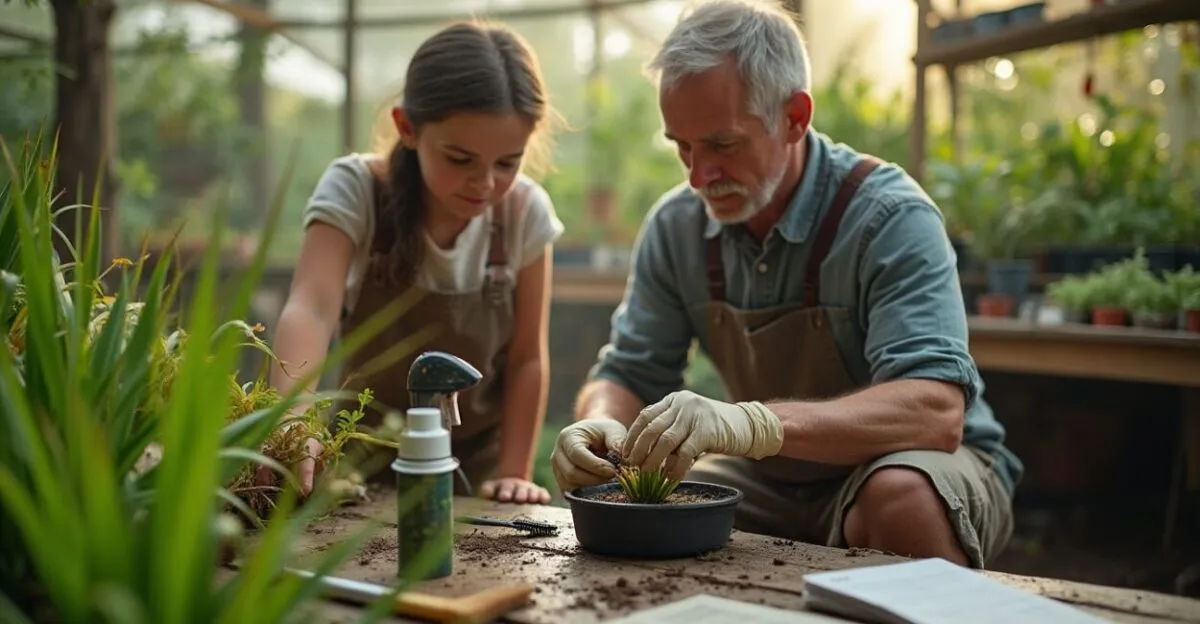
My preferred method is dividing clumps and using side shoots. When I taught my niece, I showed her how to separate sturdy offsets, treat the cuts, and replant them in an airy potting mix to help them establish quickly. I also root plants in moist potting mix in partial shade to prevent stress. These methods have improved my success rates and allowed me to share plants with schools and community projects.
Read also: How to Grow Strawberries: Climate, Seedlings, and Essential Care
I documented the steps in care sheets for clients, including how long to let cuttings dry and how to care for plants after planting. This reduced losses and helped produce consistent results with Bromeliads grown in different climates.
Controlling Pests and Diseases in Bromeliads
I make prevention a priority, regularly checking for mealybugs, aphids, and fungi, applying biological treatments, and adjusting the microclimate. This routine protects my Bromeliads without relying on harsh pesticides. When mealybugs broke out in one collection, I combined manual removal with horticultural oil and beneficial insects. I recommend this approach because it’s effective and has a low environmental impact.
Read also: Plant Diseases: How to Identify Them and Prevent Damage
Photos and notes documenting each treatment help me assess its effectiveness and track recovery time. This lets me improve my protocols for future problems and protect sensitive specimens over the long term.
Comparison Tables of Bromeliad Species and Uses
To make decisions easier, I created comparison tables featuring key characteristics such as mature size, light requirements, and temperature tolerance. These tables help professionals and hobbyists choose the right Bromeliads.
| Species | Size | Light | Use |
|---|---|---|---|
| Vriesea | Medium | Partial shade | Containers and indoors |
| Guzmania | Small | Shade | Arrangements |
| Billbergia | Small | Partial sun | Landscaping |
This table reflects years of hands-on observation and research using technical sources. It’s a helpful starting point for anyone looking to incorporate Bromeliads into a project safely and successfully.
Advanced Resources and References for Studying Bromeliads
I recommend consulting research from universities and botanical gardens to learn more. Websites such as Jardim Botânico (Brazil’s botanical garden) and academic publications complement my hands-on knowledge. I also suggest reading reviews and technical guides on ecology and cultivation, and visiting public collections to observe plants firsthand. These practices have deepened my understanding of the variations and needs of Bromeliads.
In consultations, I often refer to institutional websites such as Embrapa, Brazil’s agricultural research corporation, to ensure my recommendations are technically sound and up to date.

Practical Lists, Maintenance, and Schedules for Bromeliads
Regular Bromeliad Care Checklist
- Inspect leaves and rosettes weekly
- Water based on pot weight and season
- Remove dead leaves and clean plants
I follow this checklist for every collection I manage. A simple routine prevents problems from building up and allows me to act quickly, protecting Bromeliads from gradual decline.
Annual Bromeliad Care Schedule
- Spring: light fertilizing and division
- Summer: water more and monitor for pests
- Fall/winter: reduce watering and protect plants
I create custom schedules for clients based on their local microclimates. Adjusting the calendar to each species’ needs promotes consistent flowering and helps Bromeliads survive longer.
Recommended Tools and Supplies for Bromeliads
- Sterilized pruning shears
- Airy potting mixes and diluted fertilizers
- Good-quality water and soil thermometers
Investing in the right tools reduces physical damage and contamination. I always explain that quality supplies make plant care easier for professionals and hobbyists alike, contributing to the overall health of Bromeliads.
Conclusion and Call to Action for Bromeliad Growers
Best Practices for Bromeliads: A Summary
Here’s the approach I follow: learn about the species, choose the right potting mix, manage watering, and monitor for pests. These basic rules changed my relationship with Bromeliads, turning a childhood hobby into a successful professional practice. I share my successes and mistakes with clients so they can learn faster. Hands-on experience is more valuable than generic manuals, and I always encourage careful experimentation to improve growing techniques.
If you start small and observe your plants daily, you’ll see progress. My experience with Bromeliads shows that patience and technical knowledge can lead to vibrant, long-lasting collections.
Bromeliad Consultations and Courses
I offer in-person consultations and courses where I teach my methods step by step. Many students report rapid improvements in plant quality after applying the practices I’ve used with my own Bromeliads for decades. When you sign up for my mentorship, you’ll receive a personalized plan and hands-on support, including an initial assessment and care recommendations tailored to your environment and species.
Get in touch to schedule a session. I enjoy following up on results and adjusting methods as things progress, because every Bromeliad collection presents unique challenges that I’m happy to help solve.
References and Recommended Reading on Bromeliads
To learn more, I recommend academic guides and specialized websites. Consulting reliable sources complements hands-on experience and supports informed decisions about growing and conserving Bromeliads. In addition to the links already mentioned, I suggest looking for articles from universities and botanical websites for detailed information on species and integrated pest management, so you can follow safe, up-to-date practices.
Combining technical reading with hands-on observation of your plants is the best way to internalize effective methods and adapt recommendations to your particular growing conditions.
Frequently Asked Questions
How Can I Tell When My Bromeliads Need Water?
To know when to water your Bromeliads, I weigh the pot and check the leaves and rosette. If the pot feels light and the rosette is dry, I water moderately. I water less often in humid climates and more often in dry ones. I avoid waterlogged potting mix and never let water sit for too long, since this can lead to rot. In my experience, checking the pot’s weight is a simple, effective way to prevent overwatering.
What Potting Mix Is Best for Different Types of Bromeliads?
I use airy potting mixes for most Bromeliads. A blend of pine bark, coir, and perlite works well. For epiphytes, I prefer mounting them on boards or using a mix that retains less moisture. For terrestrial species, I add organic matter. I adjust the mix to the species and microclimate, testing it on a few plants before using it for the whole collection. Plants respond differently depending on their genus and local conditions, so this cautious approach helps prevent unnecessary losses.
When and How Should I Fertilize Bromeliads Without Harming Them?
I apply diluted fertilizer in split doses during spring and summer, either to the rosette or to the potting mix. I avoid high concentrations that can burn roots and leaves. Balanced NPK products with micronutrients can improve flowering. I always test on a few plants before treating an entire collection and monitor their response. Experience and keeping records have taught me that moderation is key to keeping Bromeliads vigorous without damaging them.
How Can I Treat Common Bromeliad Pests Without Using Harsh Pesticides?
I prefer integrated pest management: regular inspections, manual pest removal, horticultural oil, and biological control when possible. For mealybugs, I apply oil and introduce natural predators. For fungi, I adjust airflow and humidity. I avoid harsh chemical pesticides because they can harm beneficial microbial communities. This approach reduces environmental impact and protects Bromeliads while being safer for homes and educational settings.
What’s the Easiest Way to Propagate Bromeliads?
Dividing clumps and using side shoots are the methods I’ve had the most success with. I separate offsets once they’re large enough, let the cuts callus, then replant them in an airy potting mix in partial shade until they establish. Rooting in moist potting mix also works for some species. Documenting each step and tracking how well the offsets take root has helped me improve my success rates and teach safe techniques to new Bromeliad growers.
Artigos Relacionados
 Scuba Diving Instructor and Their Responsibilities
 Teaching Literacy to Children With Special Needs
 Orthopedist: A Complete Guide to the Specialty and Orthopedic Care
 Foot care specialists: what they do and when to see one
 Healthcare Professions: Their Evolution and Impact on Modern Society
 Dietitian: What They Do, When to See One, and Their Role in Health
