

Student motivation is the internal and external drive that moves students to start, continue, and complete academic tasks. It brings together personal goals, emotions, and the school environment to support consistent learning.
Today, student motivation faces challenges such as digital distractions, less engaging teaching methods, and socioeconomic differences. Addressing them requires evidence-based strategies to restore engagement and a sense of purpose.

Key Takeaways
- Understand the internal and external factors that drive student motivation.
- Use routines, goals, and feedback as cornerstones of engagement.
- Use formative assessment and technology to personalize support.
Getting Started: Understanding Student Motivation
The Spark: What Is Student Motivation?
In an empty classroom before the first bell, it becomes clear that student motivation is the spark that turns desire into action, aligning personal values with academic goals and turning intention into habit. This drive can be intrinsic, arising from curiosity, or extrinsic, fueled by rewards, grades, and recognition. Both play a role in a learner’s journey.
As a specialist, I’ve found that supporting student motivation requires an accurate assessment, meaningful interventions, and ongoing adjustments so that the initial spark becomes a productive routine.
The Reluctant Hero: Barriers to Student Motivation
Many students become reluctant heroes in the face of digital distractions, anxiety, and uninspiring environments. This can create a cycle in which declining student motivation lowers achievement and self-confidence. These barriers are compounded by teaching practices that prioritize memorization over meaning, weakening the connection between learners and what they study.
Overcoming these obstacles takes interventions that combine empathy, a redesigned study experience, and practical tools to rebuild commitment.
Mentors and Maps: An Initial Assessment
A mentor acts as a guide, mapping a student’s engagement, preferences, and cognitive gaps to identify the best ways to restore motivation. Tools such as interest inventories, formative assessments, and brief interviews help create a personalized plan that takes the student’s social and emotional context into account.
This initial assessment creates a roadmap for interventions, prioritizing achievable goals, positive reinforcement, and adjustments to the learning environment.
The Challenge: Obstacles and Practical Strategies
Setting Goals: SMART Goals and Student Motivation
SMART goals turn abstract ambitions into measurable steps. When student motivation is aligned with specific objectives, it becomes tangible and easier to track, supporting steady progress. Short, incremental goals prevent frustration and allow for frequent encouragement, strengthening students’ sense of themselves as capable learners.
This practice fuels a positive cycle in which small successes raise expectations of success and reinforce healthy study habits.
Routines and Rituals: Building Strong Habits
Routines provide an emotional foundation. Consistent schedules and rituals strengthen student motivation by reducing the need to make decisions and making behaviors automatic, leaving more mental energy for learning. Pre-study rituals, such as a quick review and an organized workspace, signal that it’s time to focus and help students prepare for challenging tasks.
Teachers and families can work together to establish rituals that support consistency and reduce emotional fluctuations that can undermine engagement.
Effective Feedback: Reinforcement and Autonomy
Clear, timely, constructive feedback acts as fuel, reinforcing progress and helping students get back on track when motivation wanes due to a lack of direction. Combining corrective feedback with recognition of effort builds a stronger sense of competence and autonomy, both central to self-directed motivation.
Quick feedback cycles in the classroom and on digital platforms allow for timely adjustments and help students stay engaged in learning.

Resources and Technology That Help Students Focus

Adaptive Platforms and Student Motivation
Adaptive platforms personalize the learning path and respond to each student’s pace, helping restore motivation through appropriately challenging tasks and immediate reinforcement. Data-driven solutions identify gaps and suggest learning paths, using gamification to make progress feel engaging and rewarding.
Integrating technology with education can boost engagement, but human guidance is essential to keep learning meaningful and in-depth.
Time Management Tools
Pomodoro apps, calendars, and focus blocks help establish periods of concentration and maintain student motivation, countering the distractions caused by multitasking. These tools take some of the burden of planning off students, freeing up mental resources for learning.
Paired with clear goals, they make progress visible and help sustain engagement over time.
External Support Resources
Educational organizations and online portals offer materials and guidance that expand the range of available strategies, supporting student motivation with reliable, well-organized resources. Brazil’s Ministry of Education and universities publish guides and studies that explain effective practices and provide evidence for school-based interventions.
Consulting authoritative sources helps mentors develop support programs aligned with public policies and recent research, creating a coherent approach to education.
Comparing Tools and Assessing Results
Engagement Metrics and Student Motivation
Metrics such as completion rates, active participation, and study time offer quantitative signals of student motivation and can inform teaching interventions. Combining automated metrics with qualitative observations gives a more accurate picture of students’ engagement and helps avoid misinterpretations.
These measurements should guide curricular and strategic adjustments, with equity and sustainable progress as priorities.
Comparing Formats: In-Person vs. Hybrid
The table below compares each format’s impact on engagement, flexibility, and required resources, helping institutions make decisions that affect student motivation.
| Aspect | In-Person | Hybrid |
|---|---|---|
| Engagement | More immediate interaction | Flexible, variable |
| Flexibility | Limited | High |
| Resources | Physical facilities | Digital platforms + in-person instruction |
Measurement Tools
Tools such as self-efficacy questionnaires, structured observations, and LMS systems help quantify student motivation and organize data for targeted action. These tools make it possible to compare results over time and across classes, identifying patterns that point to success or a need for intervention.
Leia também: Playful Assessment: How to Measure Learning in a Fun Way
It’s important to interpret data in light of the social and emotional context to avoid oversimplifying decisions about teaching.
Practical Solutions: Reinforcement Systems and Community
Positive Reinforcement and School Culture
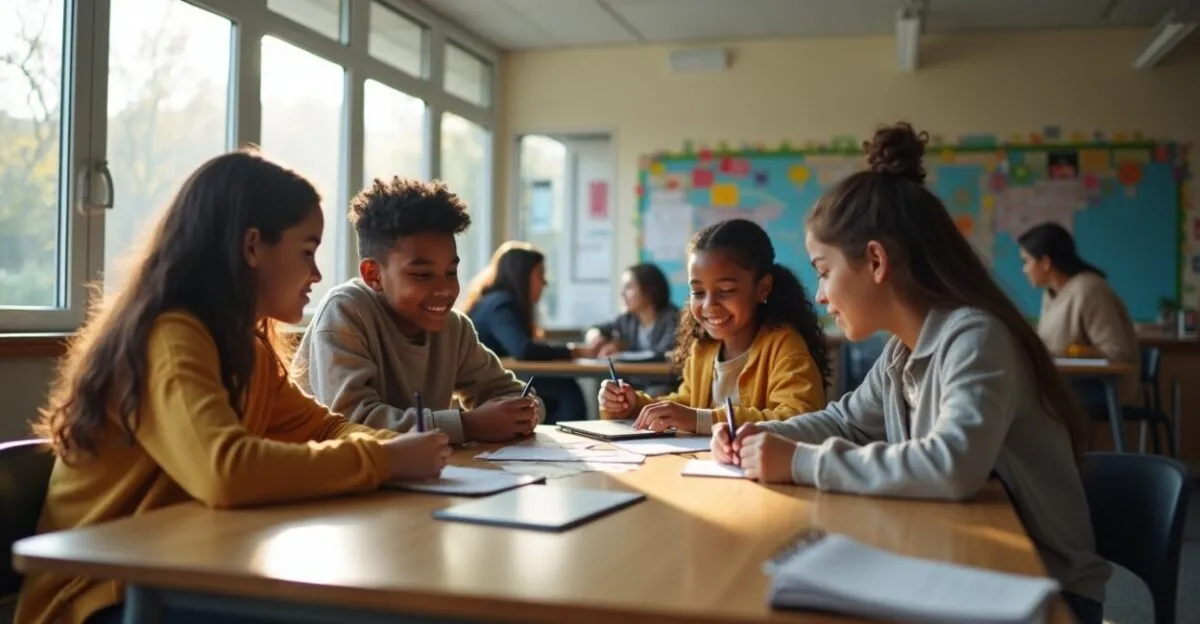
Building a culture of recognition turns small wins into a source of shared motivation, boosting student motivation by valuing individual effort and collective progress. Practices such as achievement boards, celebrations, and public feedback can build a sense of belonging and encourage ongoing participation when they’re genuine.
Leia também: School Health and Physical Activity: Policies and Programs
It’s essential for this reinforcement to be equitable and based on clear criteria to prevent bias and maintain credibility.
Peer Learning and Tutoring
Peer tutoring and study programs create support networks that sustain student motivation by encouraging shared responsibility and providing relatable role models. They offer immediate feedback, social reinforcement, and leadership opportunities for students who serve as mentors.
Providing basic training for tutors ensures instructional quality and maximizes the impact on academic engagement.
Family and Home as Allies
Family support and a structured home environment reinforce routines and expectations, providing an external foundation for student motivation. Communicating with families, offering practical guidance, and involving caregivers in planning helps create consistency between school and home.
This partnership reduces misunderstandings and increases emotional stability, both of which are crucial for maintaining focus at school.
Making a Difference: Case Studies, Data, and Policies
Case Studies That Inspire Student Motivation
Stories from schools that have transformed their learning environments show that clear, sustained interventions can boost student motivation, reduce dropouts, and improve academic performance. Case studies of schools with mentoring programs, curriculum redesign, and strategic use of technology show gains in engagement and student self-esteem.
These cases can serve as models for other schools, as long as they’re adapted to local conditions and evaluated continuously.
Public Policies and Incentives
Policies that prioritize teacher training and resources for early intervention can boost student motivation on a broad scale by addressing the structural causes of disengagement. Government initiatives, such as social and educational support programs, connect research with practice and increase their impact across school systems.
Investment in training and infrastructure is essential for local strategies to succeed and deliver sustainable results.
Measuring Impact: Evidence and Indicators
Combining indicators such as attendance, academic performance, and student perspectives provides a robust picture of changes in student motivation and helps guide policy and investment. Tracking outcomes across student subgroups can reveal inequities and direct resources to those who need them most, advancing educational equity.
Regular reports and transparent data strengthen accountability and help refine implemented strategies.
Moving Forward: Building on Progress and Taking the Next Steps
Scaling Effective Practices
Scaling successful interventions requires clear documentation, ongoing training, and iterative evaluation so student motivation becomes part of the school’s culture. A balance of technical rigor and sensitivity to local needs is essential, with methods and materials adapted to each class and community.
Scaling efforts should prioritize sustainability and capacity-building, not just mechanical replication.
Ongoing Professional Development
Investing in teacher development is key to sustaining student motivation over the long term, equipping educators to use evidence-based strategies in their daily work. Courses, professional learning communities, and instructional coaching support ongoing learning and critical reflection on results and challenges.
Empowered teachers shape classroom cultures that nurture students’ curiosity, autonomy, and perseverance.
An Action Plan for Schools
A practical action plan brings together assessment, SMART goals, routines, feedback, and ongoing monitoring in a systematic cycle that supports student motivation. Starting with small pilots, measuring results, and making adjustments before expanding reduces risk and makes it easier for the whole school community to get on board.
With institutional commitment, this plan turns intentions into sustainable practice and empowers students to pursue meaningful learning.
Additional Resources and References
Recommended Reading
Books and articles on educational psychology inform practical approaches to student motivation, offering theory and implementation guidance for educators and administrators. Classic studies and meta-analyses help identify interventions with the best chance of success in different school settings.
Consulting specialized research helps ground decisions in evidence and avoid unproven fads.
Authoritative Sources
For national policies and data, visit Brazil’s Ministry of Education (MEC), which provides official guidelines and materials on its website: MEC – Portal. Academic research and professional development courses are available through university repositories and recognized institutions such as: FGV.
These resources help connect school practices with research and public policy, strengthening the effectiveness of interventions.
Practical Checklist
- Conduct an initial assessment and identify priorities.
- Set SMART goals and establish study routines.
- Provide frequent feedback and measure the impact.
This checklist summarizes immediate steps and provides a starting point for implementation, helping teachers, administrators, and families coordinate their efforts.
Frequently Asked Questions
How Can I Measure Student Motivation in My Class?
Effective measurement combines objective data on attendance and grades with self-assessments and qualitative observations. Self-efficacy questionnaires, activity participation records, and digital platform reports provide a multifaceted view, helping you connect behavior with students’ perceptions and target interventions. Using these indicators together helps identify students at risk and assess whether current strategies are working, supporting evidence-based adjustments and ongoing school improvement.
What Routines Help Students Stay Focused at School?
Effective routines include predictable schedules, pre-study rituals (such as a five-minute review), focus blocks, and planned breaks. Structuring time reduces decision fatigue and builds consistency, while combining daily goals with small rewards makes progress more tangible. Involving families in maintaining a supportive environment and using tools such as the Pomodoro Technique or shared calendars can strengthen discipline and create systems of support that sustain student motivation every day.
How Can I Involve Families Without Invading Their Privacy?
Transparent communication, invitations to school events, and practical suggestions for supporting routines at home can encourage family involvement while respecting privacy. Brief guidance, accessible contact channels, and concise progress updates make collaboration possible without overwhelming families. Keeping communication two-way and sensitive to socioeconomic circumstances builds trust and creates a partnership that supports student motivation and aligns expectations at school and home.
What Role Does Technology Play in Student Motivation?
Technology can boost engagement through personalization, immediate feedback, and interactive resources, but it should be guided by clear instructional goals. Adaptive platforms and time management tools help tailor learning paths, while gamified solutions make progress visible and rewarding. The challenge is to prevent distractions and ensure that technology complements strong teaching practices, keeping the focus on meaningful content and student autonomy.
How Can I Adapt Strategies for Students With Low Self-Confidence?
For students with low self-confidence, starting with very small goals, consistent positive reinforcement, and peer tutoring can create successful experiences that rebuild their sense of competence. Specific feedback on strategies and progress—not just outcomes—helps develop resilience. Social and emotional learning sessions and gradual leadership opportunities create a safe environment for trial and error, sustaining student motivation and supporting continued growth.
Artigos Relacionados
 School Health: How Schools Promote Student Well-Being
 Family Engagement in Schools: Effective Strategies
 Basic Math: Strategies for Learning in Elementary School
 Gamification: Strategies to Engage Students and Teach More Effectively
 Interactive Whiteboards: Strategies to Engage Students
 Effective School Management: Practices for Students and Staff
