
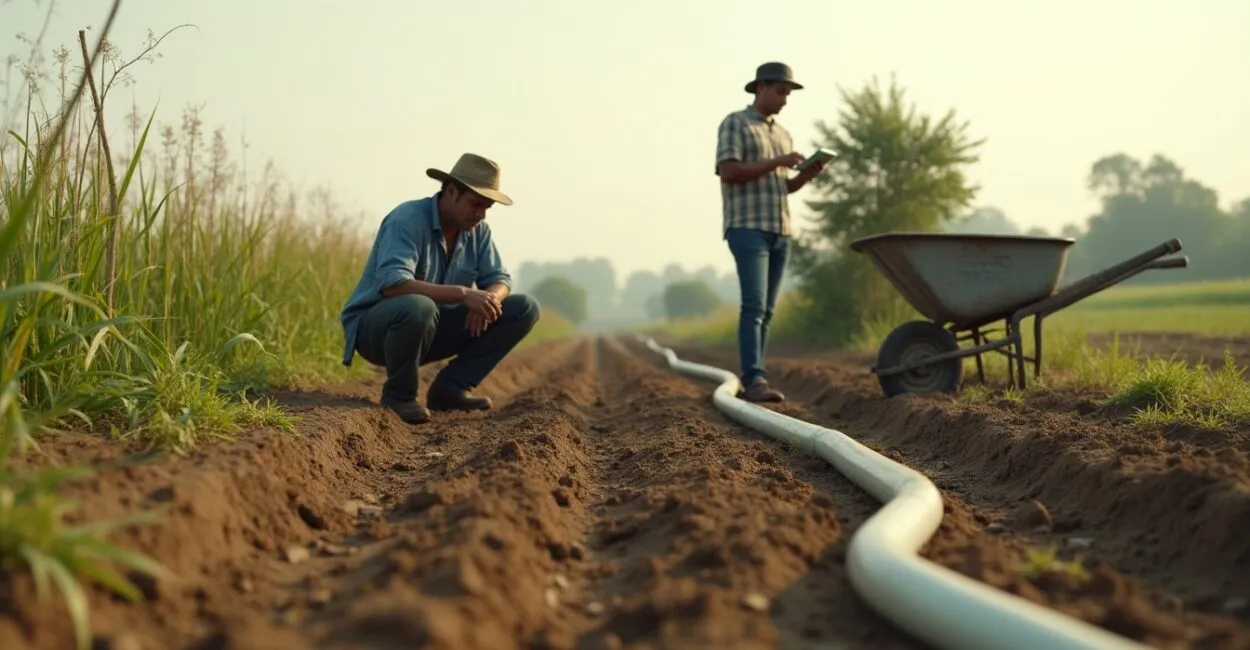
Have you ever felt uneasy seeing a beautiful farm while suspecting something wasn’t quite right? It’s not just an impression: practices that promise to “save” the soil, water, and income often deliver less than they should.
I’ll show you, without sugarcoating it, why 9 key rural sustainability practices can fail—and, more importantly, what you can do to make them effective again. Here you’ll find a straightforward diagnosis and practical solutions, without empty rhetoric. Get ready for a hands-on guide to soil management, agroforestry, water conservation, organic certification, the circular economy, and other practices you may be putting too much faith in. Read on and decide what to fix first.

Rural Sustainability: 9 Practices That Can Fail
Where Rural Sustainability Often Stumbles—and Why
Think about it: many projects start with good intentions but fail because of poor assessment, lack of funding, or insufficient follow-up. Here’s the key: technical expertise without context becomes a cost, not a solution.
- Expectations vs. operational realities
- Lack of soil and climate data
- No market for sustainable products
These issues show that the problem isn’t the practices themselves, but how they’re applied. Without measuring, adjusting, and funding them, even the best technique can fall flat on the farm.
Living Soil: When Management Does More Harm Than Good
Think adding fertilizer will solve everything? Not always. Poor management compacts the soil, reduces biodiversity, and creates dependence on inputs.
- Common mistakes: repeated deep plowing, unnecessary liming, and no crop rotation
- What to avoid: thinking only about the short term and copying advice from another region
Getting things back on track requires soil testing, no-till practices, and year-round ground cover. Test regularly and use methods such as no-till farming to restore soil structure and organic matter.
Agroforestry That Fails to Become a Forest: Problems and Solutions

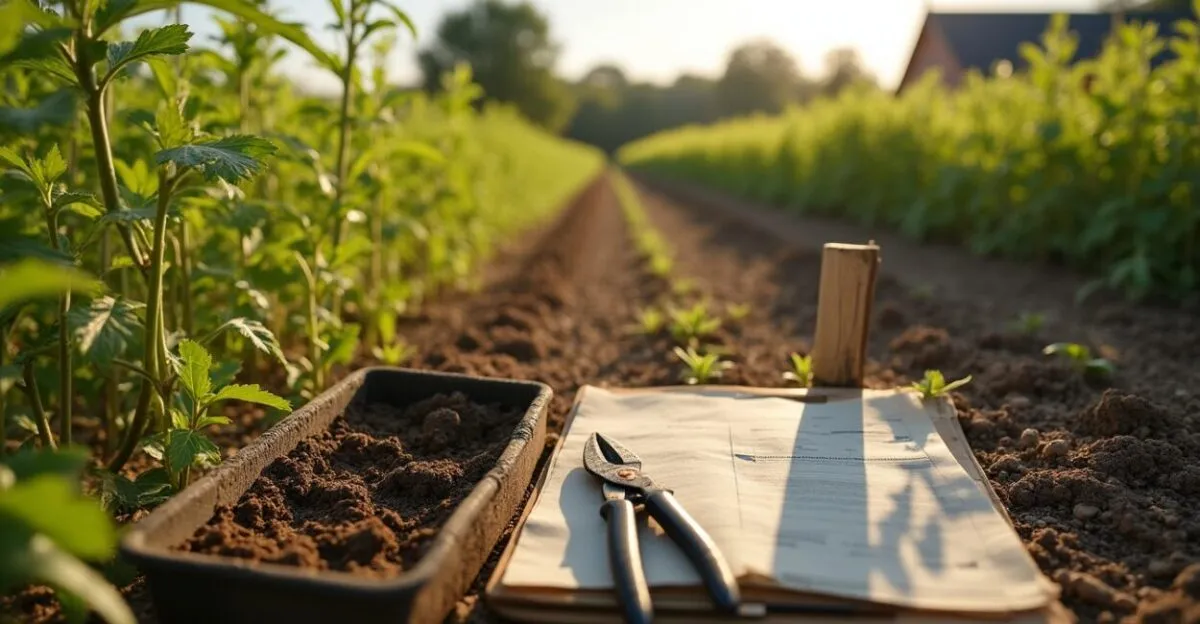
Agroforestry may be marketed as a cure-all, but it can fail when there’s no clear goal: production, restoration, or shade? Each objective calls for a different design.
Read also: Farm Financing: Options for Growing Herbs
- Choosing the wrong species is a common mistake
- Neglecting early management disrupts succession
Getting back in balance means choosing native species, creating quarterly management plans, and tracking growth. Practical tip: record yields by canopy layer and adjust spacing in the second year.
Water: When Conservation Becomes Costly
Water conservation efforts fail when systems are poorly designed. Dams, ditches, and basins need proper plans—or they can become a constant maintenance burden.
Read also: Agrinho 2026 Essay: 5 Tips for Success
| Practice | Risk | Solution |
|---|---|---|
| Small dams | Rapid sediment buildup | Remove sediment and restore riparian vegetation |
| Contour ditches | Sidewall erosion | Strengthen vegetation and stabilize the banks |
| Roof water collection | Contamination | Use a filter and perform regular maintenance |
Even simple projects need scheduled maintenance and a budget. Check technical standards and local climate data before building. See official guidance from Brazil’s Ministry of Agriculture.
Organic Certification: A Promise That Falls Short Without a Market
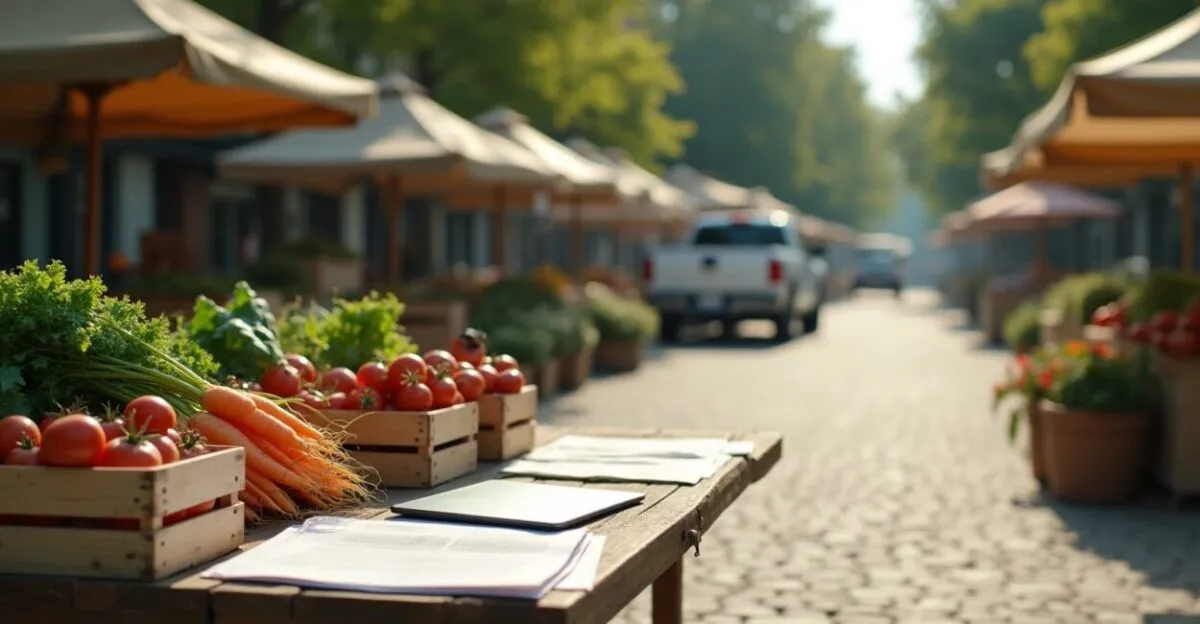
Certification can command higher prices, but it takes time and requires compliance. Small farmers often drop out because of red tape or a lack of buyers.
- What to avoid: pursuing a certification seal without a marketing plan
Pair certification with sales channels—such as cooperatives and local farmers markets—and technical support. The Institute of Food Technology (ITAL), a Brazilian food research institute, offers practical guidance (ITAL).
The Rural Circular Economy: A Good Idea, Poor Execution
Reusing waste is a great idea, but without logistics and viable business models, it just piles up. Who pays for collection and processing?
- Common mistakes: failing to add value and lacking industry partners
To make it work, build local partnerships: composting cooperatives, agreements with agricultural processors, and local contracts. The key is to turn a cost into a marketable product, such as compost or bioenergy.
Governance and Monitoring: The Step Few Take
Without governance, nothing lasts. Projects fail when they lack goals, indicators, and clear accountability. This is where efforts either scale up or fall apart.
Set simple indicators—organic matter, ground cover, and yield per acre—and review them quarterly. Use mobile apps to collect data and regional reports to attract investment.
What to Avoid When Trying to Get Results Back on Track
- Don’t copy models from other regions without adapting them
- Don’t ignore the market when planning certification
- Don’t underestimate maintenance costs
- Don’t treat sustainability as a one-off program instead of a culture
- Don’t neglect training and succession planning
Avoiding these pitfalls takes discipline: plan, measure, adjust, and build income streams. Rural sustainability requires ongoing investment, not a one-time effort. If you work in agriculture, choose one practice to review this week. Start by measuring: without data, you’re flying blind. Small fixes today can prevent a major setback tomorrow.
Looking for practical help? Share your biggest challenge, and I’ll respond with a plan of 3 immediate actions you can take on your property.
Frequently Asked Questions
What Are the Most Common Causes of Rural Sustainability Efforts Failing?
The most common causes are a lack of local assessment, inadequate funding, no market for sustainable products, and insufficient monitoring. Techniques copied without adapting them to local soil and climate conditions can also undermine results. Solutions include soil testing, market research, and working with qualified technical advisors.
How Can You Restore Degraded Soil in Practical Terms?
Start with chemical and physical soil tests, then establish year-round ground cover, rotate crops, and add organic matter, such as compost or treated manure. Avoid deep plowing; use no-till and practices that improve soil porosity instead. Recovery takes patience: with consistent management, visible results can take 1–3 years.
Is Agroforestry Always Better Than Monocropping?
Not necessarily. Agroforestry is excellent for biodiversity, carbon sequestration, and diversification, but it requires planning and takes longer to generate a financial return. For those who need immediate income, well-designed agroforestry systems with carefully chosen species can combine production and restoration, provided there’s a market or local value chain.
Is Organic Certification Worth the Investment for Small Farms?
It depends: if you can access markets that pay a premium for organic products or cooperatives that add value, it can be. Otherwise, the costs and red tape may outweigh the benefits. Group certification or transparent practices with traceability can be effective middle-ground options.
How Can You Fund the Transition to More Sustainable Farming Practices?
Funding sources include government programs, rural credit with green lending options, public-private partnerships, impact investors, and local consortiums. Projects with clear metrics, such as reduced erosion or increased organic matter, are more likely to attract funding. Set goals, timelines, and indicators to put forward strong proposals.
Artigos Relacionados
 Agricultural Education: Teaching Practices and Sustainability
 Transformative Education: Practices That Change Lives Today
 Realistic Practice Tests That Mirror Exams and Boost Scores
 Modern Elementary Education: Practices That Engage Students
 Rural Technology: Drones and Sensors That Boost Profits
 Rural Entrepreneurship: 7 Trends That Will Transform 2025
