
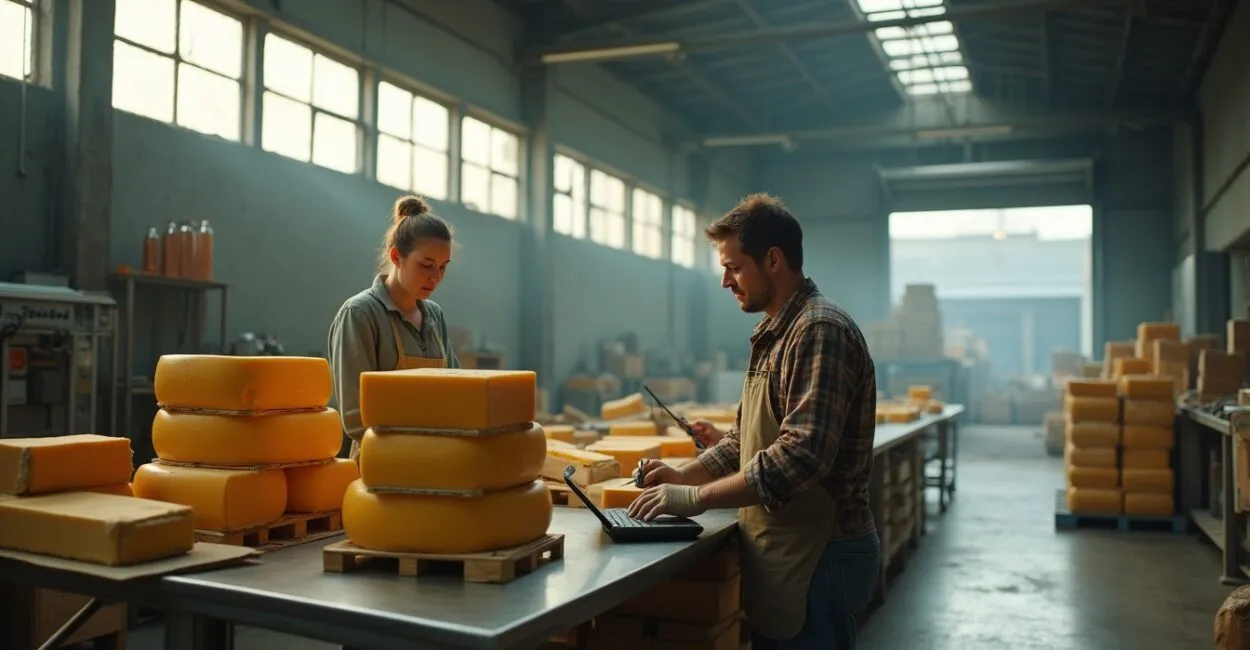
Have you ever felt a chill run down your spine imagining an entire food supply chain threatened by a failure no one can see? You’re not alone: local producers and consumers remain vulnerable as problems pile up behind the scenes.
I’ll show you why family agribusiness is a weak link in local supply chains—and what you can do to protect your income, safety, and regional identity. Here’s what to expect: real-world examples, potential losses, and practical measures that have already worked in small communities.

Family Agribusiness: The Blind Spot That Could Break a Town
When inspections fail, an entire batch can become a health hazard. Consider this: small facilities without proper oversight multiply the risks.
- Irregular or nonexistent inspections.
- Poor documentation and traceability.
- Dependence on a single buyer.
These issues create a fragile supply chain. Contamination or a logistics disruption can wipe out local income and jobs overnight.
Why Poor Logistics Are a Ticking Time Bomb
Poor roads, improvised transportation, and inadequate storage shorten shelf life and reduce quality.
- Losses during transportation.
- Extra costs that don’t show up on the invoice.
- Difficulty reaching major consumer markets.
The result: products arrive late and are worth less. Here’s the key: investing in basic logistics boosts prices and reliability far more than many people realize.
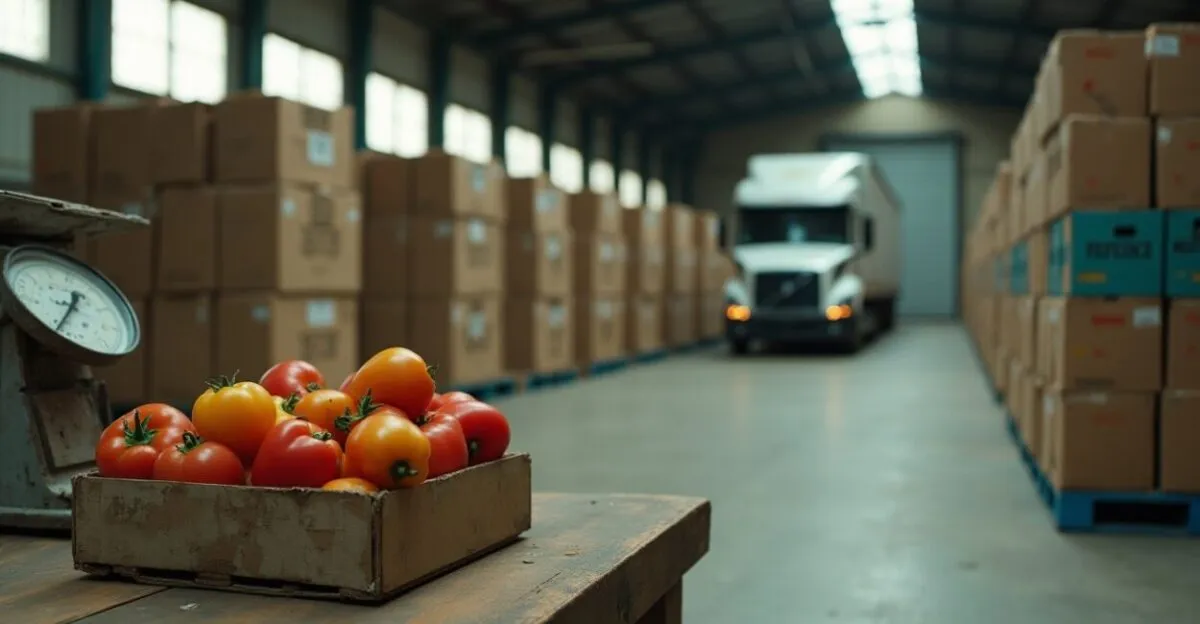
Market Concentration: Why Producers Become Captive

When a chain of regional supermarkets buys most of the output, producers lose their bargaining power.
Read also: How to Build a Successful Family Agribusiness
But that’s not all… Demand for local products tends to fall faster when major players standardize requirements that small agribusinesses can’t meet.
Explore public studies and data on market concentration and its impact on small producers on the Brazilian government’s portal: Government Portal, as well as industry analyses from organizations such as FGV (Getulio Vargas Foundation).
Read also: Complete Guide to Starting a Successful Family Agribusiness
Regional Cases: Examples That Show the Risks
In southern Brazil, small dairies lost contracts because they lacked inspection reports. In the Northeast, artisanal cheese production was suspended over traceability issues.
| Region | Problem | Impact |
|---|---|---|
| South | Inspection | Lost contracts |
| North | Logistics | Wasted product |
| Northeast | Traceability | Sales suspended |
These examples aren’t exceptions. They highlight recurring risks that can be addressed with practical steps.
What to Avoid: Common Mistakes in Family Agribusiness
- Ignoring food safety documentation until it’s too late.
- Relying on a single buyer or makeshift shipping arrangements.
- Failing to invest in clear packaging and labeling.
Overlooking these mistakes can turn small problems into crises. Minor compliance failures can lead to fines, product recalls, and a loss of consumer trust.
Practical Steps That Really Work
Looking for solutions? Start with three priorities: basic certification, logistics partnerships, and diversifying sales channels.
- Get expert help to meet inspection and labeling requirements.
- Form cooperatives to negotiate shipping and packaging costs.
- Sell directly to consumers through digital channels and farmers markets.
In short: small administrative changes and a well-organized cooperative can strengthen bargaining power and improve perceived quality.
How Governments and NGOs Can Reduce Risk Today
Targeted public policies and technical and financial partnerships can make a difference. Think tax incentives, microcredit programs, and technical assistance. Here’s a plan: identify vulnerable family agribusinesses, offer training in labeling and inspections, and fund shared trucks or cold-storage facilities. Agricultural extension programs and educational portals can help speed things up—start with resources from Embrapa, Brazil’s agricultural research agency.
Frequently Asked Questions
What Exactly Qualifies as a Family Agribusiness?
Family agribusiness refers to production facilities where a family is responsible for producing and processing food, with direct management and family control. These businesses are usually small-scale, connected to the local community, and dependent on regional markets. These traits offer advantages in traceability and regional identity, but also create vulnerabilities when inspection, logistics, and bargaining power are lacking.
What Are the Most Common Financial Losses When Inspections Fail?
Inspection failures can lead to seized batches, fines, lost contracts, and trade barriers. Producers face lower revenue, disposal costs, and reputational damage. The losses often extend beyond the value of the batch, affecting access to credit and the trust of regular buyers—and accelerating the business’s exit from the local market.
How Does Poor Logistics Affect Product Quality?
Inadequate transportation and storage without temperature controls speed up spoilage, shorten shelf life, and lead to products being rejected by buyers. Dairy, meat, and fresh produce are especially sensitive. Beyond physical losses, producers lose added value and face more complaints, which can lower demand and the final price they receive.
What Immediate Steps Can Producers Take to Reduce Risk?
Immediate steps include bringing food safety documentation up to date, keeping basic traceability records, standardizing packaging, and finding local transportation partners. Building a network with neighboring producers to share shipping and infrastructure can cut costs. Brief consultations and agricultural extension programs can help prioritize high-impact steps that require little investment.
How Can Consumers and Buyers Help Reduce These Risks?
Consumers can prioritize local purchases, ask for transparency about where products come from, and support regional certifications. Institutional buyers should diversify their suppliers and support training programs. Investing in shorter supply chains benefits product quality and helps preserve local jobs, reducing vulnerability to market concentration.
Artigos Relacionados
 Online Education Degrees: The Hidden Risk Few People Discuss
 Rural Technical Courses: A Reliable Path to a Successful Agribusiness Career
 Family Engagement in Schools: Effective Strategies
 Family Engagement: Practices for a Strong School-Family Partnership
 The Family’s Role in Children’s Literacy
 Brazil’s LGPD in Schools: Protecting Student, Family, and Staff Data
