
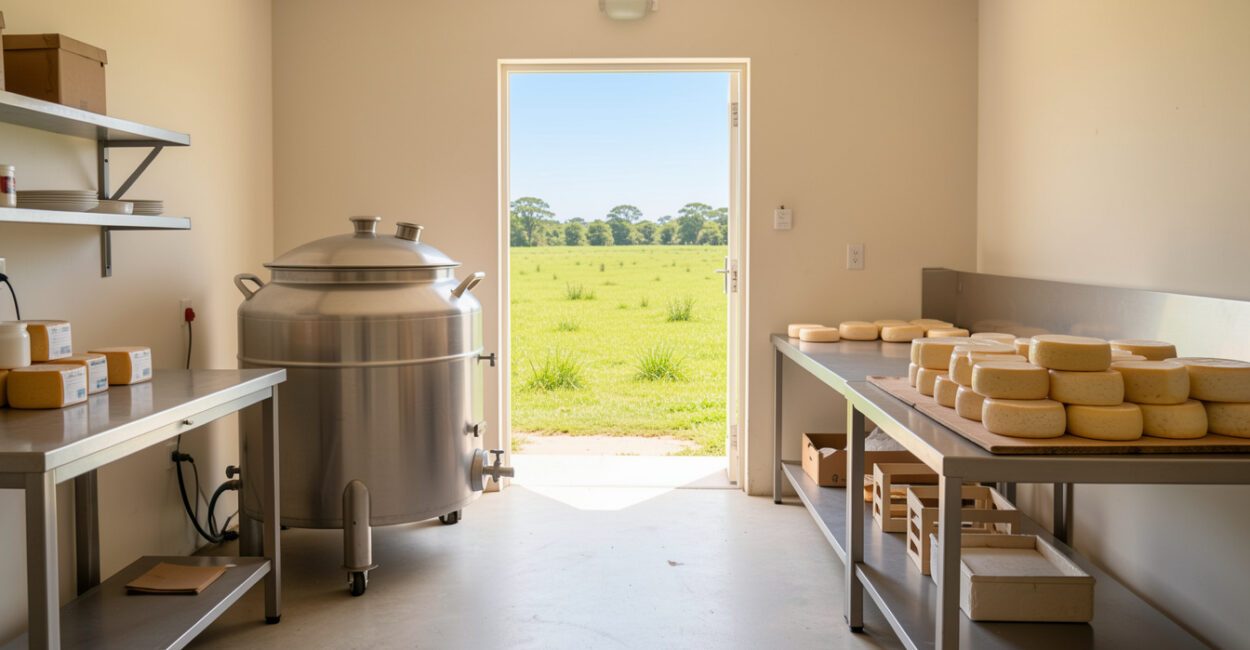
A family turning milk into cheese or fruit into pulp needs to plan for much more than the recipe: hygiene, inspection, packaging, and buyers all factor in from the start. A family agroindustry processes products tied to rural activities and adds value to farm production. To get started with less risk, choose a viable product and confirm food safety requirements before building or buying equipment.
The process varies depending on the food, the municipality, and the sales channel. A well-organized plan helps you size the facility, seek technical guidance, and avoid costly renovations after construction.

Key takeaways
- Define the product and market before designing the facility.
- Foods of animal and plant origin may be subject to different rules and inspection agencies.
- The floor plan should reflect the actual process, with a workflow that minimizes crossovers and contamination.
- Startup costs include construction and equipment, as well as water, electricity, packaging, testing, and maintenance.
What a rural family agroindustry is and how it works
A family agroindustry is a processing or value-added facility connected to family farming, operated primarily by family members and designed to turn raw materials into marketable products. Put simply, instead of selling only milk, fruit, or cassava, the farm offers cheese, fruit pulp, flour, or another processed food, with production controls and licensing appropriate to the product. “Rural agroindustry” can be used broadly to refer to processing facilities located in rural areas. “Family” highlights how the work and management are organized. For classification under public policy, consult the criteria in Law No. 11,326/2006 and the Ministry of Agriculture’s page on family farming; using the term informally does not, by itself, prove that a facility meets legal requirements.
People who work at the facility may be described as family farmers, rural producers, or agroindustry workers, depending on their role and employment relationship. Family members may handle processing, packaging, and management, but this does not eliminate the need for training in good practices or clearly assigned responsibilities for each step.
Products and examples of family agroindustry
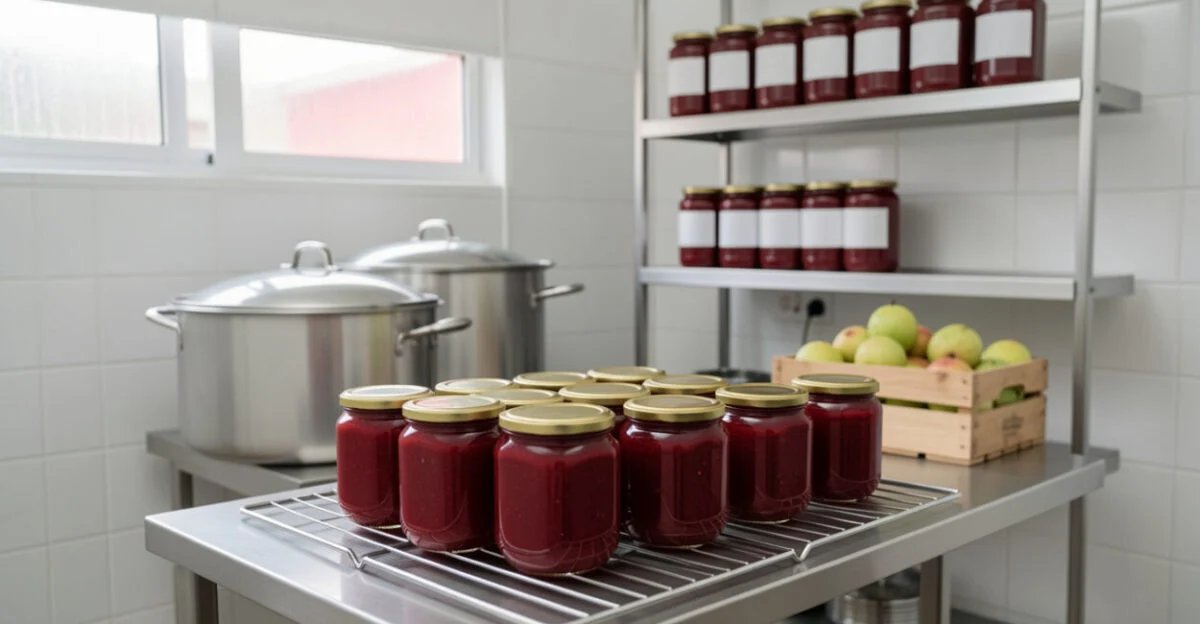
Which products you can make depends on the available raw materials, processing capacity, and applicable regulations. A small operation may focus on one product or a short product line; expanding the catalog without controlling storage, labeling, and production can make day-to-day operations more complicated before sales grow.
Raw material and product Common processing methods Regulatory considerations to check Milk: cheese, yogurt, or dulce de leche Heat treatment, fermentation, aging, or concentration Inspection for animal products, facilities, temperature, and labeling Fruit: pulp, jam, or preserves Sorting, washing, pulping or cooking, and packaging Good practices, preservation, labeling, and local food safety requirements Cassava and grains: flour or other products Peeling, milling, pressing, or drying Hygiene, process controls, storage, and facility requirements Honey: filtered honey or other products Extraction, settling, and packaging Specific requirements for bee products and the relevant inspection Meat: sausages or processed cuts Boning, grinding, curing, or heat treatment Inspection for animal products, temperature control, and contamination prevention
Use the table to guide conversations with the local health department or inspection service; it is not an automatic license. For animal products, check the Ministry of Agriculture’s animal products inspection page. Inspection may be handled at the municipal, state, or federal level, and whether you can sell beyond the inspection authority’s jurisdiction depends on the facility’s classification and applicable equivalency systems.
Embrapa’s publications on good practices for family agroindustries can help you understand hygiene, organization, and process controls. For foods subject to health department oversight, Anvisa Resolution RDC No. 275/2002 is a reference for good practices and standard operating procedures, where applicable; confirm specific requirements with the local authority.
Benefits, limitations, and business viability

Processing can reduce reliance on selling unprocessed raw materials and make better use of seasonal surpluses. It can also strengthen the family’s autonomy in managing production. These benefits depend on buyers, a reliable supply, and cost controls: every additional step adds expenses and responsibilities.
Before investing, evaluate each product using the same criteria:
- Raw materials: Is there enough volume and quality throughout the year? If supply is seasonal, what is the plan for the off-season?
- Buyers: Who will buy the product, how often, and in what format? A conversation or sales trial can help you avoid producing without a defined sales channel.
- Process: Does the family have the time, knowledge, and space to complete each step without compromising other farm responsibilities?
- Costs: Include ingredients, packaging, transportation, energy, water, testing, maintenance, waste, and compensation for family labor.
- Licensing: Do the costs and required modifications fit the plan without relying on an informal interpretation of the rules?
A common mistake is buying equipment before confirming the sanitary workflow and whether buyers will accept the product. This often happens when planning starts with available machinery or a familiar recipe rather than the entire process. The solution is to map every step, estimate the required capacity, and validate the plan with technical experts and the relevant authority before hiring a contractor.
Viability starts when production, food safety requirements, and buyers all fit into the same operating plan.
If the family cannot yet secure raw materials or a market, it may be wiser to test demand through a licensed partnership or by selling unprocessed produce while developing the project. The decision also relates to farm succession: dividing roles and responsibilities helps ensure that one person does not shoulder all the facility’s work. Products with a longer shelf life may simplify logistics, but they do not guarantee higher margins. For example, a batch of jam only makes sense if the sale price covers fruit, sugar, packaging, labor, waste, and transportation, as well as the facility’s fixed expenses.
How to start a family agroindustry: planning steps
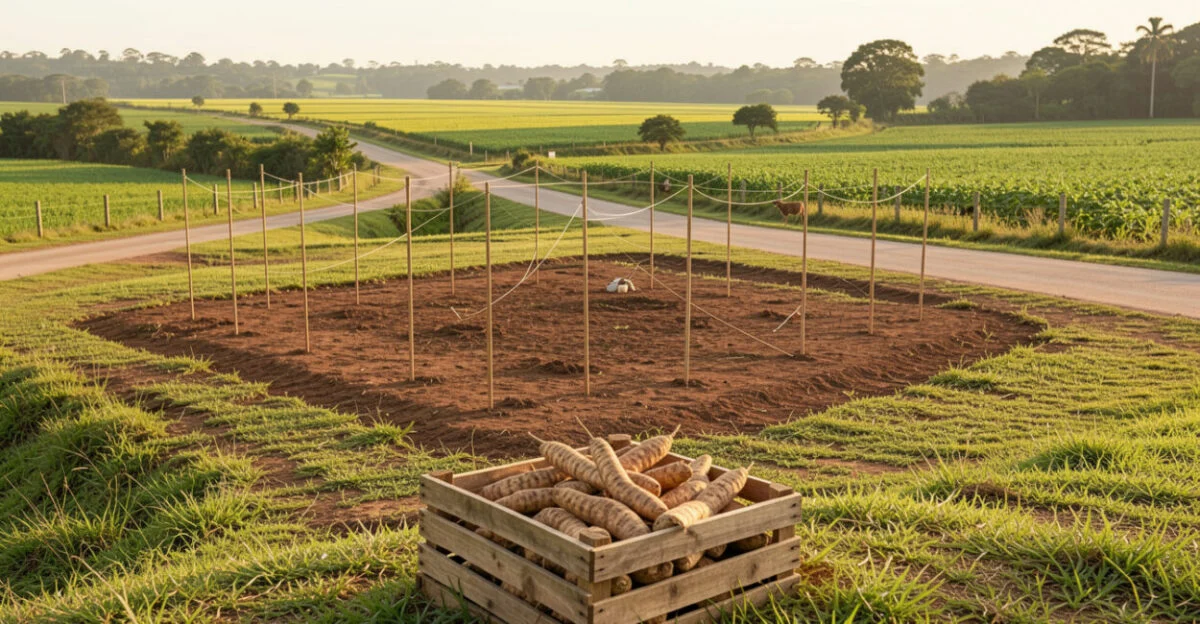
To set up a facility, work from product to market and only then finalize the physical design. This order reduces the risk of building a facility that fails inspection or produces more than sales channels can absorb.
- Choose the product. Start with a raw material from the farm, with a predictable supply and a process that matches the family’s experience.
- Talk to buyers. Confirm the format, volume, frequency, workable price, and delivery terms before sizing production.
- Map the process. Document receiving, sorting, processing, packaging, storage, and shipping. This workflow guides the facility layout and equipment choices.
- Consult the relevant authorities. Present the product and process to the health department or responsible inspection service and confirm local documents and requirements.
- Budget for the entire facility. Include modifications to water and electrical systems, drainage, surfaces, equipment, packaging, and operating costs.
- Test before expanding. Validate the recipe, yield, quality standards, and customer acceptance at a scale allowed under the applicable licensing rules.
A useful pilot measures yield and waste. If a known quantity of fruit produces a certain number of packages, also record preparation time, energy use, and discarded material. These figures make pricing less dependent on estimates and help identify bottlenecks.
Read also: Family Agroindustry with Pronaf: 7 Fatal Mistakes
A small-scale test must not turn into informal food sales without any required license or inspection. Before selling, confirm what is allowed for that product and location; the rules may vary by category, municipality, and sales destination.
Floor plan, food safety requirements, and facility design
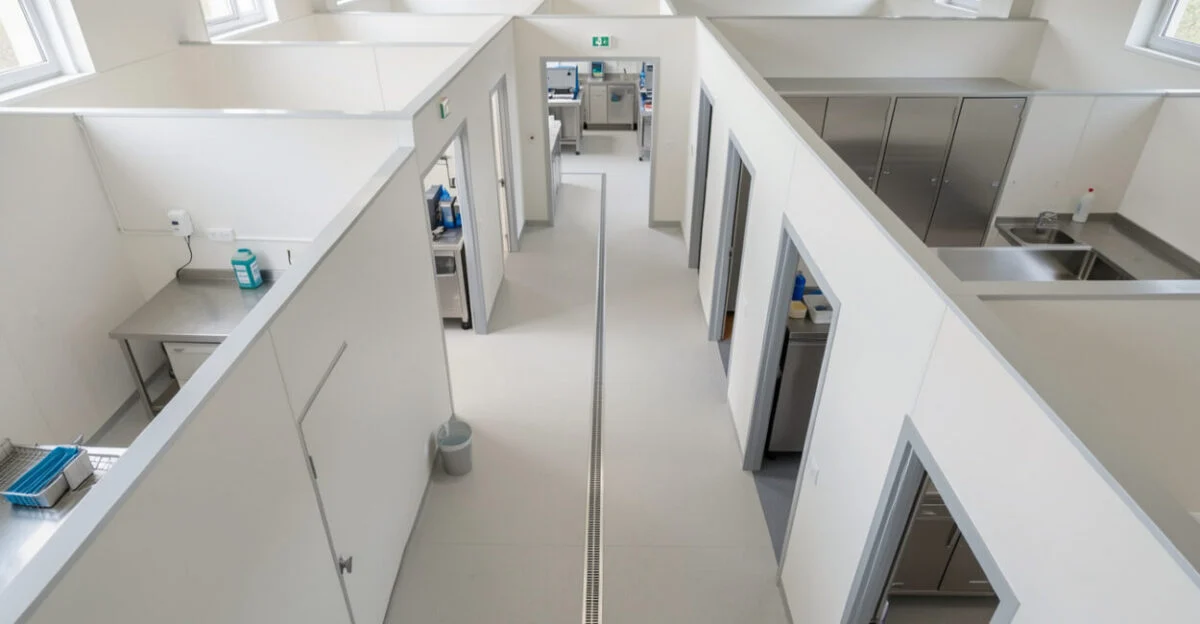
A family facility’s floor plan should show the actual process steps, work areas, access for people and supplies, and the route for finished products. There is no one-size-fits-all template: a room for packaging fruit pulp has different needs than a cheese plant or a sausage-making facility.
The design usually includes areas for receiving and sorting raw materials, processing, packaging, storage, and shipping, along with support facilities and handwashing or cleaning stations. The workflow should minimize crossovers between raw materials, finished products, waste, and people. Drainage deserves special attention: a washable floor without adequate drainage can leave standing water in cleaning areas and increase the risk of contamination.
Before construction, submit the process flowchart and proposed floor plan to the agency that will review food safety or conduct the inspection. Confirm requirements for walls, floors, ventilation, water supply, wastewater, restrooms, and separation of areas. Revising plans on paper is usually less expensive than removing finishes or relocating equipment later.
For animal products, RIISPOA, Brazil’s federal animal product inspection regulations, and complementary rules guide federal inspections, while state and municipal services may also apply rules within their jurisdictions. Where you can sell depends on the inspection service and the facility’s classification; do not assume that a local registration alone authorizes nationwide sales.
Costs, financing, and technical support in 2026
Startup costs vary depending on the product, property conditions, local requirements, and planned capacity. A sound estimate separates initial investment from recurring expenses rather than treating an average cost as applicable to every region and type of operation.
- Investment: design, construction or renovations, electrical and plumbing systems, equipment, utensils, furniture, and access improvements.
- Operations: raw materials, ingredients, packaging, energy, water, transportation, cleaning, maintenance, testing, and labor.
- Licensing: documentation, any applicable fees, a technical lead when required, and modifications requested by the relevant authority.
When evaluating financing, compare the budget with projected cash flow and confirm available programs, terms, and current eligibility criteria with the lender and technical assistance providers. Rural credit, state subsidies, and technical guidance are different types of support; availability is not guaranteed and may depend on the producer’s profile, the activity, and which programs are open.
In Rio Grande do Sul, the family agroindustry can find information about the State Family Agroindustry Program (PEAF) through Emater/RS-Ascar, the state’s agricultural extension agency, and official state government channels. Enrollment, benefits, and requirements can change, so confirm the current rules before including program support in your budget. In other states, contact the public agricultural extension service, the agriculture department, and the local inspection service.
Embrapa publishes useful technical materials, but licensing guidance should be confirmed with the agency that will review the facility. It is also worth seeking technical professionals with experience in the type of food you plan to make. If the operation relies on facilities and equipment exposed to risks, consider protecting your property and consult options for farm insurance that fit your needs; do not treat an insurance policy as a substitute for food safety measures.
How to tell if your project is ready to move forward
A project is closer to getting off the ground when the family can document and explain what it will make, who may buy it, how it will be produced, and which requirements it must meet. If any of these points still relies on guesswork, the next investment should be in research and validation, not construction.
- Product selected and raw materials available in suitable quantities and quality.
- Buyer or sales channel identified, with delivery terms understood.
- Production workflow mapped, including cleaning, storage, and disposal.
- Relevant health department or inspection service consulted about applicable requirements.
- Floor plan and budget aligned with the requirements communicated.
- Recurring costs estimated and family work responsibilities allocated.
To find Embrapa publications, search the institution’s catalog by topic and product type; for in-person assistance, contact your state’s agricultural extension service. In Rio Grande do Sul, Emater/RS-Ascar is a resource for information about PEAF. The family can also plan for continuity in management and learn about rural succession before making long-term commitments.
The first concrete step is to put together a product summary, process flowchart, and initial production estimate to share with technical assistance providers and the relevant authority. Once you have confirmed the requirements, get comparable quotes and then decide whether the planned scale fits the budget and the family’s routine. Strong brand messaging and integration with rural tourism can be considered as complementary channels, provided they make sense for the area and do not distract from operations.
- Product description: what you will process, in what volume, and to what standard.
- Process map: from raw material delivery to packaged product.
- Floor plan: areas separated by function with a logical workflow.
- Equipment list: prioritizing what is essential at the start.
- Cost estimate: construction, systems, machinery, packaging, licenses, and working capital.
- Sales plan: channels, price, frequency, and monthly volume.
Frequently asked questions
What are the four types of agriculture?
A common educational classification includes subsistence agriculture, family farming, commercial agriculture, and employer-based or corporate farming. These categories describe different aspects, such as purpose, scale, and how labor is organized; they do not constitute a single legal classification that applies in every situation.
What documents may be required to license a facility?
The list depends on the product and the municipality or state. It may include property and business documents, facility plans, health registrations, labeling, and proof of good practices; request a specific list from the responsible agency before submitting an application.
Can a family agroindustry sell online?
It can use digital channels to promote and sell products, provided the facility is licensed for the product and the intended sales area. It must also meet applicable requirements for food preservation, transportation, labeling, and delivery.
Is it worth starting with more than one product?
In general, it is easier to validate a short product line first, since each product may require its own process, packaging, and controls. A second product makes sense when it shares raw materials or facilities without compromising hygiene, production capacity, or order fulfillment.
Artigos Relacionados
 Financial Analyst: A Complete Guide to a Successful Career
 Radiology Technician: A Complete Guide to a Successful Career
 Nursing Technician: The Complete Guide to a Successful Career
 Film Director: A Complete Guide to Starting Your Career in Film
 Fashion Designer: A Complete Guide to Building a Successful Career
 Anesthesiologist: A Complete Guide to Building a Successful Medical Career
