
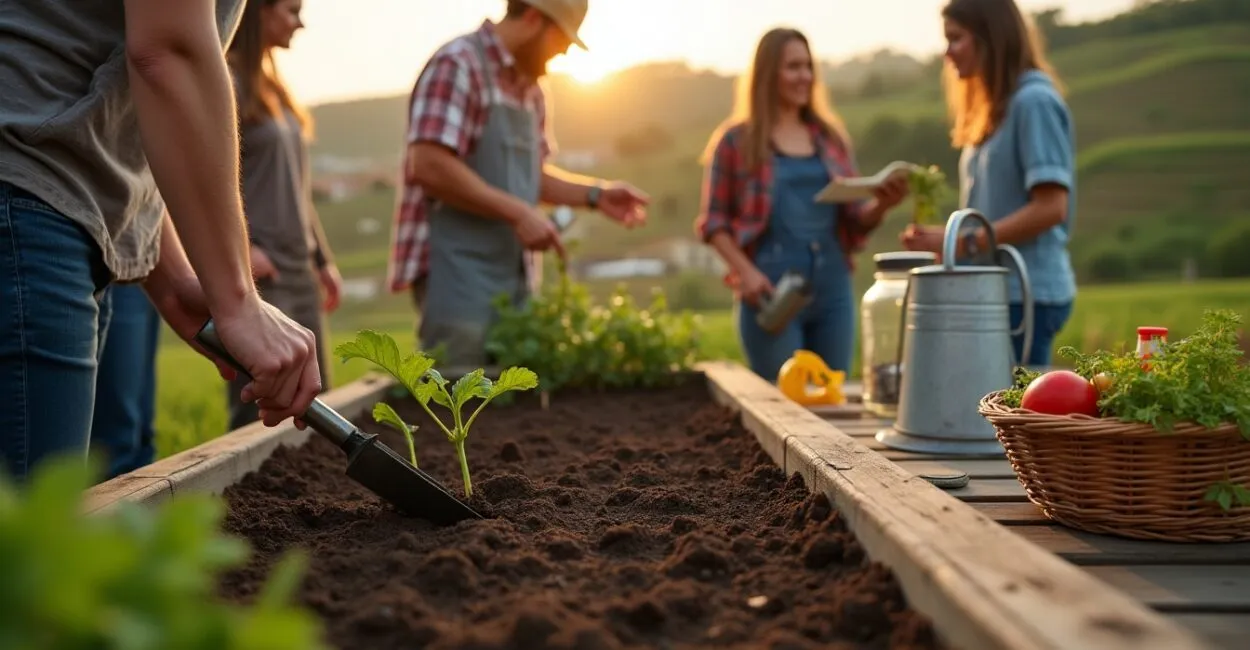
Agricultural education encompasses teaching and learning processes focused on sustainable food production, natural resource management, and rural development.
Agricultural education brings together technical knowledge, agricultural sciences, and social and environmental practices to prepare citizens and professionals to drive innovation in rural communities. This article covers teaching methods, the integration of sustainable practices, and examples that can be used in schools, technical programs, and community-based agricultural education projects.

Agricultural Education: Foundations and Basic Concepts
Core Concepts in Agricultural Education
Agricultural education brings together content on agronomy, agroecology, soil conservation, and farm management, connecting theory and practice in schools and agricultural extension programs. It develops skills such as crop planning, responsible use of agricultural inputs, and irrigation techniques that respect natural cycles. In the classroom and in the field, the emphasis is on active learning and building skills that support sustainability and food security.
To reinforce learning, teachers use local case studies and hands-on learning labs, connecting students with regional realities and agricultural supply chains. This approach helps students apply what they learn, making instruction relevant to family farmers and rural businesses.
Terms such as agroecology, agroforestry systems, and integrated pest management frequently appear in the curriculum, promoting a holistic view that connects production, the environment, and the community.
- Agroecology as a foundation for sustainable production
- Water resource management and soil conservation
- Diversified growing practices and crop rotation
- Financial management and rural entrepreneurship
Teaching Elements and Curriculum
An agricultural education curriculum should combine theory, fieldwork, and formative assessment to develop technical and social-emotional skills. Activities such as school gardens, weather stations, and small-scale irrigation systems offer hands-on, measurable learning opportunities. Integrating science and math strengthens technical reasoning and the ability to calculate yields.
Interdisciplinary projects encourage students to solve real-world problems, from assessing soil to marketing products. Coordination with public policies and agricultural extension programs expands internship opportunities and technology transfer to communities.
Digital technologies, sensors, and educational platforms improve performance tracking and knowledge management in technical and continuing education.
Skills and Professional Profile
Agricultural education professionals should be proficient in production techniques, environmental planning, and negotiation in rural markets. Skills such as soil analysis, pest identification, and the use of organic fertilizers are complemented by entrepreneurship and communication skills for working with communities.
In the field, the ability to implement agroforestry systems, integrated pest management, and water conservation practices adds value and resilience to farms. The professional profile also includes technological innovation skills, such as interpreting sensor data and using management apps.
According to Embrapa, Brazil’s agricultural research agency, technical training programs reduce operating costs on small farms by an average of 20%, directly improving productivity and sustainability (Embrapa).
Rural Training: Active Learning and Hands-On Instruction
Project-Based and Experiential Learning
Project-based learning (PBL) is central to rural training because it promotes research, planning, and the implementation of local solutions. Projects such as establishing an organic garden or restoring pasture allow students to experience the entire process, from soil analysis to marketing. This approach strengthens critical thinking and independence.
In schools, PBL brings together local stakeholders—farmers, cooperatives, and government agencies—broadening students’ knowledge and job opportunities. Hands-on activities encourage social and environmental responsibility and the adoption of conservation practices.
According to data from Brazil’s Federal Institutes, courses that include fieldwork have a 30% higher employment rate among technical program graduates in rural areas (Federal Institute).
Hybrid Teaching Methods and Educational Technology
Hybrid learning combines in-person classes on agricultural land with online modules covering theory, sensors, and telemetry. Learning management systems (LMSs) and instructional videos allow students to review material on their own schedule, while field days reinforce practical techniques. This combination offers greater reach and flexibility for adult farmers and students in remote areas.
Digital tools make it easier to monitor crops, analyze weather data, and simulate management scenarios, strengthening analytical skills. Integrating farm management apps prepares students for the demands of today’s job market.
Pilot projects that adopted digital tools cut pest diagnosis time by 15%, according to regional agricultural extension reports.
Formative Assessment and Certification
Assessment in agricultural education should be continuous, using practical criteria such as performing field techniques, project portfolios, and combined theory-and-practice exams. Technical certifications and competency-based modules provide professional recognition and help graduates enter the job market. Competency-based assessment models value measurable results and real-world application.
Partnerships with research institutions and businesses make it possible to earn additional certifications in food safety and sustainable management, improving job prospects. Internships and practical exams verify that students’ skills meet industry requirements.
According to IBGE, Brazil’s national statistics agency, professional training in rural areas can increase incomes by up to 25% in some regions when combined with technical assistance (IBGE).
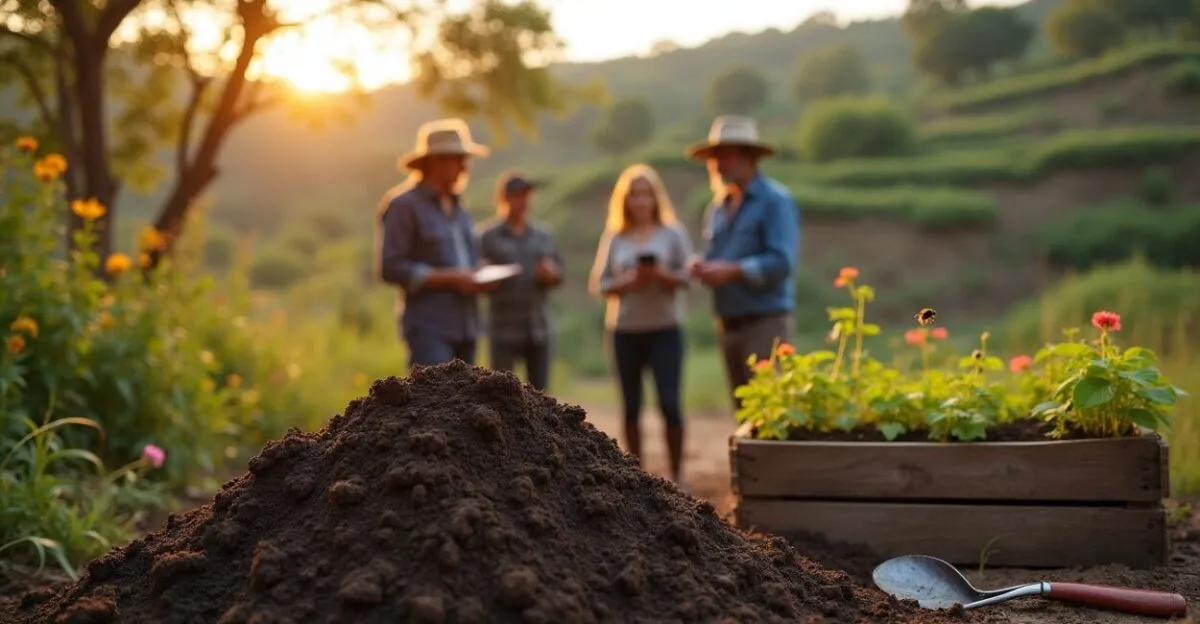
Agricultural Education: Sustainable Techniques and Innovation

Agroecological Practices and Conservation
Agroecological practices prioritize biodiversity, crop rotation, cover crops, and reduced use of synthetic inputs to conserve soil and water. Contour farming, terracing, and ground cover prevent erosion and improve water retention. These techniques strengthen farms’ resilience to climate change.
Read also: Educational technology and hybrid learning: the new normal in education
Practical examples include establishing riparian buffer strips and implementing agroforestry systems that combine fruit trees and forest species to provide shade and protect the soil. These systems increase production per acre and diversify income.
According to the FAO, agroforestry systems can increase productivity by up to 50% in certain contexts, helping promote food security (FAO).
Integrated Pest Management and Soil Fertility
Integrated pest management (IPM) combines monitoring, the use of natural enemies, and biological controls to reduce dependence on chemical pesticides. Composting, soil fertility testing, and soil amendments promote soil health and sustainable productivity.
In practice, monitoring traps and action calendars help farmers apply measures only when needed, lowering costs and environmental impacts. Technical courses include hands-on modules on identifying pests and preparing biological inputs.
Regional technical assistance programs report an average 40% reduction in pesticide use following the adoption of IPM, according to local agricultural extension reports.
Technological Innovations for Agriculture
Technologies such as soil moisture sensors, mapping drones, and farm management software support more precise, cost-effective decisions. These tools optimize irrigation, disease forecasting, and input management, promoting sustainability and productivity.
In vocational programs, using drones to map land and remote sensors to monitor pests is incorporated into fieldwork, preparing students for the demands of modern agribusiness. Integrating weather data improves planting plans.
Upfront costs can be a challenge: sensors cost between R$1,200 and R$8,000 (Brazilian reais), depending on the technology, but efficiency gains often offset the cost within 2–4 growing seasons for medium-sized farms.
Agricultural Training: Programs, Policies, and Community Participation
Agricultural Extension Models and Institutional Partnerships
Effective agricultural extension models connect universities, extension services, and cooperatives to share technology and provide training. Public-private partnerships and knowledge networks make courses, technical assistance, and market access more readily available. These connections strengthen local agricultural supply chains and encourage innovation.
Extension programs often use hands-on workshops, technical visits, and field days to demonstrate technologies. Farmers’ active participation in planning increases engagement and the impact of interventions.
Regional surveys show that well-coordinated programs increase technology adoption by about 35% among small-scale farmers, improving incomes and sustainability.
Funding, Costs, and Feasibility
Educational initiatives can be funded through government programs, research grants, and agricultural credit. Training projects vary in cost: short workshops may cost R$2,000–R$10,000 (Brazilian reais) per group, while establishing training centers requires a larger investment. Financial planning is essential to ensure continuity.
Credit programs and initiatives such as PRONAF, Brazil’s National Program to Strengthen Family Farming, along with rural innovation grants, make funding for modernization and training more accessible. Clear goals and performance indicators can improve the chances of securing funding.
Estimating costs for each activity and seeking co-funding from local partners reduces risk and makes educational initiatives more sustainable.
Community Engagement and Lifelong Learning
Community participation helps ensure agricultural education meets local needs and is culturally appropriate. Participatory processes, local councils, and cooperatives foster ongoing learning, seed exchanges, and traditional practices adapted to modern science.
Adult education programs, community fieldwork days, and rural fairs strengthen local networks and spread new technologies. Encouraging young people to start rural businesses is essential to renewing the productive base of rural regions.
Successful community projects often lead to shorter supply chains and greater recognition of local products, increasing incomes and social resilience.
Agricultural Pedagogy: Assessment, Impact, and Future Outlook
Assessment Methods and Impact Indicators
Evaluating agricultural education programs should involve learning, productivity, and social and environmental impact indicators. Measures may include higher yields per acre, reduced use of chemical inputs, and greater adoption of conservation practices. Formative and summative assessments enable ongoing adjustments.
Social impact measures, such as increased household income and the inclusion of young people and women, complement technical indicators. Longitudinal studies track changes over 3–5 years to measure the sustainability of interventions.
Industry reports show that technical training can increase productivity by 10–30%, depending on the context and how consistently recommended practices are adopted.
Comparison of Teaching Methods
| Method | Strength | Limitation |
|---|---|---|
| Project-based learning | Highly practical | Requires time and coordination |
| Hybrid learning | Flexible and far-reaching | Requires digital infrastructure |
| Community extension | Locally relevant | Depends on partnerships |
| Labs and field days | Hands-on experience | Logistical costs |
Benefits and Challenges of Scaling and Sustaining Programs
Scaling agricultural education programs can have a broad impact, but it also presents challenges, including funding, infrastructure, and teacher training. Coordination among public policies, educational institutions, and the agricultural sector is essential for long-term sustainability. Ongoing monitoring and evaluation help ensure effective adjustments.
- Improved food security and soil health
- Increased income and diversified production
- Stronger local marketing channels
- Reduced pesticide use and production costs
- Development of a skilled rural workforce
Feature Comparison: Advantages vs. Disadvantages
| Feature | Advantage | Disadvantage |
|---|---|---|
| Use of technology | Greater precision and efficiency | High upfront investment |
| Agroecological practices | Environmental protection | Time before economic returns |
| Ongoing training | Better ability to adapt to change | Need for stable funding |
Conclusion: Agricultural education is key to promoting sustainable production, food security, and rural development. Combining active learning methods, agroecological practices, and emerging technologies can improve productivity and resilience. Investing in training, extension programs, and partnerships can create lasting benefits for rural communities. Consider how these practices could work in your own community, and explore ways to involve schools, cooperatives, and public agencies to expand their impact.
Frequently Asked Questions About Agricultural Education
What Is Agricultural Education?
Agricultural education is an educational process that combines technical, scientific, and practical knowledge related to sustainable food production, natural resource management, and rural development. It includes training in growing techniques, agroecology, soil and water management, as well as management and marketing skills. Its goal is to prepare farmers, technicians, and students to use resilient, environmentally responsible practices.
How Does the Teaching and Learning Process Work in Agricultural Education?
The process combines classroom instruction, hands-on field activities, and formative assessments. Common methods include project-based learning and field days, complemented by online modules and technical assistance. Interaction with communities and research institutions strengthens technology transfer, allowing students to apply their knowledge in real-world settings and improve production practices.
What Is the Difference Between Agricultural Education and Rural Training?
Agricultural education focuses on technical and scientific content related to production and management, often taught in formal settings such as technical schools. Rural training is broader, encompassing community education, agricultural extension, and the development of social and economic skills for rural life. The two complement each other: one provides a technical foundation, while the other fosters community integration and ongoing learning.
When Should You Use Hands-On Methods Such as School Gardens or Agroforestry Systems?
Hands-on methods are useful whenever the goal is to make learning relevant to students’ surroundings and put concepts into practice right away. School gardens work well in K–12 and technical education for teaching growing cycles and sustainability. Agroforestry systems are suited to long-term projects focused on diversifying income and conserving soil. The right choice depends on the goals, available time, and local resources.
How Much Does It Cost to Implement a Basic Agricultural Education Program?
Costs vary: workshops and short courses may cost R$2,000–R$10,000 (Brazilian reais) per group, while facilities such as school gardens and labs may require R$10,000–R$50,000, depending on scale and equipment. Digital tools and sensors increase upfront costs, but can improve efficiency enough to deliver a return within 2–4 growing seasons. Partnerships and grant programs can help reduce startup costs.
Artigos Relacionados
 Big Data in Education: Turning Data Into Better Teaching Practices
 Inclusive Education in Elementary School: Practices and Support
 Transformative Education: Practices That Change Lives Today
 Formative Assessment: Practices to Improve Teaching
 Modern Elementary Education: Practices That Engage Students
 Neuroeducation in Practice: Innovative Teaching Methods
