
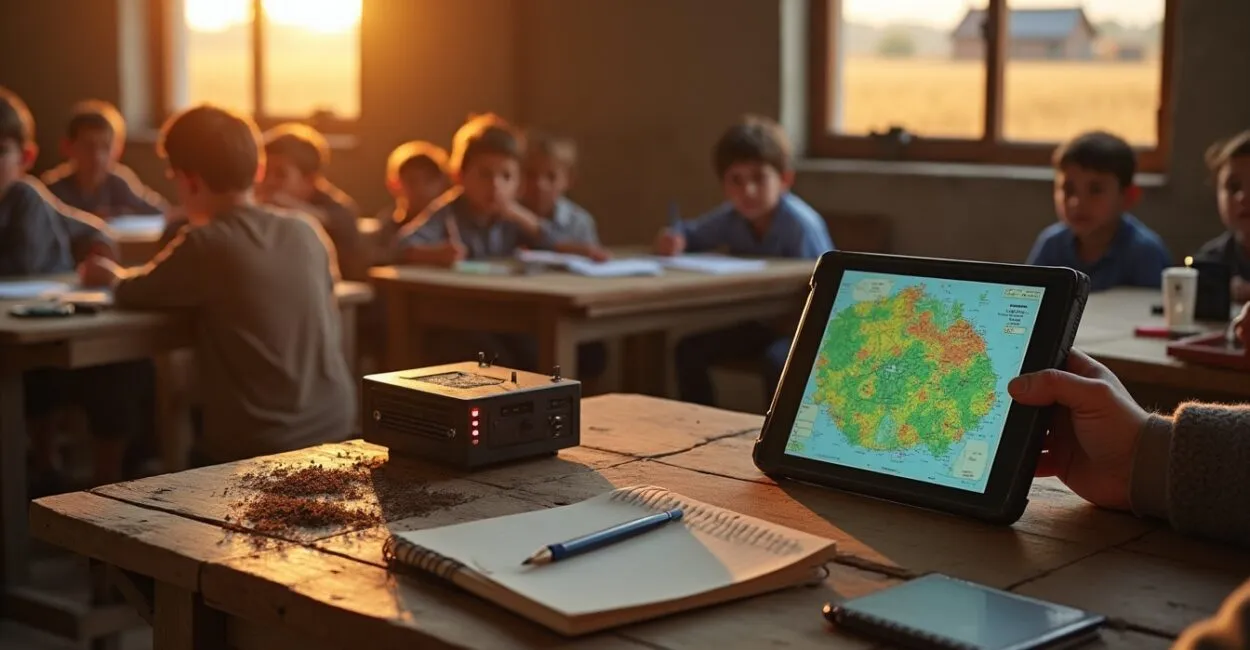
Rural technology uses digital solutions and equipment to improve education in rural areas, making teaching practices more accessible and relevant to local communities. It matters because it narrows the gap between rural schools and urban centers, expands access to quality learning materials, and connects students with practical resources from the agricultural world. To get started, identify local needs and available infrastructure, then choose durable, low-cost tools.
In rural education, challenges range from limited connectivity to a lack of ongoing teacher training. These barriers create opportunities for offline-first solutions, context-specific multimedia content, and partnerships with technical institutions. Rural technology can turn makeshift labs into hands-on learning centers with real-world applications in rural life.

This article explores how rural technology can be applied to education, introduces digital tools and success stories, and offers practical guidance for implementation, maintenance, and sustainability. You’ll find actionable steps, comparison tables, and concise lists to help launch projects in rural communities.
Infrastructure for Rural Technology
Connectivity and Local Access
Reliable connectivity is the first step toward implementing rural technology effectively. In areas with limited coverage, solutions such as mesh networks, long-range antennas, and 4G routers can create an efficient local network. Analyzing signal strength and working with local providers can help schools plan scalable, sustainable investments.
When internet access is intermittent, offline-first strategies and content stored in advance on local servers or portable devices are essential. These approaches keep lessons on track, allowing students to access videos, simulators, and learning materials without relying on the cloud. It’s also important to consider electricity: solar panels with batteries, uninterruptible power supplies, and hybrid systems make infrastructure more resilient. Planning preventive maintenance and basic equipment-care training helps extend equipment life and reduce operating costs.
Durable Equipment and Value
Choosing hardware for rural settings means prioritizing durability and ease of maintenance. Chromebooks, rugged tablets, and computers with dust and moisture protection offer good value. All-in-one printers and energy-efficient projectors also expand teaching options.
Look for modular, standardized models to simplify repairs and parts replacement in remote areas. Choosing systems with local technical support—or partnerships with universities and agricultural cooperatives—also makes it easier to resolve issues without relying solely on major urban centers. Consider equipment life cycles and the availability of regional repair services. Maintenance contracts or training a local technician can reduce classroom disruptions and strengthen the school community’s independence.
Data Security and Governance
Information security in rural technology should protect student data and ensure educational platforms are used appropriately. Privacy policies, access controls, and local backups are essential. In areas with unreliable connections, physical backups and periodic synchronization with central servers help prevent data loss.
Training teachers to manage permissions and identify digital risks is crucial. School governance plans can include rules for device use and file storage, along with incident-response procedures. This helps build trust among families and school administrators around the use of technology in education.
Finally, accounting for legal requirements such as the Lei Geral de Proteção de Dados (LGPD), Brazil’s General Data Protection Law, and guidance from the local education department helps ensure compliance. Documenting processes and keeping consent records makes audits and partnerships with research and outreach institutions easier.
- Assess: Document local infrastructure and needs.
- Plan: Set educational goals and identify technical resources.
- Prioritize: Choose resilient, low-cost solutions.
- Train: Prepare teachers and local technicians.
- Monitor: Track use, performance, and impact.
Educational Platforms Adapted to Rural Technology
Offline Resources and Synchronization
Platforms that support offline use are essential to rural technology. Software that stores content locally and syncs it when a connection is available helps keep learning on track. This is especially useful for videos, simulators, and digital libraries that students can access without a constant internet connection.
Tools such as local repositories, educational servers, and apps with caching make it easier to distribute learning materials. Scheduling synchronization for times when connectivity is better minimizes data costs and prevents interruptions to classroom activities. Teachers also need training to update content and manage syncs. Adapting curricula to make the most of offline resources and planning activities that alternate between online and offline time can improve learning in rural areas.
Collaborative, Locally Relevant Platforms
Platforms that encourage collaboration between students and teachers promote meaningful learning through rural technology. Learning management systems (LMS) with forums, hands-on projects, and adaptive assessments make it easier to share local knowledge, including agroecological practices and rural entrepreneurship. Making content relevant by incorporating local topics, regional maps, climate data, and farming practices strengthens its educational value. Tools that let schools customize modules and add local multimedia materials help build stronger ties between schools and their communities.
Integrations with school management tools and ongoing teacher-training portals extend the reach of these platforms. Partnerships with technical institutions and universities can provide learning paths tailored to rural settings.
Assessment and Data-Informed Decisions
Systems that generate performance and engagement reports help administrators make informed decisions about rural technology. Attendance, academic progress, and resource-use indicators can guide adjustments to teaching strategies and help prioritize infrastructure investments. Data collection must respect privacy and support training plans, identify at-risk students, and inform content adaptations. Simple analytics tools with local dashboards are more useful in settings with limited access to specialized technical teams.
Ongoing monitoring and evidence-based improvement cycles can maximize the impact of technology initiatives. Involving teachers and the community in interpreting data increases buy-in and supports sustainable local solutions.
| Platform | Feature | Fit for Rural Settings |
|---|---|---|
| Moodle | Open source, customizable | High—with a local server |
| Kolibri | Offline-first, content library | Very high—ideal for areas without internet |
| Google Classroom | Easy to integrate and use | Moderate—requires connectivity |
Content and Teaching Methods Focused on Rural Technology

Locally Relevant Curricula and Active Learning
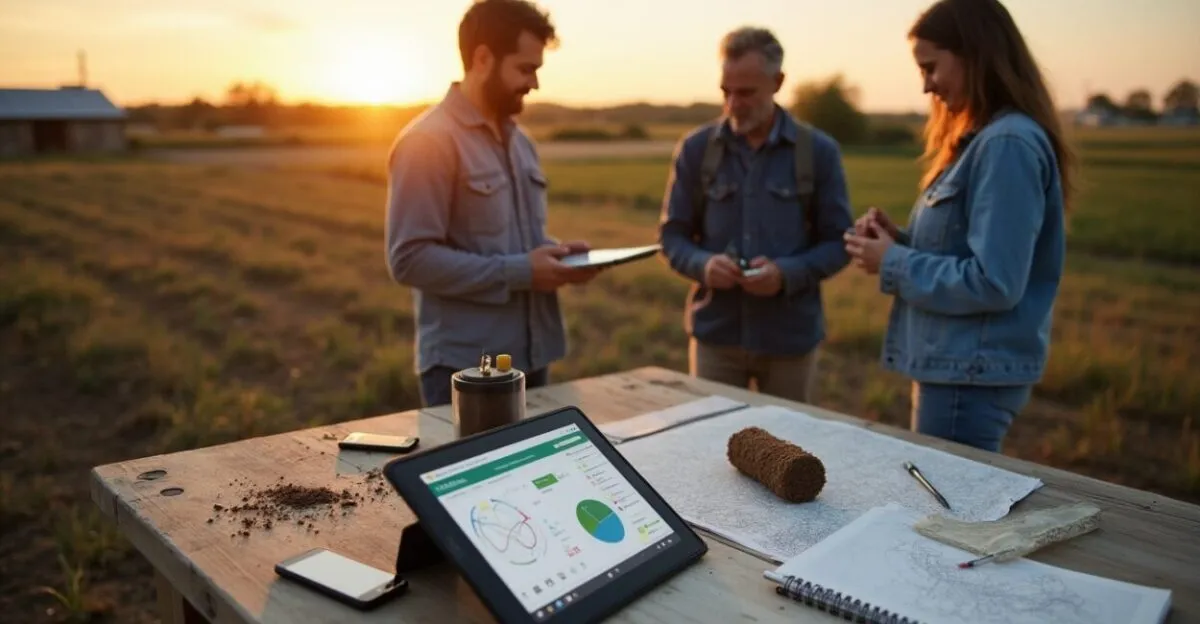
Content connected to everyday rural life makes learning more meaningful. By integrating topics such as soil management, agroecology, and local entrepreneurship, rural technology supports hands-on projects that combine classroom theory with fieldwork. Active learning methods, including project-based learning and problem-solving, encourage independence and immediate application of knowledge.
Interdisciplinary projects can use sensors, weather stations, and apps to collect data in the surrounding area, turning the school into a living lab. This approach boosts student engagement and strengthens technical and social-emotional skills. Teachers need training to design activities that make use of local resources, such as maps, interviews with farmers, and agricultural experiments. Portfolio and project-based assessments often reflect hands-on learning better than traditional tests.
Digital Tools for Hands-On Learning
Precision agriculture apps, farm simulators, and farm management platforms are examples of tools that connect the curriculum to the local job market. Satellite imagery, soil-moisture sensors, and crop health diagnostic apps introduce students to technologies used in the field.
Office software, basic programming, and multimedia tools also build transferable digital skills. These skills can improve employment prospects in rural areas and help young people develop local solutions, such as apps for direct sales. Using 3D printers in hands-on activities, even on a small scale, encourages innovation and prototyping of tools suited to local needs, helping foster a maker culture in rural schools.
Digital Inclusion and Educational Equity
Promoting digital inclusion in rural areas involves public policy, equipment distribution, and training for families and communities. Rural technology should reduce inequality by providing resources suited to different levels of digital literacy and different financial circumstances. Device-lending programs, mobile labs, and community access points can expand coverage. Educating parents and local leaders about the benefits of technology can reduce cultural resistance and strengthen support for schools.
Providing content in Portuguese and reflecting local culture improves understanding and helps students value what they learn. Successful projects combine technology with social practices that strengthen community ties and empower young people and farmers.
Rural Technology Success Stories and Partnerships
School and Community Projects
Many projects show the positive impact of rural technology when it is designed around local needs. Schools that installed local servers with educational content reported increased participation and better performance in science and math. Integrating school gardens with sensors and STEAM projects brought students closer to hands-on agriculture.
These projects often involve farmers as mentors, creating a two-way learning exchange between schools and agricultural producers. Sharing knowledge can lead to local sales projects and student cooperatives, supporting income generation and school retention. Documenting results and sharing practices across rural school networks helps others replicate workable solutions. Success depends on participatory planning, ongoing training, and community-supported technical maintenance.
Institutional Partnerships and Funding
Partnerships with universities, federal institutes, NGOs, and technology companies have been essential to expanding rural technology initiatives. These partners provide technical expertise and teacher training and often fund infrastructure and learning materials. University outreach programs connect applied research with school settings, introducing innovations such as low-cost sensors and participatory methods. Public funding calls and rural innovation funds also support projects that can scale and adapt to local needs.
Coordinating public policy with private and community initiatives creates support networks that help projects continue. Transparent partnerships and clear educational impact goals make it easier to evaluate and expand successful programs.
Impact and Sustainability Metrics
Evaluating the impact of rural technology means looking beyond access to measure learning, school retention, digital inclusion, and local economic benefits. Qualitative and quantitative indicators—such as projects implemented, improved grades, and increased community participation—provide a broad view of results.
Financial and operational sustainability depends on maintenance plans, ongoing training, and diverse funding sources. Involving local cooperatives and creating income-generating models connected to school activities improves viability and strengthens community ownership.
Regular reporting, sharing best practices, and making ongoing adjustments help initiatives evolve with the needs of rural communities and remain relevant over the long term.
| Partner | Contribution |
|---|---|
| Federal university | Teacher training and applied research |
| Local NGO | Community outreach and partial funding |
| IT company | Equipment donations and technical support |
Practical Implementation and Maintenance of Rural Technology
Step-by-Step Implementation Plan
A detailed plan is essential for successfully implementing rural technology. It should include an initial assessment, clear educational goals, a timeline, a budget, and assigned responsibilities. Including pilot testing reduces risks and allows for adjustments before a full rollout.
Training local champions—teachers and technicians—is an important part of the plan. Hands-on training, straightforward manuals, and remote support help build independence. It’s also important to plan communication with families to align expectations and encourage technology use at home.
Ongoing monitoring and periodic evaluations make it possible to measure impact and reallocate resources. Documenting lessons learned and creating a repository of local solutions makes it easier to replicate them in other rural schools.
Maintenance, Replacement, and Sustainability
Keeping equipment running requires regular preventive maintenance, a small stock of spare parts, and a designated local technician. Partnerships with technical training centers or local service providers can speed up repairs and reduce downtime.
Sustainability models may include microfinancing plans, partnerships with municipal governments, and school production projects that generate income. Investing in local technical training builds the capacity to solve problems without relying solely on outside support.
Maintenance records and annual budget planning help schools anticipate replacements and upgrades. Considering environmental impact and equipment recycling is also part of a sustainable, responsible strategy.
Best Practices and Recommendations
Best practices for rural technology include prioritizing offline-first solutions, involving the community from the initial assessment, and planning ongoing teacher training. Documenting processes and establishing backup and security routines make projects more resilient.
Other recommendations include testing equipment in local conditions, adapting content to the cultural and agricultural context, and using clear metrics to assess impact. Making it easy for schools to share experiences through local networks speeds up the adoption of successful innovations.
For technical support and educational materials, consult resources such as the Instituto Nacional de Estudos e Pesquisas Educacionais (INEP), Brazil’s National Institute for Educational Studies and Research, and outreach programs at federal universities. Partnerships with these institutions enhance credibility and the potential to scale projects.
- Document maintenance procedures.
- Train local champions.
- Prioritize offline-first solutions.
Conclusion: Rural technology is a powerful tool for education in rural areas. It can bring quality learning materials closer to local realities and strengthen communities. By combining resilient infrastructure, adapted platforms, and locally relevant teaching methods, rural schools can support meaningful learning and local development.
Implementing rural technology projects takes planning, partnerships, and ongoing training. Start small, monitor results, and scale based on evidence. If you want to transform your school, bring the community together, seek institutional support, and launch a pilot project today.
Frequently Asked Questions About Rural Technology
What Is Rural Technology, and Why Does It Matter?
Rural technology refers to digital solutions, equipment, and teaching methods applied to rural settings to improve education and agricultural practices. It matters because it reduces disparities in access to education, connects students with technical resources, and fosters hands-on learning tied to rural life. By incorporating appropriate technologies, schools can expand opportunities and prepare young people for local challenges and the job market.
Which Digital Tools Work Best Without Internet Access?
Offline tools such as Kolibri, local repositories, content servers, and apps with caching are ideal. These solutions provide access to videos, readings, and activities without constant reliance on the cloud. External hard drives, Raspberry Pi servers, and tablets with preloaded content also make it easier to work in areas with limited connectivity and allow periodic synchronization when a signal is available.
How Can I Fund a Rural Technology Project?
Funding can come from public grants, partnerships with universities, NGOs and private companies, and corporate social responsibility programs. Local options include microfinancing, school cooperatives, and income-generating production projects. Developing a clear budget, demonstrating educational impact, and seeking regional partnerships can improve the chances of securing resources and ensuring sustainability.
How Can Teachers Be Trained to Use Rural Technology?
Effective training combines in-person and online learning, hands-on workshops, and ongoing support. It’s important to develop local champions, provide straightforward manuals, and encourage teachers to share experiences. Training should focus on offline tools, basic maintenance, designing locally relevant activities, and using educational data to adjust teaching strategies.
What Security and Privacy Precautions Should I Take?
Adopt privacy policies aligned with the LGPD, Brazil’s General Data Protection Law, control access to platforms, and establish local backup routines. Teach students and teachers good digital practices, keep records of consent for data use, and use passwords and permissions to protect sensitive information. A response plan for incidents and clear agreements with technical partners are also essential.
Recommended sources and further reading: INEP, Embrapa, Khan Academy.
Artigos Relacionados
 Green Technology: 5 Apps and Gadgets for Environmental Education
 Educational Technology and Its Impact on Higher Education
 Educational Technology and Blended Learning: The New Normal in Education
 Digital Transformation in Education: How to Revolutionize Learning
 Digital Education: Transforming Teaching with New Technologies
 School Technology Management: Policies and Digital Security
