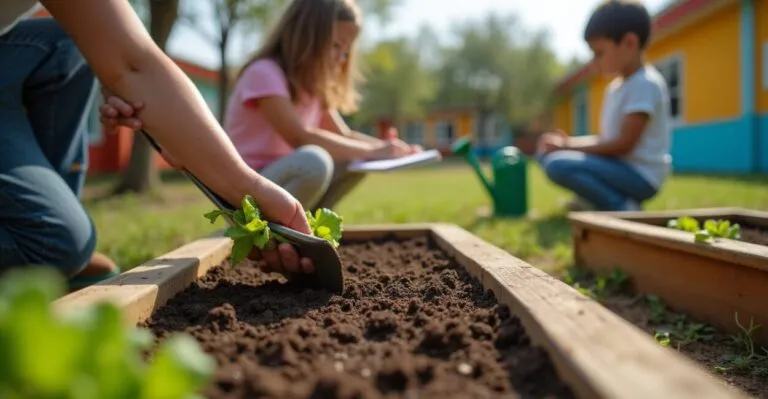
Project-based learning is a student-centered teaching approach that combines inquiry, collaboration, and hands-on application to solve real-world problems. It matters because it boosts engagement, builds social-emotional skills, and connects school to life beyond the classroom. To get started, identify a relevant problem, define learning objectives, and plan how students will demonstrate what they have learned.
In today’s educational landscape, teachers and school leaders face the challenge of turning traditional curricula into meaningful learning experiences. Project-based learning offers an opportunity to foster interdisciplinary learning, critical thinking, and student agency while aligning with 21st-century skills and curriculum standards. This article covers key concepts, step-by-step planning, classroom implementation, formative assessment, and practical resources, tools, and templates to help you put project-based learning into practice today, with an emphasis on measurable outcomes and long-term instructional sustainability.

Strategic Planning for Project-Based Learning
Set Clear Learning Objectives
When planning a project, set learning goals that align with the skills outlined in your curriculum and your school’s objectives. This ensures the content is relevant and measurable, and that the project maintains academic rigor while prioritizing hands-on activities. Use performance indicators and assessment criteria—for example, rubrics for communication, problem-solving, and teamwork—to guide students and document evidence of learning. Integrating social-emotional skills supports students’ overall development.
Clear planning also makes it easier to allocate resources, divide responsibilities among teachers, and coordinate with the community. This makes project-based learning transparent, repeatable, and aligned with academic outcomes.
Map Resources and Partnerships
Identify internal resources (labs, teachers, schedules), external resources (community groups, businesses, universities), and technology (platforms, digital tools). Partnerships expand opportunities for inquiry, access to real-world data, and expert mentorship. Document agreements, responsibilities, and each partner’s contributions to prevent misunderstandings during implementation. Working with local organizations makes projects more socially relevant and provides authentic contexts for assessment.
Planning logistics and the budget in advance helps you anticipate needs for materials, transportation, and any teacher training, supporting the project’s sustainability and continuity over time.
Organize the Learning Sequence and Timeline
Develop a timeline with clear stages: inquiry, planning, implementation, monitoring, and assessment. Set milestones and interim deliverables to maintain momentum and make ongoing feedback possible. The learning sequence should include introductory activities, guided research, and opportunities for prototyping or creating final products. Incorporate formative assessments so you can adjust your instructional approach as needed.
Build flexibility into the schedule to accommodate unexpected challenges and allow time to explore emerging topics in greater depth. A well-structured timeline makes it easier to manage classroom time and coordinate among teachers, students, and partners.
Instructional Design for Project-Based Learning
Create Meaningful Driving Questions
Driving questions guide inquiry and keep students focused on a real-world purpose. Choose open-ended, authentic questions connected to the school community to spark curiosity and motivation. Strong driving questions allow for multiple disciplinary perspectives and encourage research, argumentation, and solution-building. They also guide the selection of learning evidence and assessment criteria.
Test your questions with a small group or colleagues before using them. Refine their scope and wording so they are challenging but achievable with the time and resources available.
Sequence Active Learning Activities
Prioritize active learning methods—case studies, prototyping, interviews, observation, and inquiry-based learning—that foster independence and critical thinking. Vary the formats to meet different learning needs. Include direct instruction when needed to teach tools or essential concepts that support the inquiry. Balancing guidance and independence helps students make steady progress without sacrificing depth.
Plan for structured feedback, self-assessment, and peer assessment. These practices strengthen metacognition and help students monitor their progress throughout the project.
Use Formative and Summative Assessment
Use a range of assessment tools: rubrics, portfolios, public presentations, and self-assessments. Formative assessment informs instructional adjustments, while summative assessment demonstrates learning outcomes at the end of the project. Create transparent rubrics with criteria for content, process, collaboration, and the final product. Share them with students from the start to align expectations and clarify what evidence they should provide.
Document evidence in digital or physical portfolios to track individual and group development over time—an essential practice for sustaining projects throughout the school year.
- Identify the problem: Choose a relevant topic grounded in context.
- Define objectives: Set measurable learning goals.
- Plan the stages: Set a timeline and interim deliverables.
- Select resources: List materials, partnerships, and technology.

Methods and Practices for Project-Based Learning

Strategies for Engagement and Student Agency
Encourage student leadership by assigning responsibilities for research, logistics, communication, and assessment. Student agency builds independence and a sense of responsibility, directly boosting engagement. Use collaborative activities and rotating roles to ensure everyone participates. Encourage students to create real-world products—exhibits, prototypes, or campaigns—that showcase their learning.
Monitor engagement with simple tools, such as learning journals and checklists, and provide instructional support as needed to keep all students involved in the process.
Interdisciplinary Learning and the Curriculum
Project-based learning encourages connections across subjects, bringing science, math, language arts, and the arts together to address complex problems. Set specific objectives for each subject and make each discipline’s contribution visible. Map cross-disciplinary skills to ensure that critical thinking, communication, and collaboration are explicitly taught. This also helps demonstrate how the project meets curriculum requirements.
Document outcomes and clearly connect project activities to academic skills to make students’ learning easier to formally recognize.
Digital Tools and Resources
Incorporate project management platforms, collaboration tools (shared documents, virtual whiteboards), and digital prototyping environments. These technologies expand opportunities for research and documenting evidence of learning. Teach students to use the tools responsibly and evaluate sources carefully. Digital literacy is a key skill in project-based learning and supports knowledge creation.
Combine digital resources with in-person activities to create a balanced experience. Technology should support learning, not be an end in itself.
Assessment, Documentation, and Scaling Project-Based Learning
Develop Rubrics and Assessment Tools
Develop detailed rubrics that address criteria such as content, process, creativity, evidence, and collaboration. Rubrics support objective feedback and provide a clear basis for grades when applicable.
Include different performance levels with clear descriptors for each criterion to help students understand how to improve. Align assessment tools with curriculum standards to ensure they are valid.
Use peer and self-assessment to encourage metacognitive reflection, and document results in portfolios for recordkeeping and instructional accountability.
Comparing Assessment Formats
| Format | Benefits | Recommended use |
|---|---|---|
| Rubrics | Clarity and objectivity | For projects with a final product |
| Portfolios | Longitudinal documentation | For evidence and reflection |
| Public presentations | Authenticity and impact | At the end of the project |
Scale Projects and Sustain Them
To scale projects, document processes, create teacher guides, and standardize assessment tools. Ongoing teacher training is essential to maintain methodological consistency and instructional quality.
Seek funding or local partnerships to make resources reusable. Document outcomes to demonstrate the project’s impact to the school and community and build institutional support.
Consider breaking projects into smaller units that can be replicated across different classes, while preserving flexibility to adapt them to different contexts.

Resources, Practical Implementation, and Examples
Project Templates and Practical Examples
Practical examples make it easier to picture how this works: a project on local sanitation, a science fair featuring prototypes, or a communications campaign about mindful consumption. Templates outline the stages, deliverables, and rubrics.
Adapt examples to students’ age and available facilities. Successful projects have a clearly defined problem, research evidence, and a final product that involves external stakeholders.
Document adaptations and outcomes to build a school project repository, making it easier to replicate projects and share ideas among teachers.
Tools, Platforms, and References
Use project management platforms (Trello, Google Workspace) and creative tools (Canva, makerspaces) to support creation and communication. Pair them with academic sources and local data to provide a solid foundation.
For research and guidelines, consult official documents such as Brazil’s Base Nacional Comum Curricular (BNCC), the national curriculum framework, as well as publications from educational and research institutions, to align practices with education policy.
Helpful links: Brazil’s Ministry of Education and UNESCO for guidance and research on active learning methods.
Implement and Iterate: Practical Steps
Start with a pilot project in one class, gather feedback, and refine your tools. Involve students in the design process to help them see the project’s purpose and take ownership of their work. Iteration improves both processes and outcomes.
Monitor indicators such as participation, the quality of deliverables, and the development of social-emotional skills. Use this data to guide decisions about scaling and teacher training.
Share results with the school community through events, reports, and public portfolios to build recognition and institutional support.
- Engage stakeholders: Bring together the team, students, and partners.
- Run a pilot: Implement the project with one class and collect data.
- Evaluate outcomes: Analyze evidence and feedback.
- Iterate on the design: Adjust objectives, activities, and rubrics.
- Scale up: Share a guide and train teachers to replicate the project.
Institutional Support, Teacher Training, and Sustainability
School Policies and Leadership
Support from school leaders is essential: internal policies that recognize teachers’ planning time, allow for flexible schedules, and encourage partnerships make projects possible. Leadership helps allocate resources and legitimizes innovation.
Include institutional goals tied to the skills developed through projects and track indicators to monitor progress. This helps build a culture of educational innovation at school.
Create opportunities for teachers to share effective practices and collaboratively develop solutions to common challenges.
Ongoing Training and Communities of Practice
Invest in training that combines theory and practice through workshops, peer observations, and mentorship during implementation. Communities of practice support resource sharing and collaborative professional development.
Document lessons learned and create repositories of lesson plans, rubrics, and timeline templates. Ongoing professional learning helps practices take root beyond one-off initiatives.
Encourage reflection on assessment and evidence of impact, helping teachers collect and use data to improve their projects.
Funding, Partnerships, and Resources
Seek funding through education grants or partnerships with nonprofits and local businesses to cover materials and events. Transparency and documented outcomes improve the chances of continued support.
Set clear agreements about responsibilities, the production of materials, and supervision. Partnerships with universities and public agencies strengthen research and lend legitimacy.
Include low-cost strategies and reuse materials to ensure financial sustainability and make projects replicable in resource-constrained settings.
| Resource | Benefit |
|---|---|
| Local partnerships | Access to expertise and real-world settings |
| Teacher training | Quality and methodological consistency |
| Funding | Materials and continuity |
Conclusion
Project-based learning transforms education by connecting content to real-world problems and developing cognitive and social-emotional skills. Implementation requires clear planning, aligned assessment, and institutional support to ensure projects are meaningful and measurable.
Start with pilot projects, document outcomes, and scale up gradually. Project-based learning builds student agency and makes the curriculum more relevant—try designing a simple project today and evaluate its impact.
Frequently Asked Questions
What Is Project-Based Learning, and Why Use It?
Project-based learning is an approach centered on real-world problems that combines inquiry, collaborative work, and the creation of artifacts as evidence of learning. It boosts engagement, develops critical-thinking and social-emotional skills, and connects school with the community. Implementation requires curriculum planning, clear assessment criteria, and resources to ensure learning is meaningful and measurable.
How Can You Assess Learning in Projects Fairly?
Use well-defined rubrics that address content, process, collaboration, and the final product. Combine formative assessment (ongoing feedback) with summative assessment (final product, portfolio, or public presentation). Include peer and self-assessment to encourage metacognition. Document evidence in portfolios and use clear descriptors to ensure transparency and fairness in grading.
Which Digital Tools Make Implementation Easier?
Collaboration platforms (Google Workspace), task management tools (Trello), virtual whiteboards (Miro), and creative tools (Canva) are useful. Research repositories and digital libraries also expand the range of information sources. Choose tools based on your infrastructure and instructional goals, and provide students and teachers with prior training on responsible use and source evaluation.
How Can You Involve the Community and External Partners?
Identify local organizations, universities, and businesses interested in the project’s topic, and propose clear agreements covering goals, responsibilities, and contributions. Involve the community in activities such as research, mentoring, and the final presentation. Sharing results publicly builds credibility and strengthens relationships, while expanding resources and opportunities for authentic learning.
What Should You Consider When Scaling Projects at School?
To scale projects, standardize documentation (guides, rubrics), invest in teacher training, and track impact indicators. Start with pilots, refine the model, and share effective practices in teacher communities. Ensure school leadership support and funding to maintain sustainability. Scalability depends on adapting to the context and continuously monitoring results.