

Creative learning turns curiosity into competence by combining active learning methods and technology to engage children and adults. In this article, you’ll see how Montessori and apps like Khan Academy are reinventing the way we learn in 2025.
With a focus on innovation, independence, and digital tools, we explore practices, real-world examples, and recommendations for integrating project-based learning, educational games, and critical thinking. These ideas help educators, parents, and self-directed learners practice creative learning today.

You’ll discover step-by-step strategies, reliable digital resources, and a simple plan for applying Montessori principles with online platforms. Get ready for a practical, engaging journey centered on creative development.
Why Creative Learning Matters Now
Emotional and social impact
Creative learning boosts motivation, builds empathy, and reduces school-related anxiety. Independence and play foster resilience and collaboration among peers.
By incorporating hands-on projects, critical thinking, and creative activities, we develop curious, creative citizens who are prepared for an uncertain future.
The technological and educational landscape
Adaptive platforms, educational artificial intelligence, and multimedia resources extend the reach of Montessori and blended learning. Personalization helps learners make faster progress.
By combining project-based learning, educational apps, and sensory-rich environments, creative learning becomes scalable and measurable for schools and families.
Montessori Principles That Inspire Creativity
A prepared environment and independence
Montessori values orderly spaces, sensory materials, and freedom of choice. These encourage initiative, concentration, and independent exploration.
Create this kind of environment at home or in the classroom with accessible materials, predictable routines, and opportunities for learners to correct their own mistakes.
Sensory and hands-on learning
Hands-on activities, concrete experiences, and real-world problems build deep understanding. Sensory experiences connect abstract ideas to reality.
Incorporate practical projects, science experiments, and art to nurture imagination, inquiry, and divergent thinking.

How Apps Like Khan Academy Complement Montessori

Personalized content and feedback
Apps offer adaptive exercises, progress reports, and short videos that reinforce skills at each learner’s own pace. This complements the Montessori approach to independence.
Khan Academy and similar platforms (e.g., Coursera, Duolingo) expand access to math, science, and language resources through guided practice that learners can revisit.
Blending in-person and digital learning
Combine hands-on Montessori activities with online modules for review, reinforcement, and extension. The mix supports knowledge transfer and retention.
Use short videos, interactive quizzes, and digital projects to reinforce concepts and document creative learning portfolios.
Practical Tools and Routines to Use Today
Digital resources and physical materials
Put together kits with tactile materials and supplement them with adaptive apps, videos, and forums. This balances hands-on experience with digital support.
Include pattern blocks, sensory materials, and a tablet with access to Khan Academy (rel=”dofollow”) and reliable reference resources.
A simple, scalable daily plan
Schedule short periods of focused work, free exploration, and guided digital sessions. Predictable routines support independence and creative exploration.
Track progress with portfolios, videos, and reflections to inform feedback and support continuous improvement.
- Set clear, measurable goals for the week.
- Set aside 20–40-minute blocks for hands-on activities.
- Use technology to reinforce learning, not replace it.
A Practical Model: Step-by-Step Guide to a Blended Lesson
Preparation and project focus
Choose a real-world challenge that connects science, art, and language. Plan materials, objectives, and success criteria before the lesson.
Use visual prompts and open-ended questions to spark curiosity and organize students into small teams.
Using technology and assessing learning
Plan hands-on activities, guided online research, and a final reflection. Document the process with photos and notes for formative assessment.
Incorporate tools like Khan Academy for guided practice and portfolio platforms to showcase results.
| Stage | Duration | Tool/Material |
|---|---|---|
| Initial exploration | 15–20 min | Sensory materials, thought-provoking questions |
| Guided research | 30–40 min | Tablet, Khan Academy, short videos |
| Building and prototyping | 30–45 min | Recyclable materials, hand tools |
| Reflection and sharing | 15–20 min | Digital portfolio, short presentation |
- Identify a meaningful problem for students to solve.
- Select hands-on materials and a supporting online module.
- Guide the inquiry and allow for experimentation and iteration.
- Document results and encourage peer feedback.
- Refine solutions and share them with an audience.
Metrics and Evidence of Success
Indicators of engagement and competence
Assess time spent on meaningful tasks, frequency of attempts, and portfolio quality. Qualitative measures complement digital data.
Combine direct observation, self-assessment, and app reports to measure progress in creativity, problem-solving, and independence.
Research and reliable sources
Studies show improvements in independence and critical thinking with active learning methods. Educational research supports project-based learning and technology.
Consult reputable publications and platforms like Khan Academy (https://www.khanacademy.org) and educational organizations to learn more about effective practices.
Challenges, Ethics, and Inclusion
Access, equity, and resources
Digital equity requires planning: connectivity, devices, and teacher training are essential. Offline solutions also matter for inclusion.
Adapt materials and introduce digital tools gradually; promote device-lending programs and community partnerships to help close access gaps.
Privacy, curation, and quality
Choose apps with clear privacy policies and verified content. Careful curation is essential for ensuring learning is safe and reliable.
Use trusted sources and qualified instructors, and regularly review digital tools to protect data and maintain educational quality.
Conclusion
Creative learning combines Montessori principles and platforms like Khan Academy to create richer, more personalized, and more meaningful educational experiences. This approach encourages independence, critical thinking, and a love of learning.
By putting these practices into action, you can reconnect curiosity with competence and expand opportunities for success. Go back to the beginning and turn your lessons into creative, impactful learning journeys today.
Frequently Asked Questions
What is creative learning, and why does it work?
Creative learning is a set of practices that brings together curiosity, projects, and digital resources to develop cognitive and social-emotional skills. It works by combining hands-on experiences with adaptive feedback, fostering independence, divergent thinking, and knowledge retention through active, contextualized practice.
How can I start using Montessori principles with technology at home?
Start by preparing the learning environment, making materials accessible, and scheduling short hands-on activities. Use apps like Khan Academy to reinforce concepts, and document progress with photos and portfolios. Establish predictable routines to balance free exploration with digital guidance.
Which apps are best for creative learning in 2025?
Adaptive platforms like Khan Academy, digital creation tools, and cognitive coding apps are recommended. Look for resources with immediate feedback, short content, and offline options. Prioritize apps that respect privacy and support integration with hands-on projects and portfolios.
How can I measure progress on creative projects without traditional tests?
Use portfolios, rubrics, formative assessments, and self-assessments to measure progress. Look at problem-solving, creativity in proposed solutions, and collaboration. Combine qualitative measures with digital data on time and effort to get a holistic view of development.
What are the main risks, and how can they be mitigated?
Risks include unequal access, technology dependence, and poorly curated content. Mitigate them with inclusion policies, careful app selection, teacher training, and offline resources. Protect data, review tools regularly, and build community partnerships for ongoing support.
Artigos Relacionados
 Active Learning: Practical Techniques to Engage Students
 Educational Process: A Practical Guide to Learning
 Collaborative Learning: Techniques to Boost Participation
 Elementary School Activities: Creative, Practical Ideas
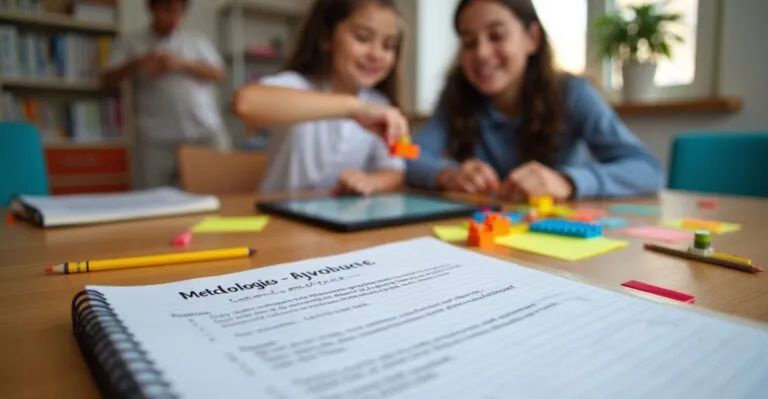 Active Learning Methods: Strategies to Engage Students
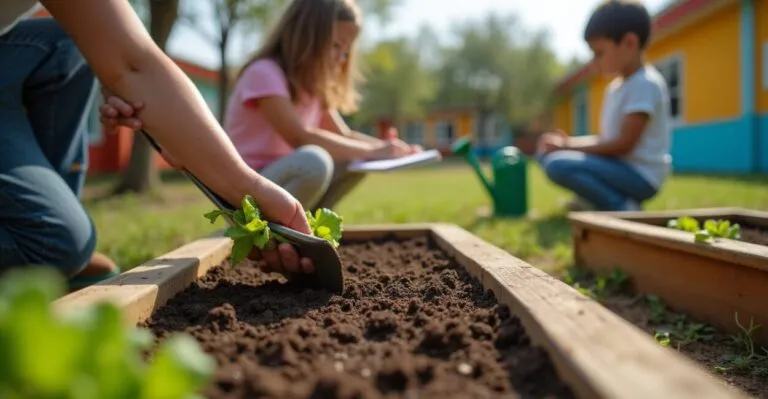 School Gardens as Learning Labs: Inspiring Projects for 2025
