

The educational process is a sequence of intentional actions designed to promote meaningful learning through planning, interaction, and assessment. Understanding the educational process matters because it can improve teaching outcomes, align goals, and transform practices in schools, courses, and training institutions.
In practice, the educational process faces challenges such as limited resources, different learning paces, and the need for ongoing teacher training. This practical guide describes models, stages, and tools for implementing effective, scalable educational processes in a variety of settings.

Definitions and Concepts of the Educational Process
Conceptual foundations of the educational process
The educational process combines learning objectives, teaching methods, and ongoing assessment to build competencies. At its core, it brings learning theories, such as constructivism and active learning, together with real-world applications to help students develop relevant knowledge, skills, and attitudes.
This approach involves a range of stakeholders: teachers, students, administrators, and the community. Each contributes to knowledge-building, organizing the learning environment, and providing formative feedback, creating continuous cycles of improvement in teaching practices.
A focus on authentic learning and connections between theory and practice makes the educational process dynamic, adaptable, and centered on students’ overall development.
Essential elements of the educational process
The essential elements of the educational process include clear objectives, a coordinated curriculum, active learning methods, teaching resources, and assessment systems. These components work together to guide the teaching and learning journey and enable evidence-based adjustments.
In addition, time management, teacher training, and institutional infrastructure directly affect the quality of the educational process. Well-designed plans account for these factors to ensure that intentions align with practice.
By balancing theory, practice, and assessment, the educational process supports progressive, measurable learning paths focused on results and inclusion.
Factors that affect the educational process
Factors such as socioeconomic context, public policy, available technology, and school culture affect the educational process. These variables shape expectations, access to resources, and student engagement, requiring adjustments to teaching methods and curricula.
Equity issues, such as differences in internet access or literacy levels, call for targeted strategies to prevent learning gaps. Analyzing these variables enables more focused and effective interventions.
With an accurate needs assessment and relevant data, institutions can adjust teaching practices, prioritize resources, and track results to reduce disparities and improve academic performance.
- Clearly defined learning objectives
- Active, student-centered teaching methods
- Integrated formative and summative assessment
- Ongoing teacher training
- A suitable physical and technological environment
Models and Approaches to the Educational Process
Traditional and contemporary models
Traditional models emphasize content delivery and final assessment, while contemporary approaches prioritize active learning, problem-solving, and interdisciplinary work. The model chosen affects curriculum design, teaching methods, and measures of success.
Many systems opt for hybrid models that combine a structured curriculum with hands-on projects and educational technology. This combination aims to maintain academic rigor without sacrificing relevance or engagement.
Adopting flexible models helps align institutional goals with students’ needs and the demands of the job market, promoting transferable learning.
Student-centered approaches
Student-centered approaches prioritize autonomy, individual interests, and learning pace, encouraging active participation and responsibility for one’s own learning. Strategies such as project-based learning and blended learning can increase motivation and content retention.
Teachers act as facilitators, designing authentic learning experiences and providing ongoing feedback. Assessment shifts toward diagnosing needs and guiding the learning process.
This focus requires teacher training and curriculum design that supports personalization and a variety of activities while maintaining competency standards.
Integrating educational technology
Technology can expand access and make the educational process more flexible through LMS platforms, multimedia content, and educational data analysis. It supports asynchronous learning, adaptive resources, and real-time tracking of student progress.
However, technology is a tool, not a substitute for skilled teaching. Successful implementation combines digital resources with sound teaching strategies and ongoing teacher training.
According to UNESCO, 60% of institutions that integrated technology with teacher training saw improvements in student engagement (UNESCO).
- Map learning objectives and success indicators.
- Design activities that align with the objectives and use a variety of methods.
- Use regular formative assessments to adjust instruction.
- Train teaching staff in methods and technology.
- Track results and revise the plan based on evidence.

Teaching and Assessment Methods in the Educational Process

Active learning and experiential learning
Active learning methods, such as problem-based and project-based learning, put students at the center of the educational process, encouraging them to solve real-world problems and work collaboratively. These strategies develop critical thinking and social-emotional skills.
Experiential activities connect theory to practice, helping students apply what they learn in professional settings. Teachers design authentic scenarios that require students to apply concepts and make decisions.
When implemented well, active learning methods improve content retention and student satisfaction, but they require detailed planning and aligned assessment methods.
Formative and summative assessment
Formative assessment provides ongoing feedback to guide adjustments, while summative assessment measures competency at the end of a learning cycle. Combining the two supports diagnosis, learning, and evidence of achievement.
Formative techniques include quick quizzes, portfolios, and rubrics; summative techniques include exams, final projects, and presentations. Together, they provide a more complete picture of student development.
According to the OECD, systems that adopt formative assessment see up to a 15% improvement in average student performance (OECD).
Quality measures and indicators
Quality indicators for the educational process may include retention rates, performance on standardized assessments, course completion rates, and student satisfaction ratings. These indicators guide policies and continuous improvement efforts.
Tools such as learning analytics, classroom observations, and curriculum audits help collect relevant data. Analyzing these data enables more precise and efficient interventions.
Quantitative data, combined with qualitative assessments, provide a holistic view of the educational process’s effectiveness and support strategic decisions.
| Method | Focus | When to use it |
|---|---|---|
| Lecture | Content delivery | Introducing concepts and teaching large classes |
| Project-based learning | Practical application | Building competencies and integrating the curriculum |
| Case study | Critical analysis | Professional settings and problem-solving |
| Blended learning | Flexibility and personalization | Combining online and in-person instruction to differentiate learning |
Institutional Implementation of the Educational Process
Strategic planning and curricula
Institutional strategic planning translates a mission into measurable educational goals. Curricula should connect competencies, content, and assessment criteria in ways that reflect local needs and the job market.
Curriculum design should account for progression levels, interdisciplinary opportunities, and flexible options such as learning pathways. School governance helps ensure that these efforts are implemented and aligned.
Successful institutions review their curricula every 2–4 years, incorporating feedback from students, teachers, and employers to keep them relevant.
Teacher training and professional development
Ongoing teacher training programs are essential for improving teaching practices and the use of technology. Hands-on training, mentoring, and teacher learning communities increase the effectiveness of the educational process.
Professional development investments should prioritize active learning methods, formative assessment, and classroom management. Setting aside time for regular professional development (for example, 40–80 hours per year) can improve outcomes.
According to academic studies, teachers who participate in ongoing professional development programs tend to improve student outcomes by an average of 10–12% (academic study).
Resource and infrastructure management
Strategically allocating financial, human, and technological resources directly affects the educational process. Adequate infrastructure, such as laboratories and reliable internet access, expands teaching possibilities.
Budget planning should account for maintenance, technology upgrades, and teacher training. Estimated costs vary by context; for example, modernizing classrooms for blended learning can cost between R$ 50,000 and R$ 250,000 per institution, depending on scale.
Administrators should prioritize investments with clear educational returns, track indicators, and adjust allocations based on evidence of impact.
- Improved overall academic performance
- Greater student engagement and retention
- Development of social-emotional skills
- Better alignment with job market demands
- Greater equity and inclusion when implemented well
Benefits, Challenges, and Limitations of the Educational Process
Key benefits of the educational process
A well-structured educational process improves teaching quality, promotes lasting learning, and prepares students for professional settings. Aligning objectives and assessment provides clarity and transparency about progress.
It also supports students’ overall development by building cognitive and social-emotional skills. Institutions that adopt student-centered practices tend to see sustained improvements in performance and satisfaction.
These benefits depend on institutional alignment, teacher training, and adequate support to be sustained over the long term.
Common drawbacks and limitations
Limitations include resistance to change, lack of resources, unequal access to technology, and insufficient teacher training. These factors can prevent full implementation of the educational process and create a gap between intention and practice.
Another challenge is measuring complex competencies, such as creativity and leadership, which require more sophisticated assessments and time to observe. Adjustments to timelines and budgets may be necessary.
To address these issues, institutions need realistic planning, prioritized investments, and phased training and support programs.
Institutional risks and mitigation
Risks include budget overruns, implementation without monitoring, and a lack of teacher engagement. Mitigation involves setting clear indicators, establishing feedback cycles, and using participatory governance to make data-informed decisions.
Mitigation plans should also account for technology contingencies and digital inclusion strategies to reduce disparities. Engagement from colleagues and leaders makes it easier to adopt changes.
Ongoing monitoring and regular policy reviews allow institutions to adjust their efforts before problems become entrenched.
- Cultural resistance to change
- High upfront investments
- Unequal access to technology
| Aspect | Benefits | Drawbacks |
|---|---|---|
| Use of technology | Flexibility, personalization | Cost, need for training |
| Active learning methods | Engagement, retention | Requires planning time |
| Formative assessment | Ongoing feedback | Requires reliable tools |
Adoption in Courses and Teaching Practices
Curriculum design for courses
Curriculum design involves defining learning outcomes, selecting content, and organizing coherent instructional sequences based on expected competencies. Well-designed courses connect theory, practice, and assessment, providing students with clear learning paths.
It is a good idea to map competencies by module and define observable evidence of learning, making assessment with rubrics and portfolios easier. Modular design supports ongoing updates and integration with professional practices.
This approach makes it easier to adapt courses to regional and job market needs, improving graduates’ employability.
Classroom strategies and engagement
Effective strategies include active learning, prompt feedback, differentiated assignments, and intentional use of technology. Creating collaborative, supportive environments encourages participation and experimentation.
Classroom routines that alternate lectures with hands-on activities and reflection support different learning styles and promote social-emotional development.
Measuring engagement with indicators such as participation and assignment completion helps teachers adjust their approaches in a timely manner.
Student support and follow-up
Tutoring, mentoring, and academic advising are critical components of the educational process, offering individualized support to overcome challenges and plan learning paths. Early interventions help prevent students from dropping out and improve performance.
Learning platforms with dashboards can track progress and identify at-risk students, prompting tutors or support plans to step in. These measures can increase completion and retention rates.
According to institutional studies, well-structured tutoring programs reduce dropout rates by up to 20% in some settings.
- Set clear, measurable objectives
- Use active learning methods whenever possible
- Implement regular formative assessments
- Invest in ongoing teacher training
- Track indicators and adjust practices
Monitoring, Assessment, and Continuous Improvement of the Educational Process
Monitoring systems and indicators
Monitoring systems combine academic data, assessments, and qualitative feedback to evaluate the effectiveness of the educational process. Key indicators include pass rates, retention, progress by competency, and student satisfaction.
Analytics tools can identify patterns and predict where interventions may be needed. Well-designed dashboards turn raw data into actionable insights for administrators and teachers.
Integrating these systems with review policies creates cycles of continuous improvement and makes institutions more responsive.
Program evaluation and impact
Program evaluation measures short-, medium-, and long-term outcomes, including academic and socioeconomic impacts. Impact studies and external evaluations lend credibility to implemented changes.
Mixed methods (quantitative and qualitative) capture the complexity of the educational process and the nuances of its context. Regular reports guide decisions about scaling and funding.
According to government research, programs with external evaluations are more likely to receive additional funding and expand.
A culture of continuous improvement
Building a culture of continuous improvement means promoting organizational learning, encouraging innovation, and documenting effective practices. Involving teachers and students in the review cycle strengthens buy-in and helps make changes sustainable.
Practices such as data review meetings, communities of practice, and controlled pilots make it easier to experiment safely and scale successful approaches. Transparent communication about goals and results builds institutional trust.
With this culture in place, the educational process becomes adaptive, evidence-based, and focused on measurable outcomes.
Conclusion
The educational process is an integrated set of practices, methods, and policies designed to maximize meaningful learning in diverse settings. Implementing it requires planning, teacher training, resources, and ongoing assessment to ensure effectiveness and equity.
By aligning clear objectives, active learning methods, and data-driven monitoring, institutions can improve performance, engagement, and course relevance. Start by mapping objectives, training teams, and evaluating results.
Consider how your setting can adapt these guidelines, then launch a pilot program to test improvements to the educational process.
Frequently Asked Questions
What is the educational process?
The educational process refers to a set of intentional actions designed to promote learning, including curriculum planning, teaching methods, resources, and assessment. It involves interactions among teachers, students, and the community, with a focus on developing cognitive and social-emotional competencies. This process is ongoing, adaptable, and guided by clear objectives, making it essential to ensuring that education is relevant, equitable, and effective in different institutional and social settings.
How is the educational process implemented?
Implementation of the educational process begins with a needs assessment and goal-setting, followed by curriculum design, teacher training, and resource allocation. Teaching methods and formative assessments are then implemented to guide adjustments. Ongoing monitoring and data analysis enable corrections and scaling. Involving stakeholders, conducting pilots, and establishing review cycles help ensure that the process fits its context and continuously improves educational outcomes.
What is the difference between the educational process and a teaching method?
The educational process is a broad concept that includes planning, management, teaching methods, assessment, and institutional policies; a teaching method is one specific component of that process, referring to the strategies used in the classroom to support learning (e.g., lectures, projects, and case studies). In other words, methods are practical tools within a broader educational process that defines objectives, resources, and assessment.
When should active learning methods be used in the educational process?
Active learning methods are recommended when the goals include greater engagement, critical thinking, and practical application of knowledge. Use them in projects, applied courses, technical training, and situations that require collaboration. They are especially useful for improving retention and the transfer of learning, but require planning and implementation time. In large classes, combining active learning activities with lectures can balance efficiency and engagement.
How much does it cost to implement a modern educational process?
Costs vary by scale and context: curriculum adaptation requires staff time and labor; infrastructure upgrades for blended learning can range from R$ 50,000 to R$ 250,000 per institution; and robust teacher training programs can cost R$ 500 to R$ 3,000 per participant, depending on duration. Phasing the work and prioritizing high-impact investments can make it more financially feasible.
Artigos Relacionados
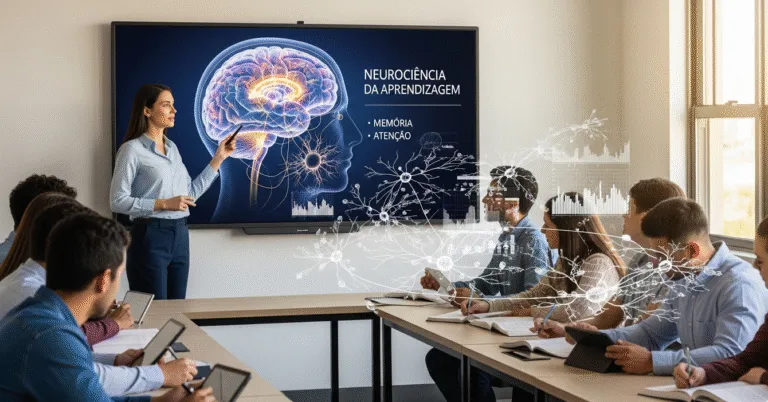 Applied Neuroscience of Learning: A Complete Guide
 Educational best practices: A complete guide to transforming teaching
 Educational Technology and Blended Learning: The New Normal in Education
 Educational Innovation: Transform Learning With New Technology
 Educational Metaverse: A New Frontier for Interaction and Collaboration in Learning Environments
 School Bullying: A Complete, Practical Guide
