
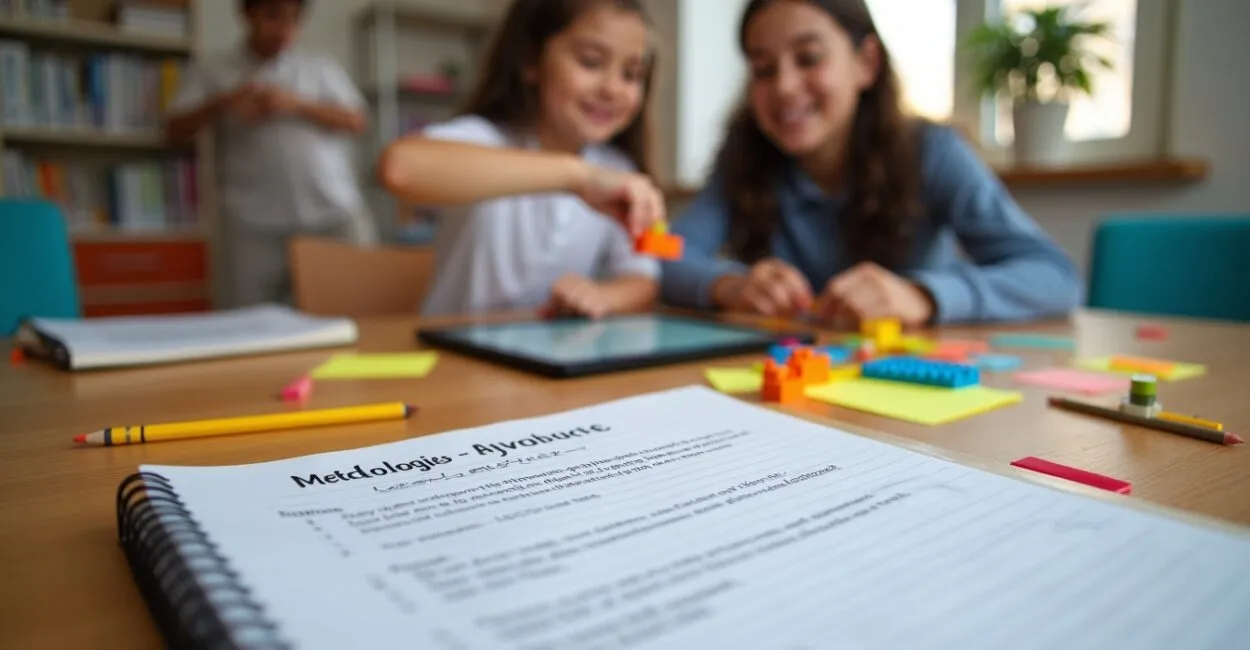
Active learning methods transform the teaching and learning process by putting students at the center of knowledge building. By emphasizing participation, inquiry, and problem-solving, teachers can increase engagement and retention. Here, you’ll find a definition, benefits, and practical ways to start using active learning methods in elementary school.
In schools, adopting active learning methods addresses the need to develop social-emotional skills, critical thinking, and collaboration. Many teachers face challenges such as planning, time management, and assessment, but there are clear steps for overcoming these barriers and implementing effective classroom practices.

This article details strategies, practical examples, comparisons between methods, benefits, limitations, and a step-by-step plan for using active learning methods in elementary school, including tips for classroom management and formative assessment.
Essential concepts in active learning methods
Foundations of active learning methods
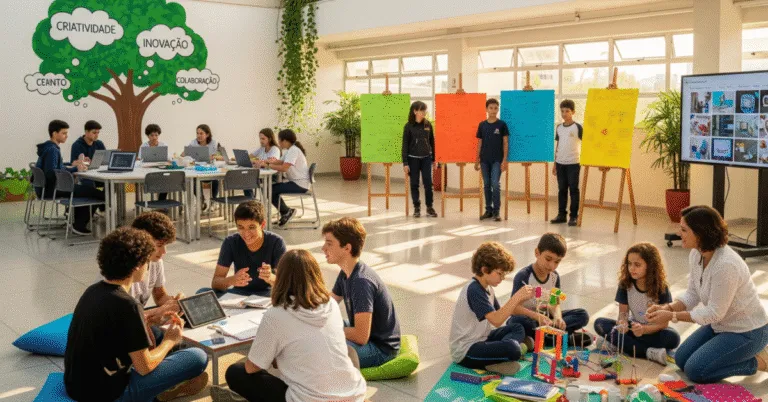
Active learning methods put students in the lead of their own learning, emphasizing inquiry, experimentation, and collaborative problem-solving. This approach brings together project-based learning, the flipped classroom, and cooperative learning, among other strategies, to foster autonomy. Related terms such as active learning, student-centered instruction, and participatory pedagogy frequently appear in educational discussions and help illustrate the breadth of the concept.
When applying these principles, teachers take on new roles as facilitators, guides, and formative assessors. The goal is to connect curriculum content with activities that require critical thinking and collaboration.
Teachers will find a range of practices here that can be adapted to the elementary school curriculum while respecting different learning paces and styles.
Key elements of active learning practices
Active learning practices rely on elements such as inquiry, ongoing feedback, and teamwork. Authentic, contextualized problems encourage investigation; frequent feedback guides progress; and collaboration builds social skills. These elements are essential for meaningful learning rather than rote memorization.
When used effectively, technology can support personalization and provide multimedia resources for inquiry. Digital tools should support—not replace—the teaching process.
Planning should include time for exploration, synthesis, and assessment, respect students’ pace, and ensure that everyone participates actively.
Related terms and variations
Variations on active learning methods include Project-Based Learning (PBL), the Flipped Classroom, and Gamification. Each has a distinct emphasis: PBL focuses on interdisciplinary projects; the flipped classroom moves content delivery to the home; and gamification uses game mechanics to motivate students. These terms help teachers choose approaches that align with their instructional goals.
The range of terminology makes it easier to adapt approaches to different cultures and curricula, allowing teachers to combine methods to meet the needs of their schools and elementary school classes.
Understanding these variations broadens teachers’ repertoires and supports more creative and effective classroom interventions.
- Active learning: emphasizes student participation
- Project-based learning: integrates the curriculum through projects
- Flipped classroom: content at home, practice in class
- Cooperative learning: group tasks with positive interdependence
- Gamification: uses game mechanics to boost engagement
Practical planning for active learning methods
Setting objectives and aligning with the curriculum
When planning active learning methods, set clear learning objectives aligned with the elementary school curriculum. Defining competencies and assessment criteria makes it easier to select activities and connect them to required content. Consider cognitive, procedural, and social-emotional objectives to support well-rounded learning.
Set timelines and identify resources, taking the actual school schedule and any adaptations for diverse classrooms into account. Clear objectives guide instructional choices and formative assessment.
Document objectives in the lesson plan and share them with students to promote transparency and accountability in the learning process.
Organizing resources and materials
Identify available resources, including print and digital materials, spaces, and potential partners. Adapt activities to your school’s circumstances; simple projects using recycled materials or smartphones can be highly effective. Plan alternatives in case of technology limitations, and establish clear routines for using resources in class.
Connecting resources to each stage of the plan makes implementation easier and prevents wasted time. Prepare handouts, group guides, and assessment rubrics to support students and facilitators.
Detailed planning reduces surprises and increases the likelihood that active learning methods will succeed in elementary school.
Step-by-step classroom implementation
Introduce active learning methods gradually, starting with short activities and increasing complexity as the class gets used to them. Set expectations for classroom behavior, goals, and ongoing assessment. Monitor progress and make adjustments based on evidence of learning.
Consider alternating direct instruction with hands-on activities, providing support when needed. Establish routines that support transitions and effective use of time.
Record observations and results to inform future cycles and show the school community how students are progressing.
- Set clear, measurable objectives.
- Choose an active learning strategy that fits the topic.
- Organize the necessary resources and materials.
- Start small and gather feedback.
- Refine and expand the practice based on evidence.
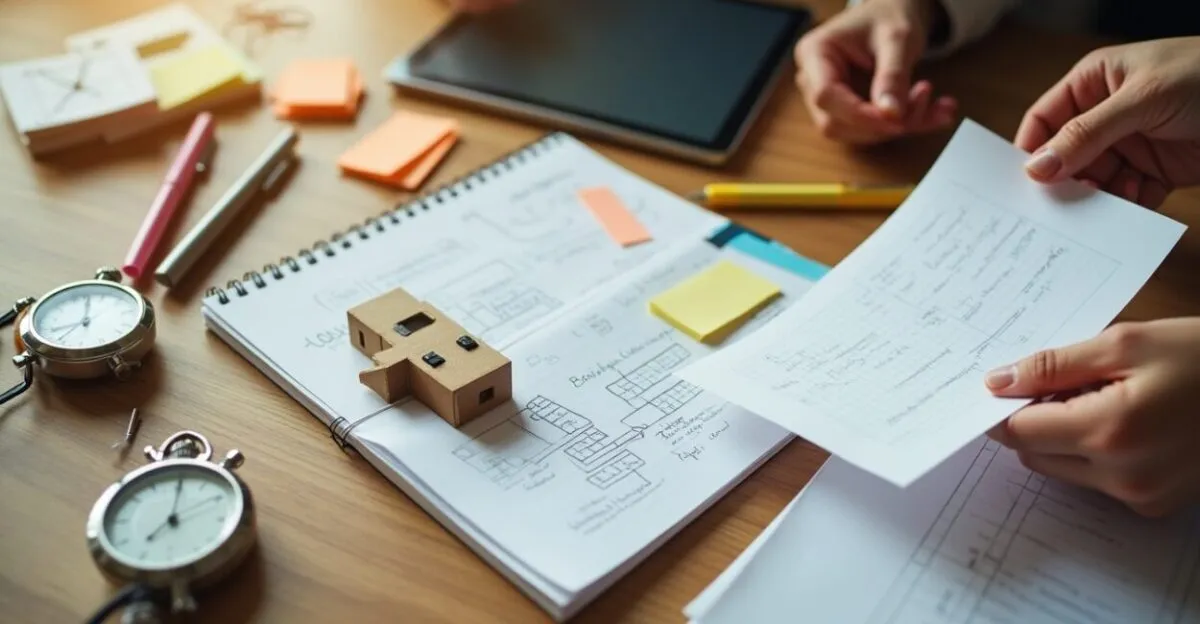
Comparing active learning approaches

Project-based learning vs. standalone activities
Project-Based Learning (PBL) promotes in-depth inquiry and cross-disciplinary connections, while standalone activities tend to address specific skills in isolation. PBL takes more time and coordination, but produces complex outcomes; standalone activities are quick and useful for reinforcing content.
In elementary school, PBL encourages autonomy and practical application, making it ideal for interdisciplinary topics. Standalone activities work well for reinforcing learning or formative assessment.
The choice depends on the objectives, available time, and the teacher’s ability to manage the class.
The flipped classroom compared with direct instruction
In a flipped classroom, students study theoretical content at home through videos or readings and do hands-on work in class. With direct instruction, the teacher delivers the content during class. Flipping the classroom frees up time for practical activities and personalized feedback, but requires students to have access to materials outside school.
In elementary school, the flipped classroom works best when the school ensures digital access or provides printed alternatives. Direct instruction remains valuable for introducing topics and when technology is limited.
Balancing both strategies expands opportunities for differentiated instruction.
Gamification and cooperative learning
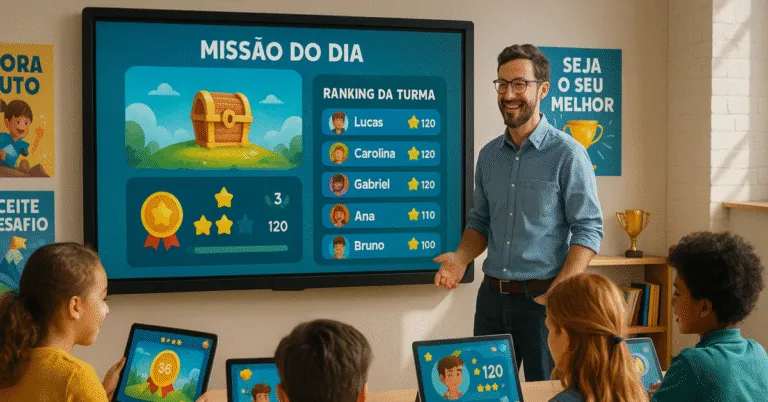
Gamification applies game elements to learning tasks to increase engagement; cooperative learning organizes group work with shared responsibilities. Gamification motivates students through rewards and progression, while cooperative learning develops communication and social responsibility.
In elementary school, combining gamification and cooperation can maximize participation and promote social-emotional skills. Use clear goals and assessments that reflect both individual and group contributions.
Implementation requires care to prevent rewards from overshadowing genuine learning.
| Method | Focus | Typical duration |
|---|---|---|
| PBL | Interdisciplinary exploration | 3–8 weeks |
| Flipped classroom | In-class practice | Weekly sessions |
| Gamification | Motivation and engagement | Ongoing |
| Cooperative learning | Social skills | Projects and routines |
Assessment and monitoring in active learning
Formative assessment and feedback
Formative assessment is ongoing and guides learning as it happens. Use observations, portfolios, and rubrics to document progress. Specific, immediate feedback improves retention and helps students get back on track before summative assessment. In elementary school, clear feedback helps students develop autonomy and metacognition.
Record evidence of learning and share it with students and families to promote transparency and engagement. Use self-assessment and peer assessment to build accountability.
Digital tools can automate data collection, but the teacher’s perspective remains essential for interpreting the learning process.
Practical assessment tools
Rubrics, checklists, concept maps, and portfolios are useful tools for active learning methods. Rubrics make criteria explicit; portfolios document progress; and checklists organize collaborative tasks. Choose tools that align with your objectives and share the criteria with students.
Read also: The Reggio Approach: The Secret to More Creative Classrooms
For public school systems or schools with limited resources, simple paper-based versions work just as well as digital tools and help ensure equity. Adapt tools to the age and language skills of elementary school students.
Combine tools to get a multidimensional picture of learning and avoid relying solely on traditional tests.
Indicators and data collection
Set clear indicators: participation in activities, quality of student work, progress in specific skills, and self-assessment. Collect data regularly and use it to guide instructional adjustments. According to the Instituto Ayrton Senna, a Brazilian nonprofit that promotes education and social development, schools using formative assessment see performance on external assessments improve by up to 10% over one year (Instituto Ayrton Senna).
Analyze quantitative and qualitative data to understand progress and learning gaps. Share results with the school community to develop collaborative initiatives.
Use simple records, such as spreadsheets or charts, to track indicators and plan instructional interventions.
Benefits and impact of active learning methods
Learning outcomes and student development
Active learning methods improve retention and develop skills such as critical thinking, teamwork, and autonomy. According to an OECD study, schools using active learning practices perform up to 12% better on problem-solving tasks (OECD), pointing to a positive impact on 21st-century skills.
In elementary school, these practices contribute to greater engagement and lower dropout rates by making learning more relevant and connected to students’ lives.
Results multiply when schools, families, and communities work together in the educational process.
Social-emotional and behavioral benefits
Collaborative activities and group projects develop empathy, communication, and emotional self-regulation. Learning in groups and taking on roles builds responsibility and improves the school climate. Data show that social-emotional interventions can reduce disruptive behavior by up to 20% in one year (source: CASEL) (CASEL).
These skills are especially valuable in elementary school, when students are developing habits for getting along with others and learning from their peers.
Assessing social-emotional development also broadens our understanding of the impact of active learning methods beyond academic performance.
Impact on motivation and attendance
Engagement increases when students see purpose and autonomy in their activities. Active learning methods reduce passivity and encourage meaningful participation in class. According to local research in municipal school systems, classes that implemented weekly projects saw attendance rise by 8% over six months (Municipal Department of Education).
Intrinsic motivation grows when tasks are meaningful and well contextualized. Teachers report that students are more willing to explore topics in depth when they have a tangible outcome to work toward.
Finally, motivation is sustained by varying strategies and recognizing individual and group effort.
- Improved retention and deeper understanding
- Development of social-emotional skills
- Greater engagement and school attendance
- Improved problem-solving skills
- Greater autonomy and responsibility
Limitations and challenges of active learning methods
Structural barriers and resources
Limitations include inadequate infrastructure, large classes, and a lack of materials. In many schools, limited internet access makes strategies such as the flipped classroom difficult. These barriers require teachers to adapt creatively and plan around real-world constraints. Identifying local partners and using low-cost materials are practical strategies.
School leaders need to support ongoing professional development and the reorganization of spaces to make active learning possible. Without institutional support, implementation tends to be partial and difficult to sustain.
Overcoming these challenges requires planning, prioritization, and finding alternative resources, including community resources.
Teacher training and resistance
The shift in the teacher’s role can meet resistance and requires practical pedagogical training. Many teachers have not been prepared to serve as facilitators and need courses, peer observations, and coaching. Practical ongoing training focused on planning, group management, and formative assessment is crucial to success.
Building professional learning communities within schools encourages teachers to share experiences and reduces feelings of isolation. Incentives and institutional recognition can also support the adoption of new practices.
Investing time in initial training and ongoing support increases teachers’ confidence and effectiveness in using active learning methods.
Assessing and measuring results
Measuring impact requires appropriate tools; traditional assessments may not capture the skills developed through active learning methods. Creating clear rubrics and indicators takes time and expertise. Without them, school leaders may underestimate important qualitative outcomes, such as critical thinking and teamwork.
Combining formative and summative assessments with qualitative records provides a more complete picture of learning. Controlled studies and long-term monitoring help demonstrate effects over time.
Plan assessment systems tailored to the goals of active learning methods so important gains aren’t overlooked.
- Limited infrastructure and large classes
- Need for ongoing teacher training
- Difficulty assessing nontraditional skills
Tips and best practices for elementary school
Classroom management strategies
Arrange the classroom in stations or clusters to support group work and make it easy for the teacher to move around. Set clear expectations for transitions and activity time. Use visual cues to show each stage and the time remaining. Predictable routines help students take responsibility and stay focused.
Assigning roles within groups (recorder, researcher, facilitator) encourages equitable participation and builds autonomy. Reinforce expectations and review rules regularly as the class progresses.
Keeping behavior records and giving frequent positive feedback help maintain engagement and create a supportive learning environment.
Adapting activities by age group
In elementary school, adjust the complexity and length of activities to suit students’ ages. Younger children benefit from short tasks (15–25 minutes) and visual support; older students can lead projects that span several weeks. Use accessible language and hands-on materials to support understanding and engage students with different learning styles.
Breaking projects into smaller steps and celebrating small wins helps maintain motivation. Include reflection and self-assessment activities suited to students’ cognitive development.
Flexibility and ongoing observation make it possible to adjust activities and support successful learning at every age.
Connecting with families and the community
Engage families by sharing objectives, student work, and evidence of learning. Invite community members to participate as experts, mentors, or project audiences. Local partnerships enrich projects and connect schools with students’ social realities.
Regular communication through notes, meetings, or digital platforms strengthens family support and expands the impact of active learning methods. Consider hosting project showcases to celebrate students’ work.
This connection helps sustain these practices and builds recognition of learning beyond the classroom.
- Set clear routines and organize work stations
- Adapt time and resources to each age group
- Assign group roles to build accountability
- Communicate with and involve families regularly
- Document and celebrate student achievements
Conclusion
Active learning methods offer practical ways to engage elementary school students while developing cognitive and social-emotional skills. By setting clear objectives, adapting strategies, and using formative assessment, teachers can create a productive and meaningful classroom environment. Try a structured cycle of planning, implementation, assessment, and adjustment to establish these practices.
Start small, gather evidence, and expand gradually. Active learning methods don’t replace the curriculum; they strengthen it by connecting learning with real-world, collaborative practices. Get your team thinking and try your first classroom experiment today.
Frequently asked questions about active learning methods
What are active learning methods?
Active learning methods are instructional approaches that put students in the lead of their own learning by promoting inquiry, problem-solving, and collaboration. Unlike traditional instruction, they prioritize hands-on experiences and ongoing reflection. In elementary school, these practices foster autonomy, critical thinking, and social skills, making learning more meaningful and connected to students’ lives.
How are active learning methods implemented?
Implementation involves setting learning objectives, choosing a strategy (such as projects, the flipped classroom, or cooperative learning), organizing resources, and selecting formative assessment tools. The teacher acts as a facilitator, guiding inquiry and providing feedback. It’s best to start with short activities, gather evidence of learning, and make ongoing adjustments to ensure the approach is effective and sustainable.
What’s the difference between active learning methods and traditional instruction?
Traditional instruction focuses on the teacher delivering content and on summative assessment. Active learning methods prioritize student participation, experiential learning, and ongoing formative assessment. They develop skills beyond subject matter, such as teamwork and critical thinking, and require more planning and coordination from teachers.
When should you use project-based learning?
Use Project-Based Learning when you want to connect content, explore interdisciplinary topics, and develop research and collaboration skills over several weeks. It’s well suited to putting concepts in a real-world context and creating tangible products. For elementary school classes, break projects into short stages to keep students focused and moving forward.
How much does it cost to implement active learning methods?
Costs vary. Many practices require only planning and creativity, with little investment in materials such as recycled supplies. Technology adds costs but isn’t required. According to public programs, teacher training through specialized courses can cost between R$500 and R$2,000 per teacher, depending on the course length and provider. Partnerships and community resources can help reduce expenses.
Artigos Relacionados
 Active Learning in Lesson Planning: Strategies and Examples
 Assessing Learning: Modern and Innovative Methods for Students
 Modern Elementary Education: Practices That Engage Students
 Active Learning Pedagogy in Extracurricular Activities: Engagement and Learning
 Educational Gamification: Innovative Strategies to Boost Student Engagement
