
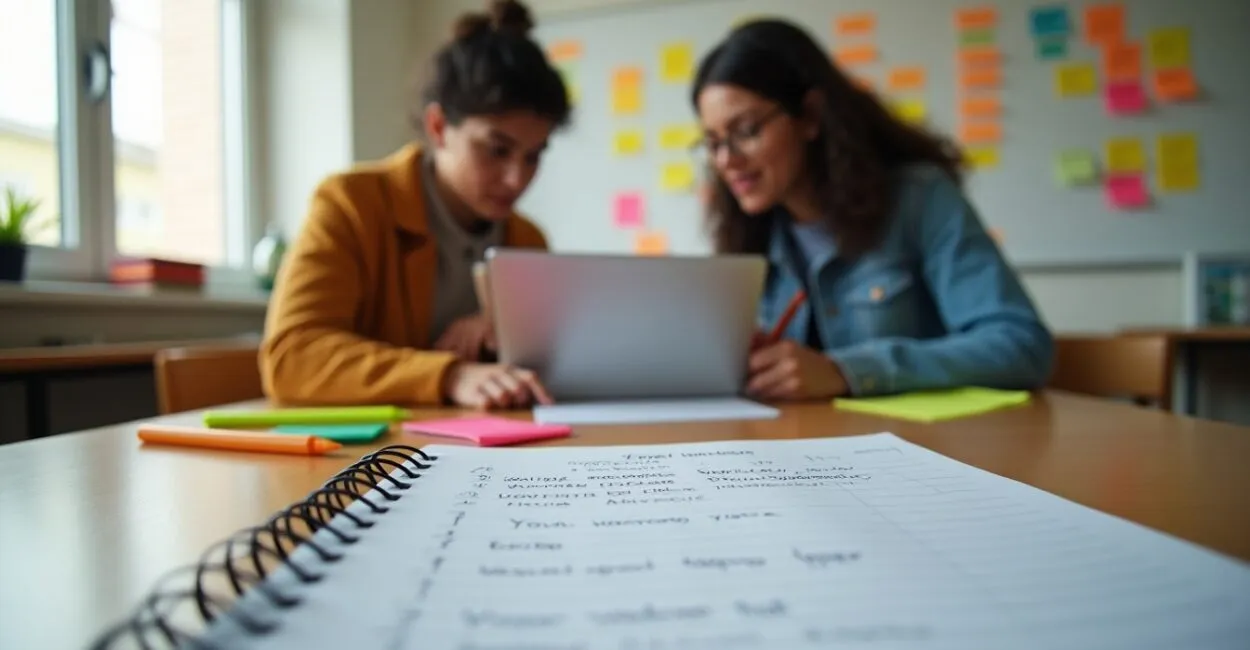
Collaborative learning is a teaching approach in which students work together to build knowledge, solve problems, and develop social skills. It matters because it promotes active engagement, critical thinking, and 21st-century skills, and can be used across subjects and grade levels. Start by setting clear goals, assigning students to groups with distinct roles, and establishing shared evaluation criteria.
A common challenge is organizing effective group work: uneven participation, conflicts, and a lack of structure can undermine results. By using management techniques, formative assessment, and feedback tools, you can increase student interaction and improve learning. This article explores practical strategies for planning, leading, and evaluating collaborative activities.

We’ll cover grouping models, roles and responsibilities, digital resources, peer assessment, conflict resolution, and step-by-step activity examples to enhance collaborative learning in the classroom.
Collaborative Learning Models and Group Organization
Grouping Approaches and Dynamics
Choosing a grouping model is essential to maximizing collaborative learning. Heterogeneous groups encourage knowledge sharing and differentiated instruction, while homogeneous groups can help students master specific content more quickly. Consider group size, the range of skills, and the task objectives when forming teams.
Rotating roles, such as facilitator, researcher, and reporter, also helps distribute responsibilities and develop leadership skills. Tools such as rubrics and group contracts make expectations clear and reduce ambiguity. To encourage interaction, combine in-person work with online collaboration using discussion forums or shared documents. Related concepts such as teamwork, cooperation, and social learning should inform activity design.
Planning Collaborative Tasks
Good planning defines the final product, success criteria, and intermediate steps. Break complex tasks into smaller subtasks with clear deadlines and checkpoints to keep work on track. Clear instructions reduce friction and improve coordination among students.
Include individual and group goals to balance accountability with positive interdependence. Scaffolding techniques, such as research guides and guiding questions, support the shared construction of knowledge. Concepts such as interdependence, individual accountability, and formative assessment help communicate instructional goals and align expectations between teachers and students.
Monitoring and Ongoing Adjustments
Monitoring group progress allows for timely instructional interventions. Use tools such as structured observation, checklists, and brief check-ins to identify obstacles and redistribute tasks. Ongoing feedback strengthens collaborative learning and student self-regulation.
Track progress and challenges in digital platforms or group journals to ensure transparency. Interventions may include reorganizing groups, mediating conflicts, or providing individualized support. Concepts such as mediation, formative feedback, and self-regulation naturally come into play during monitoring and help establish effective collaboration practices.
- Set goals: Establish clear, measurable goals for the activity.
- Form groups: Group students based on skills and diversity.
- Assign roles: Give each member specific responsibilities.
- Provide resources: Make materials, rubrics, and digital tools available.
- Monitor progress: Hold checkpoints and provide ongoing feedback.
Strategies to Encourage Interaction in Collaborative Learning
Communication Techniques and Active Listening
Encouraging clear communication and active listening is vital to collaborative learning. Teach discussion protocols, such as taking turns, giving constructive feedback, and asking guiding questions to deepen the conversation. Active listening helps students integrate ideas and avoid misunderstandings.
Warm-up activities, such as open-ended questions and brief presentations, help create a safe environment for participation. Tools such as collaborative concept maps make student contributions visible. Related concepts, including Socratic dialogue, social-emotional skills, and co-construction, are central to effective classroom communication.
Using Technology to Encourage Interaction
Digital resources expand the possibilities for collaborative learning: shared documents, virtual whiteboards, and video conferencing tools enable coauthoring and asynchronous communication. These platforms track contributions and make peer assessment easier. Choose tools that are accessible and easy to use. Integrating platforms with digital rubrics and real-time comments improves transparency and group accountability.
Related terms such as educational platforms, online coauthoring, and blended learning naturally come up when describing technology solutions for collaboration.
Classroom Climate and Group Motivation
Creating a positive classroom climate is a prerequisite for collaborative learning to thrive. Set expectations for how students treat one another, celebrate small wins, and establish shared goals to boost the group’s intrinsic motivation. Recognizing group achievements strengthens engagement.
Team-building activities and regular reflections on the process help build trust. Encourage mutual accountability to keep students committed to their tasks. Engagement, trust, and mutual responsibility are essential to sustaining productive relationships among students.
| Tool | Primary Use |
|---|---|
| Collaborative documents | Coauthoring and real-time editing |
| Virtual whiteboards | Brainstorming and visual organization |
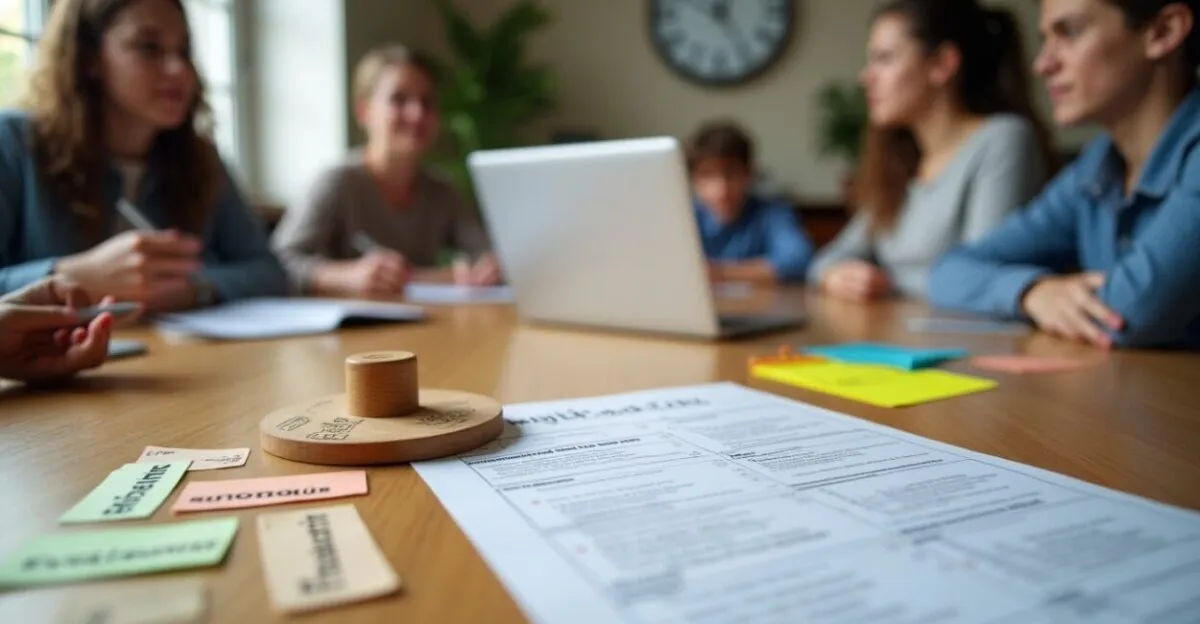
Roles, Responsibilities, and Assessment in Collaborative Learning

Clearly Defined Roles
Assigning roles such as facilitator, researcher, reporter, and evaluator distributes tasks and helps students develop different skills. Rotating roles expands learning opportunities and prevents one member from dominating. Describe each role’s responsibilities, success criteria, and expected time commitment. This prevents overload and ensures balanced participation in collaborative learning.
Related concepts such as individual accountability, rotating roles, and task distribution should be included in activity instructions.
Formative and Summative Assessment
Combine formative assessment (ongoing feedback and checkpoints) with summative assessment (the final product and a rubric) to measure both group and individual outcomes. Peer assessment encourages students to reflect on performance and contributions. Use rubrics with explicit criteria to support objective evaluation. Include self-assessment to promote metacognition and self-regulation among students.
Concepts such as rubrics, self-assessment, and peer assessment enrich the approach to evaluating collaborative learning.
Participation Tools and Indicators
Simple metrics, such as contribution frequency, idea quality, and meeting deadlines, help monitor participation. Use edit histories in digital platforms and structured observation to gather evidence.
Define qualitative and quantitative indicators to assess the process. Descriptive feedback guides improvement and encourages accountability.
Read also: Automated Learning Tools: A Complete Guide to Enhancing Your Learning
Concepts such as participation indicators, evidence of learning, and collaboration logs help measure group dynamics.
Designing Effective Collaborative Activities and Tasks
Activities Based on Real-World Problems
Projects based on authentic problems make collaborative learning more relevant and motivating. When students work in real-world contexts, they apply their knowledge, develop problem-solving skills, and collaborate to produce tangible results.
Plan clear deliverables and iterative stages, allowing students to refine their work based on feedback. Include research, prototyping, and presentation as phases of the project.
Concepts such as project-based learning, real-world problems, and prototyping naturally come up when describing this approach to design.
Instructional Sequence and Scaffolding
Organize activities in a sequence, starting with more structured tasks and gradually moving toward greater independence. Scaffolding reduces the initial cognitive load and supports progressively deeper collaborative learning.
Include support materials, examples, and sample responses as references. Gradually remove supports to encourage independence and group accountability.
Concepts such as differentiation, instructional support, and increasing complexity are useful when planning instructional sequences.
Integrating Formative Assessment
Build quick assessments into the process, such as short quizzes, checkpoints, and peer feedback sessions. These practices inform adjustments and keep students focused on collaborative learning goals.
Use the evidence collected to make instructional adjustments and guide interventions. Reflect on the process with students to promote metacognitive learning.
Concepts such as ongoing feedback, checkpoints, and group reflections reinforce the effectiveness of integrated assessment.
Resources and Tools That Enhance Collaboration
Useful Platforms and Apps
Choose platforms that support coauthoring, communication, and task management. Tools such as shared documents, collaborative whiteboards, and educational project management systems help structure collaborative learning.
Prioritize solutions with version control, contribution tracking, and compatibility across devices to support digital inclusion. Train students to use the tools so they can work more productively as a group.
Concepts such as online coauthoring, virtual learning environments, and synchronous tools come up when discussing technology platforms.
Physical Materials and Resources
Physical resources, such as display boards, art supplies, and prototypes, remain useful for in-person activities. They make ideas visible and support hands-on teamwork, complementing digital resources in collaborative learning.
Arrange flexible spaces with movable furniture and collaboration zones to encourage interaction. Material kits and hands-on resources increase engagement in practical projects.
Concepts such as collaborative environments, instructional materials, and active learning add depth to descriptions of physical resources.
Teacher Training and Professional Development
Teacher training is essential to sustaining collaborative learning practices. Training in task design, peer assessment, and conflict mediation makes classroom strategies more effective.
Encourage communities of practice and teacher collaboration to share experiences and resources. Instructional supervision and coaching help teachers implement changes effectively.
Concepts such as professional development, instructional coaching, and reflective practice are commonly associated with strengthening collaborative practices.
| Resource Type | Benefit | Example |
|---|---|---|
| Digital platform | Coauthoring and tracking | Shared documents |
| Physical material | Hands-on experimentation | Kits and prototypes |
Assessment, Feedback, and Conflict Resolution in Collaborative Learning
Effective Feedback Practices
Effective feedback should be specific, tied to clear criteria, and delivered in time to guide improvement. Combine teacher feedback, self-assessment, and peer assessment to include multiple perspectives on performance.
Use detailed rubrics to align expectations and support constructive discussions among group members. Encourage descriptive responses that offer clear ways to improve.
Concepts such as formative feedback, rubrics, and peer assessment are essential to improving the assessment process.
Conflict Management and Mediation
Conflicts within groups can be learning opportunities when handled appropriately. Teach conflict-resolution techniques, establish ground rules, and encourage structured conversations to address disagreements without disrupting progress.
Set clear procedures: identify the problem, listen actively, negotiate solutions, and document agreements. Teachers should intervene in ways that restore cooperation and keep students focused on their goals.
Concepts such as mediation, negotiation, and ground rules naturally come into play in conflict management.
Follow-Up and Reinforcement After Assessment
After assessments, plan follow-up activities that maintain collaborative learning, such as group rewrites, peer tutoring sessions, and improvement projects. These activities reinforce concepts and address learning gaps.
Use assessment results to adjust future tasks and provide targeted support. Collaborative learning can include group review sessions focused on study strategies.
Concepts such as reinforcement, peer tutoring, and follow-up strategies expand the range of options for post-assessment activities.
- Identify problems: Look for and document signs of conflict or low participation.
- Encourage dialogue: Hold a structured meeting to hear from everyone involved.
- Negotiate agreements: Set clear commitments and revised deadlines.
Conclusion
Collaborative learning transforms classrooms by promoting active participation, the shared construction of knowledge, and the development of social-emotional skills. With careful planning, well-defined roles, formative assessment, and technology, teachers can organize effective and equitable group work.
Put these strategies into practice, adapt them to your context, and monitor participation to improve results. Experiment, reflect with your students, and try at least one technique in your next collaborative activity.
Frequently Asked Questions About Collaborative Learning
What is collaborative learning, and when should you use it?
Collaborative learning is an approach in which students work together to build knowledge and solve problems. Use it when your goal is to develop social skills, critical thinking, and independence. This approach works well for projects, case studies, and activities that benefit from diverse perspectives. Plan clear goals, roles, and assessment tools to ensure the activity is effective and equitable for all participants.
How can you assess students individually during group work?
Individual assessment can combine self-assessment, peer assessment, and objective evidence such as activity logs and individual assignments. Use rubrics that distinguish contributions, quality, and meeting deadlines, and include opportunities for formative feedback. This makes it possible to assess individual performance within the group dynamic, promoting accountability and encouraging equitable participation.
Which digital tools make collaboration easier?
Shared documents, collaborative whiteboards, LMS platforms, and task management apps are useful for coauthoring and asynchronous communication. Choose accessible tools that track contributions and allow real-time comments. Training students to use them reduces barriers and improves group organization, while integrating assessment and feedback into the process.
How can you resolve conflicts among student groups?
Resolve conflicts through structured mediation: identify the problem, encourage active listening, negotiate solutions, and document agreements. Teach ground rules and feedback routines to prevent conflicts from escalating. Gentle teacher intervention and group reflection can turn conflict into an opportunity to develop social-emotional skills and improve group collaboration.
What are the indicators of success in collaborative activities?
Indicators include the quality of the final product, balanced contributions, meeting deadlines, improved individual performance, and evidence of metacognitive reflection. Use rubrics, digital logs, and structured observations to collect data. Ongoing feedback and self-assessment help measure progress and identify areas for improvement in collaborative learning.
Useful links: UNESCO – education, ERIC – education database
Artigos Relacionados
 Collaborative Learning in Early Childhood Education
 Neuroscience and Learning: Insights to Boost Your Learning
 Active Learning Methods: Strategies to Engage Students
 School Gardens as Learning Labs: Inspiring Projects for 2025
 Effective Brain Stimulation in Early Childhood Education
 How to Strengthen Memory for School Learning
