

Elementary school activities are planned learning experiences that encourage active learning, social-emotional development, and practical skills. They matter because they connect theory with practice, boost engagement, and help students retain what they learn. To get started, identify learning objectives, available resources, and your class’s grade level.
When planning collections of activities, teachers face challenges such as differences in learning pace, limited resources, and the need to adapt the curriculum. This article presents a collection of practical, creative activities for different elementary grade levels, with implementation suggestions, downloads, and guidance on formative assessment. We’ll cover key concepts, step-by-step plans, comparisons of methods, materials and adaptations, as well as comparison tables, benefits, limitations, and best practices for getting the most out of classroom activities.

Basic Definitions and Concepts About Activities
- Experimental activity: A hands-on activity involving observation, hypotheses, and recordkeeping.
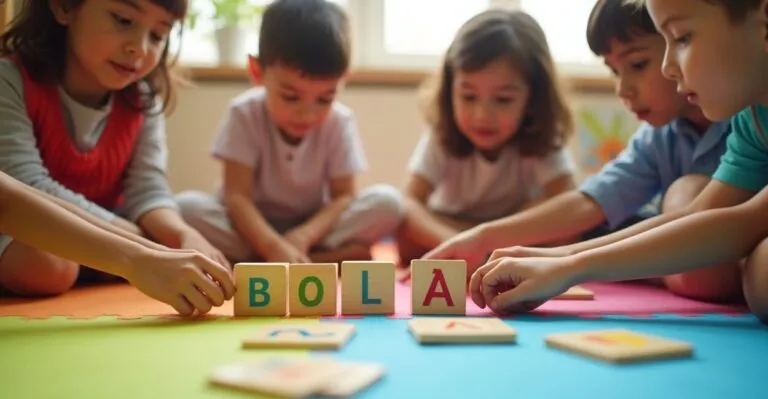
- Play-based activity: Games and group exercises that encourage engagement.
- Interdisciplinary activity: Tasks that connect content from different subject areas.
- Formative assessment activity: Exercises used to monitor progress.
- Adapted activity: A modified version designed to support accessibility and inclusion.
What Activities Mean in a School Setting
School activities combine cognitive and social-emotional goals to promote meaningful learning. By incorporating hands-on tasks, students apply their knowledge and develop critical thinking in real-world contexts. This makes instruction more dynamic and aligns it with the skills outlined in Brazil’s Base Nacional Comum Curricular (BNCC), the country’s national curriculum framework.
Terms such as project, workshop, and lab reflect different teaching methods that enrich a teacher’s toolkit. A variety of formats makes it possible to adapt activities to each grade level and the school’s circumstances.
Types of Activities and Their Educational Purpose
Activities can be experimental, research-based, artistic, digital, or collaborative, and each serves a specific purpose. For example, experiments reinforce the scientific method, while art workshops encourage creativity and self-expression. Choose activities based on learning objectives, available time, and resources to ensure they support the goals set in the annual plan.
Criteria for Choosing Effective Activities
Choose activities that align with learning objectives and include clear instructions and assessment criteria. Consider differentiated instruction to accommodate different learning paces and provide appropriate challenges. Also assess logistical feasibility, including time and materials, and whether the activity can involve families and the community to make learning more meaningful and engaging.
A Practical Step-by-Step Guide to Implementing Activities
- Set clear objectives and success indicators.
- Select or adapt materials based on available resources.
- Plan the time, groupings, and schedule.
- Carry out the activity, monitor progress, and provide formative feedback.
- Evaluate results and document lessons learned for future adjustments.
Initial Planning and Curriculum Alignment
Start with the skills students need to develop, then identify which content can be taught through hands-on activities. This alignment ensures consistency between instruction and assessment and supports students’ progression through the grades. Include measurable success criteria, such as performance on specific tasks or participation levels, to help monitor how well the activities work.
Logistics and Preparing Materials
Prepare kits with recyclable materials, paper, glue, and simple tools for experiments and art activities. Planning materials in advance reduces interruptions and helps activities stay on schedule. Consider digital alternatives when resources are available, along with printed versions for settings with limited access to technology, to promote equity.
Classroom Implementation: Strategies for Engagement
Vary groupings (individual work, pairs, and groups) and rotate roles to keep things dynamic. Explain the objectives and assessment criteria before starting so students understand the purpose of the activity. Provide immediate feedback and ask open-ended questions to encourage metacognition. Record observations to inform future planning.

Comparing Methods and Activity Options

Hands-On Activities vs. Theory-Based Activities
Hands-on activities encourage direct inquiry and active learning, while theory-based activities reinforce concepts through reading and exercises. Combining both offers a balanced approach and helps students apply what they learn in new contexts. In the early grades, simple experiments using everyday materials encourage observation; in the upper grades, more complex projects promote research and report writing.
Interdisciplinary Projects vs. Separate Lessons
Interdisciplinary projects encourage connections across subject areas and build skills such as problem-solving and teamwork. Separate lessons allow students to focus and practice specific skills intensively.
The choice depends on your goal: use projects to develop broad skills and separate lessons to reinforce specific content.
Methods Comparison Table
| Method | Main Benefit | Recommended Grades |
|---|---|---|
| Hands-on experiment | Active learning | Grades 1–9 |
| Art workshop | Encourages creativity | Grades 1–5 |
| Interdisciplinary project | Integrates skills | Grades 5–9 |
| Digital activity | Personalized pacing | Grades 4–9 |
Activity Templates, Materials, and Download Suggestions
Hands-On Activities for Early Elementary Grades
For grades 1–3, focus on sensory workshops, counting games, and simple art projects that build motor coordination and language skills. Use recyclable materials and visual instructions to encourage independence.
Provide printable worksheets with step-by-step instructions and recording sheets. Offer adaptations to include students with special needs.
Activities for Upper Elementary Grades
For grades 4 and 5, assign short research projects, concept maps, and role-playing activities that develop reading, writing, and critical thinking skills. Include clear rubrics for self-assessment and peer assessment.
Provide downloadable observation sheets, project guides, and presentation templates to make implementation easier.
Activities for Middle Grades and Integrated Projects
For grades 6–9, prioritize interdisciplinary projects that incorporate research, data analysis, and multimedia work. Set final deliverables such as exhibits, digital portfolios, or science fairs.
Offer report templates, data collection sheets, and assessment checklists that are ready to download and print.
Read also: Extracurricular Activities for Social-Emotional Development at School
Advantages, Benefits, and Evidence for Activities
- Better content retention through active learning.
- Increased engagement and school attendance.
- Development of social-emotional skills.
- Greater transfer of learning to everyday situations.
- Promotion of inclusion and differentiated instruction.
- Encouragement of creativity and critical thinking.
Cognitive and Learning Benefits
Hands-on activities help students build knowledge through action and reflection, leading to better retention than passive instruction. Studies indicate that students who participate in active learning retain up to 50% more information over the long term (Source: ScienceDirect).
This is especially effective in STEM subjects, where experiments and models reinforce abstract concepts.
Read also: Creative Extracurricular Activities for Five-Year-Olds
Social-Emotional Impact and Inclusion
Collaborative activities strengthen empathy, communication, and teamwork, reducing conflicts and improving school climate. According to UNICEF research, programs that include social-emotional activities can increase engagement by 20% (UNICEF).
Adaptations ensure accessibility and expand participation for students with disabilities.
Data and Quantitative Evidence
According to INEP, Brazil’s National Institute for Educational Studies and Research, 68% of public schools implement extracurricular activities that affect learning in core subjects (INEP). Another source reports that consistent interdisciplinary projects can reduce school dropout rates by up to 15%.
These figures reinforce that investing in well-planned activities is a cost-effective strategy for improving educational outcomes.
Comparative Advantages and How to Evaluate Results
| Feature | Advantage | Limitation |
|---|---|---|
| Engagement | Greater student participation | Requires detailed planning |
| Differentiation | Accommodates different learning paces | Requires more adaptation work |
| Cost | Using recyclable materials reduces expenses | Some activities require specific resources |
Formative Assessment Methods
Use rubrics, portfolios, observations, and self-assessments to measure progress. Formative assessment allows for real-time adjustments and helps teachers identify difficulties before summative assessments.
Record qualitative and quantitative evidence to support instructional decisions and report progress to families and school administrators.
Success Indicators and Measurable Goals
Set indicators such as participation rates, task completion, and improvement on diagnostic assessments. Establish quarterly goals; for example, increase reading performance by 10% by the end of the semester.
Track progress with simple spreadsheets and indicators students can see to encourage ownership of their learning.
Recommendations for Comparative Analysis
Compare methods using criteria such as cost, time, impact on engagement, and ease of replication. Small-scale controlled trials can help assess feasibility before expanding an activity.
Document processes and results to build a school library of tested activities that teachers can share.
Limitations, Challenges, and Potential Drawbacks of Activities
- Requires more planning and preparation time.
- Depends on physical or technological resources.
- Can be difficult to adapt for classes with diverse needs.
- May place too much emphasis on the activity at the expense of the content.
Common Implementation Challenges
Challenges include a shortage of materials, unsuitable classrooms, and the additional preparation workload for teachers. These barriers can undermine implementation quality and reduce the expected impact.
Planning ahead and sharing resources among teachers can help minimize these problems.
How to Address Operational Limitations
Encourage the use of recyclable materials, community partnerships, and well-defined schedules. Ongoing teacher training can help save time and develop low-cost strategies.
Use technology strategically when it’s available, but keep non-digital alternatives to promote equity.
Impact on Instructional Time and Solutions
Hands-on activities take time that could otherwise be used for traditional instruction. To strike a balance, integrate curriculum objectives into activities and use formative assessments to ensure essential content is covered.
Short projects and weekly routines can help maintain a balance between practice and theory.
Tips, Best Practices, and Recommendations for Activities
- Plan with clear objectives and assessment criteria.
- Adapt materials to support inclusion and accessibility.
- Document processes and results so activities can be repeated.
- Incorporate formative feedback and self-assessment.
- Use local and recyclable resources to reduce costs.
- Involve families and the community when possible.
- Rotate group roles to develop leadership skills.
Best Practices for Differentiation and Inclusion
Offer different levels of challenge, alternative materials, and visual or audio instructions to meet a range of needs. Plan simple adaptations, such as extra time or support from a classmate, to ensure full participation.
Use a variety of assessment methods to capture progress beyond traditional tests.
Integrating Technology and Digital Resources
Digital tools allow for personalization, documentation of evidence, and sharing student work. Use free platforms to create portfolios and multimedia presentations, while keeping printed alternatives available for students without access.
When needed, use a hybrid format that combines in-person and remote activities.
Teacher Training and Collaboration
Set up study groups and encourage teachers to share lesson plans to reduce preparation time and improve instruction. Peer observations and structured feedback can improve the quality of activities.
Save successful activity templates in school repositories so other teachers can easily adopt them.
Conclusion: Activities are powerful tools for transforming elementary education by connecting theory and practice, boosting engagement, and developing a range of skills. By planning and adapting collections of activities, you can improve educational outcomes measurably. Try out, document, and share your practices. Start by setting clear objectives today, then review progress at the end of the quarter.
Frequently Asked Questions (FAQ)
What Are Activities?
Activities are planned teaching and learning experiences that engage students in concrete tasks to promote learning. They include exercises, projects, workshops, experiments, and group activities that connect subject matter with social-emotional skills. Activities help put theories in context, make learning meaningful, and improve retention. They can be adapted to different elementary grade levels and to the inclusion needs of the class.
How Are Classroom Activities Implemented?
Implementation involves setting objectives, choosing materials, organizing time, and deciding how to group students. First, align the activity with the curriculum; then prepare materials and clear instructions. During the activity, monitor student performance and provide formative feedback. Finish by assessing and recording results so you can adjust future activities and support steady progress in the skills being taught.
What’s the Difference Between Hands-On and Theory-Based Activities?
Hands-on activities involve action and experimentation, allowing students to learn through direct experience. Theory-based activities focus on explanations, reading, and conceptual exercises. Hands-on activities often boost engagement and retention, while theory-based activities are effective for introducing concepts. Ideally, combine both for a deeper understanding and practical application of knowledge.
When Should You Use Interdisciplinary Activities or Projects?
Use interdisciplinary projects when the goal is to develop broad skills, such as critical thinking and problem-solving, by connecting content from several subjects. They work especially well for end-of-term assignments, fairs, and topics that require research. For specific objectives or content review, choose more focused activities tied to individual subjects.
How Much Does It Cost to Implement a Collection of Activities?
Costs vary: many activities can be done with recyclable materials on a small budget, while others require specialized equipment or supplies. Basic kits are estimated to cost between R$10 and R$100 per class, depending on complexity. Partnerships and local resources can significantly reduce expenses. Planning ahead and reusing materials are essential to keeping costs manageable.
Artigos Relacionados
 Creative Upcycling: Practical Ideas for Making Money from Waste
 Literacy in Elementary School: Methods That Work
 Climate Citizenship: 7 Practical Actions for Schools in 2025
 School Bullying: A Complete, Practical Guide
 Why Reading Matters in Early Childhood and Elementary School
 Play-Based Activities for Elementary Education
