
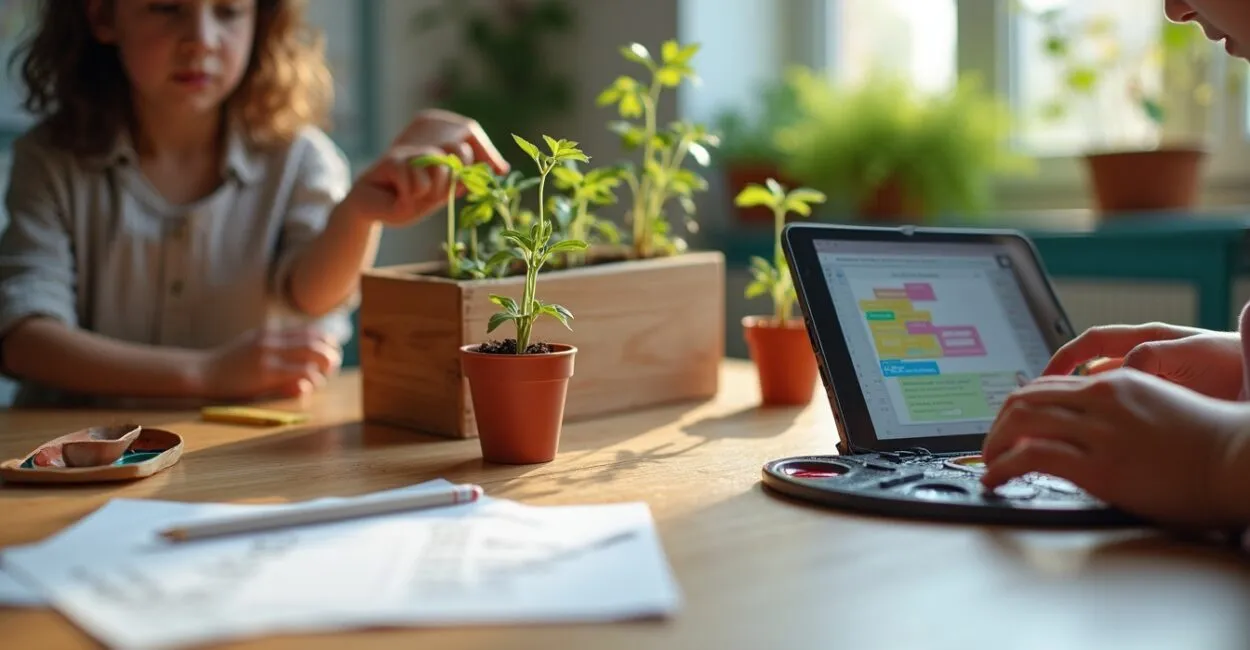
Have you ever imagined a classroom where kids grow gardens, code with micro:bit, and learn science through art? A curriculum built around creativity turns learning into a meaningful, exciting experience.
In the age of the 2025 curriculum, integrating STEAM, school gardens, and micro:bit coding is essential to developing critical thinking, creativity, and social-emotional skills. This article shows you how to plan and implement a creative curriculum aligned with new guidelines. Explore practical lesson plans, adaptable projects, resources, and assessments that bring technology, nature, and art together to engage students and schools. Let’s look at activities, steps, and evidence of impact.

Why Adopt a Creative Curriculum Now
A creative curriculum brings together arts, science, and technology to help students become curious and resilient learners. It promotes problem-solving, collaboration, and digital literacy. By combining gardens, maker projects, and micro:bit coding, schools can refresh their teaching methods, connect with their communities, and address the skills outlined in the 2025 curriculum.
Learning Benefits
Hands-on experiences improve retention and spark interest. Combining visual arts, science, and coding gives students a sense of meaning and purpose. Skills such as critical thinking, communication, and digital literacy develop naturally through interdisciplinary, collaborative projects.
Social-Emotional Impact
Working with gardens and art builds empathy, patience, and self-esteem. Students take pride in seeing the results of their efforts. Maker activities and coding foster resilience, frustration tolerance, and a sense of community among classmates and families.
Essential Components of a Creative Curriculum
A creative curriculum combines learning objectives, hands-on resources, and formative assessment routines. It includes STEAM projects, educational gardens, digital literacy, and arts activities. Integrating micro:bit, local culture, and community partnerships makes the curriculum relevant and sustainable for each school.
Curriculum Planning
Map skills by grade level, set clear objectives, and design interdisciplinary units. Bring together teachers of art, science, and technology.
Include assessment criteria and evidence of learning, such as portfolios, progress records, and public presentations.
Resources and Partnerships
Seek support from universities, nonprofits, and technology companies. Simple materials and micro:bit make projects accessible and easy to scale.
Local partnerships can provide donations, volunteers, and technical guidance, helping school projects reach more people.
Hands-On Projects: School Gardens That Teach Science and Art

School gardens are living labs for botany, math, nutrition, and artistic expression. They’re perfect for a hands-on, multisensory creative curriculum.
Art projects involving botanical prints, photography, and life-cycle journals bring science and aesthetics together in meaningful ways.
Plan the Garden
Choose raised beds, containers, or vertical gardens to suit your space. Plan planting, care, and harvesting activities in short cycles with students.
Combine scientific observations and garden journals with art displays made using collected materials and locally sourced seeds.
Interdisciplinary Learning
Use measurements, charts, and experiments to connect math and science. Create murals and sculptures from natural materials to bring in the arts.
Plan simple cooking projects to connect healthy eating with culture and celebrate knowledge from the community.
Bringing Micro:bit Coding into a Creative Curriculum
Micro:bit is a powerful tool for teaching programming, basic electronics, and project design. It connects technology with art and the environment.
With micro:bit, students can build soil-monitoring sensors, greenhouse alarms, and interactive installations that combine art and science in real-world projects.
Getting Started
Start with visual tutorials and block-based coding. Set short challenges that provide immediate feedback and encourage experimentation.
Use simple sensors to measure light, moisture, and temperature. Have students make predictions and record their data in spreadsheets.
Advanced Projects
Build automated garden stations with micro:bit to trigger irrigation or visual indicators. Add sound art and interactive installations.
Connect micro:bit to apps and cloud services so students can analyze environmental data and create visual reports and virtual exhibits.
Curriculum Unit Plans and Assessment
Plan units that run 4–8 weeks, with clear objectives, weekly activities, and success criteria. Use rubrics and portfolios as evidence of learning.
Formative assessments, self-assessments, and public presentations value both the process and the final product, reinforcing continuous learning.
Unit Structure
Divide the unit into research, prototyping, implementation, and reflection. Connect skills from the 2025 curriculum with learning objectives.
Schedule weekly check-ins to adjust the pace, materials, and instructional support to meet the class’s needs.
Measuring Impact
Use qualitative and quantitative indicators, including engagement, digital skills, scientific knowledge, and social-emotional well-being. Document progress with photos, videos, portfolios, and interviews with students and families to show growth and social impact.
Resources, Funding, and Scalability
Free resources, educational kits, and grant opportunities can help fund gardens and micro:bit projects. Plan for sustainability and teacher training as you scale up.
Partnerships, community campaigns, and creative reuse of recycled materials can cut costs and strengthen local ties.
Sources of Support
Look for grants and agreements with universities and local education departments. Major national initiatives offer guides and educational kits.
Online resources, such as micro:bit guides and urban gardening tutorials, are useful and accessible for teachers.
Maintenance and Expansion
Create an annual planting and maintenance calendar with rotating responsibilities. Set up student and parent committees to keep the project going.
Document processes and create teaching kits that can be used by other classes and schools, allowing for local adaptations.
Real-World Examples and Evidence of Success
Schools that have adopted a creative curriculum report stronger student engagement, improved STEM skills, and richer experiences in the arts.
Reports show that gardens and micro:bit projects boost self-esteem, encourage healthy eating habits, and spark interest in science careers.
A Brief Case Study
A rural school introduced a garden and micro:bit program over the course of a year, recording increased participation and better grades in science and math.
The project led to a community fair, digital portfolios, and local partnerships that helped ensure its continuity and visibility.
Practical Recommendations
Start small, involve the community, and document what you learn. Adapt plans to your resources and context to maximize impact.
Share results online and seek outside collaborators to support training and expand your efforts.
Conclusion
A creative curriculum turns classrooms into places of discovery, where gardens, micro:bit, and art lead to deeper learning. It’s a practical response to the challenge of preparing students for the future.
By connecting technology, nature, and artistic expression, schools foster skills, empathy, and a sense of belonging. Start today and see the ripple effect in students’ lives.
Frequently Asked Questions
How do I start a garden project that’s part of my school’s creative curriculum?
Start with a small garden bed, set clear objectives, and involve art and science teachers. Ask for local donations, train volunteers, and create an activity schedule. Include scientific observations, art activities, and public presentations to showcase results and engage families.
What skills do students develop by coding with micro:bit?
Students develop computational thinking, problem-solving, creativity, and collaboration. They learn logic, basic sensors, and prototyping, applying what they know to science and art. Hands-on projects encourage independence and help students understand how technology is used in their school and community.
How can I assess whether a creative curriculum aligns with the 2025 curriculum?
Use portfolios, rubrics, observations, and self-assessments. Measure engagement, skill development, and evidence of hands-on learning. Track progress with photos, videos, and reports, and involve students in reflecting on the project’s successes and challenges.
What resources and partnerships can help fund gardens and micro:bit?
Look for local grants and partnerships with universities, nonprofits, and technology companies. Community campaigns, fairs, and school events can generate financial support and supplies. Volunteers and reused materials can also reduce costs and strengthen the community’s connection to the project.
How can I combine art and science without losing sight of learning goals?
Plan activities with clear learning objectives that combine scientific experimentation and artistic expression. Choose projects that involve research, prototyping, and a final presentation. Assess both technical and creative skills, making sure they align with expected competencies.
References and resources: micro:bit Foundation, Brazilian Government Portal and education initiatives, Garden and education initiatives
Artigos Relacionados
 Elementary School Activities: Creative, Practical Ideas
 Sensory Activities: Creative Learning in Childhood
 2025 Environmental Education Workshops: Hands-On Activities
 Financial Literacy Activities for Kids at School
 Creative Technology: Tools That Transform Teaching
 Creative Learning: Trends for 2025 and Beyond
