
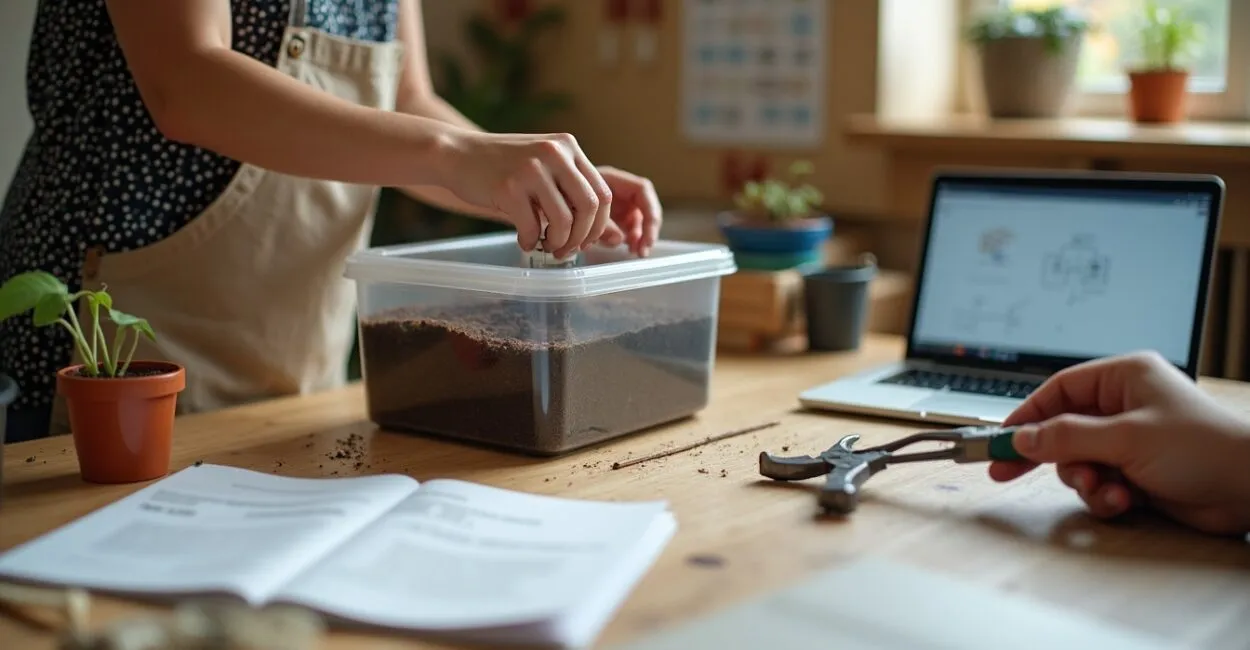
Discover how 2025 workshops turn curiosity into hands-on learning through activities like soil moisture sensors, worm bins, and reuse projects. These practical workshops bring together learning, sustainability, and fun for all ages. This article covers practical ways to get involved, sample schedules, and ideas for hosting engaging workshops.
2025 workshops are in-person and hybrid events focused on hands-on learning, accessible technology, and the circular economy. They bring environmental education and practical skills to communities, schools, and makerspaces in tangible, effective ways. You’ll find activity ideas, supply lists, step-by-step instructions for setting up a workshop, and reliable resources for learning more. Get ready to experiment, teach, and inspire.

Why Take Part in 2025 Workshops
Environmental Impact and Hands-On Learning
Taking part in 2025 workshops connects theory with practice, promoting sustainability and environmental awareness. These activities can lead to real, measurable change. Worm bins and reuse projects teach nutrient cycles and waste reduction, building an emotional connection to the local environment and encouraging sustainable habits.
Building Skills and Curiosity
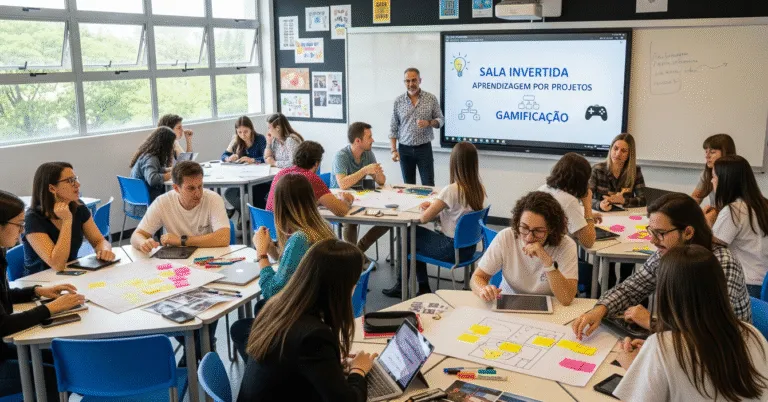
Hands-on workshops encourage creativity, critical thinking, and collaborative problem-solving. Soil moisture sensors and prototyping bring accessible technology into everyday life. Participants leave with practical skills, such as maintaining worm bins, reading sensor data, and designing everyday objects from reused materials.
Hands-On Activities at 2025 Workshops
Soil Moisture Sensors and Monitoring
Adding soil moisture sensors makes it possible to monitor soil and compost bins at a low cost. This brings citizen science into community projects. Simple tools provide real-time results, encouraging participants to experiment and make practical adjustments to how they care for plants and worm bins.
Worm Bins and Home Composting
Worm bins teach organic cycles through sensory activities that delight children and adults alike. They’re ideal for schools and community spaces.
Building worm bins supports the circular economy, reduces waste, and produces nutrient-rich compost for community gardens and potted plants at home.
- Gather basic supplies: bins, soil, and worms;
- Install simple sensors to monitor moisture;
- Document and share results with the community;
How to Organize a 2025 Workshop: Step by Step

Planning and Target Audience
Set clear goals: environmental education, technical training, or community engagement. Choose your audience and workshop length based on those goals.
Identify local resources, partners, and reusable materials to reduce costs and increase the event’s social impact.
Logistics and Essential Supplies
Choose an accessible space and provide safe tools and activity kits. Consider safety and accessibility needs so everyone can participate.
Prepare kits for each group with soil moisture sensors, worm bin containers, and clearly labeled reuse materials.
Practical Examples and an Ideal Schedule
Two-Hour Workshop for Beginners
Introductory session: 20 minutes of background, 80 minutes of hands-on activities, and 20 minutes to share results. Ideal for schools and community events.
Activities: build a small worm bin, calibrate a soil moisture sensor, and create a simple upcycling prototype.
Half-Day Workshop with Complete Projects
Includes demonstrations, several hands-on stations, and time to make adjustments. Ideal for combining reuse activities with a mini sensor lab.
Participants can take a deeper look at maintenance, reading data, and using the resulting compost in demonstration gardens.
| Activity | Duration | Key Supplies |
|---|---|---|
| Soil moisture sensors | 45–60 min | Sensor, wires, multimeter, smartphone |
| Home worm bin | 60–90 min | Bin, soil, worms, food scraps |
| Reuse workshop | 40–80 min | Reused materials, glue, scissors, paint |
Supplies, Costs, and Partnerships for 2025 Workshops
Affordable and Reusable Supplies
Use items collected locally, such as boxes, jars, simple sensors, and useful scrap materials. Reuse helps keep costs down and encourages community creativity.
Seeking donations and arranging exchanges with makerspaces can expand your supply inventory and encourage collaboration among local initiatives.
Strategic Partnerships and Funding
Reach out to nonprofits, schools, and local businesses for support. Partnerships can provide supplies, space, and publicity to help you reach more participants.
Look for local grant opportunities and programs that support environmental education and social innovation to fund and sustain your project.
- Set your goals and choose your audience; document your targets.
- List supplies and seek local donations.
- Create an activity plan with clear time limits and assigned roles.
- Promote the workshop and document the results so others can replicate it.
- Evaluate the impact and make adjustments for future sessions.
How to Measure the Impact and Engagement of 2025 Workshops
Simple, Effective Metrics
Track the number of participants, the amount of waste diverted, and the amount of compost produced. Even simple data can help demonstrate impact.
Use short feedback forms and photos to document progress. This strengthens impact reports and future funding requests.
Sharing and Scaling Up
Publishing guides, videos, and reports makes it easier for others to replicate your work. Social media and local platforms can expand your reach and inspire new groups.
Create reusable kits and lesson plans for schools so other communities can easily replicate your workshops.
Conclusion: What You Gain by Taking Part
Practical Change and a Lasting Legacy
2025 workshops offer practical learning, community connections, and tangible results, such as compost and useful prototypes. They’re an investment in real change.
By taking part, you’ll learn new techniques and help build a more sustainable, collaborative future, expanding your impact both locally and personally.
Next Steps and a Call to Action
Look for local events, propose a workshop at your school, or put together a small kit at home. Start small and grow your efforts as interest builds.
Share your experiences and results online to inspire others and strengthen the network of hands-on, sustainable workshops.
Frequently Asked Questions
How can I find 2025 workshops in my area?
Search for events on social media, in community groups, and on the websites of local schools, makerspaces, and environmental nonprofits. Check community event calendars and university websites, which often list hands-on workshops. Contact libraries and community centers, as they often host free activities. Signing up for environmental organizations’ newsletters can help you find new sessions and opportunities to attend or organize a workshop.
What basic skills do I need to participate?
No prior experience is necessary: most 2025 workshops welcome beginners and offer hands-on guidance. Basic practical skills and curiosity are all you need. Some sessions use simple electronic sensors, but instructors walk you through each step. A willingness to learn, work in a group, and follow safety instructions will help you get the most out of your first workshop.
How much does it typically cost to organize a hands-on workshop?
Costs depend on the scale and supplies involved. A workshop can be very low-cost with donations and reused materials, or moderately priced if it includes electronic sensors. Partnerships can help reduce expenses. Budget for supplies per participant, promotion, and any instructor fees. Seek institutional support, grants, or local sponsorships to cover costs and keep workshops accessible to the community.
How can I incorporate soil moisture sensors into educational projects?
Soil moisture sensors are teaching tools for monitoring soil, compost, and plants. Incorporate readings into simple activities, record the data, and encourage participants to experiment. Use smartphones or basic microcontrollers to display results. Explain basic electronics and data interpretation to make the connection between technology and environmental practice clear and engaging.
Where can I find reliable supplies and resources for planning workshops?
Look for guides from reputable institutions, environmental education manuals, and university resources. Government websites and environmental nonprofits often offer free materials. Makerspace platforms and citizen science tutorials are also excellent resources. Combine practical materials with guidance from local experts to tailor the content to your community.
Recommended sources and further reading: Ministério do Meio Ambiente (Brazil’s Ministry of the Environment), Composting — Wikipedia, and resources from local makerspaces for practical guides and inspiration.
Artigos Relacionados
 Socio-Environmental Change Through Education: Paths to a Sustainable Future
 Play-Based Activities for Elementary Education
 Environmental Education Trends for 2025: What’s New
 Definitions and Concepts of Cooperativism and Education
 Effective Brain Stimulation in Early Childhood Education
 Active Learning Methodologies in Teacher Education: How to Apply Them
