
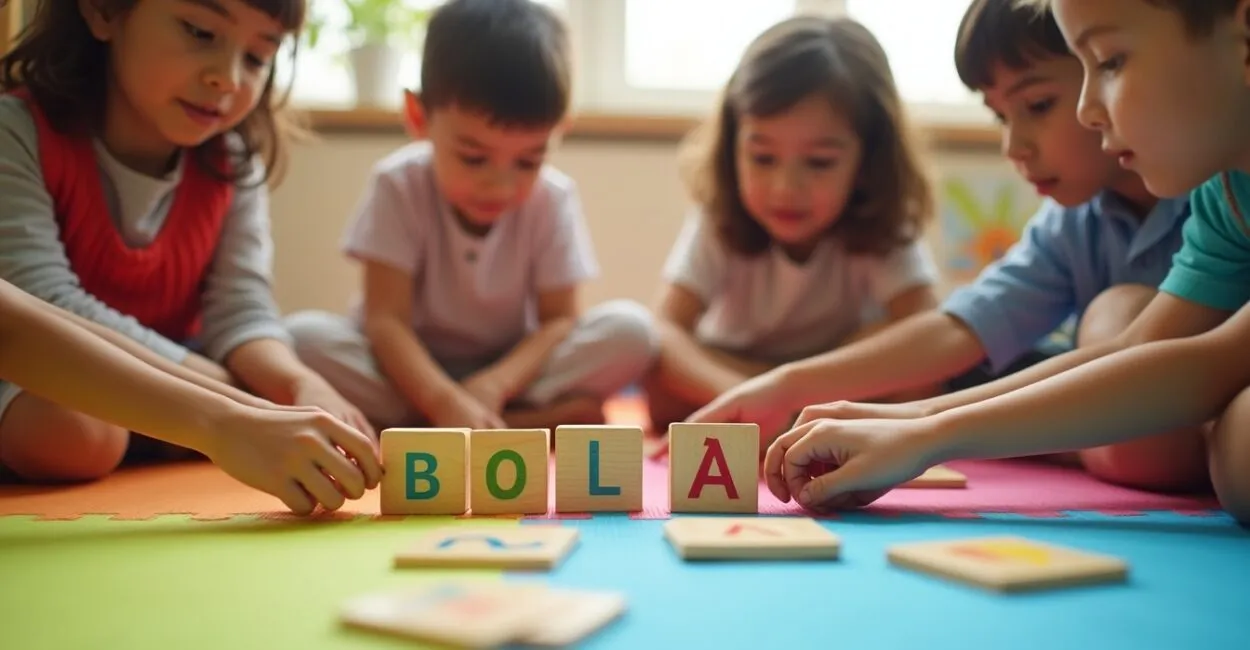
Play-based activities in elementary education transform the classroom into a vibrant learning environment, where games with blocks and cards, such as syllable bingo, help children learn to read faster. This article explains what these practices are, why they matter, and how to use them to achieve real results. We’ll share practical strategies and examples to help teachers and instructional coordinators incorporate play-based activities into elementary education, with a focus on early literacy.
Today, schools are looking for active learning methods that engage students’ reasoning, fine motor skills, and language abilities. Play-based activities in elementary education help children recognize syllables, master phonics, and develop reading fluency in an enjoyable way. Here, you’ll find plans, materials, and evidence of effectiveness to help you get started without a major investment.

I’ll share classroom-tested games with blocks and cards, step-by-step guides, tips for adapting activities to different skill levels, and ideas for measuring progress. By the end, you’ll have the practical know-how to support early literacy through purposeful play. You’ll learn how to set up, use, and measure the impact of educational games, including syllable bingo, phoneme matching, and activities that combine manipulatives to build reading fluency and phonological awareness.
Why games and play help children learn to read faster
The science and child development behind play
Games build phonological awareness, memory, and sustained attention—all essential to learning to read. Play-based activities in elementary education support neural development through motivating repetition and immediate feedback, which are key to mastering syllables, phonics, and visual word recognition.
Social and emotional benefits
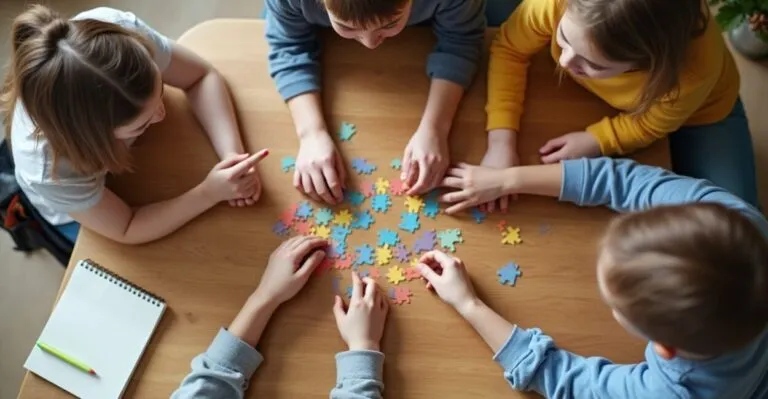
Group play strengthens social interaction, self-esteem, and motivation to learn. In the classroom, games with cards and blocks encourage cooperation and shared responsibility. Emotional engagement improves retention and reduces reading anxiety, making literacy instruction more effective and enjoyable for students with different learning needs.
How to create reading games with blocks
Materials and preparation
Use wooden blocks, syllable cards, and colorful markers. Put together sets that include common syllables, consonant sounds, and vowel combinations, arranged in order of difficulty. Sort the pieces by skill level. Include pictures for beginning readers to help them connect letters and sounds through tactile feedback.
Effective classroom activities
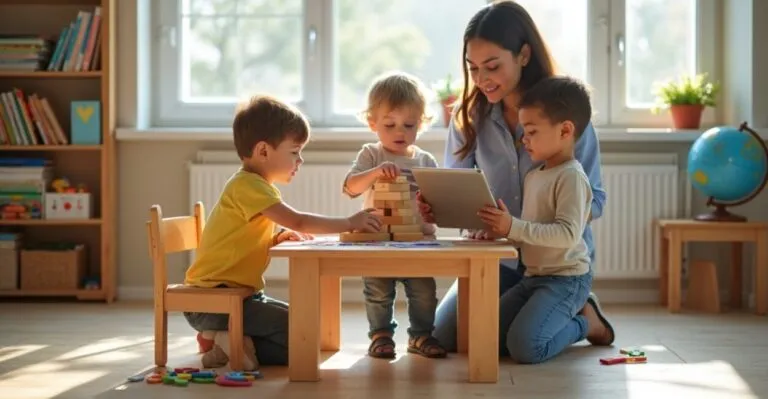
Block activities let students build words, make sentences, and sort syllables. Encourage students to take turns and keep rounds short to maintain engagement. Alternate between individual work, pairs, and small groups. Pair blocks with read-alouds to strengthen fluency and syllable awareness.
Try card games: syllable bingo and more

How to set up syllable bingo
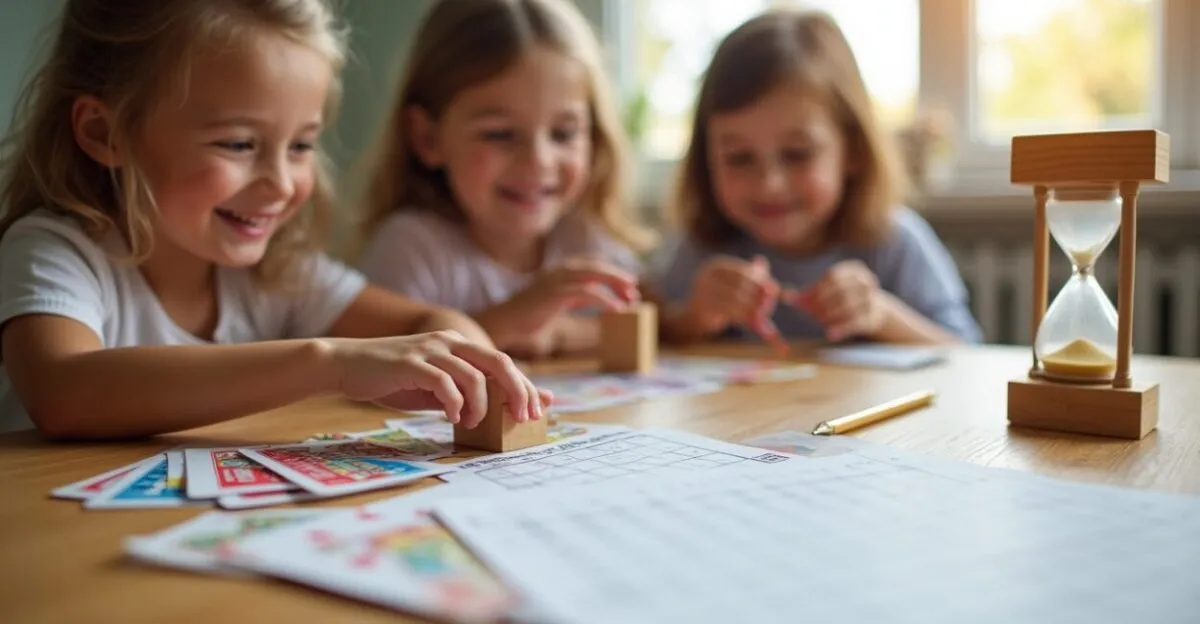
Create bingo cards with a mix of common and less familiar syllables, hand out markers, and call out syllables at random. The game reinforces quick recognition and auditory discrimination. Keep rounds short and gradually increase the difficulty by introducing syllable dictation, simple combinations, and complex syllables with consonant blends.
Card game variations for early literacy
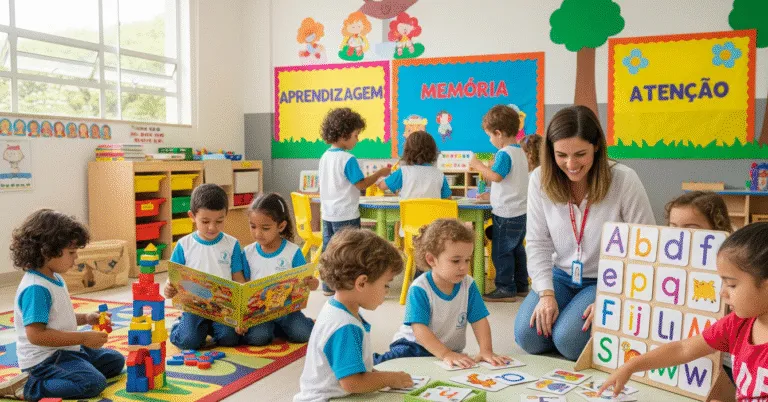
Cards can feature pictures, individual syllables, vowel combinations, and complete words. This variety lets students practice letter-sound correspondence and break words into parts. Use matching pairs, rhyming cards, and word-building challenges to develop fluency, rhyming, stress patterns, and phonological awareness.
A teaching sequence: combining blocks and cards in short lesson plans
Weekly planning
Plan focused 15–25-minute mini-sessions on phonological awareness, syllable reading, word building, and fluency. Systematic repetition supports steady progress. Rotate activities using blocks, cards, and guided reading. Assess students each week with simple observations and records, then adjust skill levels and goals as needed.
Practical formative assessment
Use syllable-recognition checklists, short reading recordings, and timed games to monitor speed and accuracy. The data can guide interventions. Record results in simple tables and share them with families and the teaching team to coordinate support at school and at home.
Step-by-step instructions for an integrated game
Prepare the game
Choose the target syllables and prepare cards and blocks. Set clear rules and explain each child’s role in the activity.
Read also: How to Teach Financial Literacy in Elementary School
Set a time limit for each round, decide how to win, and determine what kinds of help are allowed. Organize the materials and make sure there’s enough space for students to handle them safely.
Play the game and adapt as you go
Observe students’ responses, offer phonics clues when needed, and adjust the difficulty. Use positive reinforcement to keep motivation high.
As students make progress, introduce more complex combinations and faster-paced rounds, while respecting each student’s pace.
- Choose target syllables and prepare appropriate cards or blocks.
- Explain the rules briefly and demonstrate a sample round.
- Play 10–15-minute rounds and give immediate feedback.
- Record results and adjust the difficulty for the next session.
Resources, materials, and ways to involve families
Low-cost materials
Use cardboard, bottle caps, colored markers, and repurposed blocks to make cards and game pieces. Simple materials help keep costs down.
Put together take-home kits for families with clear instructions and games they can adapt for extra practice and shared learning.
Communicating with families
Explain the learning goals and demonstrate the games at meetings or in short videos. Family involvement gives children more opportunities to practice outside school.
Send home small weekly challenges and encourage families to read together, reinforcing the same patterns and vocabulary students work on in class.
Measuring impact and scaling up across the school
Key metrics
Track the number of syllables recognized per minute, reading accuracy, and classroom participation. Simple data can help you assess gains in fluency and comprehension.
Record progress for each student and class, comparing results before and after play-based interventions to assess their effectiveness.
Scaling up and teacher training
Train teachers through hands-on workshops, sample lesson plans, and digital resources. Ongoing training helps ensure consistent implementation and repeatable results.
Document routines and create a library of classroom-tested games. Share evidence of their educational value across the school network to expand their use.
| Indicator | Measurement method | Goal after 8 weeks |
|---|---|---|
| Syllable recognition | Checklist and 1-minute test | 30% more correct |
| Reading speed | Words read per minute | 20% improvement in fluency |
| Classroom engagement | Observation and recordkeeping | 40% increase in participation |
Conclusion: Make learning to read a serious game
Play-based activities in elementary education aren’t a distraction. They’re strategic, effective, and scalable tools for helping children learn to read faster. Games with blocks and cards, such as syllable bingo, make learning active and measurable.
Think back to the opening idea: when you turn syllables into game pieces, you can turn anxiety into curiosity and reading into an achievement. Start today, track the results, and inspire your school to embrace play that teaches.
Frequently asked questions
How can I get started with limited materials in the reading classroom?
To get started with limited resources, use paper, bottle caps, and cardstock to make syllable cards. Pair guided reading with short games lasting 10 to 15 minutes. Focus on common syllables and matching pictures for beginning readers. Take simple notes and gradually adjust the difficulty. Regular practice, even in short sessions, leads to measurable gains in recognition and fluency.
How often should we do these activities each week?
We recommend 3 to 5 short sessions per week, lasting 15 to 25 minutes each, with a rotating focus on phonological awareness, word building, and fluency. Frequent sessions keep the material fresh and provide spaced practice, which is important for memorization and reading automaticity. Adjust the frequency based on how the class responds, using data to decide whether to increase or decrease it.
How can I adapt activities for students at different skill levels?
Adapt activities by changing the complexity of the syllables and the level of support. For beginners, use simple syllables and pictures; for more advanced students, introduce consonant blends and word building. Work in small groups with similar skill levels and offer challenges that can be adjusted. Give students who need extra support more practice time and gradually introduce phonics clues.
Is there evidence that syllable bingo helps children learn to read faster?
Research and classroom practice suggest that games involving auditory discrimination and letter-sound matching, such as syllable bingo, can improve reading accuracy and speed. Game-based repetition strengthens working memory and fluency. When teachers pair games with formative assessment, they can measure clear gains in syllable recognition and reading aloud.
How can I involve families who can’t attend in person?
Send home simple instructions and DIY kits with quick activities family members can do with children for five minutes a day. Share short demonstration videos and ideas for reading together. Use messages or school platforms to share progress, small goals, and easy-to-follow strategies. Consistent remote involvement can boost students’ progress at school.
Sources and recommended reading: Brazil’s Ministry of Education (the federal agency responsible for education policy) on literacy, and university articles on phonological awareness. See also practical resources from UNESCO and instructional materials on ScienceDirect.
.Artigos Relacionados
 Early Childhood Education: The Importance of Play in Child Development
 Education: The Essential Role Parents Play in Child Development
 Definitions and Concepts in the Evolution of Early Childhood Education
 Definitions and Concepts of Cooperativism and Education
 Effective Brain Stimulation in Early Childhood Education
