Have you ever imagined transforming your neighborhood, school, or city with simple, powerful actions? Climate citizenship connects concern, responsibility, and practical steps to tackle the climate crisis now.
The importance of climate citizenship grows every year. It brings together education, public policy, and everyday habits that reduce emissions and strengthen communities. Here, you’ll find seven concrete, inspiring actions to put into practice in schools and communities. In this article, learn how to plant 20 trees, lead school campaigns to reduce consumption, and take other high-impact steps—with clear instructions, useful data, and resources to get started today.

1. Hands-on environmental education for schools and families
Education is empowering: climate citizenship takes root when students and families understand the causes and consequences of global warming, along with possible solutions.
Curricula and local projects
Integrate climate, sustainability, and responsible consumption into regular classes. Use local case studies to connect theory with action.
Teacher training
Equip teachers with workshops, materials, and partnerships with NGOs. Well-informed teachers inspire change and student activism.
2. Community tree planting: 20 trees per school
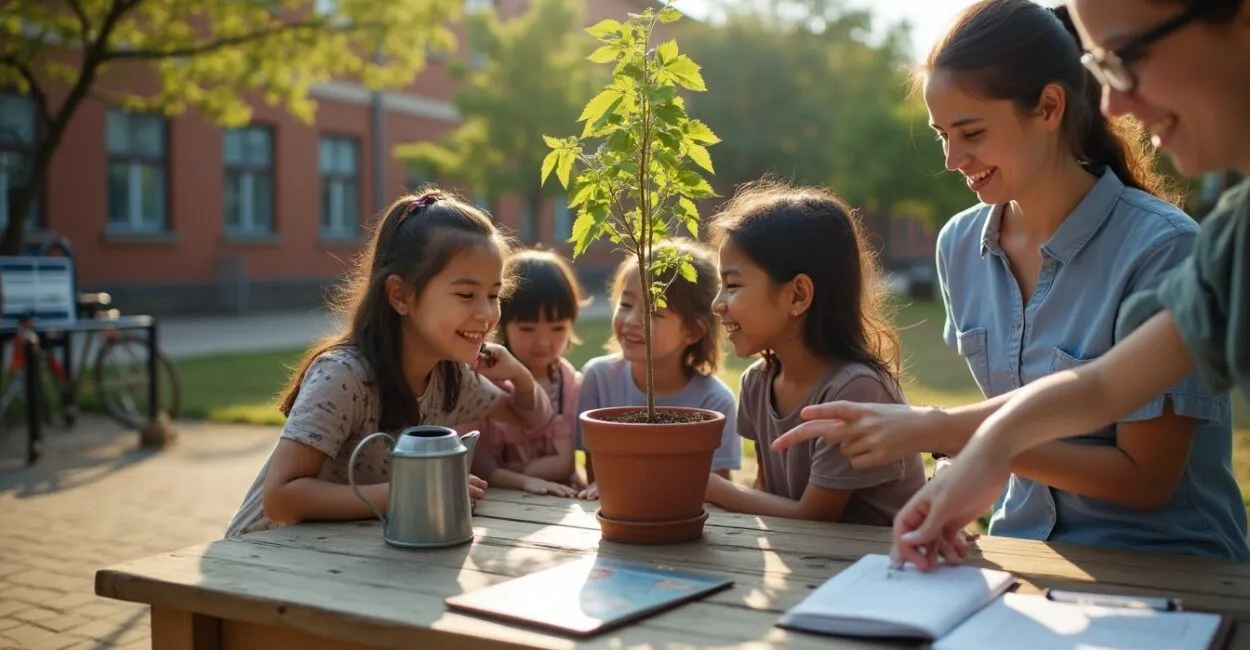
Planting trees is visible, symbolic, and effective: 20 trees per school can lower local temperatures, capture carbon, and strengthen connections with nature—a key climate citizenship practice.
Organizing a group planting day
Bring parents, students, and staff together for a planting day. Plan the locations, native species, and maintenance schedule.
Maintenance and monitoring
Create a school committee to water, fertilize, and protect the saplings during their first few years. Photo updates can help keep people engaged.
3. School campaigns to reduce consumption

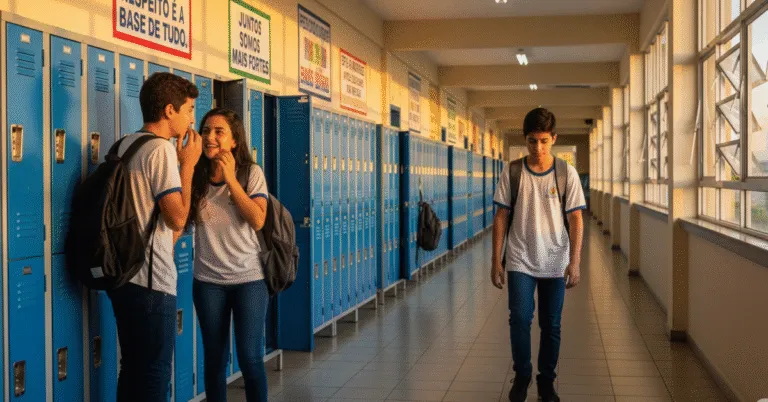
Reducing consumption is a direct way to take action: school campaigns can change habits and save resources, making them a practical example of climate citizenship.
- Save energy: turn off lights and unplug devices.
- Cut plastic use: replace disposable items with reusable products.
- Make thoughtful food choices: encourage lunches with less packaging.
Student engagement
Appointing student environmental ambassadors encourages friendly competition and collaboration across classes. Small rewards help keep students motivated.
Visual communication
Signs, charts, and monthly reports make progress visible. Transparency builds shared accountability.
4. Waste management and the circular economy
Turning waste into a resource is an essential climate citizenship practice. Systems for recycling and composting reduce landfill waste and emissions.
School composting
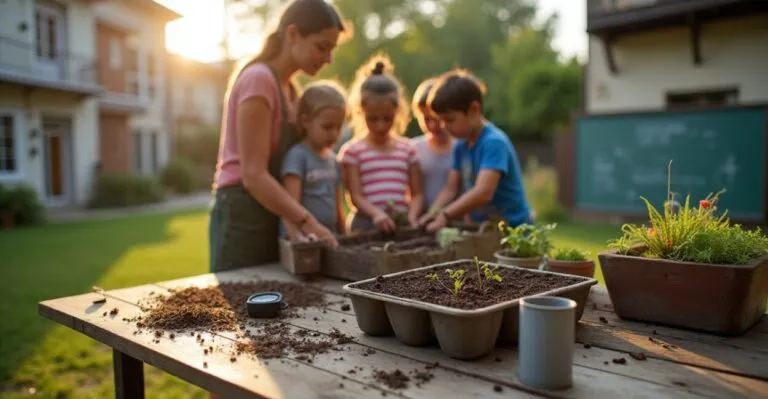
Set up compost bins for food scraps. The finished compost enriches school gardens and reduces the amount of waste sent to landfills.
Local partnerships
Connect the school with recycling cooperatives and centers. These partnerships create income and strengthen the circular economy.
| Waste Type | Destination | Benefit |
|---|---|---|
| Organic | Composting | Compost for gardens |
| Paper and cardboard | Recycling | Lower costs and recovered raw materials |
| Plastic | Cooperatives | Local income and reuse |
5. Sustainable mobility and school transportation
Reducing car trips is a direct way to practice climate citizenship: fewer cars mean fewer emissions and safer streets.
- Map students’ routes.
- Organize carpools.
- Create bike routes.
- Promote car-free days.
Safe walking and biking routes Encourage walking groups and safe routes to school. Safety helps families feel comfortable participating. Efficient vehicle fleet When needed, upgrade school transportation with lower-emission vehicles and keep them properly maintained.
6. Advocacy: influencing local public policy
Practicing climate citizenship also means urging government officials to develop climate plans and taking part in municipal advisory councils.
Community mobilization
Organize public hearings, petitions, and meetings with mayors. Mobilized communities can secure real policy changes.
Monitoring and transparency
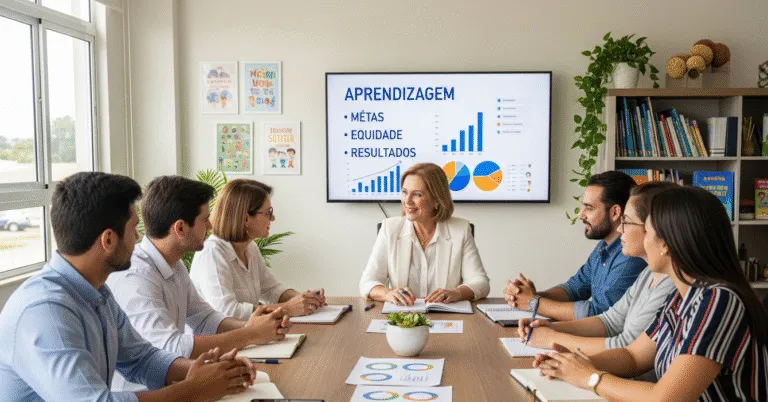
Document commitments and deadlines. Demanding clear targets helps ensure that actions don’t stop at promises.
7. Conclusion — turning care into a lasting legacy
Climate citizenship is part of everyday life: planting trees, reducing consumption, managing waste, and advocating for policy can make a real, lasting difference.
By putting these seven actions into practice, schools and communities can strengthen education, resilience, and collective well-being. Start with one step: bring your group together, choose an action, and watch the movement grow.
Frequently asked questions
What is climate citizenship, and why is it urgent?
Climate citizenship means taking individual and collective action to address the causes and effects of climate change. It includes education, changing habits, political participation, and local initiatives that reduce emissions and build resilience. Practicing it is urgent to protect ecosystems, health, and the future of coming generations, while also reducing the economic impacts of extreme weather events.
How can a school start planting 20 trees with limited resources?
Start by identifying suitable areas and reaching out to nurseries and NGOs for partnerships. Recruit students, parents, and teachers to volunteer at planting events. Choose native species and create a maintenance schedule. Document the process to attract local sponsors and secure long-term support.
What are the best ways to reduce consumption at school?
Run educational campaigns and encourage people to turn off equipment and use fewer disposable items. Offer meals with less packaging and promote reusable products. Track consumption with visible metrics and recognize classes with the best results to keep people engaged.
How can you involve the community and local officials in climate citizenship efforts?
Share local data, stories that show the impact, and clear action plans. Invite community leaders to events, offer practical solutions, and document results. Petitions, public hearings, and partnerships with local media can help turn school initiatives into public policy.
What reliable resources can help develop climate citizenship projects?
Consult reports from the IPCC and resources from organizations such as WWF Brasil, the Brazilian branch of the World Wide Fund for Nature, for scientific information. Use practical guides from local environmental agencies and environmental education networks. These resources offer data, methods, and examples that can be adapted to strengthen community projects.
Sources and further reading: IPCC, WWF Brasil, Brazil’s Ministry of the Environment.