
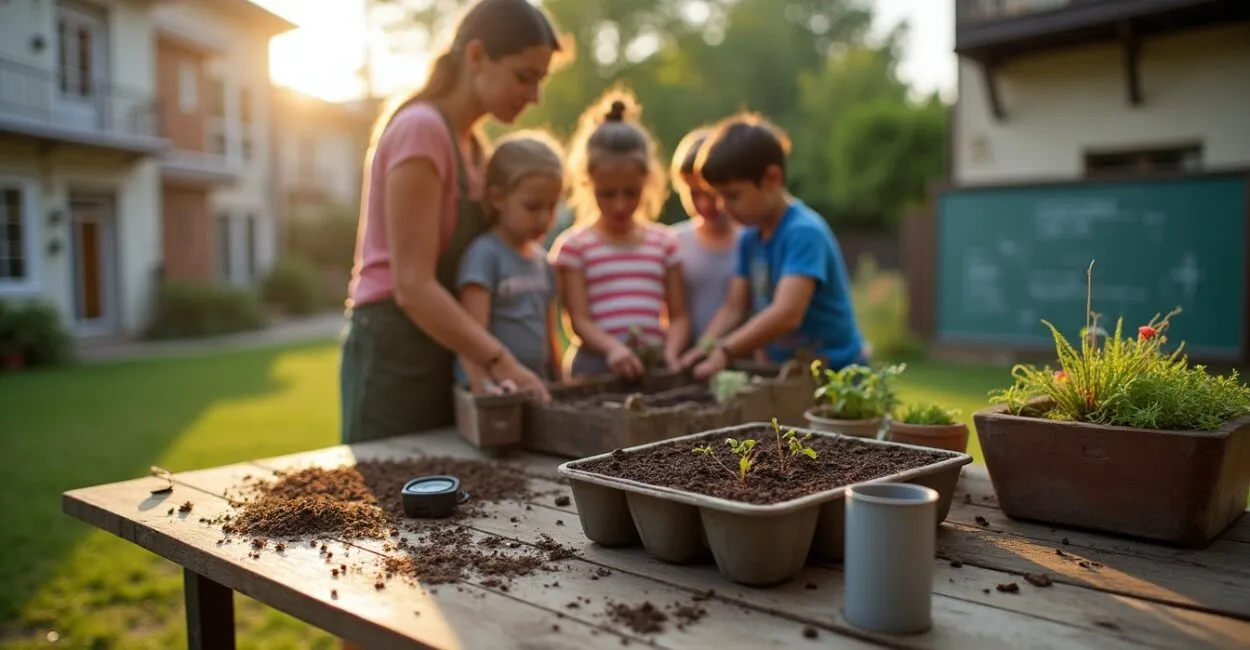
Discover how composting turns scraps into new life. Learn practical methods, immediate benefits, and real-world examples, such as worm bins at schools and bokashi in apartment buildings. Composting is a way to reduce waste and create nutrient-rich fertilizer.
Composting matters more than ever: it cuts waste, improves urban soil, and reduces emissions. We’ll cover easy, technical, and community-based approaches you can use where you live or work. You’ll learn about five composting systems, practical steps, and real-world examples, along with tips for keeping worms healthy and using bokashi in apartments.

1. Why composting transforms cities and schools
Environmental and social impact
Composting reduces organic waste sent to landfills and cuts methane emissions while supporting healthy soil and urban gardening. Schools provide hands-on learning and foster environmental responsibility. Worms, castings, and vermicomposting connect students with science and healthy food, building pride and community involvement.
Educational benefits
Children learn about biology, nutrient cycles, and sustainability by caring for worm bins and safely observing decomposition. Classroom projects build eco-friendly habits, empathy, and local engagement, while producing fertilizer for school gardens.
2. Model 1 — Thermal composting (industrial composting)
How it works in practice
Thermal composting speeds up decomposition using aerated piles and temperature control, eliminating pathogens and weed seeds. It’s ideal for large volumes of waste at apartment buildings and large schools, producing stable, safe compost for gardens.
Advantages and limitations
Advantages include speed, sanitary controls, and consistent output. Limitations include the upfront cost and need for equipment. Technical oversight is required to maintain temperature and moisture, support beneficial microorganisms, and manage organic waste.
3. Model 2 — Vermicomposting (worm bins)

What it is and why it works
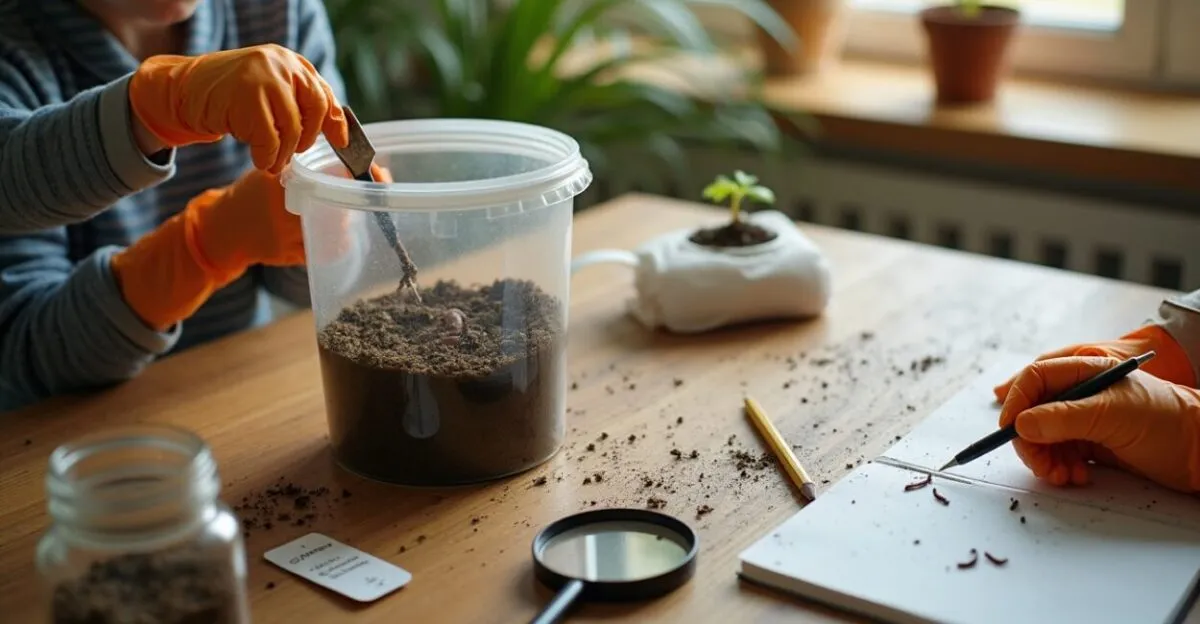
Vermicomposting uses worms to turn scraps into nutrient-rich castings—ideal for schools, gardens, and small urban homes. Worms process waste efficiently, producing nourishing compost and liquid fertilizer that support healthy soil and plants.
How to set it up at school: a step-by-step guide
Choose a suitable bin, add bedding (such as shredded paper or sawdust), introduce gentle worm species, and feed them chopped food scraps, avoiding too many citrus fruits. Keep the bin moist and shaded, monitor the temperature, and harvest castings for garden beds. Involve students in regular learning activities and chores.
- A sheltered, well-ventilated location
- Suitable bedding material
- A regular feeding and harvesting routine
4. Model 3 — Bokashi (accelerated anaerobic composting)
Principles and benefits
Bokashi uses beneficial microorganisms to ferment scraps in an oxygen-free environment, making it ideal for apartments and buildings with limited space. It’s fast, doesn’t attract pests, and preserves nutrients. After fermentation, the material must be buried or mixed with soil to finish decomposing.
How to use it in apartment buildings: a practical guide
Set up a bokashi bucket, add chopped scraps and a layer of bokashi bran, then press everything down and seal the bucket tightly to ferment for two weeks. Once fermentation is complete, mix the material into soil, a worm bin, or a composter to finish breaking down. Keep residents involved with a simple routine and clear instructions.
| Feature | Bokashi | Vermicomposting |
|---|---|---|
| Space | Small (bucket) | Medium (bin) |
| Processing time | 1–2 weeks (fermentation) | 4–12 weeks (depending on volume) |
| Odor | Minimal when done correctly | Controlled with good aeration |
- Choose an airtight bokashi bucket.
- Chop scraps and press them into the bucket.
- Sprinkle bokashi bran between layers.
- Seal the bucket and let it ferment for 10–14 days.
- Bury the material or mix it into soil to finish breaking it down.
5. Model 4 — Compost pile (community composting)
Setup and maintenance
Compost piles work well in shared spaces, combining leaves, kitchen scraps, and yard trimmings with regular turning for aeration. It’s essential to balance carbon and nitrogen, turn the piles, and monitor moisture to prevent odors and avoid attracting unwanted wildlife.
Getting residents involved and setting rules
Set clear rules for drop-off times, acceptable materials, and who is responsible for turning the pile. Educate residents with handouts and meetings. Create a plan for distributing the finished compost and use it in community gardens to improve well-being and bring neighbors together around environmental action.
- Separate organic and dry materials
- Maintain a balanced C:N ratio
- Assign people to handle maintenance
6. Model 5 — Bucket composters and home vermifilters
Compact solutions for apartments
Countertop composters and vermifilters are compact and discreet, making them ideal for anyone who wants to reduce waste without access to an outdoor space.
Combine methods: use bokashi for messy scraps and vermicomposting for the final breakdown, making the process more efficient and getting the most out of your waste.
Essential care and quick tips
Avoid greasy scraps, large bones, and meat. Keep air circulating and control moisture to prevent odors and pests.
Use collection trays to capture liquid, which can be diluted and used as fertilizer. Educate residents and post clear instructions to encourage proper use.
7. How to choose the right system and get started today
What to consider
Consider your space, the amount of waste you produce, how much time you have, and your goal: making garden compost, teaching, or reducing urban waste.
Worm bins work well for schools, bokashi for apartments, and compost piles for larger community projects.
Practical first steps
Start small: choose a method, gather basic supplies, and assign someone to keep up with a weekly routine.
Track your results, adjust your practices, and share what you learn with neighbors or your school to expand your impact and get more people involved.
Conclusion
Commit to composting and see the difference: less waste, richer soil, and more connected communities. Think back to the power of worms and bokashi. The action is simple, and the impact is huge. Try a system, make adjustments, and share what you learn—you could inspire your school, apartment building, or neighborhood.
Frequently Asked Questions
How can a school start a worm bin on a tight budget?
Start with a sturdy bin, use sawdust or cardboard for bedding, and add about 500–1,000 red wiggler worms per bin. Explain the rules to students, set up feeding and observation schedules, and track how the castings develop. Perform weekly maintenance, monitor moisture, and avoid too many citrus fruits to keep the worms healthy.
Does bokashi in apartment buildings really eliminate odors and pests?
Yes. When managed properly, bokashi ferments scraps in an oxygen-free environment and minimizes odors. Use airtight buckets, press down the material, and allow it to ferment for the recommended time. After fermentation, mix the material into soil or a composter to finish breaking it down. Educating residents is key to preventing mistakes and keeping the system effective.
What’s the best ratio of dry to wet materials in a compost pile?
Aim for about 2–3 parts dry material (leaves, sawdust) to 1 part wet material (kitchen scraps). This ratio helps control moisture and maintain airflow, speeding up decomposition. If the pile gets too wet, add dry material; if it’s too dry, lightly moisten and mix it. Monitor the smell and texture, and adjust as needed.
Can I use vermicompost directly in a school garden?
Yes. Worm castings are safe and nutrient-rich, making them suitable for gardens. Use them as a top dressing, mix them into the soil, or add them when transplanting. Avoid applying unfinished compost directly to sensitive seedlings. Test it in a small area and watch how the plants respond before using it more widely.
What are reliable sources for learning more about composting in Brazil?
Consult organizations such as EMBRAPA, Brazil’s agricultural research agency, and the Ministry of the Environment, the Brazilian government department responsible for environmental policy, for technical guides and regulations. You can also look into universities and local community projects. Official sources provide protocols, health recommendations, and impact studies to help you implement composting projects safely and effectively.
Sources and recommended reading: EMBRAPA, Ministry of the Environment.
Artigos Relacionados
 Fake News: How to Address the Topic Effectively in School Projects
 Management Theory: Essential Schools and Thinkers
 School Management: Effective Practices for Principals
 How to Strengthen Memory for School Learning
 School Health and Physical Activity: Policies and Programs
 Architectural Accessibility in Schools: How to Adapt Spaces
