
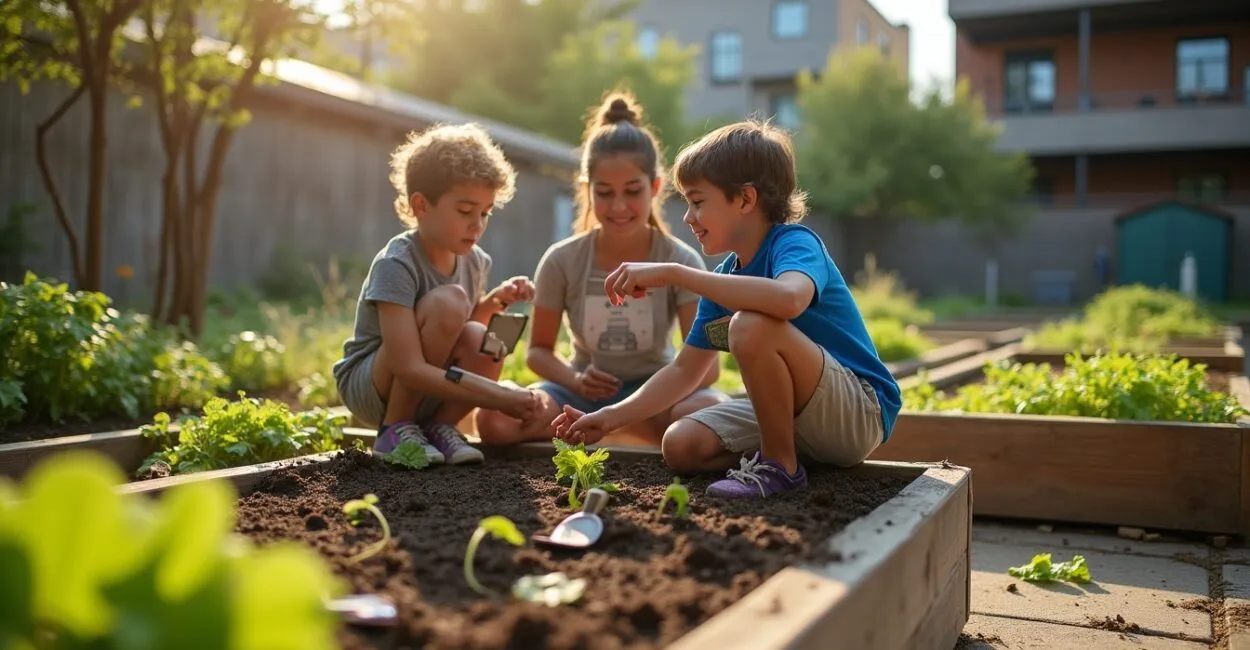
Environmental education connects emotions, action, and the future: learning to care for the soil, grow school gardens, and start home composting turns knowledge into hope. This article explores how environmental education is renewing schools, condos, and communities through everyday actions.
Why does this matter now? Climate change, biodiversity loss, and overconsumption call for local, practical, and educational responses. Environmental education offers tools for environmental citizenship, sustainability, and recycling that can make a real difference.

You’ll discover what’s new for 2025, school garden models, composting in condos, teaching resources, and practical steps to get started today—with a focus on results and engagement. Here’s a quick introduction: imagine children harvesting lettuce at school and neighbors turning food scraps into nutrient-rich compost. Environmental education bridges knowledge, permaculture practices, and social change.
1. Environmental Education Trends for 2025: A Practical and Digital Approach
Curriculum and technology innovations
In 2025, schools are combining active learning pathways, sustainability projects, and digital platforms to monitor gardens and composting. This approach blends hands-on teaching with data, strengthening environmental citizenship, school research, and social-emotional skills.
Local partnerships and policies
City governments, universities, and NGOs offer training programs, teaching materials, and incentives for school garden and recycling projects. These partnerships expand outreach, funding, and scale, reinforcing formal education, community participation, and sustainability.
2. School Gardens as Living Environmental Education Labs
Connecting the curriculum with biodiversity
School gardens bring together science, healthy eating, and environmental education, raising awareness of soil, biodiversity, and natural cycles. Garden-bed activities encourage observation, data collection, and interdisciplinary projects focused on sustainability and health.
Shared management and social benefits
Children, teachers, and families share responsibilities, strengthening community ties, healthy eating habits, and organic recycling practices. The result is hands-on learning, less waste, and a living space that inspires care and environmental citizenship.
- Plan garden beds with crop rotation.
- Include composting and locally grown vegetables.
- Bring scientific measurements and art projects together.
3. Home Composting in Condos: A Shared Challenge and Solution

Practical options for shared spaces
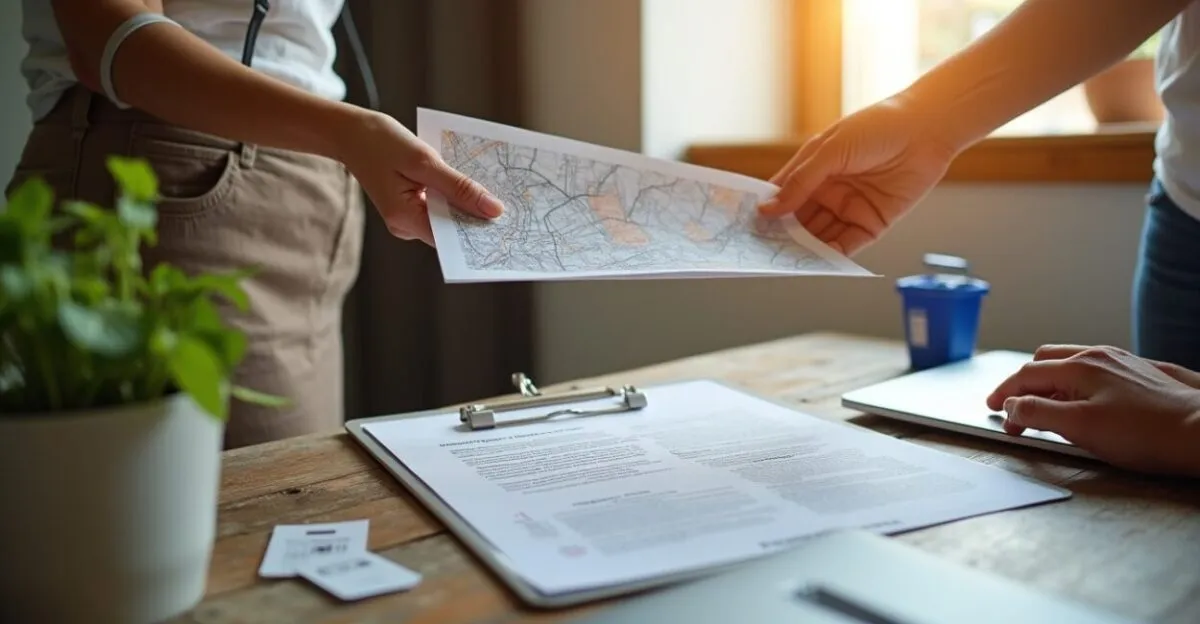
Condos are adopting shared composting systems, worm bins, and thermal composters to reduce waste and encourage mindful consumption. Management requires clear guidelines, collection points, and ongoing education for residents and maintenance staff.
Environmental and financial benefits
Compost improves gardens, lowers disposal costs, and encourages organic recycling, strengthening community spirit and sustainable habits. These efforts clarify responsibilities, create local value, and bring residents closer to nature, even in densely populated urban areas.
4. Teaching Tools and Teacher Training
Hands-on materials and active learning methods
Resources such as growing kits, composting guides, and interactive platforms make environmental education projects easier to carry out in schools. Hands-on activities encourage inquiry, environmental empathy, and local solutions to global problems.
Professional development and ongoing training
Training programs for educators cover gardening, permaculture, impact assessment, and environmental communication. This supports high-quality teaching and strengthens schools’ leadership in sustainability projects.
| Tool | Use | Benefit |
|---|---|---|
| Growing kits | Classroom and garden activities | Hands-on learning |
| Home composters | Waste reduction | Garden fertilizer |
| Educational platforms | Monitoring and data | Digital integration |
- Identify available space and get management’s support.
- Choose a suitable composting method.
- Educate residents and set clear guidelines.
- Monitor the process and use the compost in gardens.
5. Community Engagement and Effective Communication
Events, fairs, and participation
Seed swaps, composting workshops, and community workdays encourage participation and neighbor-to-neighbor exchange. These activities build connections, promote household recycling, and spread sustainable practices.
Digital campaigns and impact metrics
Social media and local platforms help connect projects, track progress, and encourage people to adopt sustainable practices. Simple measurements show waste reduction, cost savings, and improved soil, helping attract funding and institutional support.
- Share progress with photos and numbers.
- Create local groups to exchange ideas and experiences.
- Seek partnerships with universities and NGOs.
6. Public Policy, Funding, and Scalability
Incentives and local regulations
Incentive laws, grant opportunities, and city programs expand access to resources for gardens, composting, and teacher training.
Well-designed policies connect schools, condos, and organizations, making large-scale environmental education projects possible.
Funding models and partnerships
Public funds, sponsorships, and crowdfunding support local initiatives, while universities contribute applied research.
These partnerships strengthen implementation, monitoring, and the long-term continuity of environmental programs.
7. Measuring Results: Indicators and Success Stories
Simple, effective indicators
Metrics such as waste reduction, compost production, and the number of students involved show the direct impact of environmental education.
Clear, visual reports help administrators make decisions and expand programs with confidence.
Inspiring, scalable examples
Schools that have cut organic waste by 60% and condos that have created shared gardens show how local action can change urban life.
Real stories inspire others to follow suit, mobilize resources, and build community pride in the progress made toward sustainability.
Conclusion
Environmental education offers a practical, inspiring way to transform schools, condos, and cities through gardens, composting, and community engagement.
Return to the beginning: the image of hands in the soil captures the discovery explored here—knowledge that produces food, self-reliance, and a sustainable future.
Frequently Asked Questions
What is environmental education, and why is it important?
Environmental education is a learning process that develops the awareness, attitudes, and skills needed to protect the environment. It matters because it connects knowledge to concrete action, reduces waste, promotes sustainability, strengthens environmental citizenship, and prepares children and adults to face challenges such as climate change and biodiversity loss.
How can you start a school garden on a tight budget?
Start small with garden beds made from repurposed pallets or containers, involve families, and ask for seed donations. Use homemade compost, apply permaculture practices, and plan crop rotations. Document your results to gain support from school administrators and local partners and to pursue potential public or private funding.
Is composting feasible in urban condos?
Yes. Shared systems using bins, worm composters, or thermal composters work well. They require clear guidelines, a collection point, and resident education. Shared management and clear communication help ensure high-quality compost, reduce waste, and improve condo gardens.
What resources help teachers lead hands-on projects?
Training can include gardening workshops, permaculture courses, teaching guides, and digital platforms. Partnerships with universities and NGOs provide technical and instructional training. Teaching kits, composting manuals, and communities of practice build knowledge and support project implementation.
Where can you find funding and support for local initiatives?
Look for city and state grant opportunities and sustainability programs, build partnerships with universities and NGOs, and consider crowdfunding. Local businesses may sponsor school projects. Document your impact and results to secure public and private funding and expand your efforts.
Sources and recommended reading: UNESCO, Brazilian Government Portal, academic articles on permaculture and local sustainability.
Artigos Relacionados
 Socio-Environmental Change Through Education: Paths to a Sustainable Future
 Definitions and Concepts of Cooperativism and Education
 Effective Brain Stimulation in Early Childhood Education
 Active Learning Methodologies in Teacher Education: How to Apply Them
 Collaborative Learning in Early Childhood Education
 Innovative Pedagogy in Higher Education: New Methodologies
