
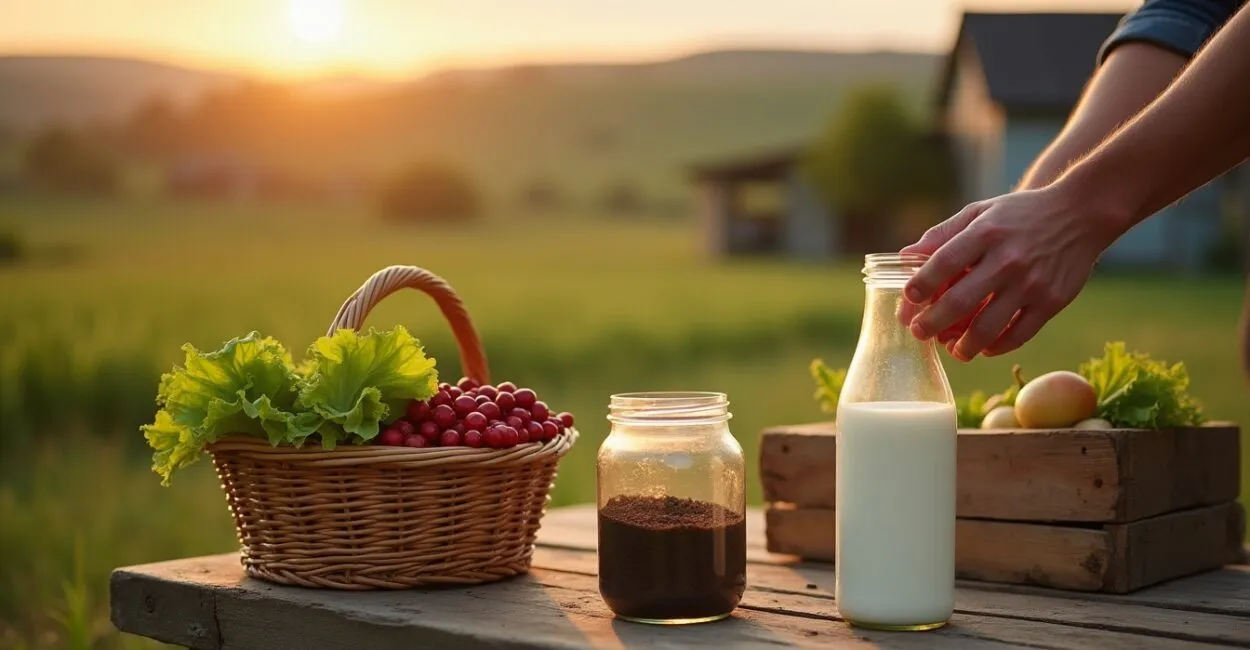
Organic farming connects food, land, and people while respecting the environment and promoting health. It transforms agricultural practices by reducing pesticides and valuing biodiversity.
In this article, you’ll learn how organic farming affects local markets, explores valuable niches such as specialty coffee and A2 milk, and supports farm-to-consumer sales models. I’ll cover practices, opportunities, and real-world examples. Read on to discover practical steps for getting certified, selling directly to consumers, and winning over customers who value quality, transparency, and authentic flavor.

Why Choose Organic Farming Today
Environmental and Climate Benefits
Organic farming protects the soil, reduces erosion, and increases organic matter. This improves water retention and resilience to climate change. Practices such as crop rotation and cover cropping foster biodiversity, sequester carbon, and promote healthier agricultural ecosystems.
Health, Safety, and Added Value
Consumers seek foods with no chemical residues and more nutrients, making them more willing to pay for certified organic products. Beyond health, traceability and organic certification build trust, add value, and open up direct sales channels.
Business Models: From Farm to Table
Direct-to-Consumer Sales
Selling directly to consumers cuts out middlemen, increases profit margins, and brings farmers closer to their customers through transparency about farming practices. Subscriptions, community-supported agriculture (CSA) programs, and farmers markets build relationships, encourage repeat purchases, and communicate sustainable practices and food origins.
- Monthly produce box subscriptions
- Farmers markets and local markets
- Direct-to-consumer online sales platforms
Partnerships and Premium Channels
Specialty coffee shops and restaurants seek clear sourcing, exceptional flavor, and regenerative practices, making them willing to pay more for microlots and traceability. Distributing through gourmet food stores and cooperatives expands reach while preserving control over pricing and product identity.

Focus on Profitable Niches: Specialty Coffee and A2 Milk

Specialty Coffee: Terroir and Story
Specialty coffee requires careful farming, variety selection, and post-harvest techniques that bring out the flavor and the farm’s unique character. Direct relationships with roasters and organic certifications can increase the price per bag and strengthen the farm’s brand.
A2 Milk and Animal Welfare
A2 milk comes from selected herds and offers a digestible alternative that appeals to consumers concerned about health and food purity. Organic practices and animal welfare improve milk quality, connecting breed, pasture, and sustainable production methods.
Essential Practices and Certification
Soil Management and Conservation
Composting, green manure, and crop rotation improve natural soil fertility and reduce reliance on synthetic inputs. Healthy soil supports consistent productivity, beneficial wildlife, and pest resistance without agricultural chemicals.
How to Get Organic Certification
The process involves transition periods, documentation of farming practices, audits, and compliance with national and international standards. Clear records, traceability, and transparency are essential for accessing markets and justifying premium prices.
- Document the farm’s practices and history.
- Complete a transition period without prohibited inputs.
- Hire a recognized certification agency.
- Undergo audits and correct any noncompliance issues.
- Keep records for annual renewal.
Marketing, Customer Experience, and Digital Presence
The Farm’s Story and Transparency
Sharing the story of the farm, its people, and its practices creates an emotional connection and reinforces the authenticity of organic products. Photos, short videos, and testimonials boost engagement and loyalty on social media and in newsletters.
E-Commerce and Logistics
Your own online store and marketplaces can help scale direct sales while keeping control over pricing and the customer experience. Efficient logistics, sustainable packaging, and clear delivery policies improve satisfaction and reduce returns.
Economics, Pricing, and Public Policy
Pricing and Profit Margins
Calculate actual costs, including labor, organic farming practices, and certification. Organic products can command higher margins than conventional ones.
Local markets and niches such as specialty coffee or A2 milk can offset investments because consumers are willing to pay more.
Incentives and Technical Support
Government programs and technical assistance can speed the transition to organic farming and reduce the financial risks of conversion.
Seek specialized consultants, collaborate with universities, and take advantage of agricultural extension programs to improve your practices.
Social Impact and the Future of Organic Farming
Community and Local Development
Organic farming creates local jobs, strengthens short supply chains, and encourages conscious consumption in the region, giving rural economies a boost.
Educational projects and agritourism experiences increase income and help consumers learn about sustainable practices.
The Future: Innovation and Scalability
Traceability technologies, responsible biotechnology, and digital markets can expand the reach of organic farming without compromising authenticity.
Collective models and participatory certification can help scale social and environmental impact.
Conclusion
Organic farming is a transformative choice that brings together sustainability, flavor, and economic value. It restores a more human connection between farmers and consumers. To return to where we began, organic farming is a concrete way to support the health of people and the planet—and an opportunity for those seeking purpose and fair profits.
Frequently Asked Questions
What do I need to start organic farming on my property?
To get started, assess your soil and the farm’s history, plan a transition period without prohibited inputs, and adopt practices such as green manure, composting, and crop rotation. Document every operation and seek technical assistance to adjust your practices and meet certification requirements. Also consider market strategies, such as direct-to-consumer sales or partnerships in specialized niches like specialty coffee or A2 milk, to make the transition financially viable.
How long does the transition to organic certification take?
The transition period typically ranges from 12 to 36 months, depending on the crop and local standards. Synthetic pesticides and chemical fertilizers are prohibited during this time. Keeping detailed records, adopting sustainable farming practices, and preparing documentation for audits can speed up the process and reduce obstacles to final certification.
How can farmers add value to specialty coffee or A2 milk?
Add value through traceability, sharing the story of the farm’s terroir and practices, obtaining certifications, and building direct relationships with roasters or premium markets. Invest in post-harvest processing, sensory testing, and emotional marketing that tells the farm’s story. Subscription packages, microlots, and farm visits attract consumers willing to pay more for quality and transparency.
What economic and logistical challenges do organic farmers face?
Key challenges include initial conversion costs, the need for more skilled labor, certification, and direct-distribution logistics. Solutions include cooperatives, digital channels, partnerships with local retailers, and demand planning to reduce waste. Public policies and technical assistance can help mitigate the financial risks of the transition.
How can consumers support local organic farming?
Consumers can help by buying directly at farmers markets, subscribing to local farm produce boxes, looking for certification labels, and asking about farming practices. Farm visits, participation in CSA programs, and sharing information on social media can help grow the market. Conscious choices encourage sustainable practices and strengthen local economies, benefiting both farmers and the environment.
Sources and recommended reading: FAO report on organic agriculture FAO; technical research on certification and sustainable practices from EMBRAPA, the Brazilian Agricultural Research Corporation EMBRAPA.
Artigos Relacionados
 Agritourism: 5 Profitable Rural Experiences in 2025
 African Mahogany Planting: A Complete Guide to Profitable, Sustainable Growing
 Vertical Farming and LED Lighting: Revolutionizing Strawberry Production
 Precision Agriculture: Advanced Technology and Sustainability in Farming
 Technology in Agriculture: Innovation Transforming Modern Farming
