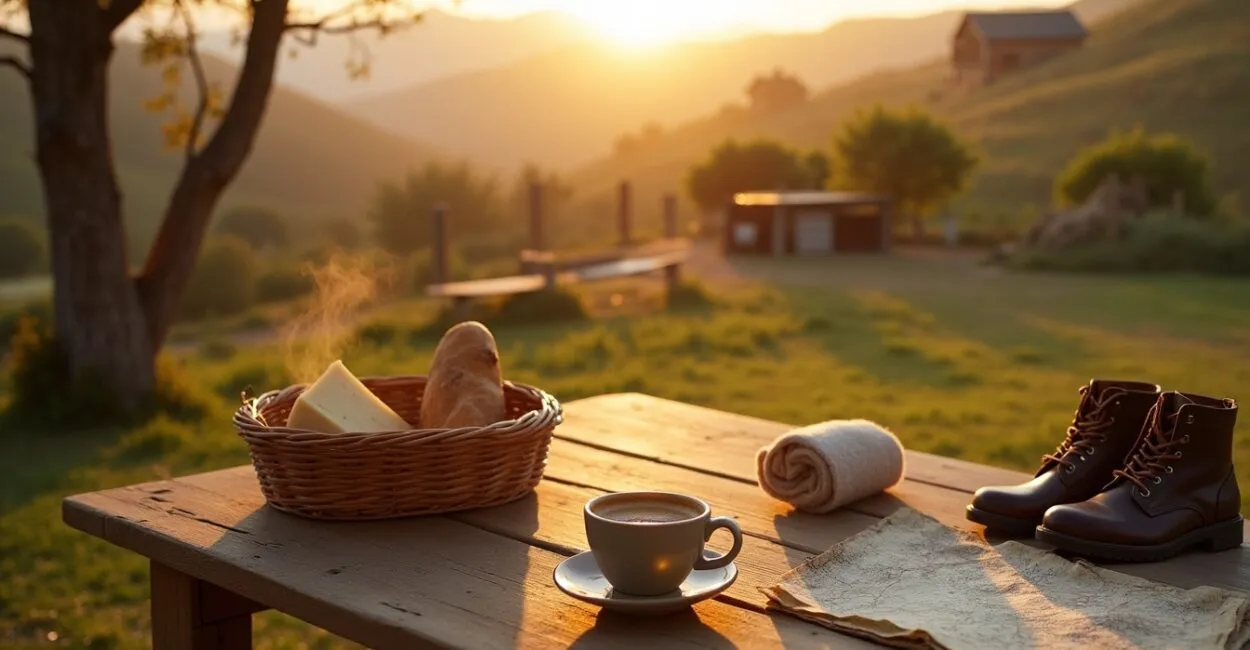
Imagine waking up to birdsong, the smell of freshly brewed coffee, and a slower pace of life—that’s agritourism at its most authentic. Agritourism connects travelers with rural experiences, supports local income, and creates unforgettable memories.
Today, agritourism is growing as an alternative to urban tourism: it showcases local products, diversifies rural economies, and offers sustainable experiences. In this article, you’ll discover five profitable experiences, practical ideas, and how to get started, with a focus on cabins in the Serra Gaúcha region and farm visits in Minas Gerais.

1. Cabins in Serra Gaúcha: comfort with local charm
Setting and appeal
Well-designed cabins that blend rustic architecture with modern comforts appeal to couples and families. The mountain scenery is a major draw for photos and culinary experiences. Offer mountain views, a fireplace, and breakfasts made with local products to boost bookings and positive reviews on travel platforms.
Operations and revenue
Combining lodging with guided hikes, wine tastings, and partnerships with local producers can increase revenue and occupancy during the off-season. Use direct bookings and seasonal campaigns to reduce commissions and build your brand; local marketing is essential.
2. Farm tourism in Minas Gerais: authentic experiences
A genuine rural experience
Farms in Minas Gerais offer milking, planting, country-style cooking, and nature walks. Connecting with rural life creates lasting memories. Educational activities for kids and cooking workshops attract families and school groups, boosting demand outside the summer vacation season.
Ways to generate revenue
Selling cheese, sweets, and produce directly, along with tickets for guided experiences, turns farm production into a source of tourism income. Partnerships with local agencies and a social media presence bring in qualified traffic and repeat bookings.
- Train your team in customer service.
- Standardize experiences to earn better reviews.
- Invest in packaging and your own brand.
3. Culinary experiences: profitable farm-to-table dining

Local products as a selling point
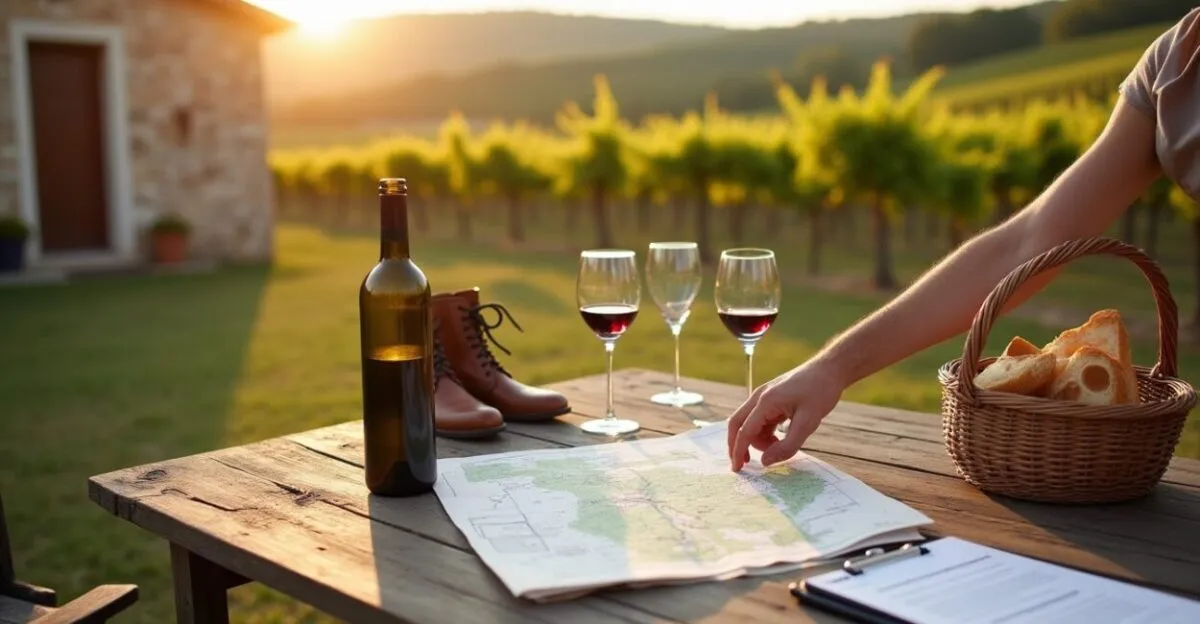
Menus featuring ingredients harvested on-site highlight the business’s authenticity and support its long-term viability. Knowing where food comes from adds emotional value. Tastings, themed dinners, and cooking classes increase the average spend and build loyalty among visitors seeking culinary experiences.
Communication and storytelling
Share stories about producers and family recipes on social media to build an emotional connection with potential guests. Appealing photos and vivid descriptions increase clicks and engagement, which are essential for Google Discover and organic search.
4. Profitable outdoor activities that are easy to offer
Hiking trails and guided outings
Short, safe trails appeal to beginners and families. Local guides enrich the outing with insights about the region’s wildlife and plants. Offer digital maps and self-guided options with QR codes; this expands your offerings without significantly increasing operating costs.
Additional activities and wellness
Sunrise yoga classes, horseback rides, and guided picnics broaden your audience and justify premium package prices. Combine seasonal activities to maintain year-round occupancy and create exclusive experiences for groups.
| Activity | Initial investment | Average monthly return |
|---|---|---|
| Guided hikes | Low (maps, signage) | Medium |
| Product tastings | Medium (facilities and supplies) | High |
| Horseback rides | High (animals and upkeep) | Medium-high |
- Test activities on weekends.
- Keep certifications and insurance up to date.
- Build partnerships with local tour operators.
5. Events and retreats: high revenue per booking
Weddings, retreats, and workshops
Rural venues are popular for intimate weddings and corporate retreats, generating concentrated revenue from each event. Offer packages that include lodging, meals, and activities to increase value and customer satisfaction.
Planning and logistics
Reliable facilities, access, and vendors are essential to delivering a great guest experience and earning future referrals. Invest in professional photography and testimonials to boost package sales and visibility on specialized event platforms.
- Define your target audience and venue capacity.
- Create clear packages with per-person pricing.
- Hire reliable local vendors.
- Promote your offerings on social media and through event partners.
- Collect feedback and keep improving.
6. Marketing and digital presence: how to sell experiences
Optimized, visual content
Tell stories visually with photos, short videos, and testimonials. This content can improve your chances of appearing in Google Discover and engage visitors on mobile devices. Use keywords related to agritourism in titles, snippets, and descriptions to perform better in organic search.
Partnerships and distribution
List your business on booking platforms and partner with local influencers to promote authentic experiences and increase conversions.
Offer discounts for direct bookings through your website and create newsletters to build customer loyalty and encourage repeat visits.
7. Sustainability and social impact: a competitive edge
Sustainable practices
Water management, renewable energy, and agroecological farming practices make your business more efficient and appealing to eco-conscious travelers.
Being transparent about your environmental practices builds trust and improves reviews, while also reducing operating costs over time.
Benefits for the community
Involving local producers and workers supports regional development and builds a value network that sustains agritourism in the area.
Educational projects with local schools raise your profile and strengthen community recognition, building mutual support.
Conclusion
Agritourism brings together emotion, authenticity, and opportunities for sustainable income. Cabins in Serra Gaúcha and farm visits in Minas Gerais are practical, profitable examples.
Start small, focus on the guest experience and sustainability, and let your guests share your story with the world.
Frequently asked questions about agritourism
What do you need to start an agritourism business?
To start an agritourism business, you need basic facilities for hosting guests, the required permits and documents, insurance, a safety plan, and local partnerships. It’s also essential to define the experiences you’ll offer, train your team, invest in digital marketing, and create direct sales channels as well as listings on specialized platforms.
How can you market cabins in Serra Gaúcha to attract more bookings?
Market your cabins with professional photos, vivid descriptions, and standout features such as a fireplace, regional breakfast, and scenic views. Invest in local SEO, seasonal ads, and partnerships with wine producers, and ask guests to leave reviews to build trust and improve visibility in search results and Google Discover.
What’s the best way to make money from farm visits in Minas Gerais?
Generate revenue from farm visits by selling tickets for activities such as milking and hiking, offering local products and cooking workshops, and creating bundled packages. Provide options for families and school groups, run seasonal promotions, and use social media to showcase authentic experiences and attract visitors interested in rural life.
What legal and food safety requirements are essential for agritourism?
Make sure you have environmental permits, municipal certificates, a business license, food safety approvals, and insurance. Follow good hygiene practices, train employees, and establish safety protocols for visitors to ensure compliance and build public trust.
How can you measure success and grow an agritourism business?
Measure success by occupancy rate, average spend, reviews, and financial returns. Reinvest in facilities, train your team, diversify your offerings, and build strategic partnerships to expand sales channels. Track seasonality and adjust your products to match customer demand.
Sources and recommended reading: Brazil’s Ministry of Tourism and Embrapa (Brazilian Agricultural Research Corporation).