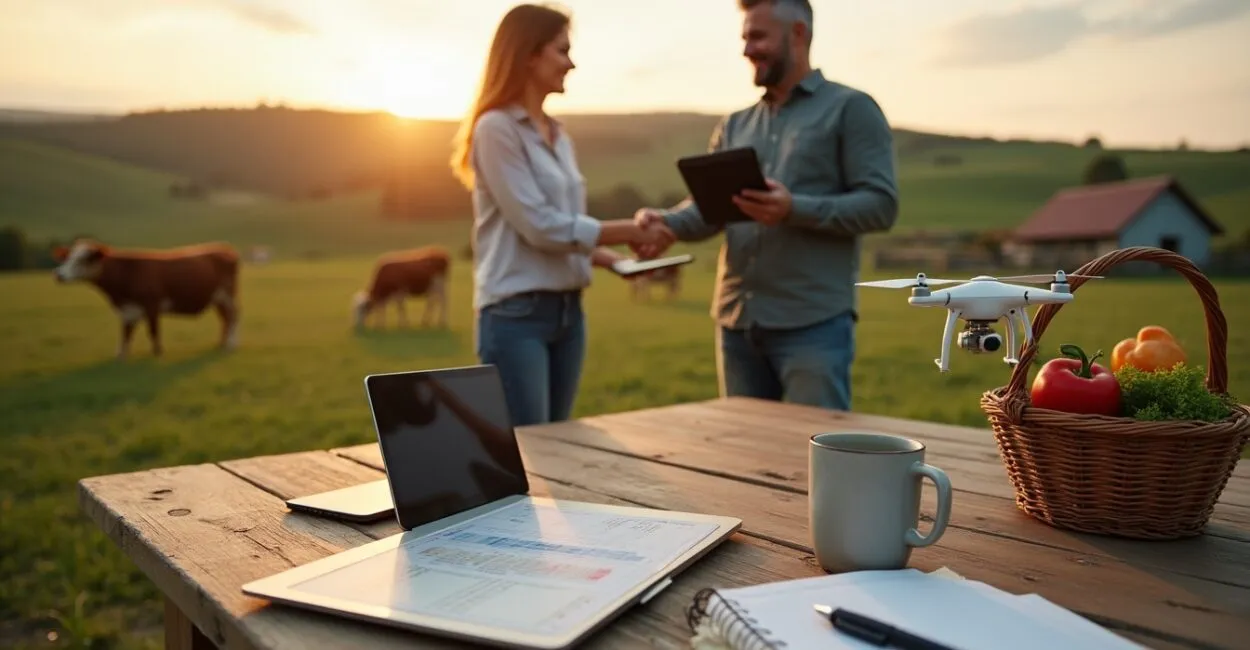
Entrepreneurship in rural areas offers hope to communities beyond the cities, combining tradition and innovation to generate income, preserve landscapes, and reconnect people with the land. In this article, you’ll find practical, inspiring trends for turning rural retreats, farms, and small properties into viable businesses.
We’ll explore why rural entrepreneurship is crucial in 2025, including agritourism, agricultural technology, sustainability, and access to digital markets. You’ll find actionable strategies, examples from southern Brazil, and technological solutions such as drones from DJI to optimize crop production. By the end, you’ll have a clear roadmap featuring seven key trends, practical resources, and a detailed FAQ to help you launch or grow a rural business.

1. Agritourism as an income driver in southern Brazil
Local experiences and cultural value
Agritourism brings consumers closer to rural life through lodging, hands-on experiences, and local cuisine. This boosts income and preserves traditions. Investing in hospitality, itineraries, and partnerships with restaurants strengthens your brand and creates memorable experiences for visitors from urban areas.
Infrastructure and regulations
Improving access, signage, and safety is essential. Environmental and health-code compliance builds customer trust and opens doors to sales platforms. Training in management, hospitality, and digital marketing helps producers professionalize their services and attract guests year-round.
- Food tours featuring local products
- Seasonal events and themed festivals
- Partnerships with travel agencies and digital platforms
2. Precision agriculture and drone use
Technology for faster decisions
DJI drones and sensors enable precise monitoring of pests, plant health, and field coverage. This reduces costs and boosts productivity. Aerial imaging and georeferenced data make it easier to target interventions and use inputs efficiently, improving sustainability and profitability.
Training and maintenance
Training operators and creating maintenance plans extend equipment life and maximize the return on technology investments. Seeking technical support and certifications helps ensure safe operation and compliance with aviation and environmental regulations.

3. Short supply chains and digital markets

Direct sales and e-commerce
Selling directly to consumers through farmers markets or online stores increases profit margins and brings your brand closer to the end customer. Platforms simplify logistics and payments. Rural marketing, appealing packaging, and storytelling help products stand out and build loyalty among urban and regional customers.
Co-ops and collective brands
Organizing producers into cooperatives improves bargaining power, standardization, and access to large customers. Collective brands highlight local identity and tradition. Certification programs, such as organic and origin certifications, build consumer trust and open up premium markets.
4. Financing, rural credit, and business models
Sources of capital and incentives
Understanding rural credit programs, grant opportunities, and social investment funds is essential to growing rural projects. Financial planning reduces risk. Public and private programs offer financing for renewable energy, infrastructure, and technological innovation on farms and rural properties.
Read also: Digital Rural Cooperative: Lessons from Cresol and Sicredi
Revenue models and diversification
Diversify your offerings across production, services, and tourism. New models include produce-box subscriptions, visitor experiences, and B2B sales to local restaurants.
Managing cash flow, pricing, and strategic partnerships helps ensure a sustainable rural business with predictable growth.
Read also: Arts Funding: Risks and New Sources for 2025
| Financing option | Term | Purpose |
|---|---|---|
| Pronaf (Brazil’s National Program to Strengthen Family Farming) | Short to medium term | Small farmers, operating costs, and investment |
| BNDES (Brazilian Development Bank) | Medium to long term | Modernization, machinery, and infrastructure |
| State grant programs | Short term | Innovation and rural tourism projects |
- Identify your property’s investment needs.
- Research available public and private financing options.
- Prepare a financial plan with realistic projections.
- Seek technical support and arrange collateral.
- Negotiate terms that align with your production cycle.
5. Sustainability and renewable energy
Regenerative practices and certifications
Adopting agroforestry systems, soil management practices, and water conservation improves productivity, resilience, and the property’s reputation. Sustainability certifications add value and connect producers with consumers willing to pay more for environmentally responsible products.
Solar energy and efficiency
Photovoltaic systems reduce costs and provide energy independence. Solar-powered pumps and energy-efficient lighting modernize rural operations.
Biogas projects and waste recovery turn losses into energy and an additional source of income.
- Lower emissions and energy costs
- Improved soil quality
- Greater product value in the marketplace
6. Training, governance, and rural marketing
Ongoing education and new skills
Investing in courses on management, digital marketing, and agricultural technology strengthens the competitiveness of rural businesses in Brazil. Mentorship and support networks connect producers with practical knowledge and market opportunities.
Branding, storytelling, and customer experience
Sharing the story of your origins, family, and sustainable practices builds an emotional connection with urban consumers and tourists. Good customer service, digital channels, and reviews boost your reputation and bring visitors back.
7. Infrastructure, logistics, and public policy
Market access and transportation
Improving roads, refrigeration, and packaging is critical to reducing losses and ensuring on-time delivery to end customers or cooperatives.
Investments in storage and collaborative logistics help small producers reach more customers and preserve product quality after harvest.
Advocacy and government programs
Engaging with associations and public policy efforts helps secure resources and representation. Local projects can influence regional investment.
Monitoring grant opportunities and participating in municipal councils increases the chances of securing funding for rural infrastructure.
- Integration with local distribution networks
- Public-private partnerships for infrastructure
- Training in cold-chain logistics and packaging
Conclusion
Rural entrepreneurship brings innovation and tradition together to create real opportunities for jobs, income, and conservation. By adopting technologies such as DJI drones, exploring agritourism in southern Brazil, and accessing credit programs, producers can turn challenges into a competitive advantage.
Return to the beginning and remember: starting small, testing experiences, and growing with data and partnerships is the surest path to success in rural business.
Frequently Asked Questions
What is rural entrepreneurship, and why invest in it now?
Rural entrepreneurship is the creation and management of rural businesses that generate income from land, tourism, and services. Investing now lets you tap into demand for local food, experiential tourism, and affordable technology while supporting environmental and social sustainability and creating economic opportunities in rural communities.
How can agritourism in southern Brazil work for small properties?
Agritourism can work in southern Brazil thanks to its food culture, tourist routes, and proximity to urban centers. Set up simple lodging, authentic experiences, and local partnerships to promote your business. Invest in customer service, hygiene, and digital marketing to attract visitors year-round.
What benefits can DJI drones bring to small farms?
DJI drones provide aerial images to monitor plant health, map pests, and optimize the application of agricultural inputs. For small farms, this cuts costs, improves decision-making, and boosts productivity. Training operators and following aviation rules are essential for safe operation.
Where can I find credit and incentives to start a rural business?
Look into programs such as Pronaf (Brazil’s National Program to Strengthen Family Farming), BNDES (Brazilian Development Bank) programs, and state grants focused on rural innovation. Cooperatives and local associations can also provide support. Prepare a business plan and agricultural documents to improve your chances of approval and negotiate terms that fit your production cycles.
What practical first steps can I take to start a rural business?
Start by assessing your property’s resources, testing a minimum viable product, and validating local demand. Build partnerships, register your brand, and keep learning about management and digital marketing. Use data to adjust pricing and scale, prioritizing cash flow and sustainability.
Sources: Embrapa (Brazilian Agricultural Research Corporation), BNDES (Brazilian Development Bank), Ministry of Agriculture of Brazil