Rural innovation is transforming farms and communities through technology, knowledge, and business models that boost productivity and resilience. In this article, you’ll learn how startups, policies, and real-world examples are changing life in the countryside and creating economic and social impact.
We’re at a point where digital solutions, data, and partnerships are making agriculture more efficient and sustainable. Rural innovation is increasingly important in the face of climate challenges, growing food demand, and the need for greater access to technology. I’ll cover 7 key areas of rural innovation, real-world examples—including an AgTech company using satellites to predict drought in Minas Gerais—and practical steps for adopting these solutions on your farm.

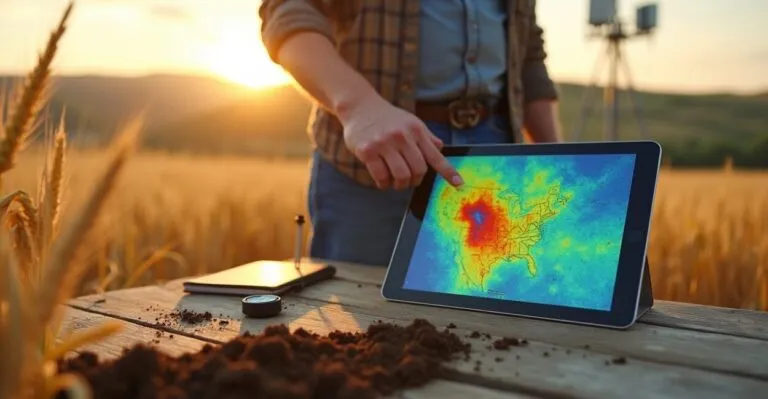
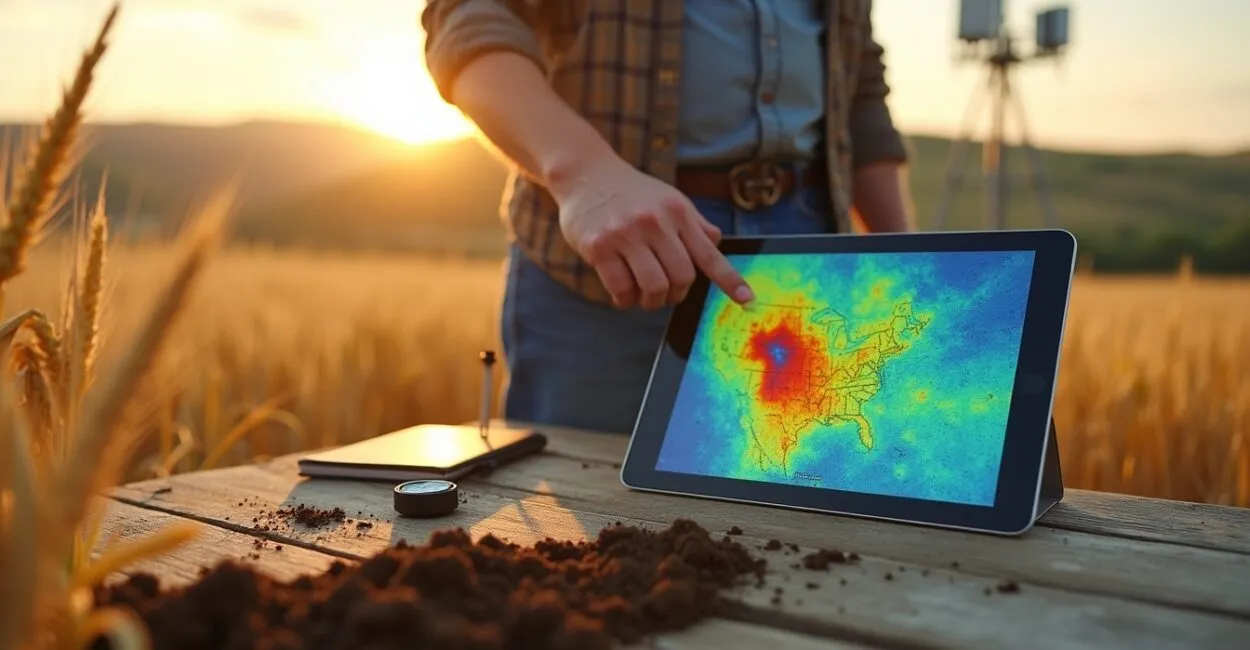
Have you ever imagined predicting a drought months in advance and protecting your crops? Rural innovation makes it possible with satellites, sensors, and data analysis, helping save harvests and income. Here, you’ll find out how these technologies work and where the opportunities begin.
1. Sensing technologies and data in agriculture
Satellite monitoring and imagery
Satellites provide images that reveal soil moisture, vegetation, and drought risk. These observations support timely decisions about irrigation and crop management. Startups combine weather data, NDVI indices, and risk maps to provide alerts and operational forecasts for farmers.
Data platforms and predictive analytics
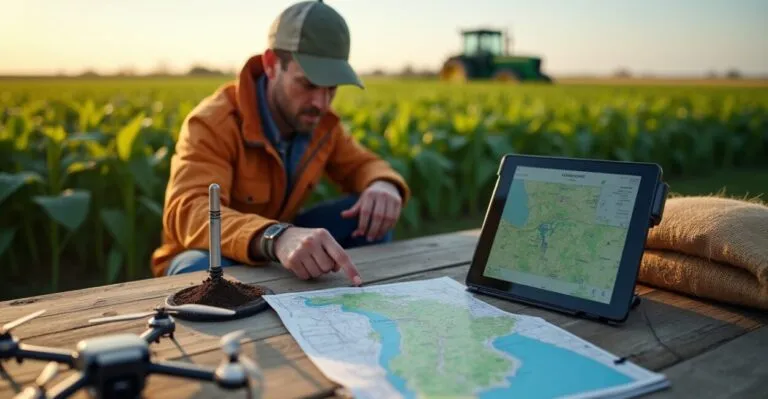
Platforms combine data from sensors, drones, and weather stations to create intuitive dashboards. They provide recommendations based on agricultural models. By integrating historical data and forecasts, predictive analytics reduces waste of water and inputs while increasing yield per acre.
2. Business models and market access
Contracts and payment models
Models such as pay-per-use and subscriptions make technology more accessible. Farmers pay based on the benefits they receive, reducing upfront barriers.
Co-ops and digital platforms connect supply and demand, improving access to inputs, credit, and qualified buyers.
Marketplaces and traceability platforms
Digital marketplaces help farmers get fairer prices and give consumers greater transparency. Traceability adds value and opens up new markets.
These tools connect logistics, certification, and payments, making supply chains more scalable and trustworthy.
- Identify potential buyers and certify the product’s origin.
- Use digital contracts to reduce the risk of nonpayment.
- Adopt flexible service payment models.
3. Sustainable production solutions

Agroecology and integrated technology
Combining agroecological practices with sensors improves soil health and productivity. Technology tracks key indicators while supporting sustainability.
This combination reduces chemical inputs, protects biodiversity, and improves resilience to extreme weather events.
Smart irrigation and water efficiency
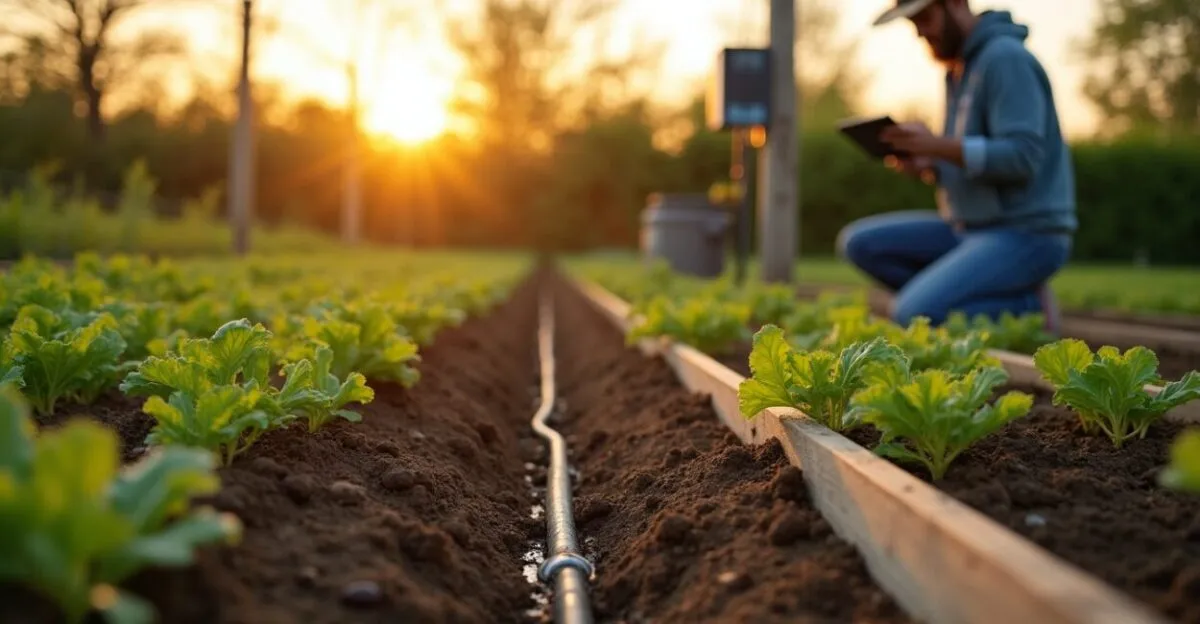
Smart systems control irrigation based on actual needs, reducing water use and costs. Sensors detect moisture throughout the soil profile.
This ensures every drop is used purposefully, preventing losses and supporting sustainable productivity.
4. Financing, credit, and public policy
Incentives and programs for technology adoption
Well-designed public policies accelerate adoption by offering subsidies, credit lines, and local technical assistance. Appropriate regulation expands access.
Read also: Postharvest Processing: Preserve Potency and Color
Extension programs strengthen digital skills and ensure small-scale farmers can access solutions with hands-on support.
Public-private partnerships and social impact
Partnerships expand scale and connect research, markets, and financing. Collaborative projects promote digital inclusion and rural employment opportunities.
Read also: Rural Financing: Loans for Growing Herbs
Impact-focused investments connect private capital with rural sustainability goals, accelerating change.
- Identify the technology priority for your farm.
- Look for suitable public or private programs.
- Request demonstrations and test on a small scale.
- Implement, monitor, and adjust based on results.
- Scale up once cost savings have been proven.
5. AgTech companies boosting productivity: examples and pioneers
A real-world example: a satellite-based AgTech company in Minas Gerais
A startup from Minas Gerais combines satellite imagery, climate models, and alerts to predict drought weeks in advance. Farmers adjust irrigation and storage accordingly.
The result: fewer losses, optimized inventory, and higher productivity, especially for grain crops and pastures.
Other startups and complementary solutions
Companies offer drones, farm management software, and soil sensors. Together, these technologies create an ecosystem that drives productivity.
Local platforms tailor recommendations to regional climates, making them precise and relevant for each farm.
| Solution type | Benefit | Practical example |
|---|---|---|
| Satellite sensing | Drought forecasting and soil moisture mapping | Weekly irrigation alerts |
| Drones and aerial imagery | Pest detection and crop health monitoring | Targeted pesticide application |
| Farm management platforms | Decisions based on operational data | Planting and harvest planning |
6. Training and technology adoption in agriculture
Hands-on training and agricultural extension
In-person and digital training speeds up adoption. Short courses and consulting show farmers tangible benefits.
Agricultural extension bridges the gap between science and the field, turning technology into simple, repeatable everyday practices.
Local communities and knowledge networks
Farmer groups share experiences and best practices, reducing mistakes and the cost of experimentation. Knowledge-sharing is a catalyst for innovation.
Local networks make field trials easier, showing real results before larger investments are made.
7. Risks, ethics, and the sustainability of rural innovation
Data privacy and sovereignty
Agricultural data creates value, but it also requires rules for use and protection. Clear contracts ensure farmers retain control over their information.
Transparency in business models builds trust and prevents the improper commercial exploitation of sensitive data.
Equity and technology inclusion
Innovation should reduce inequality by offering accessible solutions to small-scale farmers and traditional communities. Inclusion is an ethical requirement.
Successful projects combine technology with financial assistance and training to serve farmers with a range of needs and backgrounds.
Conclusion
Rural innovation is about more than technology: it’s a shift in perspective, collaboration, and action. From satellites that predict drought in Minas Gerais to credit models and training, agriculture has a real opportunity to grow more fairly and efficiently.
Go back to the beginning and imagine protecting your harvest with an early warning—that’s the kind of change rural innovation can bring when it’s put into practice locally.
Frequently Asked Questions
What is rural innovation, and why does it matter?
Rural innovation brings together technologies, practices, and business models that boost productivity, efficiency, and sustainability in agriculture. It matters because it addresses challenges such as climate change, food demand, and economic inclusion, helping rural communities secure income and build resilience.
How do startups use satellites to predict drought in Minas Gerais?
Startups combine satellite imagery, climate models, and local data to estimate water deficits. They process indicators such as NDVI and soil moisture to generate early alerts that guide irrigation, crop management, and inventory planning, reducing losses and costs.
What are the main benefits for small-scale farmers?
Small-scale farmers can improve irrigation precision, reduce input use, get better prices through traceability, and access new markets. Subscription programs and partnerships make adoption easier without large upfront investments, boosting competitiveness.
What risks should you consider when implementing new technology?
Risks include dependence on providers, data privacy concerns, and digital exclusion. Use transparent contracts, back up your data, provide local training, and choose scalable solutions suited to regional conditions.
Where can you find financing and support for rural innovation projects?
Funding is available from public banks, impact funds, government programs, and private investors. Look for regional incubators, co-ops, and local grant opportunities that offer credit, subsidies, and technical assistance for implementation.
Sources and recommended reading: FAO, Embrapa (Brazilian Agricultural Research Corporation), local AgTech studies, and regional climate reports.