
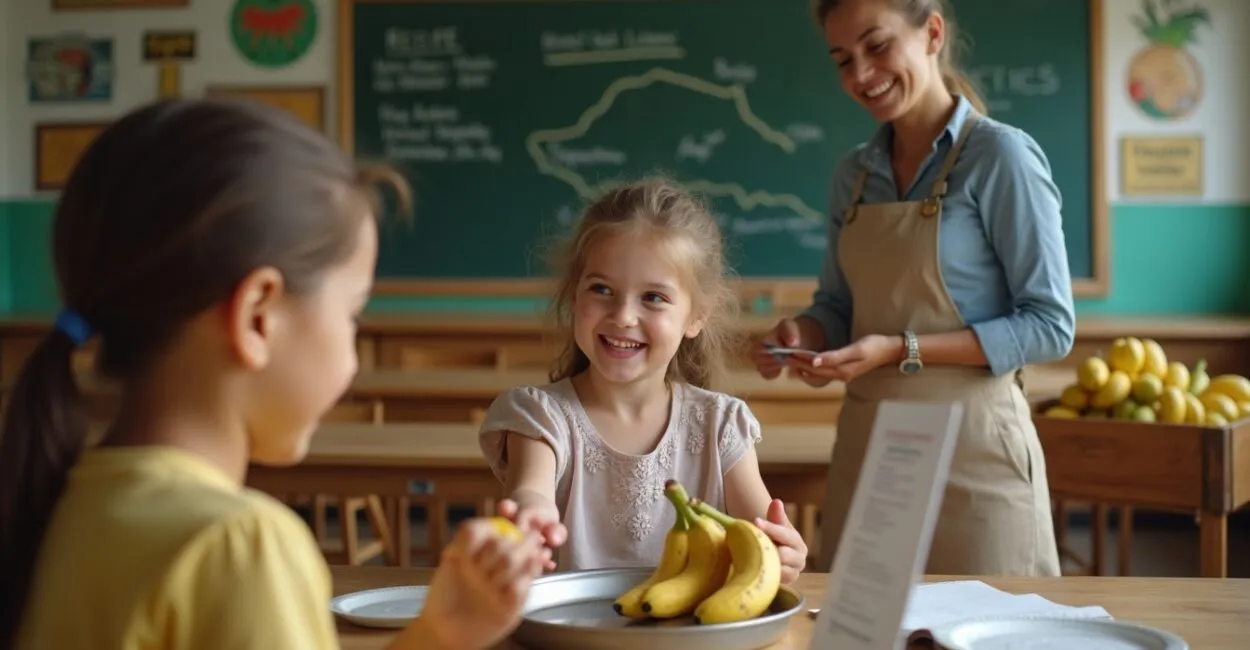
School meals can change lives by bringing nutrition, culture, and support for the local economy into schools. Learning how banana-based meals in Recife schools connect with local farmers can inspire hope and action.
This article explains what school meals are, why they matter for health and development, and how public policies and local purchasing are evolving through 2025. You’ll find practical examples and ways to put solutions into practice. Explore new approaches to incorporating local products, the impact on family farming, and changes expected in 2025, along with practical tips and evidence to build confidence and spur action.

Why school meals matter today
Health and development
School meals support healthy growth, improve attention, and reduce food insecurity among school-age children. Investing in balanced menus promotes learning, reduces absenteeism, and strengthens public health in cities and rural areas.
Social and economic impact
When school meal programs buy locally, they support family farms, rural incomes, and regional supply chains. Programs that prioritize local public procurement create jobs and preserve food traditions in school communities.
How to incorporate local products into school meals
Partnering with farmers
Set up straightforward agreements with cooperatives and small-scale producers to supply fresh fruit, vegetables, and grains regularly. Logistics require planning: transportation, storage, and the school calendar need to align with local growing seasons.
Adapting menus
Include seasonal ingredients such as bananas and cassava, adapting recipes to appeal to children while meeting nutritional needs. Train cafeteria staff and other team members to prepare tasty meals that preserve nutrients and encourage daily consumption.
- Identify local suppliers and seasonal calendars.
- Negotiate quantities and delivery schedules with cooperatives.
- Plan monthly menus featuring regional ingredients.
Real-world examples: banana-based school meals in Recife

Regional context
Bananas are plentiful in Recife and an important part of local culture, making them a nutritious, affordable option for school meals. Using locally grown bananas cuts costs, improves freshness, and strengthens students’ connection to their food culture.
Observed results
Reports from schools show high acceptance, less food waste, and increased fruit consumption among students. Local producers report more stable incomes and stronger marketing networks.
Policies and guidelines: the outlook through 2025
Legislation and public programs
Brazil’s National School Feeding Program (PNAE) encourages direct purchases from family farmers and sets minimum targets for local procurement. Updates expected in 2025 focus on transparency, traceability, and including small-scale producers in the procurement process.
Funding and oversight
Federal and state funds can support logistics infrastructure and training for school teams. Oversight using quality and nutrition indicators helps ensure that school meals meet health goals.
- Strengthen local school feeding councils.
- Invest in kitchen and storage infrastructure.
- Track consumption and satisfaction indicators.
How to implement a program in your school system
Institutional preparation
Identify stakeholders: education departments, schools, producers, and school feeding councils. Set clear goals and timelines. Document responsibilities and keep families informed to build support for the program and promote transparency.
Practical actions you can measure
Use simplified contracts, cost spreadsheets, and food-waste tracking to adjust logistics and menus each month. Train cafeteria staff and coordinators in food safety protocols and whole-food utilization.
- Identify producers and create a local supplier registry.
- Set seasonal menus that include regional fruit.
- Formalize agreements with clear quantities and delivery schedules.
- Train kitchen staff in food preparation and hygiene.
- Track consumption and make weekly adjustments.
Measurable benefits and indicators
Health and school attendance indicators
Measurements show improved healthy body mass index rates and fewer absences in school systems with consistent meal programs.
Good nutrition is linked to cognitive performance and lower dropout rates, creating a positive social impact.
Economic and environmental impact
Local purchasing reduces transportation emissions, supports producers, and creates more sustainable, shorter supply chains.
Well-designed programs increase local incomes and encourage sustainable farming practices.
Practical examples, resources, and references
Templates and tools
Cost spreadsheets, standard contract templates, and food preparation guides are essential for replicating successful school programs.
Digital tools help track purchases, inventory, and student acceptance of menu items.
Reliable sources and partners
Consult materials from FNDE, Brazil’s National Education Development Fund, and the Ministry of Education for guidance on public procurement and nutrition requirements.
International organizations such as the FAO provide data on food security and best practices for incorporating local products.
| Indicator | Description | Target |
|---|---|---|
| Share of local purchases | Proportion purchased from family farmers | ≥ 30% |
| Daily fruit consumption | Average servings of fruit per student | ≥ 1 serving/day |
| Food waste reduction | Percentage of leftovers per meal served | < 15% |
Conclusion
School meals that incorporate local products, like banana-based meals in Recife, can transform health, culture, and the economy. Well-targeted policies through 2025 can amplify these results. By bringing schools, producers, and administrators together, we can create a virtuous cycle: healthier children, valued farmers, and more resilient communities. Go back to the beginning to see how you can get started today.
Frequently asked questions
How do school meals benefit children’s health?
School meals provide balanced food with essential macro- and micronutrients, supporting healthy weight and height gains. Well-designed programs reduce nutritional deficiencies, improve concentration and school performance, and help prevent diseases associated with poor childhood nutrition.
How can small farms sell their products to schools?
Small-scale producers can organize into cooperatives or associations, register their businesses, and respond to public calls for bids. Simple contracts, technical support, and shared logistics make regular deliveries easier, helping family farmers meet program requirements and earn a steady income.
What are the main challenges of incorporating local products?
Challenges include delivery logistics, consistent quality, seasonality, and inadequate infrastructure in school kitchens. Overcoming these obstacles requires planning, investment in storage, training for cafeteria staff, and partnerships among governments, NGOs, and local producers to ensure a reliable supply.
Are any new policies expected in 2025 that will affect local purchasing?
Updates are expected to strengthen transparency, traceability, and family farmers’ participation in public procurement. Changes should make processes more accessible and encourage payment mechanisms and technical support, increasing inclusion and efficiency in supplying schools.
How do you measure the success of a local school meal program?
Use indicators such as the share of local purchases, daily fruit consumption per student, food waste reduction, and satisfaction among students and producers. Clear goals, ongoing monitoring, and regular reports help refine actions and demonstrate local social and economic impact.
Artigos Relacionados
 New AI Tools on the Market: Innovation and Trends
 Climate Citizenship: 7 Practical Actions for Schools in 2025
 5 Composting Projects for Schools and Apartment Buildings
 Environmental Education Trends for 2025: What’s New
 Management Theory: Essential Schools and Thinkers
 School Management: Effective Practices for Principals
