
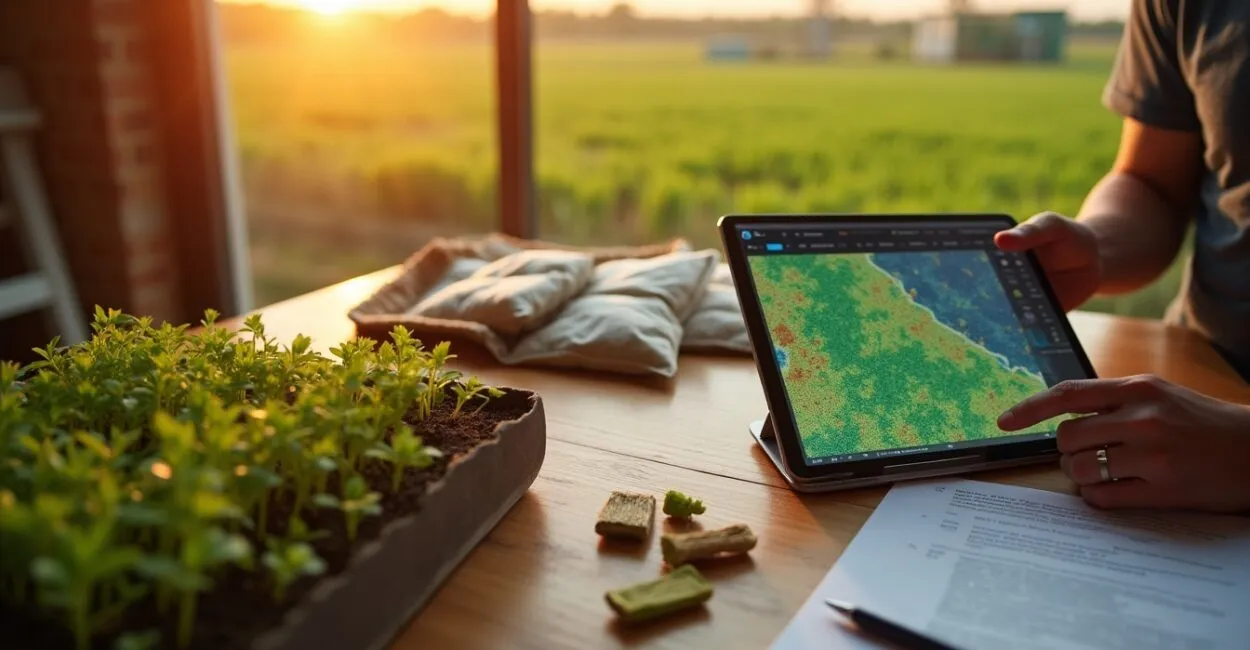
Have you ever wondered how technology and public policy can transform food security in a city, state, or country? Food security means reliable access to safe, nutritious food—and innovation and well-executed plans can make a dramatic difference.
This article explores how new technologies, seed banks, initiatives from Brazil’s Ministry of Agriculture and Livestock (MAPA), and programs in Goiás are advancing food security. We’ll highlight practical approaches, policies, and real-world examples to inspire local and national action. You’ll find practical solutions, evidence of their impact, and actionable steps you can recognize and support. By the end, you’ll have a clear picture of how to strengthen food security in your community.

Technological innovations that improve food security
Agricultural technology, climate monitoring, and precision agriculture are changing food security by reducing losses, helping anticipate risks, and improving productivity.
Technology and agriculture
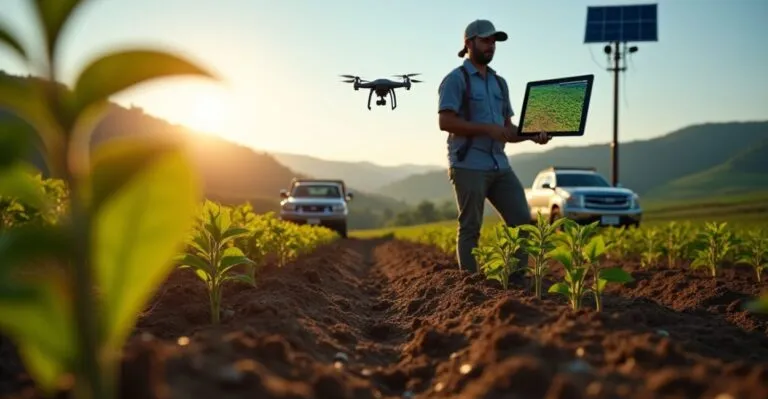
Remote sensing systems improve water and soil management, boosting yields and reducing waste. Management software helps cooperatives and producers plan harvests and distribute food more efficiently.
Biotechnology and seeds
Improved seeds increase resistance to pests and drought, protecting harvests and nourishing vulnerable communities. Public and private seed banks safeguard genetic diversity and ensure seeds are available for replanting during climate-related crises.
Public policy and governance that strengthen food security
Laws, tax incentives, and social programs support food security by ensuring access, regulation, and technical assistance for family farmers.
Regulatory framework
Public procurement policies prioritize small producers and strengthen local markets, increasing the supply of regional foods. Food safety regulations protect consumers and build confidence in local and integrated supply chains.
Social programs
Income support and school meal programs ensure access to basic food and encourage local production. Technical assistance initiatives boost productivity, income, and resilience for farming families.
- Prioritize direct purchases from family farmers in public programs.
- Build local sales networks and cooperatives.
- Invest in rural outreach and ongoing technical assistance.
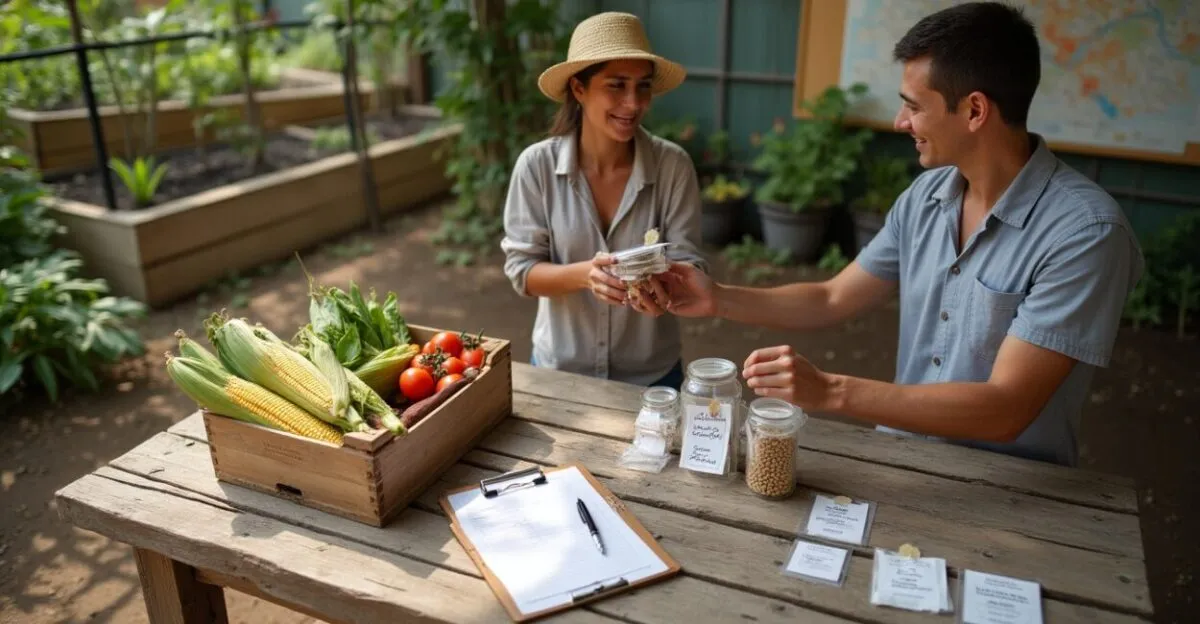
Case studies and examples: the MAPA seed bank and initiatives in Goiás

The MAPA seed bank and state-level initiatives show how strategic resources can strengthen food security, biodiversity, and resilience.
The MAPA seed bank
The national seed bank preserves native varieties and provides backup against losses caused by climate disasters. It serves as a source for quickly restoring local crops and protecting Brazil’s agricultural biodiversity.
Read also: Drone Spraying: Revolutionary Technology or Passing Trend?
Programs in Goiás
Goiás has municipal purchasing programs and technical support that connect family farms with institutional buyers. Regional projects promote community gardens, local seed banks, and training for young farmers.
Comparison table: the impact of technology and policy
A practical summary of how technology and policy affect food security, useful for planning and communication.
Impact indicators
Productivity, postharvest losses, and access to nutritious food show whether interventions improve food security. Ongoing monitoring makes it possible to adjust policies and technologies to maximize local and regional results.
| Intervention | Benefit | Time to see results |
|---|---|---|
| Seed bank | Rapid restoration of local crop varieties | 1–3 years |
| Precision agriculture | Reduced losses and costs | 6–18 months |
| Local public procurement | Stable markets and farmer income | 3–12 months |
- Map local varieties and register them in public seed banks.
- Strengthen research centers and rural outreach.
- Connect producers with school meal programs and social services.
How local communities can improve food security today
Community movements, urban gardens, and cooperatives improve access to food and promote food education, strengthening local networks.
Community organizing
Cooperatives cut costs, add value, and make it easier to access institutional markets. Seed and knowledge-sharing networks preserve agroecological practices and local traditions.
Education and consumption
Educational programs can change habits and encourage people to choose fresh foods, boosting demand for local products. Farmers markets, community kitchens, and food banks improve access and reduce waste.
- Map local resources and potential producers.
- Form working groups with clear goals.
- Build partnerships with schools and local governments.
- Document and share results to attract support.
Challenges and risks: what is still holding back food security
Climate change, unequal access, and a lack of public investment threaten progress on food security. Integrated management and sustained funding are essential.
Climate threats
Droughts and extreme weather reduce harvests, increasing food insecurity and requiring swift, well-planned responses.
Adaptation strategies, such as efficient irrigation and resilient seeds, reduce the effects of climate variability.
Inequality and logistics
A lack of infrastructure and transportation options increases postharvest losses and limits food supplies in urban areas.
Investing in storage, transportation, and regional markets is essential to ensure equitable access.
Conclusion: a brighter future for food security
When technology and public policy work together, they can create a fairer, more resilient, and more nutritious food system. Food security depends on coordinated action. Think back to the image at the beginning: communities with reliable food supplies and abundant harvests can become a reality through seed banks, state programs, and aligned policy decisions.
Frequently asked questions about food security
What is food security, and why does it matter?
Food security means that everyone has reliable access to enough nutritious food. It matters because it affects health, economic development, and social stability. Without food security, communities face hunger, illness, and lower productivity, affecting future generations. Addressing the problem requires a combination of public policy, technology, and sustainable practices.
How does the MAPA seed bank contribute to food security?
The MAPA seed bank preserves varieties adapted to local climates and cultures, ensuring germplasm remains available during crises. It helps restore crops lost to disasters, maintains genetic diversity, and supports research. This strengthens the resilience of agricultural systems and helps ensure a steady food supply in affected regions.
Are there programs in Goiás that strengthen food security?
Yes. Goiás has initiatives such as local procurement for school meals, support for family farming, and community garden projects. These efforts increase income, improve student nutrition, and reduce waste. Partnerships with universities and state agencies expand technical assistance and agricultural innovation, benefiting families and municipalities.
Which technologies can reduce losses and improve efficiency?
Technologies such as soil sensors, climate monitoring, seed biotechnology, and digital supply chain management can reduce losses and optimize resources. These tools boost productivity, enable data-driven decisions, and connect producers with markets, making production more sustainable and resilient to disruptions.
How can people support food security in their communities?
People can help by buying from local producers, taking part in community gardens, donating to food banks, and calling for public policies that prioritize family farming. Supporting educational programs and sharing sustainable practices also strengthens community networks and promotes fair access to nutritious food for all.
Sources and recommended reading: Ministry of Agriculture and Livestock (MAPA), Embrapa. Other regional resources and academic studies offer further insights into food security practices and evidence.
Artigos Relacionados
 Rural Entrepreneurship: 7 Trends That Will Transform 2025
 AI in Agriculture: A Revolution Transforming Global Food Security
 Home Gardening: How to Grow Your Own Food in a Healthy, Affordable, and Sustainable Way
 Environmental Education Trends for 2025: What’s New
 Rural Technology: Drones and Sensors That Boost Profits
 Digital Security: The Impact of New Investments
