
LISTEN TO THE PODCAST
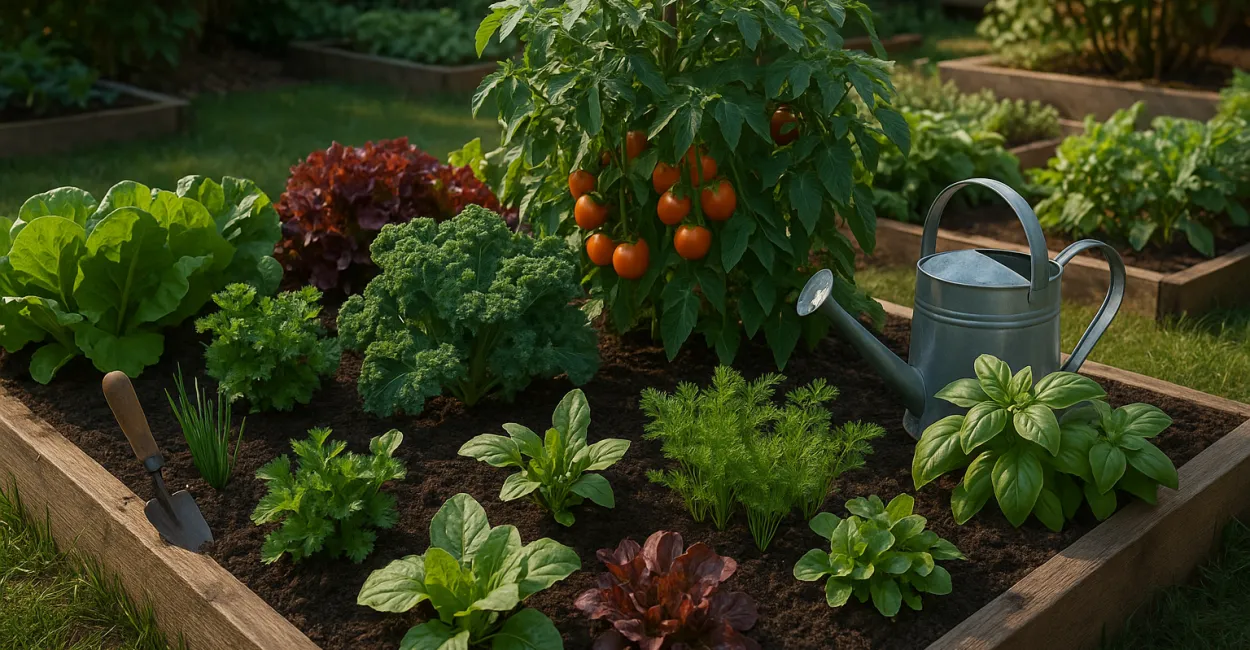
Growing a home garden is about more than planting herbs or vegetables: it’s an act of self-care, a way to connect with nature, and a meaningful step toward a healthier, more sustainable lifestyle.

As more people seek food grown without pesticides and a more balanced way of life, home gardening has become increasingly popular—in spacious backyards and small apartments alike.
In this comprehensive guide, we’ll cover everything you need to know to start, care for, and harvest your own garden—and enjoy all its benefits.
Why Grow a Home Garden?
1. Health and Well-Being
When you eat food you’ve grown yourself, you know it’s free from pesticides and preservatives. Gardening can also reduce stress, promote relaxation, and support better mental health.
2. Save Money
Organic herbs and vegetables can be expensive at the grocery store. Growing them at home can lead to significant savings over time.
3. Sustainability
Growing your own food reduces the carbon footprint associated with transporting and packaging commercially produced food.
4. Education and Awareness
A garden is a wonderful way to teach children and adults where food comes from, how nature’s cycles work, and why protecting the environment matters.
5. A Healthy Lifestyle
Growing fresh food can inspire healthier habits and a more balanced diet.
Where to Grow Your Garden: Make the Most of Your Space
The good news is that almost any space can work for a garden, as long as it gets natural light. Here are a few options:
1. Backyards and Gardens
Ideal if you have plenty of room. You can grow a wider variety of vegetables.
2. Balconies and Patios
Great for pots, window boxes, or vertical gardens mounted on railings or walls.
3. Apartments
Even without outdoor space, you can use sunny windows, indoor shelves, or compact hydroponic garden systems.
4. Green Walls (Vertical Gardens)
A great option if you’re short on space. Vertical panels or structures can hold herbs and vegetables.
☀️ Ideal Conditions for Your Garden

-
Sunlight: At least 4 to 6 hours of direct sun each day.
-
Airflow: Avoid stuffy areas, which can encourage fungal diseases.
-
Protection from strong winds: Wind can damage more delicate plants.
-
Access to water: Makes daily watering easier.
️ Materials and Equipment You’ll Need
To start a basic garden, you’ll need:
-
Pots, boxes, window boxes, or garden beds;
-
Quality potting mix (topsoil + worm castings + sand for drainage);
-
Gravel or expanded clay pebbles for drainage;
-
Certified seeds or seedlings;
-
A hand trowel and gloves;
-
A watering can or hose with an adjustable nozzle;
-
Organic fertilizer.
Tip: Try eco-friendly options like home composting to make your own fertilizer!
What to Plant in Your Home Garden
The plants you choose will depend on your available space and how much sun it gets.
Herbs and Aromatic Plants
-
Basil
-
Rosemary
-
Mint
-
Chives
-
Parsley
-
Thyme
Read also: African Mahogany Planting: A Complete Guide to Sustainable, Profitable Growing
-
Oregano
Leafy Greens
-
Lettuce
-
Arugula
-
Spinach
-
Collard greens
-
Watercress
Small Vegetables and Fruits
-
Cherry tomatoes
-
Bell peppers
-
Strawberries
-
Radishes
-
Carrots (in deep pots)
How to Start Your Garden Step by Step
1. Choose a Container
Make sure it has drainage holes in the bottom.
2. Add a Drainage Layer
Add a layer of stones, gravel, or expanded clay pebbles to prevent waterlogging.
3. Fill It with Potting Mix
Add fertilized soil mixed with organic compost.
4. Plant
Follow the depth and spacing instructions for each seed or seedling.
5. Water
Water gently, taking care not to soak the soil.
6. Maintain
Check your plants daily, prune lightly, and manage pests naturally.
Essential Care for a Healthy Garden
-
Watering frequency: Water once or twice a day in hot, dry weather; water less often when it’s cold or rainy.
-
Crop rotation: Helps prevent soil nutrient depletion and reduces pests.
-
Regular fertilizing: Supports healthy plant growth; fertilize every 30 to 45 days.
-
Pest control: Choose natural remedies such as tobacco spray, neem oil, and garlic extract.
More Tips for Home Gardens
– Grow a variety of plants: Planting different species together can help control pests naturally (for example, basil planted near tomatoes can repel insects).
– Use recycled materials: Plastic bottles, aluminum cans, and wooden crates can be turned into creative planters.
– Create a planting calendar: Keep track of the best time to grow each plant and make the most of your garden.
– Prune strategically: Removing dry or diseased leaves encourages healthy plant growth.
– Start a compost bin: Use kitchen scraps to make rich, natural fertilizer for your garden.
Sustainability: The Positive Impact of a Home Garden
Starting a home garden is a small step that can make a big difference:
-
It reduces carbon emissions from transporting food;
-
It reduces the use of plastic packaging;
-
It encourages reuse and recycling;
-
It encourages people to value food and helps reduce waste.
Every small garden is a step toward a greener, more balanced planet.
Conclusion
Having a home garden is about more than harvesting fresh herbs: it’s a way to grow better health, quality of life, and environmental awareness. With a small initial investment and a little daily effort, you can harvest fruit, vegetables, herbs, and plenty of satisfaction.
No matter how much space you have, nature always finds a way to flourish—and you can, too.
Start your garden today and discover the joy of planting, caring for, and harvesting your own food!
Frequently Asked Questions (FAQ)
1. Can I grow a garden in a small apartment?
Yes! With a vertical garden or pots by the windows, you can grow a variety of herbs and vegetables.
2. How long does it take to harvest the first plants?
Lettuce and arugula can be harvested 30 to 45 days after planting.
3. How can I tell if a plant needs more water?
Check the soil: if it’s dry about 2 cm below the surface, it’s time to water.
4. What should I do if pests appear?
Use natural pest treatments such as neem oil, diluted mild soap, or garlic extract.
5. What kind of soil is best for a garden?
Fertile, light, well-draining soil rich in organic matter, such as a mix of topsoil and worm castings.
Artigos Relacionados
 AI in Agriculture: A Revolution Transforming Global Food Security
 Environment and Education in the 21st Century: Pathways to a Sustainable Future
 Air Pollution: Hidden Impacts and Sustainable Solutions for Public Health
 Credit: The Essential Engine of Sustainable Economic Growth
 Socio-Environmental Change Through Education: Paths to a Sustainable Future
