
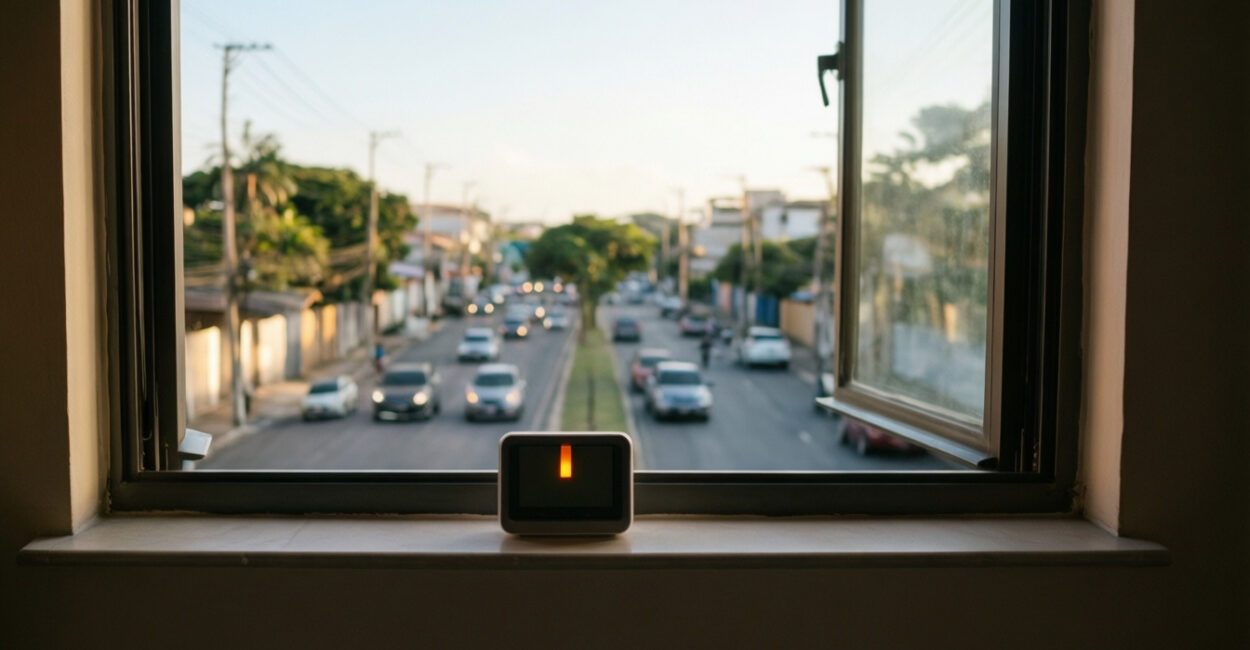
An avenue can look smoke-free and still contain pollutants you can’t see or smell. Air pollution occurs when particles or gases are present at levels that can harm health, the environment, or materials. Sources include vehicles, industries, fuel burning, and wildfires.
The risk depends on the pollutant, its concentration, and the duration of exposure. Children, older adults, and people with respiratory or cardiovascular conditions may need to take extra precautions, but having no symptoms doesn’t mean the air is safe.

To decide what to do, it’s worth checking local data and considering recommendations from the responsible agency. Individual steps can reduce exposure, while lasting improvement requires cutting emissions at the source.
Air pollution: causes, examples, and emission sources
Air pollution is the presence of particles or gases in the atmosphere at concentrations that can harm health, ecosystems, or materials. A pollutant is a substance present in the air; a pollution source is the activity or process that releases it. Causes vary by region and may include vehicle exhaust, industrial activities, fuel burning, dust, and wildfires.
Air pollution is a type of environmental pollution, but it shouldn’t be confused with water or soil contamination: each medium has its own sources, exposure pathways, and control measures. So-called biological pollution, in turn, involves agents such as microorganisms and isn’t synonymous with the main air pollutants.
Not every substance is emitted directly. Ground-level ozone, which forms near the Earth’s surface, results from reactions between other pollutants in the presence of sunlight. As a result, pollutant mixtures and levels can change with traffic, weather conditions, and location.
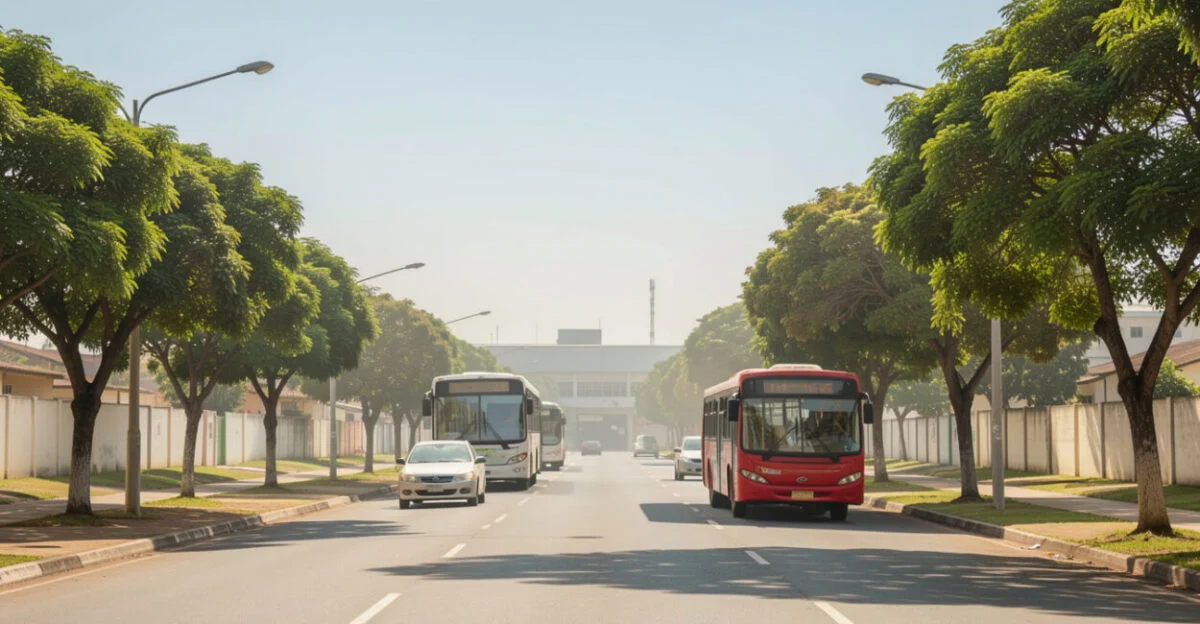
Major pollutants and their effects on the body
Air pollutants include airborne particles and gases. Particulate matter consists of solid or liquid particles suspended in the air. PM2.5 refers to fine particles up to 2.5 micrometers in diameter, while PM10 includes particles up to 10 micrometers. Risk doesn’t depend on just one factor: concentration, duration, and individual circumstances matter, too.
Pollutant category or example Common sources Possible effects or risks Airborne particles, such as PM2.5 and PM10 Combustion, vehicle exhaust, industrial processes, dust, and wildfires Can irritate the airways and contribute to respiratory and cardiovascular effects, depending on exposure. Polluting gases, such as ground-level ozone, nitrogen oxides, sulfur dioxide, and carbon monoxide Traffic, combustion, industrial activities, and chemical reactions in the atmosphere Can affect breathing and cardiovascular health; effects vary depending on the gas and dose. Mixtures of pollutants in smoke Wildfires and other forms of biomass or fuel burning Can worsen symptoms and increase exposure to particles and gases at the same time.
The World Health Organization links air pollution to respiratory and cardiovascular impacts. The EPA (U.S. Environmental Protection Agency) also describes pollutant categories monitored for their effects and characteristics. These references help explain the issue, but they don’t replace an assessment of local conditions.

Effects of exposure and groups that should take extra care

Air pollution can cause irritation and worsen respiratory problems, as well as pose cardiovascular risks. Intense exposure over a short period differs from repeated exposure over months or years. Both can have effects, but the outcome depends on the mix of pollutants, their concentration, and a person’s health.
Children, older adults, and people with asthma or cardiovascular disease may be more vulnerable. That doesn’t mean every exposure will cause illness, or that people without a diagnosis are immune. Pollution can also affect plants, ecosystems, and materials, with impacts that vary depending on the pollutant and the environment.
A common mistake is to treat the absence of coughing, irritation, or shortness of breath as proof that the air is safe. Exposure may not cause noticeable symptoms at the time, and many pollutants are invisible. Anyone with concerning symptoms should seek advice from a health professional.
Air quality: how to check and interpret alerts
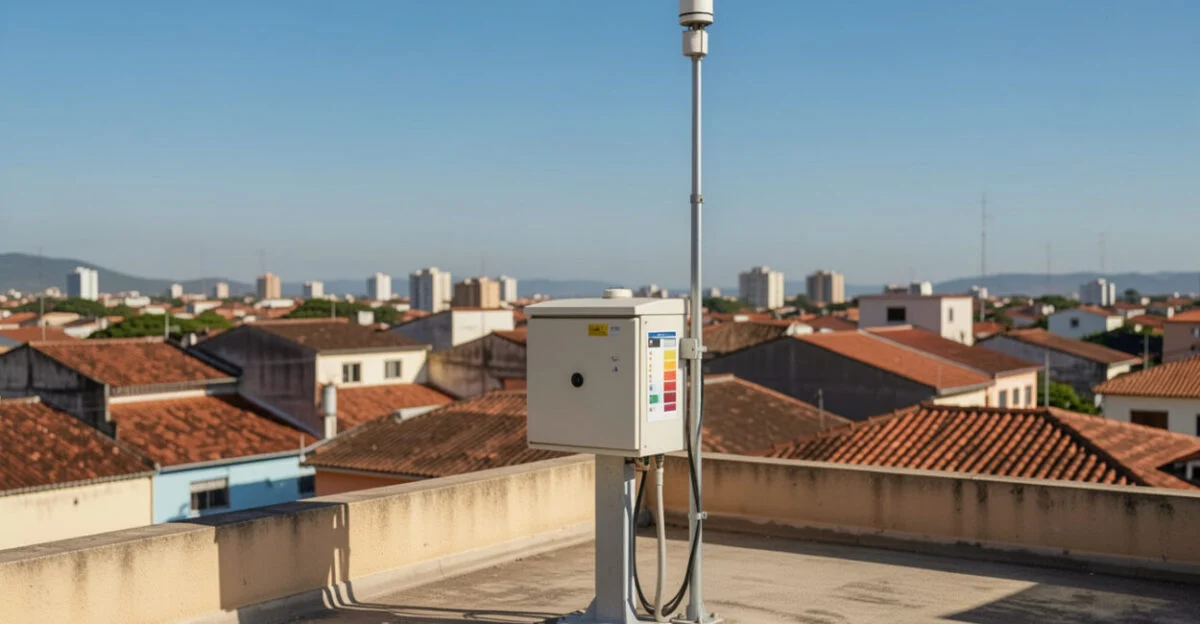
Air quality is an assessment of atmospheric conditions based on measurements and criteria set by the responsible service. To interpret an alert, check the location and time of the measurement, which pollutant was measured, which index was used, and the related recommendations. Different scales shouldn’t be compared as if they were equivalent.
What to check Why it matters How to use the information Location and time Results can vary between neighborhoods and throughout the day. Choose the nearest monitoring station and check when the measurement was taken. Pollutant measured Each pollutant has its own sources and effects. See whether the report lists particles, ozone, or another contaminant. Index and scale Methods and ranges can vary by service. Interpret the number using the source’s own legend; don’t compare different scales. Guidance from the responsible agency Recommendations take the index and local context into account. Use official guidance to decide whether to limit outdoor activities.
In São Paulo, CETESB (the São Paulo state environmental agency) publishes air quality monitoring information. In other regions, look for reports from the local environmental agency or a reliable monitoring service. An air quality map can help, as long as it identifies the data source, time, and pollutant.
Clear skies and a lack of odor don’t guarantee safe air. Traffic, terrain, wind, and other conditions can create differences between nearby locations; the direction and extent of these variations depend on the place and time.
- PM2.5: Often the most useful indicator of respiratory and cardiovascular risk.
- Ozone: Levels tend to rise on hot, sunny afternoons.
- Wind direction: Affects how smoke and dust plumes move.
- Local source: A nearby avenue, construction site, fire, or industrial facility can significantly affect readings.
Solutions to air pollution: reduce emissions at the source
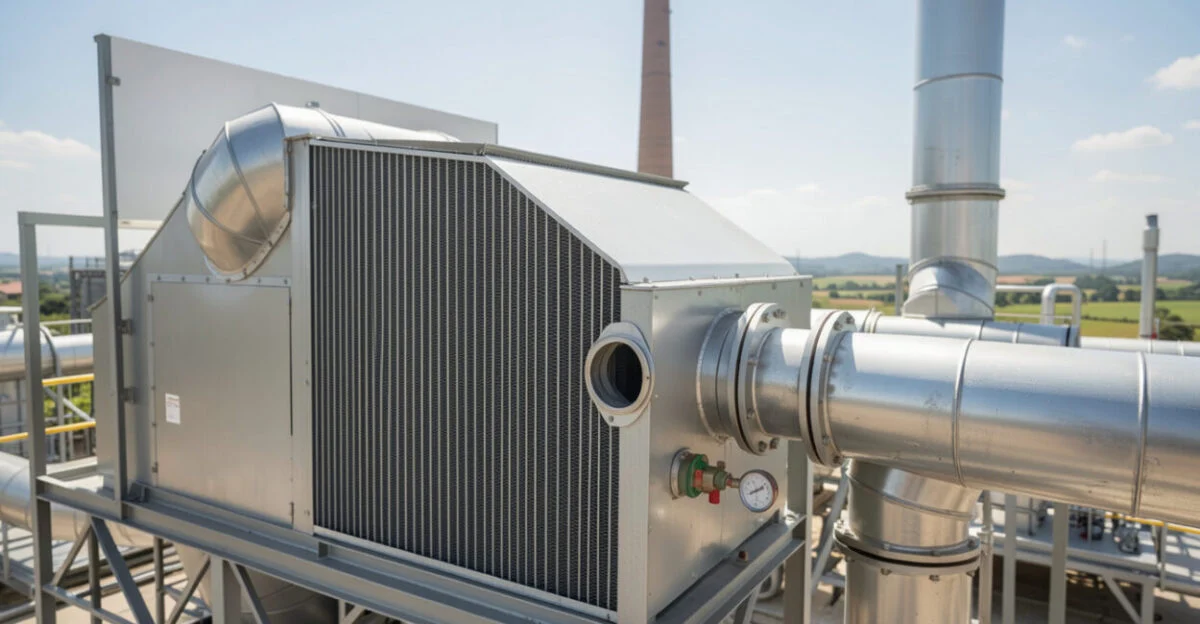
Solutions to air pollution depend on the main sources in each region. Individual actions help, but they don’t replace regulations, monitoring, and emissions controls for transportation and industrial activities. The most effective measures combine enforcement with changes to transportation and production systems.
- Emissions controls and enforcement: Monitor emissions, enforce regulations, and maintain monitoring networks that help identify problems.
- Transportation and mobility: Expand public transit and lower-emission travel options, and control vehicle emissions.
- Wildfire prevention: Reduce preventable fires and address fire sources in line with local conditions and policies.
- Industrial and other productive activities: Control emissions from industrial and other operations that release particles and gases.
Measures should be chosen based on local data: an area with heavy traffic may need different priorities from a region affected by wildfires or industrial sources. Symbolic actions that don’t reduce emissions won’t solve the problem on their own.
How to reduce everyday exposure
When there’s an air quality alert, follow official recommendations and consider the index along with the pollutant listed, the expected time outdoors, and the vulnerability of those who will be exposed. If authorities advise caution, spending less time outdoors and avoiding strenuous activity can reduce exposure.
On days when wildfire smoke is present, follow guidance from health and environmental authorities. Regular masks don’t provide guaranteed protection from smoke or fine particles: effectiveness depends on the type of mask, how well it fits, how it’s used, and the situation. Seek medical advice if you have concerning symptoms.
- Check the local alert and confirm when the data was recorded.
- Read the guidance from the responsible agency.
- Limit time and strenuous activity outdoors when a risk is indicated.
- Take extra care with children, older adults, and people with respiratory or cardiovascular conditions.
- Seek medical advice if concerning symptoms develop.
Taking public transit when available, avoiding burning waste, and driving less for short trips are examples of actions that can reduce emissions. Their impact depends on local conditions; governments and polluting industries also bear greater responsibility for reducing emissions from major sources.
Summary: identify the risk and choose your next step
To take action, identify the likely source, check local data, and follow the recommendations for the pollutant measured. The appearance of the sky alone can’t tell you the air quality; the index also needs to be read in the context of its scale and who will be exposed.
Water and soil pollution are related environmental problems, but they’re distinct, each with its own sources and control measures. There’s also no universal classification of the “10 types of pollution”: educational lists may include air, water, soil, noise, light, thermal, visual, chemical, biological, and radioactive pollution, but the criteria vary.
Frequently asked questions
What is pollution?
It’s the introduction of substances or forms of energy into the environment at levels that can harm health, ecosystems, or materials. It can affect the air, water, soil, and other environments.
What is biological pollution?
It’s contamination by biological agents, such as microorganisms. The term doesn’t describe the most common categories of air pollutants, such as particles and gases.
What are the 10 types of pollution?
There’s no single list recognized in every context. An educational classification might include air, water, soil, noise, light, thermal, visual, chemical, biological, and radioactive pollution; other sources organize the categories differently.
Do regular masks protect against smoke and dust?
Protection isn’t guaranteed. Results depend on the type of mask, how well it fits, and how it’s used, as well as the pollutants’ composition and concentration. Follow local authorities’ recommendations.
What should I do on days with wildfire smoke?
Follow alerts and guidance from health and environmental authorities. When they advise that conditions pose a risk, reduce your exposure and strenuous outdoor activity. Seek professional advice if you have concerning symptoms.
What is an air pollutant source?
It’s a source that releases substances capable of degrading air quality, such as vehicles, industrial facilities, or wildfires. Each source’s contribution depends on the location and emission conditions.
This content is for informational purposes and doesn’t replace advice from a doctor or other health professional.
Artigos Relacionados
 Social Media in Education: Key Impacts, Benefits, and Challenges
 Ethics in Educational AI: Challenges, Impacts, and Essential Guidelines
 AI in Education: Exploring Philosophical Impacts and Challenges
 Credit: The Essential Engine of Sustainable Economic Growth
 Socio-Environmental Change Through Education: Paths to a Sustainable Future
