
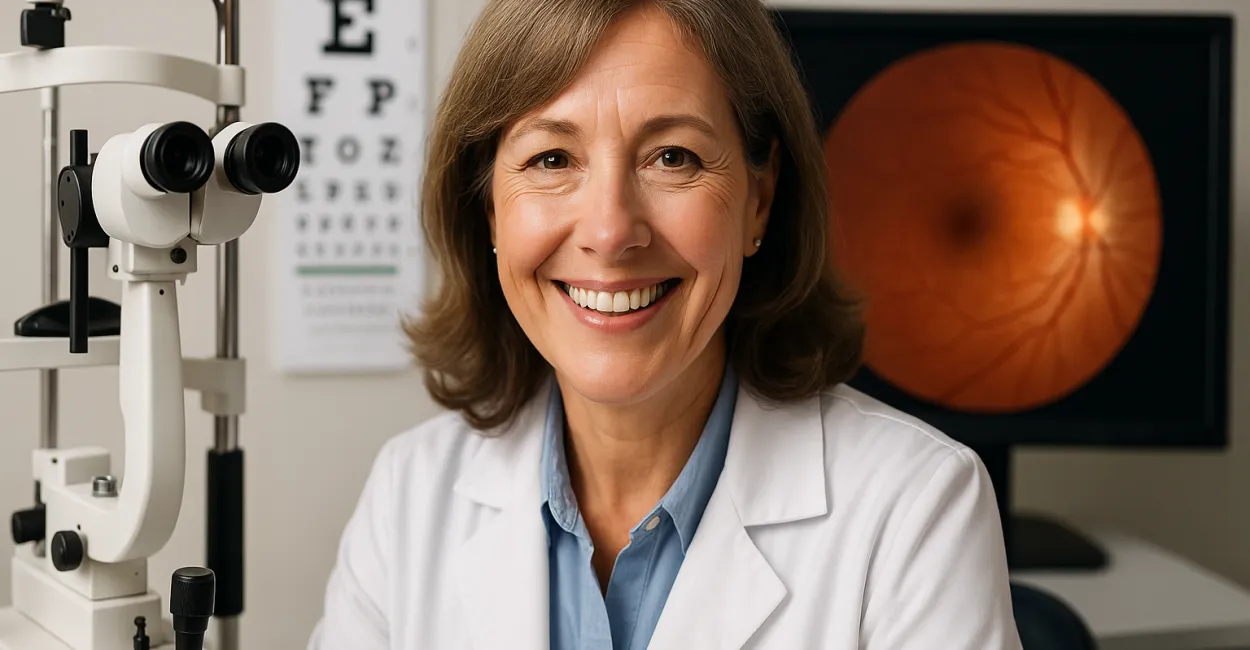
Ophthalmology is an essential medical specialty focused on eye health, covering everything from accurate diagnoses to advanced treatments for eye diseases. As the population ages and vision-related conditions become more common, the field presents both significant challenges and a wide range of opportunities for dedicated professionals.
Whether you’re a medical student, an ophthalmologist just starting your career, or a professional looking to stay current, understanding today’s trends and the field’s challenges is essential to building a strong, innovative career. In this article, we’ll take an in-depth look at the key aspects of ophthalmology and what it takes to succeed in this dynamic field.

The Current State of Ophthalmology
Ophthalmology’s Role and Importance
Ophthalmology is becoming increasingly important as life expectancy rises and chronic diseases that affect vision become more common. From diagnosis to surgery, ophthalmologists work to preserve and restore eye health, significantly improving patients’ quality of life.
Beyond clinical care, the field encompasses scientific research, technology development, and public health initiatives. This broad scope underscores the importance of ophthalmology in modern medicine.
Ophthalmologists are on the front lines of addressing conditions such as cataracts, glaucoma, and macular degeneration, all common causes of preventable blindness worldwide.
Key Challenges
Despite major advances, ophthalmology faces significant challenges, including unequal access to specialized care, particularly in remote and low-income areas. A shortage of qualified professionals and the constant need to keep up with new technology also directly affect the quality of care.
Another major challenge is adapting to demographic and epidemiological changes, which call for effective strategies to address the rising prevalence of degenerative eye diseases.
In addition, time management, pressure to deliver results, and multidisciplinary collaboration all require specific skills from today’s ophthalmologists.
Emerging Opportunities
- Expanding telemedicine for patient screening and follow-up.
- Developing gene therapies and innovative medications.
- Advances in minimally invasive and robotic surgery.
- Integrating artificial intelligence to improve diagnoses.
- Opportunities in clinical research and the pharmaceutical industry.
These opportunities are broadening the scope of ophthalmology and opening the door to diverse, promising career paths.
Ophthalmology Specialties
Major Areas of Practice
Ophthalmology has several subspecialties that allow professionals to focus on specific areas, build expertise, and distinguish themselves in the job market. These include cornea, retina, glaucoma, strabismus, and refractive surgery.
Each area has its own technical requirements and challenges, as well as different career prospects and levels of demand.
Specializing in a particular area can be key to professional success and recognition.
Training and Continuing Education
The path to becoming an ophthalmologist includes completing an ophthalmology residency, followed by continuing education and specialty training. Ongoing education is essential for keeping up with scientific and technological advances.
Attending conferences, workshops, and online training helps professionals stay current and build their networks.
Mastering new surgical techniques and learning to use advanced equipment are also essential for standing out.
Comparing Ophthalmology Subspecialties
| Subspecialty | Primary Focus | Market Demand |
|---|---|---|
| Retina | Vascular and degenerative retinal diseases | High |
| Glaucoma | Intraocular pressure and optic neuropathy | Moderate |
| Cornea | Transplants and ocular surface diseases | Moderate |
| Refractive Surgery | Correction of nearsightedness, farsightedness, and astigmatism | High |
| Strabismus | Eye misalignment and motility | Low to moderate |
Technological Advances in Ophthalmology

Diagnostic Innovations
Technological advances have revolutionized ophthalmic diagnosis, with equipment that produces detailed images of the retina and other eye structures. Technologies such as OCT (optical coherence tomography) and fluorescein angiography are essential for detecting diseases early.
These tools improve diagnostic accuracy and make it possible to monitor eye diseases effectively.
Artificial intelligence is also being incorporated to help analyze test results and speed up the clinical process.
Modern Therapies and Procedures
New treatments, such as intravitreal injections of anti-VEGF medications, have transformed the outlook for many retinal diseases. Laser surgery and minimally invasive techniques also improve safety and speed recovery.
Another important innovation is the use of robotics for highly precise procedures, reducing risks and improving outcomes.
These advances expand treatment options and raise the standard of ophthalmic care.
How Technology Is Changing Clinical Practice
- Improved ability to diagnose conditions early.
- Shorter appointment times and greater efficiency.
- Treatments tailored to each patient’s needs.
- Better integration of test results into clinical decisions.
- Easier remote monitoring through teleophthalmology.
These factors help improve eye care and increase patient satisfaction.
The Ophthalmology Job Market
Outlook and Trends
The ophthalmology job market is dynamic and offers a range of options, from private practice to work in public health services and research institutes. Demand for qualified professionals is expected to grow as the population ages and awareness of eye health increases.
Refractive surgery and telemedicine are also growing areas, creating opportunities for new approaches to care.
Professionals who invest in new technology and specialized training are more competitive in the job market.
Career Settings
- Private clinics and medical offices.
- Public and private hospitals.
- Research centers and universities.
- Technology companies and the pharmaceutical industry.
- Nonprofit organizations and public health agencies.
Each setting calls for specific skills and offers its own challenges and rewards.
Salaries and Compensation
Earnings in ophthalmology vary by location, experience, subspecialty, and practice setting. In general, ophthalmology is among the highest-paying medical specialties because of its complexity and strong demand.
Training in subspecialties and advanced technologies can significantly increase earning potential.
In addition to a regular salary, many professionals supplement their income with on-call shifts, private procedures, and consulting.
Ophthalmology Education and Training
Admission Requirements
To pursue a career in ophthalmology, you must complete medical school and be accepted into an ophthalmology residency program. The application process is competitive and requires a strong foundation in clinical knowledge and surgical skills.
An interest in research and a commitment to staying current are also valuable assets.
Knowing other languages gives you greater access to scientific literature and international events.
Available Courses and Training
There are many options for additional training, including specialty programs, master’s and doctoral degrees in ophthalmology, and short courses focused on specific techniques.
Leading institutions offer in-person and online training, making advanced knowledge more accessible.
These courses are essential for maintaining high-quality care and keeping up with industry trends.
The Importance of Continuing Education
- Staying current with clinical and surgical protocols.
- Adapting to technological innovations.
- Expanding professional networks.
- Improving the quality of patient care.
- Strengthening your position in the job market.
Continuing education is an ongoing commitment for anyone looking to stand out in ophthalmology.
Developing Essential Skills
Technical Skills
Mastering clinical and surgical techniques and using modern equipment are essential to becoming a successful ophthalmologist. Precision and care are critical to preventing complications and supporting patient recovery.
The ability to interpret complex test results and develop personalized treatment plans also helps professionals stand out in the job market.
Hands-on training and simulations are effective tools for improving these skills.
Interpersonal Skills
Clear, empathetic communication with patients and multidisciplinary teams is essential. Ophthalmologists need to explain complex information in a clear, supportive way to encourage patients to follow their treatment plans.
Teamwork and leadership are also valued skills, especially in hospitals and large clinics.
Developing emotional intelligence helps professionals handle high-pressure situations and difficult decisions.
Management and Entrepreneurship
Understanding administrative, financial, and marketing principles is important for anyone planning to open a medical office or clinic. Effective management directly affects the business’s long-term viability and the quality of its services.
Knowledge of regulations, ethics, and information technology helps ensure compliance and support innovation.
Entrepreneurship in ophthalmology can also involve developing products and building strategic partnerships.
Ethics and Professional Responsibility
Ethical Principles in Ophthalmology
Ophthalmologists should base their practice on the principles of beneficence, nonmaleficence, autonomy, and justice. Respecting patients, protecting confidentiality, and acting transparently are cornerstones of ethical practice.
Clinical decisions should always prioritize the patient’s best interests and avoid conflicts of interest.
Professional ethics also involve staying current and recognizing the limits of one’s expertise.
Common Ethical Challenges
Issues such as informed consent, medical advertising, and relationships with the pharmaceutical industry require special care. Professionals should avoid practices that could mislead patients or take advantage of their vulnerabilities.
Practicing ophthalmology responsibly means reporting misconduct and cooperating with regulatory bodies.
These challenges underscore the importance of ethics training from medical school through clinical practice.
Regulations and Standards
Ophthalmologists are regulated by organizations such as the Federal Council of Medicine (Conselho Federal de Medicina, or CFM), Brazil’s federal medical regulatory body, and specialty societies. Following technical and legal standards helps ensure the credibility and safety of services.
Keeping up with regulatory changes and participating in certification programs can also strengthen professional recognition.
Useful links:
Federal Council of Medicine (Conselho Federal de Medicina),
Brazilian Society of Ophthalmology.
Telemedicine and Digital Ophthalmology
Teleophthalmology Applications
Telemedicine is transforming access to eye care by enabling screenings, consultations, and remote monitoring. This is especially valuable for people in rural areas or those who have difficulty traveling.
Digital tools make it easier to share test results and communicate with specialists.
In addition to extending the reach of eye care, teleophthalmology helps make better use of health care resources.
Benefits and Limitations
Benefits include greater convenience for patients, shorter wait times, and support for faster clinical decisions. Limitations include the inability to perform detailed physical examinations and the need for adequate technology infrastructure.
Responsible use in accordance with regulations is essential for patient safety.
Advances in mobile technology and artificial intelligence are expected to overcome many of these limitations.
The Future of Digital Ophthalmology
- Integrating portable devices for at-home testing.
- Using algorithms to detect eye diseases early.
- Expanding online education and training for professionals.
- Growing collaborative networks among specialists.
- Improving data management and electronic health records.
These trends point to a major shift in how eye care will be delivered.
Research and Innovation in Ophthalmology
Priority Research Areas
Today, ophthalmology research focuses on cell therapies, ocular genetics, new medications, and improvements in surgical techniques. Research into preventing blindness and improving quality of life is also a priority.
These areas require multidisciplinary collaboration and investment in scientific infrastructure.
Professionals involved in research contribute to advances that directly shape clinical practice.
Technological Innovation and Development
The development of innovative devices, such as advanced intraocular lenses and augmented reality systems for surgery, is accelerating progress in the specialty. Partnerships among universities, companies, and health care centers are essential to turning ideas into effective solutions.
These innovations benefit both patients and professionals, adding value to care.
Innovation also drives economic growth and creates specialized jobs.
Funding and Incentives
| Funding Source | Description | Examples |
|---|---|---|
| Government Agencies | Funding for basic and applied research | CNPq, CAPES, FAPESP |
| Private Sector | Support for innovative projects and startups | Pharmaceutical and technology companies |
| International Organizations | Funding for global collaborative research | WHO, Gates Foundation |
Building a Successful Career in Ophthalmology
Career Planning
Setting clear goals during medical school, identifying areas of interest, and seeking hands-on experience are key steps toward a strong career. Career planning should include choosing a specialty, participating in research projects, and developing complementary skills.
Finding a mentor or joining professional associations can help guide this process.
Self-awareness and flexibility are also important for adapting to changes in the job market.
Networking and Professional Relationships
Building a network of colleagues, professors, researchers, and other health care professionals creates more opportunities for collaboration and career advancement. Attending events and conferences and joining study groups can strengthen these connections.
Active networking supports continuous learning and professional recognition.
In addition, building trust with patients can lead to referrals and lasting patient relationships.
What Sets Candidates Apart
- Expertise in emerging technologies and advanced techniques.
- Research experience and scientific publications.
- Strong communication and interpersonal skills.
- Entrepreneurship and effective practice management.
- Commitment to continuing education and certification.
These strengths enhance a professional’s profile and improve their chances of success.
Ethical and Legal Challenges in Ophthalmology
Informed Consent and Patient Autonomy
Ensuring that patients understand the risks, benefits, and treatment alternatives is an ethical obligation. Informed consent respects patient autonomy and strengthens the doctor-patient relationship.
Ophthalmologists should explain procedures clearly and patiently, without relying too heavily on technical language.
This process supports informed, shared decisions.
Medical Advertising and Marketing
Although promoting services is important, advertising must follow rules designed to prevent sensationalism and unsupported claims. Ethical advertising protects credibility and helps avoid penalties.
Educational content marketing is a recommended strategy.
Following CFM guidelines is essential to maintaining professional integrity.
Civil and Criminal Liability
Ophthalmologists are accountable for their professional actions and must exercise due care to prevent errors that could harm patients. Understanding legal requirements and keeping accurate records are important safeguards.
If a dispute arises, evidence of ethical and competent practice is essential.
Seeking legal advice and carrying professional liability insurance are recommended.
Ophthalmology’s Impact on Public Health
Vision Health Education and Prevention
Awareness campaigns on eye care, accident prevention, and early disease detection are essential strategies for reducing the burden of vision disorders in the population.
Ophthalmologists can take part in educational and community programs, extending the reach of the specialty.
Educating the public supports early diagnosis and timely treatment.
Government Programs and Partnerships
Public initiatives such as Brazil’s National Blindness Prevention Program (Programa Nacional de Prevenção da Cegueira) promote access to eye exams and treatment. Partnerships among government agencies, nonprofit organizations, and the private sector strengthen these efforts.
These programs face logistical and financial challenges but are essential to public health.
Engaged professionals can help shape public policy and improve outcomes.
Challenges in Public Health Care
- Inadequate infrastructure and a lack of equipment.
- Shortages of specialists in remote areas.
- Long waits for appointments and surgery.
- Need for funding for education and prevention.
- Effective management to make services more efficient.
Addressing these challenges is essential to ensuring equitable access to eye care.
The Future of Ophthalmology
Technology Trends
The integration of artificial intelligence, virtual reality, and wearable devices promises to revolutionize diagnosis and treatment. Personalized medicine based on genetic data is also gaining ground.
These technologies will bring greater precision, comfort, and efficiency to patients and professionals.
Training to work with these innovations will be essential.
New Models of Care
Hybrid models that combine in-person and remote care, along with multidisciplinary teams, are likely to become more common. Patient experience and quality of service will be top priorities.
Data-driven management strategies will support clinical and administrative decisions.
This evolution aims to improve outcomes and make the eye care system more sustainable.
The Importance of Sustainability and Compassionate Care
- Adopting environmentally responsible practices.
- Providing patient-centered care.
- Supporting the mental health of professionals.
- Promoting ethics and inclusion within teams.
- Encouraging social innovation in ophthalmology.
These priorities will help ensure a more balanced and effective approach to medical practice.
Conclusion
Ophthalmology is a specialty full of challenges and opportunities for anyone looking to build a strong, innovative career. With advancing technology and growing demand for vision care, the field offers many career paths, from clinical care to research and entrepreneurship.
Investing in continuing education, developing technical and interpersonal skills, and keeping up with industry trends are essential steps toward professional success. Ethical responsibility and a commitment to high-quality care should guide every ophthalmologist’s work.
If you want to stand out in ophthalmology, keep exploring, learning, and sharing knowledge. Share your experiences or questions in the comments, and pass this article along to colleagues looking to grow in this fascinating field.
Frequently Asked Questions About Ophthalmology
What does it take to become an ophthalmologist?
You need to complete medical school and an ophthalmology residency. Specializing in a subspecialty is also recommended to stand out in the job market.
What are the main diseases treated in ophthalmology?
Common conditions include cataracts, glaucoma, age-related macular degeneration, diabetic retinopathy, and strabismus.
How has technology affected ophthalmology?
New imaging equipment, minimally invasive treatments, and the use of artificial intelligence have improved the accuracy and efficiency of eye care.
What career opportunities are available in ophthalmology?
In addition to clinical practice and surgery, opportunities are available in research, the pharmaceutical industry, teaching, telemedicine, and management of specialty clinics.
How can telemedicine help in ophthalmology?
Telemedicine improves access to specialists and enables screening and remote monitoring, especially in areas with too few professionals.
Artigos Relacionados
 Gynecologist: Complete Training, Current Challenges, and Career Opportunities
 A Soccer Player’s Career: A Complete Guide to Tips, Challenges, and Opportunities
 Pharmacist: A Complete Guide to the Profession and Career Opportunities
 Reinventing Your Career After 50: New Professional OpportunitiesCareersComputer Science: Growth, New Opportunities, and Careers
 Anesthesiologist: A Complete Guide to Building a Successful Medical Career
