
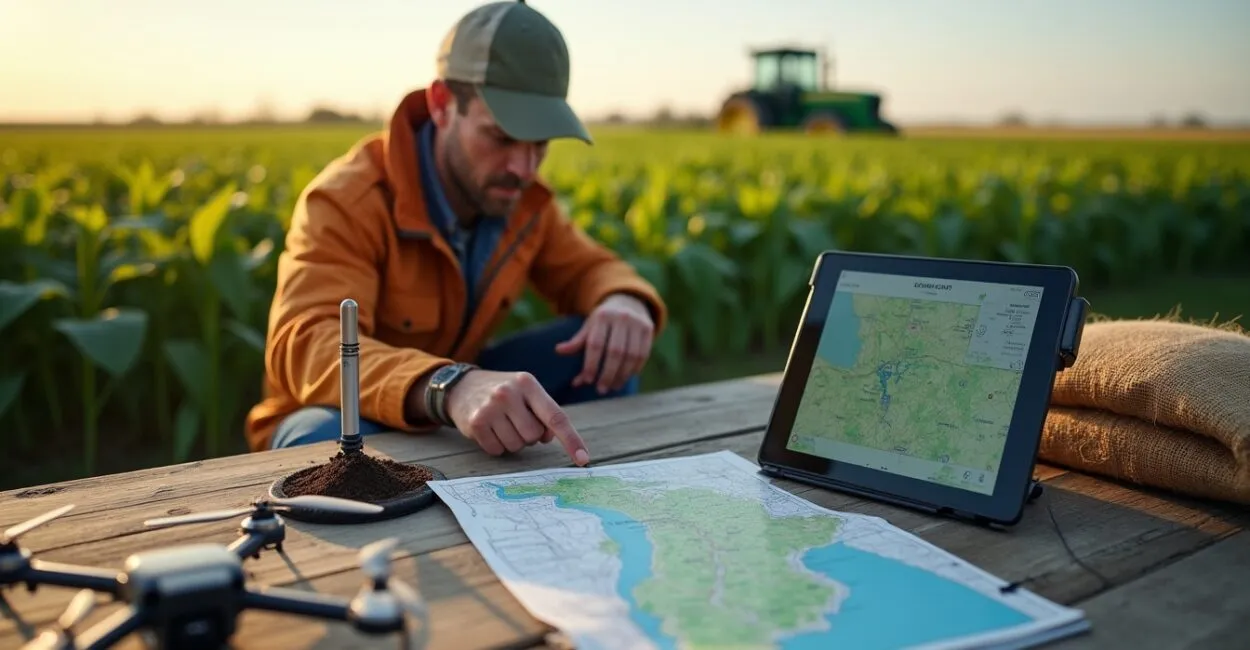
Traceability is the technology that makes it possible to track crops and inputs in real time, ensuring origin, quality, and efficiency. It is vital because it reduces losses, increases transparency, and improves financial and logistics decisions. This article explains how cooperatives in Mato Grosso use GPS, blockchain, and sensors for traceability.
In this article, you’ll find practical examples, emerging technologies, and the economic and environmental benefits of field-level traceability. We’ll cover satellite positioning systems, blockchain records, IoT sensors, and local examples that demonstrate real-world impact.

Essential traceability technologies for farms
GPS, satellites, sensors, and mobile networks form the foundation of modern agricultural traceability. These tools enable real-time monitoring, telemetry, and production mapping.
Satellite positioning
GPS provides precise coordinates, making it possible to map fields, manage logistics, and plan routes. It integrates data from sensors, drones, and satellite imagery for continuous crop monitoring.
Cooperatives use this data to optimize harvesting, reduce overlapping machinery routes, and ensure traceability from the point of origin to the grain elevator.
Sensors and the Internet of Things
Sensors that measure moisture, temperature, and soil fertility turn fields into a network of data. This IoT network informs precise irrigation and input application decisions.
By connecting sensors to cloud platforms, cooperatives monitor plant health, prevent losses, and document conditions for certifications and demanding markets.
Blockchain and supply chain transparency
Blockchain provides an immutable record of the supply chain, certifying origin, practices, and movements. With smart contracts, traceability builds trust in markets and exports.
Immutable records
Each lot receives a chronological, immutable record of harvesting, transportation, and storage data. This reduces fraud and increases credibility with buyers. Blockchain helps cooperatives demonstrate compliance, gain access to premium markets, and strengthen their negotiating position with digital proof.
Smart contracts and payments
Automated contracts release payments when verified conditions are met, reducing delays and paperwork. This improves cash flow for cooperative members. Payments tied to traceability support incentives for quality, sustainable practices, and reduced waste throughout the logistics process.
Socioeconomic impact on cooperatives in Mato Grosso

Traceability is transforming cooperatives by improving logistics efficiency, securing better prices, and opening up new markets. Its social impact includes digital inclusion and local technical training.
Stronger negotiating power
Verifiable data strengthens cooperatives’ bargaining power, helping them qualify for quality premiums. Buyers value traceability and certified provenance. This economic advantage strengthens cooperatives, encourages investment in technology, and attracts new business and financial partners.
Training and jobs
Implementing GPS, blockchain, and sensors requires training. Cooperatives create technical jobs and provide training in data analysis and agricultural technology management. Extension programs and partnerships with local universities build skills and narrow the gap between producers and technological innovation.
How to implement traceability: practical steps
Adopting traceability involves assessing infrastructure, choosing providers, integrating data, and training staff. Combining GPS, IoT, and blockchain is essential.
Getting started
Map your fields, identify critical points, and set goals: reducing losses, obtaining certification, or improving logistics. Establish clear, measurable success metrics.
Read also: Livestock and Technology: Innovations Transforming Agriculture
Consider connectivity, cloud storage, and data security from the start to ensure scalability and interoperability between systems.
Technical implementation
Install GPS devices on machinery, place sensors in fields, and integrate readings into a central platform. Establish equipment maintenance and calibration routines. Train teams to log events, validate readings, and monitor real-time alerts to ensure reliable processes and consistent data.
- Choose reliable providers with local support.
- Ensure mobile connectivity or satellite alternatives.
- Standardize data formats and integration protocols.
Comparing tools and costs
Compare commercial and open-source traceability solutions by assessing accuracy, cost, and infrastructure requirements. The table below provides a practical guide.
Commercial vs. community-based solutions
Paid solutions typically offer comprehensive support, integration, and scalability. Community-based alternatives reduce costs but require more local technical support. Cooperatives should weigh the upfront investment against operational savings and market gains when choosing the right solution.
Maintenance and scalability
Plan for updates, equipment warranties, and backup policies. Scalability depends on the data architecture and technology partner you choose. Integration with cooperative ERP systems simplifies billing, tax traceability, and reporting for certifications.
| Type | Accuracy | Estimated initial cost | Connectivity requirements |
|---|---|---|---|
| Commercial GPS + IoT | High (cm–m) | Moderate to high | 3G/4G or satellite |
| Blockchain platform | Depends on integration | Moderate | Reliable internet |
| Open-source solutions | Medium | Low to moderate | Local network/4G |
- Map fields and set clear goals.
- Install GPS and sensors at critical points.
- Integrate data into a centralized platform.
- Validate records and launch smart contracts.
Real-world projects and partnerships in Mato Grosso
Cooperatives in Mato Grosso are already testing GPS and blockchain traceability in partnership with universities and technology companies. These projects are demonstrating efficiency gains.
Pilot projects
Local initiatives are testing satellite monitoring and blockchain records for soybeans and corn. Trials measure the impact on losses and selling prices. Preliminary results point to less waste, better logistics, and easier access to markets that require proof of origin.
Strategic partnerships
Cooperatives are seeking support from Embrapa (the Brazilian Agricultural Research Corporation), universities, and startups. Partnerships provide access to technology, training, and technical validation for regional expansion. Public and private organizations offer credit lines, technical assistance, and certification programs to speed adoption.
- Connect with research centers and agricultural extension services.
- Seek financing programs specifically for innovation.
- Establish agreements with international buyers.
Challenges, risks, and future opportunities
Challenges include rural connectivity, upfront costs, and interoperability between systems. Privacy and data governance risks require clear policies.
Connectivity and infrastructure
Remote areas have limited coverage; satellite solutions and private networks are alternatives. Investment in digital infrastructure is critical. Governments and service providers should work together to reduce barriers and expand access to traceability in rural areas.
Data governance and privacy
Defining who controls production data is essential. Contractual policies and open standards protect producers and enable responsible data monetization. Transparent rules, informed consent, and anonymization options build trust between cooperatives and their partners.
Conclusion
Traceability is an inevitable transformation for cooperatives in Mato Grosso, offering transparency, economic benefits, and environmental sustainability. From GPS to blockchain, these technologies connect farms with markets. By implementing traceability, cooperatives strengthen their competitive position, improve farming practices, and create value for producers and consumers. Go back to the beginning and imagine the difference these systems could make in your community.
Frequently Asked Questions
How does traceability improve crop productivity in Mato Grosso?
Traceability improves productivity by providing accurate data on soil, weather, and machinery operations, enabling informed decisions about irrigation, fertilization, and harvesting. With this information, cooperatives reduce waste, optimize input use, and increase yields per acre, leading to better economic results.
Which technologies do cooperatives most often use for traceability?
Cooperatives typically use GPS for positioning, IoT sensors for environmental monitoring, and blockchain for immutable supply chain records. Together, these technologies provide transparency, logistics oversight, and compliance with domestic and international market requirements.
What is needed to start a traceability project at a cooperative?
Getting started requires a plan with clear goals, field mapping, GPS equipment and sensors, reliable connectivity, a data platform, and training. It’s also important to establish technical partnerships, secure financing, and set data governance and privacy policies.
What are the main challenges to adopting traceability in agriculture?
The main challenges include limited connectivity in rural areas, upfront implementation costs, the need for technical training, and interoperability between systems. Adoption also requires data management and clear policies on ownership and use of collected information.
How can traceability open new markets for producers in Mato Grosso?
Traceability makes it possible to verify origin, sustainable practices, and quality—requirements valued by domestic and international buyers. With reliable records, producers can access certifications, premium markets, and better prices, increasing competitiveness and financial returns for cooperatives and farmers.
Sources: Embrapa (Brazilian Agricultural Research Corporation), IBGE (Brazilian Institute of Geography and Statistics).
Artigos Relacionados
 Agricultural Technical Training: Boost Productivity and Stand Out in the Field
 School Meals: Trends and Innovations for 2025
 Healthcare Careers: Innovations, Challenges, and Opportunities
 Agricultural Machinery: Technology and Modernization on the Farm
 Chipsets and AI: Breakthrough Innovations and Processing Challenges
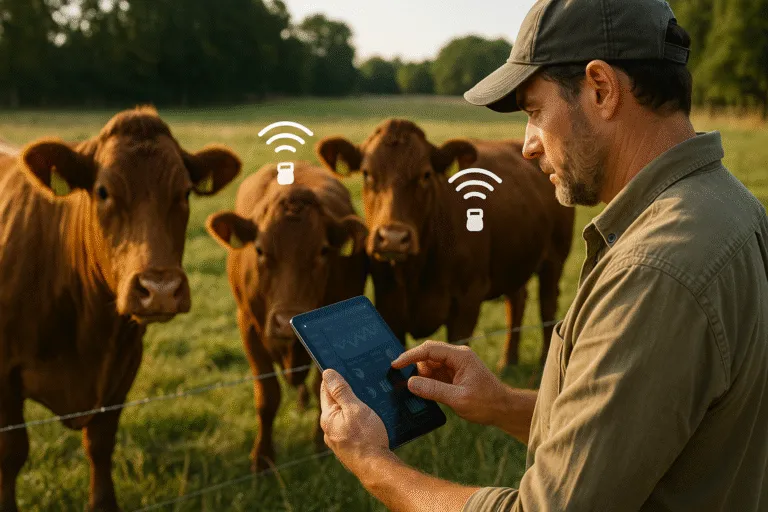 Livestock and Technology: Innovations Transforming the Farm
