Rural technology is transforming farms into smarter, more profitable operations. In this article, we’ll show how DJI drones and soil moisture sensors, such as Irrometer, can boost coffee farm productivity.
You’ll learn what these tools are, why they’re essential for crop management, irrigation, and bean quality, and how to fit them into your daily operations to achieve real results. We’ll share practical guidance, evidence of the benefits, and a step-by-step plan for adopting rural technology on your coffee farm to reduce risks and increase yields.

1. How DJI Drones Are Revolutionizing Mapping and Monitoring
Aerial Mapping and Multispectral Imaging
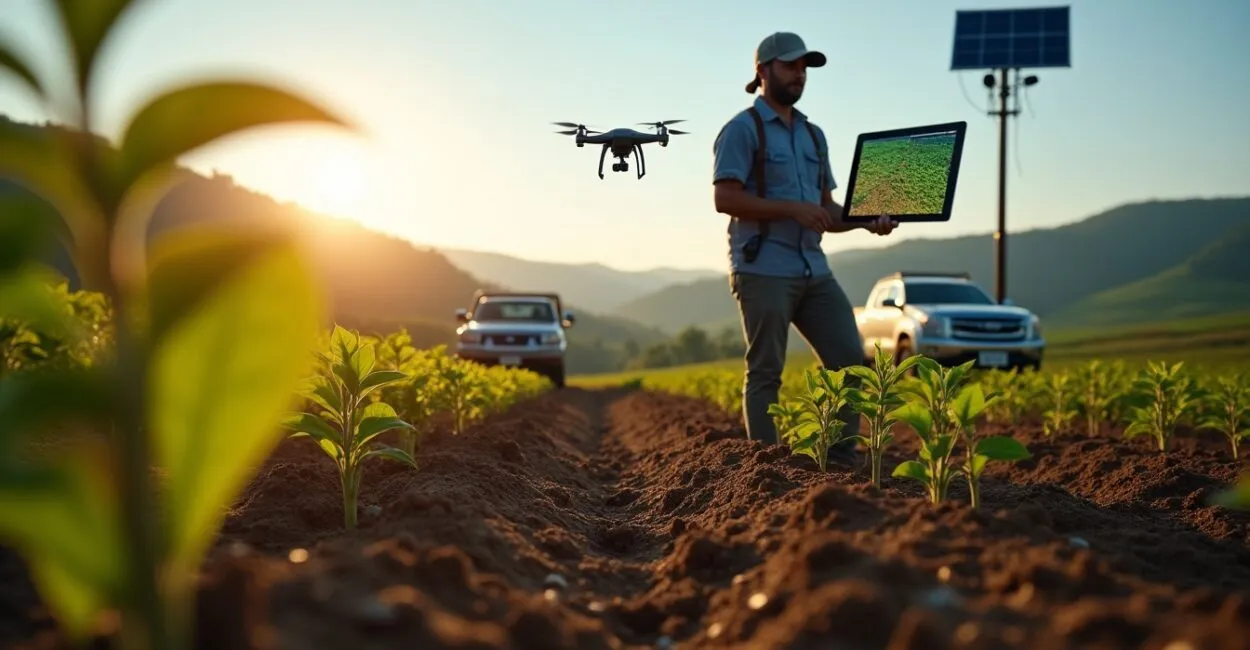
DJI drones capture high-resolution images to create precise maps of a farm. This makes it easier to quickly identify water stress and pests. Using multispectral data, growers can spot variations in plant vigor and define management zones across their coffee fields, leading to better-informed decisions.
Geolocation and Integration With Precision Agriculture
Drones provide precise georeferencing, enabling targeted actions such as applying fertilizer only where needed. This reduces costs and waste. Integration with farm management systems and autonomous machinery improves task execution, ensuring traceability and operational efficiency.
2. Irrometer Soil Moisture Sensors: Science Beneath the Surface
Real-Time Measurements and Decision-Making
Irrometer sensors continuously measure soil moisture, helping prevent overwatering and water stress. This protects both the plants and the soil. With real-time data, growers can adjust irrigation schedules, conserve water, and maintain ideal conditions for coffee plant growth.
Precision, Savings, and Crop Health
Technical teams can set up alerts and automated reports to make crop management more reliable. This helps reduce losses from rot and stress. Controlled irrigation schedules also improve soil health, supporting soil microbes and improving the final quality of the beans.
- Install sensors at representative points across the field.
- Calibrate them regularly to ensure reliable data.
- Compare readings with physical soil samples.
3. Connecting Data: Precision Agriculture in Practice

Farm Management Platforms and Software
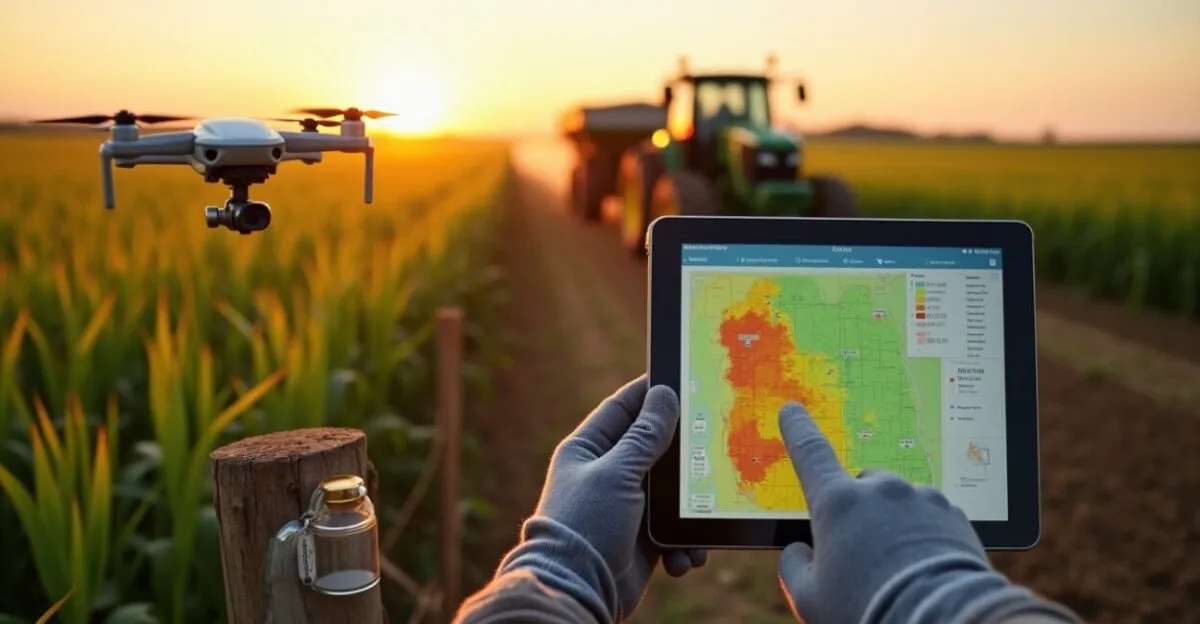
Agricultural management systems bring together drone imagery and sensor readings to generate reports and field zoning maps. This makes day-to-day decisions easier.
Software enables remote monitoring, historical recordkeeping, and comparisons across growing seasons, supporting long-term strategies.
Predictive Models and Agronomic Analysis
Models combine weather, soil, and imagery data to predict stress and yields, allowing growers to act early. This reduces variability and losses.
Using artificial intelligence improves predictions over time, making rural technology increasingly accurate and accessible to growers.
4. Practical Applications in Coffee Farming
Better Irrigation and Resource Savings
In coffee farming, managing irrigation with sensors and imagery helps prevent uneven flowering and unwanted seasonality, increasing yields per acre. Combining data reduces water use and energy costs while preserving the beans’ sensory quality through proper water management.
Early Detection of Pests and Diseases
Drones detect spots, declining plant vigor, and nutrient deficiencies before they become visible to the human eye. Early intervention helps protect the crop.
Regular mapping guides targeted spraying, reducing pesticide use and protecting pollinators and biodiversity.
Read also: Construction Automation: Sensors, IoT, and Real-Time Management
- Set up a weekly flight plan using a DJI drone.
- Install Irrometer sensors at four representative points.
- Integrate the data into farm management software.
- Address critical zones with targeted irrigation or crop protection measures.
5. Measurable Results and Return on Investment
Yield and Quality Metrics
Growers report increased yields and more consistent lots when they adopt continuous monitoring, directly affecting revenue and quality. Better fruit quality and fewer losses can command higher prices, offsetting investments in rural technology within just a few growing seasons.
Cost-Effectiveness and Scalability
Small farms can scale their use of drones and sensors with flexible plans that lower the barrier to entry. Partnerships and on-demand services can also help.
Equipment such as DJI drones may be available through leasing or contract services, providing access without a large upfront investment.
| Equipment/Sensor | Direct Benefit | Impact on Coffee Fields |
|---|---|---|
| DJI drone (multispectral) | Mapping and NDVI | Identifies plant vigor and management zones |
| Irrometer | Moisture monitoring | Prevents water stress and overwatering |
| Management platform | Integrates data | Supports decisions and historical tracking |
- Calibrate and maintain sensors regularly.
- Store and protect data for future analysis.
- Train your team to interpret maps and reports.
6. Best Practices for Safe and Effective Implementation
Training and Responsible Operation
Training drone operators and field technicians reduces risks and improves monitoring quality. Safety should be a top priority during aerial operations.
Adopt flight protocols and contingency plans, and comply with applicable laws to avoid penalties and keep operations running smoothly.
Maintenance, Calibration, and Data Validation
Check sensors and calibrations before critical growing seasons. Inaccurate data can lead to poor decisions and financial losses.
Validate readings with physical samples and understand equipment limitations so you can make corrections and trust your analyses.
7. The Future: Trends and Innovation in Rural Technology for Coffee
Automation and IoT Integration
As IoT integration expands, it will enable continuous sensor networks, automated actuators, and precision irrigation that responds in real time to coffee plants’ needs.
The convergence of drones, sensors, and autonomous machinery will make crop management more proactive, reducing the need for human involvement in repetitive tasks and optimizing costs.
Markets, Sustainability, and Certifications
Consumers expect traceability and sustainable practices. Rural technology provides evidence to support certification and access to premium markets.
Investing in innovation helps growers secure better prices and add value to their products through proven environmental and social practices.
Conclusion
Integrating DJI drones and Irrometer sensors into a rural technology strategy turns decisions into precise actions, cuts costs, and increases coffee yields. The process comes full circle when data leads to decisions and results.
If you want to reduce risk and improve your coffee’s quality, adopting these technologies wisely is one of the fastest ways to achieve real, lasting results.
Frequently Asked Questions
What is the initial investment required to start using drones and sensors on a coffee farm?
Costs vary based on the size of the operation and the equipment model. You can start by hiring a service provider and eventually purchase your own equipment. Mid-range DJI drones and Irrometer sensors represent a moderate investment that can be recouped within a few growing seasons through efficiency gains. Be sure to budget for training, maintenance, and software, which are essential for consistent returns and traceability.
How do Irrometer soil moisture sensors improve bean quality?
Irrometer sensors let growers adjust irrigation to the coffee plant’s growth stage, avoiding water stress and excess moisture that can harm fruit development. This leads to more uniform ripening, fewer losses, and better development of sensory compounds, increasing the beans’ scores and market value.
Do DJI drones require a license or special regulations to operate in rural areas?
Commercial drone operations must comply with local regulations, including aircraft registration and, in some cases, operator certification. Check with the national aviation authorities and follow safety rules. Service providers can supply certified operators if you prefer to outsource and ensure legal and operational compliance.
What are the main risks of adopting rural technology without proper preparation?
Poorly planned implementation can lead to inaccurate data, bad decisions, and wasted resources; costs from misused equipment; and legal issues caused by improper drone operation. Training, calibration, data validation, and integration with agronomic practices are essential to mitigate risks and ensure a return on investment.
How can I find reliable technical support and suppliers for these technologies?
Look for suppliers with a proven track record, field references, and local technical support. Research and agricultural extension institutions, such as Embrapa (Brazil’s agricultural research and extension agency), and established manufacturers can provide guidance. Consider partnering with agricultural service companies and specialized consultants for phased implementation and ongoing technical support.
Sources and recommended reading: Embrapa, DJI, and technical information about Irrometer sensors on manufacturer and specialized distributor websites.