
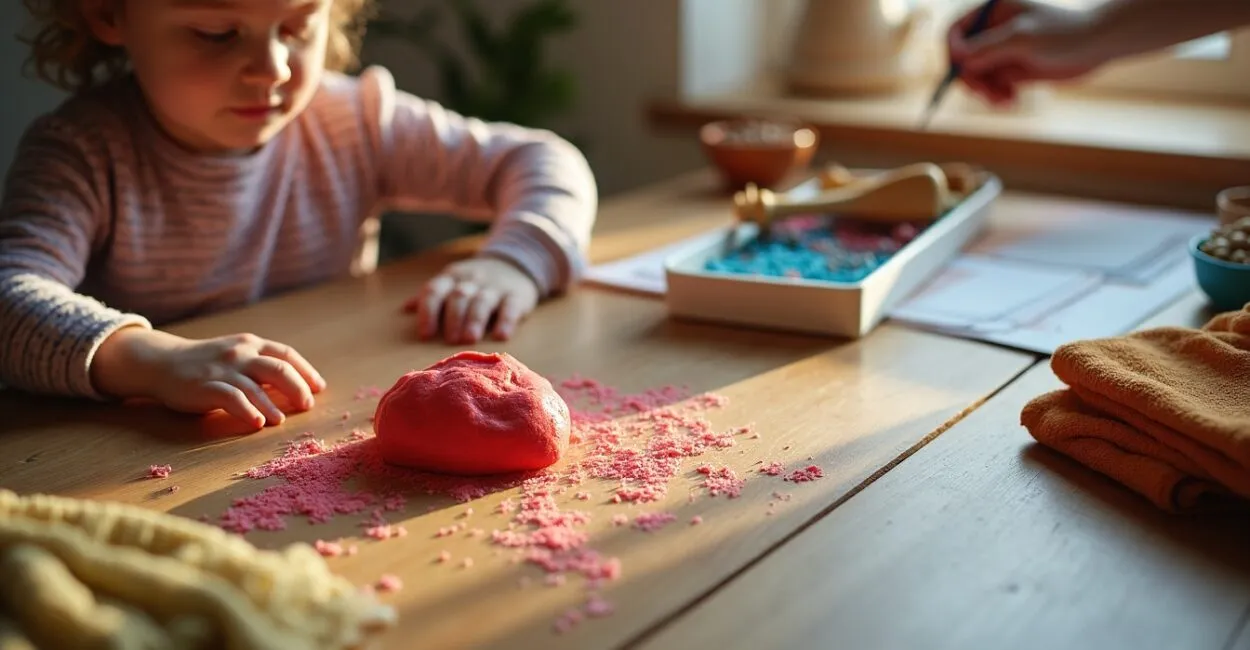
Sensory activities turn play into discovery, filling children’s world with colors, textures, and sounds that spark creativity and confidence. They’re essential for cognitive and emotional development in the early years.
Today, educators and families are looking for practical, safe ways to encourage exploration, coordination, and imagination, from play dough and sensory bins to music. This article shares practical, research-backed methods that are easy to use at home or school. You’ll find step-by-step ideas, variations for different age groups, simple materials, and tips for documenting children’s sensory development. Get ready to turn everyday moments into memorable sensory experiences.

Why Sensory Activities Matter for Child Development
Engaging the senses strengthens neural connections and encourages active learning. Sensory activities support perception, memory, and self-regulation from infancy through the preschool years.
The Role of Tactile Stimulation
Different textures activate touch receptors, helping children develop sensory discrimination and tactile awareness. This also influences fine motor coordination and hand strength. Playing with play dough builds grasp, motor planning, and creativity. It’s a hands-on activity that can be repeated with children of different ages.
Hearing and Rhythm in Learning
Music and sounds can shape attention, language, and auditory memory. Familiar songs help structure the day and create a sense of emotional security. Simple instruments teach cause and effect and introduce rhythm. Combining listening with movement builds social skills and creative expression.
Affordable, Safe Materials for Sensory Activities
Choosing safe materials gives caregivers peace of mind and helps children become more independent. Using household items for sensory activities makes them practical and sustainable.
Essential Items to Get Started
- Homemade or high-quality store-bought play dough;
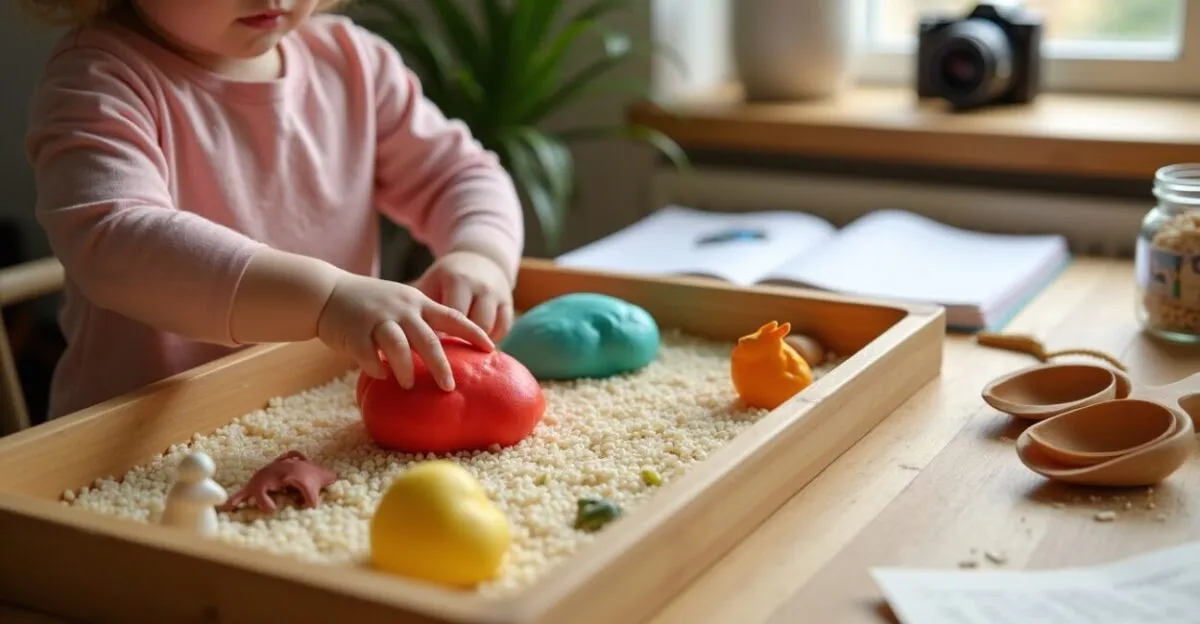
- Sensory bins filled with rice, beans, or clean sand;
- Simple sound-making items, such as rattles or pots and pans.
These materials encourage exploration and offer plenty of ways to vary the sensory experience. Simple adaptations can add even more educational value.
Safety and Hygiene
Check for allergies, supervise children at all times, and keep small items out of babies’ reach. Clean play dough and replace sensory bin fillers regularly. Use washable containers and labels to keep materials organized. This makes routines easier and keeps the space ready for new experiences.
Hands-On Activities: Play Dough and Sensory Bins

Play dough and sensory bins are powerful tools for sparking imagination. Both encourage tactile exploration, creativity, and fine motor skills without much setup.
Play Dough Ideas
Choose a weekly theme, such as animals, geometric shapes, or food. Mix colors to teach color combinations and show how they change. Add natural items, such as dried leaves, to enrich the tactile experience and connect play with nature.
Creating Themed Sensory Bins
- Choose a theme that interests the child.
- Select a safe, sensory-friendly filler.
- Add objects to handle and hide.
- Supervise and observe the child’s preferences and reactions.
- Rotate items weekly to keep things interesting.
Sensory bins encourage guided exploration and independent discovery, making them ideal for home and educational settings.
Read also: Physical Activity for Kids: Educational Games
Document play with photos and notes to track sensory and creative development over time.
How to Incorporate Music Into Sensory Activities
Music enriches the sensory experience by bringing together sound, movement, and emotion. Rhythm and melody help children remember things and regulate their emotions.
Read also: Creative Learning: Trends for 2025 and Beyond
Simple Rhythm Activities
Clap your hands, use homemade instruments, or create a rhythmic pattern. Ask the child to copy it and come up with their own variations. These activities build gross motor coordination and a sense of timing, both important for future language and reading skills.
Combining Different Sensations
| Activity | Senses Engaged | Benefit |
|---|---|---|
| Play Dough + Song | Touch, hearing | Encourages creativity and rhythmic sequencing |
| Sensory Bin + Sounds | Touch, hearing, sight | Improves sensory discrimination and attention |
| Dancing with Instruments | Proprioception, hearing | Builds body coordination and self-expression |
Use short, repetitive songs to create safe, enjoyable sensory routines that make it easier for children to participate actively.
Keep track of musical preferences to tailor future activities and encourage self-esteem and ongoing engagement.
Sensory Activities for Different Ages and Goals
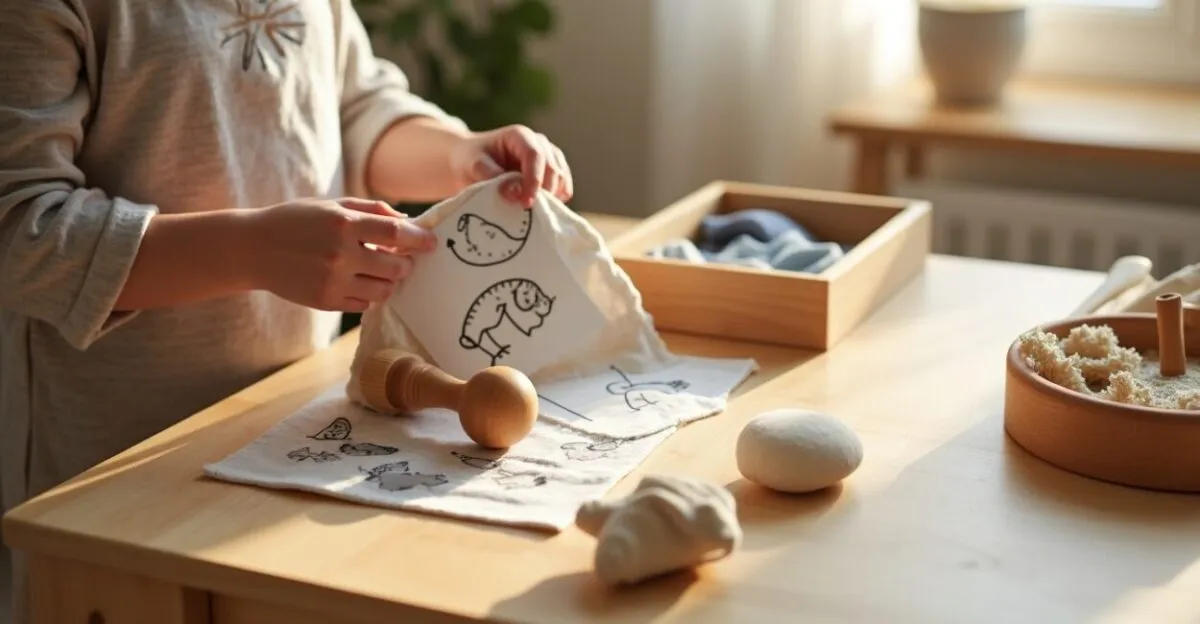
Adapting sensory activities to a child’s age ensures an appropriate challenge and keeps them safe. Observe the child’s sensory responses and adjust the intensity as needed.
Babies (0–12 Months)
- Soft textures and high-contrast visuals;
- Calm, repetitive sounds;
- Gentle touch and playful massage.
Gentle sensory experiences support sensory integration and bonding. Prioritize supervised play and nontoxic materials.
Toddlers (1–4 Years)
Introduce firmer play dough, bins with objects to hide, and instruments to tap. Encourage independent exploration and pretend-play stories. Offer gradually increasing challenges to build fine motor skills and creativity. Celebrate experimentation rather than focusing on the finished product.
Documentation, Assessment, and Parent Involvement
Recording observations turns sensory activities into useful information for refining strategies. Sharing progress with family members helps create continuity between home and school.
How to Document Sessions
Take photos of key moments and note reactions, preferences, and challenges. Keep a brief journal to compare progress from week to week. These observations can help identify sensitivities, motor skill development, and interests, guiding future material choices.
Involving Families and Caregivers
Share practical suggestions and short videos so families can repeat activities at home. Explain the benefits for language, coordination, and emotional regulation. Hold brief meetings to demonstrate techniques and answer questions. When parents feel confident, sensory activities are more consistent and meaningful.
Conclusion: Turn Everyday Moments Into Sensory Adventures
Sensory activities such as play dough, sensory bins, and music are powerful tools for nurturing children’s creativity and supporting their overall development. They make learning playful, engaging, and measurable. Start small, observe what sparks curiosity, and adjust the activities. By bringing sensory experiences into everyday life, you can create meaningful memories that support learning and well-being.
Frequently Asked Questions
How can I start sensory activities at home without spending much?
Start with household materials such as rice, beans, homemade play dough, spoons, and containers. Create themed sensory bins, reuse objects, and let your child help put them together. Observe their responses and adjust the level of challenge. Prioritize safety and supervision, keeping small items away from babies. Note your child’s preferences to keep them interested. A little time each day, consistency, and creativity can make a lasting difference without a big investment.
How often should I offer sensory activities?
Offer sensory activities daily, even for short periods of 10–20 minutes. Include a mix of free play and guided sessions throughout the week. Switching up materials and sensory input helps prevent overstimulation and maintain curiosity. For babies, several short sessions work best; older children can handle longer, more complex activities. Ongoing observation can guide how often and how intensely to offer activities, based on the child’s emotional responses and interests.
How can I adapt sensory activities for children with tactile sensitivity?
Respect the child’s limits and start with gradual exposure to less challenging textures. Offer choices, control the intensity of the sensory input, and let the child stop immediately. Use predictable, calming activities, such as soft play dough and gentle sounds. Consult a health professional if the child has a strong aversion. Tracking reactions can help identify triggers and progress. Patience and positive reinforcement are essential for building a sense of safety and sensory confidence.
What hygiene precautions should I take with sensory bins?
Keep fillers clean and dry, and discard and replace them when they get dirty. Wash hands before and after activities. Avoid fillers that attract pests, and store materials in containers with lids. When working with groups, provide individual materials when possible. Discard play dough if it becomes contaminated. Label materials and keep an up-to-date list of allergies. These practices help keep children safe and extend the life of sensory materials.
How can I get schools and teachers involved in sensory activities?
Share evidence of the educational benefits and organize hands-on workshops for staff. Suggest easy sensory routines and lists of affordable materials. Share session documentation to show children’s progress. Propose projects that combine music, art, and language. Offer brief training with real-world examples and safety guidelines. Teacher engagement helps maintain continuity between home and school, creating a rich, stimulating environment for child development.
Sources and recommended reading: Zero to Three, PBS Parents, and pediatric guidelines from relevant pediatric organizations for safe practices.
.Artigos Relacionados
 Elementary School Activities: Creative, Practical Ideas
 Effective Brain Stimulation in Early Childhood Education
 Collaborative Learning in Early Childhood Education
 Entrepreneurship for Young Children: Early Childhood Activities
 Active Learning Pedagogy in Extracurricular Activities: Engagement and Learning
 Early Childhood Education: The Importance of Play in Child Development
