
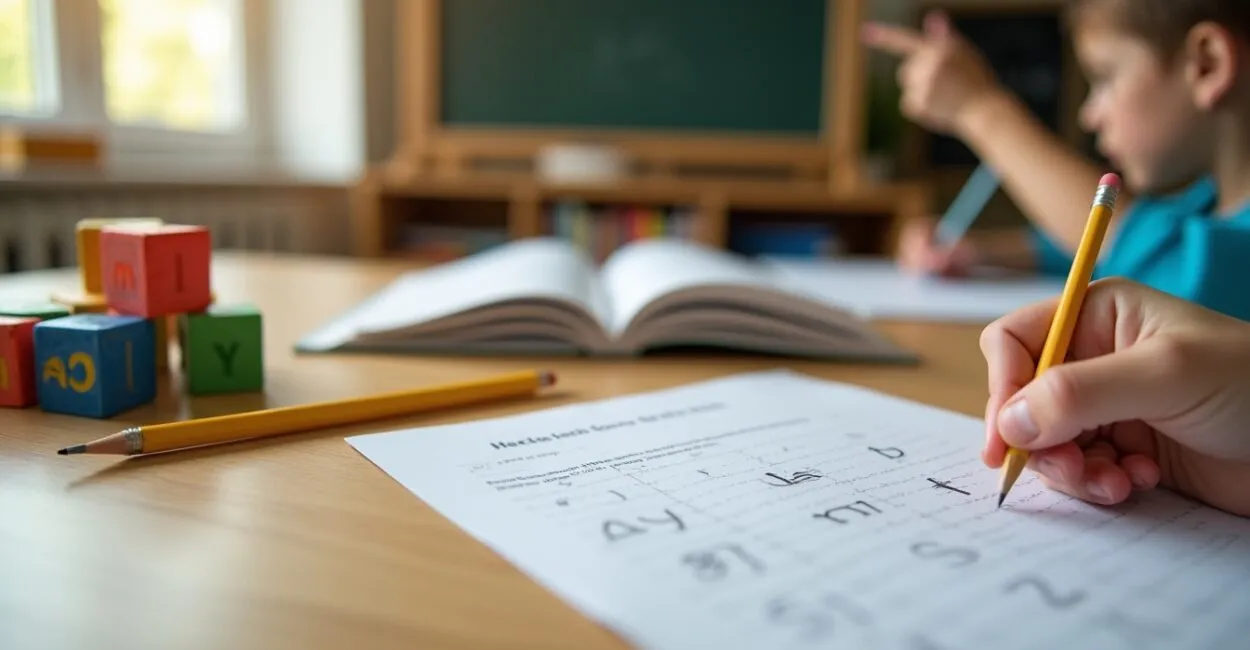
Literacy is the foundational process through which children learn to read, write, and understand texts. It is essential to academic and social success. Understanding effective literacy methods matters because they shape long-term cognitive and communication skills. Starting with systematic practices suited to children’s development is the first step toward meaningful results.
This article explores approaches, comparisons, materials, and teacher training for elementary school literacy, offering practical guidance and evidence. It presents tested methods, recommended resources, and implementation strategies for teachers and school leaders.

Literacy concepts and foundations
Essential definitions of literacy
Literacy involves the integrated development of decoding, comprehension, and writing skills, enabling children to read and write with purpose. In school, literacy instruction also builds vocabulary, phonological awareness, and fluency—skills that support learning across all subjects.
Together, these skills foster cognitive and social independence and provide a foundation for future academic achievement.
Cognitive and linguistic elements
Core components include phonological awareness, grapheme-phoneme correspondence, decoding, and comprehension. Phonological awareness helps children identify and manipulate sounds, which is crucial for early literacy.
Accurate decoding requires repeated practice and explicit instruction, while comprehension depends on vocabulary and metacognitive strategies. Teaching these elements in an integrated way maximizes instructional effectiveness.
Indicators of literacy success
Practical indicators include reading fluency (words per minute), reading comprehension, and coherent independent writing. Frequent formative assessments help teachers monitor progress and adjust interventions.
According to INEP, Brazil’s National Institute for Educational Studies and Research, about 23% of fifth-grade students demonstrated insufficient reading performance on national assessments (Source: INEP), underscoring the need for proven methods and ongoing progress monitoring.
- Phonological awareness: sound segmentation and rhyming
- Grapheme-phoneme correspondence: the foundation of decoding
- Fluency: automatic, rhythmic reading
- Comprehension: strategies and vocabulary
Practical literacy methods
Systematic phonics approach
Systematic phonics instruction explicitly teaches the relationships between letters and sounds, sequencing skills from simple to more complex. Daily practice and immediate correction help make decoding automatic, reducing the need to rely on context to figure out words.
Evidence shows that well-implemented phonics programs improve reading speed and accuracy, especially during the first two years of school.
Whole-language and text-based approaches
Whole-language models focus on words and texts as meaningful units before analyzing sounds in detail. This approach can support comprehension and motivation, but without explicit phonics instruction, it can leave gaps in decoding skills.
Combining meaningful texts with phonological activities is an integrative practice that preserves meaning while building technical skills.
Balanced instruction: an effective combination
Balanced instruction integrates explicit phonics, shared reading, vocabulary work, and writing. This combination aims to develop every dimension of literacy in a coordinated way, with the balance adjusted as student progress is assessed.
Teachers trained to combine these practices report better reading outcomes in classrooms with diverse learners.
- Identify skill gaps through an initial formative assessment.
- Provide daily, sequential phonics instruction.
- Encourage guided reading with engaging texts.
- Integrate writing and revision with feedback.
Comparing literacy methods

Comparative overview
Comparing methods requires looking at effectiveness, suitability, and implementation costs. Phonics methods have strong experimental support for helping students learn to decode quickly. Whole-language methods may encourage engagement, but work best when combined with phonological practices. The right choice depends on resources, teacher training, and ongoing assessment.
Evaluating methods against learning objectives
Each method targets different outcomes: phonics focuses on accuracy and fluency; whole language emphasizes emerging comprehension; and balanced instruction aims for both. To meet universal literacy goals, a balanced model adjusted using student data offers the most robust approach.
Selection should take students’ language backgrounds, the language of instruction, and sociocultural diversity into account.
Comparing resources and implementation
Implementing these methods requires specific materials, instructional time, and teacher training. Phonics programs need sequenced materials and weekly assessments; text-based programs require libraries and careful book selection. Costs and logistics influence both the choice of method and its success across a school.
| Method | Best for | Recommended when |
|---|---|---|
| Systematic phonics | Decoding and fluency | Classes have phonological skill gaps |
| Whole language | Comprehension and motivation | Reading-rich environments |
| Balanced | Well-rounded development | Teachers have appropriate training |
| Intervention-based | Targeted remediation | Significant delays are present |
Materials, resources, and teacher training
Instructional and technology resources
Effective resources include sequenced literacy materials, leveled text collections, phonics cards, and adaptive software. Digital tools that track progress allow for personalization and immediate feedback. According to UNESCO, integrating technology can boost engagement, with performance gains of 12% in well-supported settings (Source: UNESCO), provided adequate infrastructure is in place.
Read also: Literacy Methods: Phonics, Syllabic, Whole Language, and More
Ongoing professional development for teachers
Teacher training should cover explicit knowledge of language, systematic teaching practices, and assessment data analysis. Hands-on workshops and in-class coaching help teachers apply what they learn. Training programs that include practical follow-up and classroom feedback show higher rates of adoption and a greater impact on reading.
Community resources and libraries
School libraries, reading at home, and partnerships with families increase children’s exposure to a variety of texts. Volunteer programs and shared reading complement formal instruction. Investing in collections that reflect cultural diversity and different reading levels promotes inclusion, motivation, and independent practice.
Read also: Elementary School Literacy Activities
| Feature | Advantages | Limitations |
|---|---|---|
| Sequenced materials | Clear progression | Require updates |
| Adaptive technology | Real-time feedback | Depends on infrastructure |
| Coaching-based training | Changes in teaching practice | Cost and time |
Proven benefits of effective literacy instruction
Academic and social impacts
Successful literacy instruction leads to better academic performance across subjects, higher school retention, and a greater likelihood of completing basic education. People with strong literacy skills tend to have better socioeconomic opportunities throughout their lives. Investing in early literacy brings substantial social returns and helps close educational gaps.
Cognitive and emotional benefits
Learning to read and write improves executive function, working memory, and academic self-concept. Students’ confidence when reading aloud and expressing ideas in writing strengthens intrinsic motivation. Learning environments that foster early success can create positive cycles of continued learning.
Measurable classroom outcomes
Progress monitoring reveals specific gains, including more words read per minute, vocabulary growth, and improved inferential comprehension. According to a PISA study, countries with structured literacy programs have up to 18% more students reaching proficient reading levels (Source: OECD/PISA).
- Improved fluency and comprehension
- Greater engagement and self-esteem
- Lower rates of grade repetition
- Higher performance in other subjects
- Long-term socioeconomic benefits
Limitations and challenges in literacy instruction
Implementation challenges
Common challenges include outdated materials, large class sizes, and a lack of ongoing teacher training. These factors make it difficult to implement proven programs as intended. Overcoming these limitations requires investment in resources, coaching-based training, and policies that prioritize literacy in the early grades.
Individual student challenges
Children with auditory processing difficulties, language disorders, or socioeconomic disadvantages may need targeted interventions. Early identification and individualized support reduce the risk of academic failure. Intervention strategies should be data-driven and monitored continuously.
School and infrastructure context
A lack of libraries, limited internet access, and unstable learning environments affect how well instructional practices work. Even effective programs can fall short without institutional support and resources. Prioritizing infrastructure and public policy is essential to scaling up literacy outcomes.
- Overcrowded classrooms
- Insufficient teacher training
- Shortages of up-to-date materials
- Regional inequalities
Recommended practices and implementation
Curriculum planning and assessment
Planning units that connect phonics, reading, and writing to clear goals and weekly formative assessments ensures steady progress. Use rubrics and fluency monitoring to adjust instruction. Programs that devote 20–30 minutes each day to intensive phonics in the early grades show consistent gains in fluency and accuracy.
Interventions and differentiation
Differentiate instruction by forming small groups based on student needs and alternating guided and independent practice. Daily interventions lasting 15–20 minutes can help at-risk students catch up over 12–16 weeks. Coordination between classroom teachers and specialists improves the effectiveness and sustainability of these efforts.
Practical, ongoing tips for teachers
Build read-aloud routines, practice phonological awareness through games, and include writing from the start. Arrange peer observations and feedback sessions to refine teaching techniques. Regular progress monitoring and evidence-based adjustments are essential for maintaining effective practices.
- Plan lessons with clear objectives
- Use weekly formative assessments
- Organize intervention groups
- Include a daily read-aloud
- Participate in ongoing professional development with coaching
- Integrate technology when possible
Conclusion
Literacy is the foundation for all future learning and requires effective methods, appropriate materials, and ongoing teacher training. Systematic phonics, combined with comprehension and writing practices, produces better results when supported by continuous formative assessment. Investing in elementary school literacy can have a lasting educational and social impact. Implement, monitor, and adjust instruction based on data to maximize results.
Frequently Asked Questions
What is literacy?
Literacy is the process through which children develop the ability to read, write, and understand complete texts. It includes phonological awareness, sound-letter correspondence, fluency, and comprehension strategies. This process brings together linguistic and cognitive skills, forming a foundation for learning across all subject areas. Literacy also involves motivation to read and regular access to a variety of texts.
How does literacy instruction work?
Literacy instruction works through explicit teaching of phoneme-grapheme relationships, guided reading practice, comprehension activities, and writing. Formative assessments guide grouping and interventions. Instruction follows a sequence and includes immediate feedback and spaced reinforcement, helping students read automatically while developing vocabulary, fluency, and metacognitive strategies.
What is the difference between phonics and whole-language methods?
The phonics method emphasizes systematic instruction in sound-letter relationships and decoding, helping students build technical fluency. The whole-language method prioritizes words and texts as meaningful units, supporting comprehension and motivation. The main difference is the focus: sequential skill instruction versus reading in context. Balanced models combine elements of both for better results.
When should targeted literacy interventions be used?
Interventions should be used when formative assessments reveal delays in decoding, fluency, or comprehension—ideally starting in the first year of school. Short-term intensive interventions (12–16 weeks) with daily practice and feedback can often help students catch up. Early identification and frequent monitoring are essential for prioritizing resources and preventing persistent difficulties.
How much does it cost to implement an effective literacy program?
Costs vary depending on scale, materials, and training. Basic programs with printed materials and local training may start at a few thousand Brazilian reais per school; adding technology and ongoing coaching increases costs. Estimates for government programs suggest that initial investments in materials and training can range from R$2,000 to R$10,000 per school, depending on its size and needs.
Artigos Relacionados
 Modern Elementary Education: Practices That Engage Students
 The Sleep Cycle: How to Understand and Maximize Its Benefits for School and Work
 Why Reading Matters in Early Childhood and Elementary School
 Financial Literacy Activities for Kids at School
 Literacy Practices in Everyday School Life: Tips for Educators
