
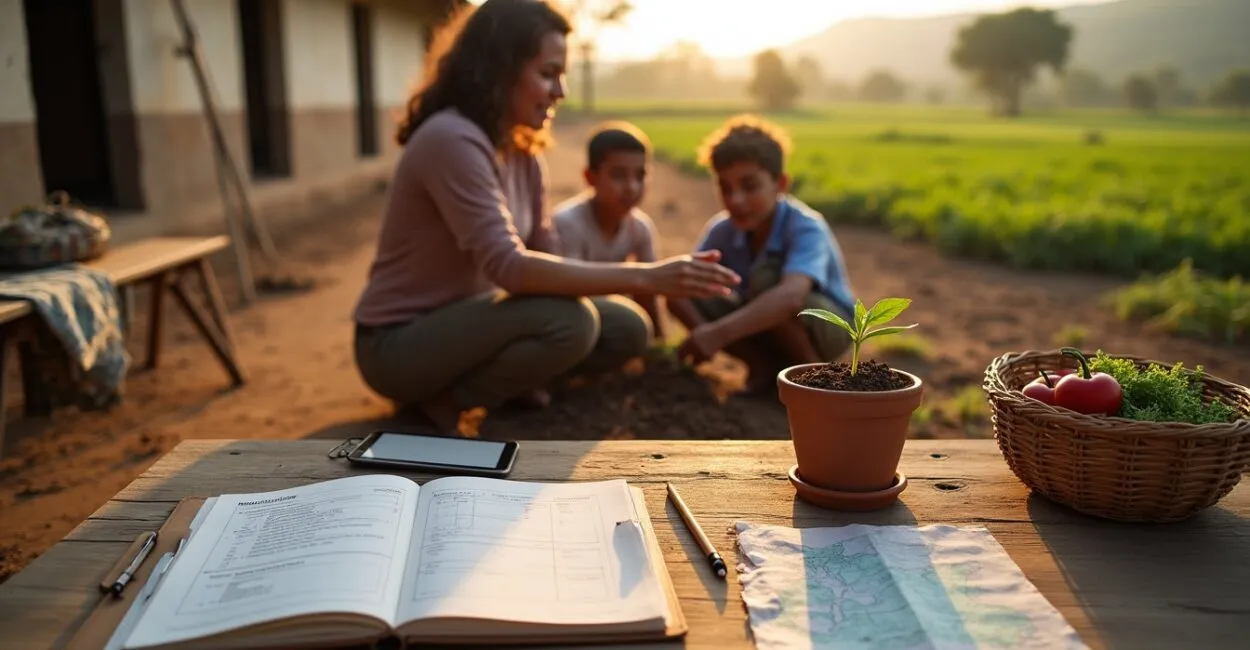
A rural curriculum is the intentional organization of content and teaching practices to meet the needs of rural schools. It matters because it connects local knowledge, community development, and the skills needed to thrive in rural areas. Getting started requires an assessment of the school community’s socioeconomic, environmental, and cultural context.
In this article, I’ll share concepts, strategies, and practical tools for adapting content, engaging families and administrators, and implementing a contextualized, effective rural curriculum.

Rural communities face challenges such as student dropout, limited infrastructure, and a lack of teaching resources, as well as opportunities such as hands-on learning in nature, traditional knowledge, and strong community ties.
A rural curriculum can reduce educational disparities by incorporating agriculture, entrepreneurship, sustainability, and appropriate technologies. Below, I cover five essential areas, with guidance, teaching examples, comparison tables, and practical checklists for teachers and administrators.
Planning a Contextualized Rural Curriculum
Community Assessment and Resource Inventory
Community assessment is the starting point for a rural curriculum: it identifies needs, strengths, and local resources, such as traditional knowledge, agricultural land, and community leaders. Interviews with families, mapping local economic activities, and participatory observation provide concrete data for connecting lessons to local realities.
This assessment helps prioritize topics, integrate subjects, and choose active learning methods suited to the rural context.
By gathering information about infrastructure, transportation, and internet access, teachers and administrators can plan practical, sustainable initiatives, such as school gardens and themed workshops. Involving students in the assessment itself encourages critical thinking and student leadership. Connecting the findings to local and state curriculum guidelines helps ensure alignment with public education policies. Related concepts, such as contextualized learning, rural education, and agricultural technical education, should appear naturally in lesson plans. Bringing traditional knowledge together with science, math, and language arts makes lessons more relevant, strengthens local identity, and boosts student engagement.
Setting Local Goals and Competencies
Setting clear goals for a rural curriculum means translating broad competencies into local, practical objectives, such as food security, sustainable soil management, and rural entrepreneurship. These goals guide content selection and the design of lesson sequences that build technical and social-emotional skills.
Competencies should be measurable and relevant to the local context to support effective formative assessment.
Aligning goals with the resources identified in the assessment makes it easier to create interdisciplinary projects, such as agroecology fairs or reading projects focused on local history. It can also support partnerships with rural extension agencies and technical institutions. Clear goals help teachers plan authentic assessments that value creation, investigation, and real-world problem-solving. Setting goals collaboratively with the community builds buy-in and legitimacy, ensuring that the rural curriculum addresses real needs and supports sustainable development.
Scheduling and the Rural School Calendar
The school calendar in rural areas should account for seasonal cycles, harvest periods, and community events that affect attendance. Adjusting school hours, offering flexible classes, and combining in-person instruction with hands-on workshops outside the classroom can reduce dropout rates and make learning more relevant.
It’s essential to set aside time for field projects, project-based learning, and productive activities.
Options such as themed weeks or intensive learning blocks can help students balance family responsibilities and schooling. Scheduling should also allow time for hands-on assessment and for sharing project results with the community.
Curricular flexibility helps bring technical and civic education together.
Active Learning Methods for a Rural Curriculum
Project-Based and Inquiry-Based Learning
Project-based learning (PBL) is especially well suited to a rural curriculum because it lets students investigate real-world problems, such as water management or sustainable production. Projects integrate subjects, develop technical skills, and promote social responsibility. The teacher acts as a facilitator, guiding students through research, planning, implementation, and presentations of their findings to the community.
Projects involving school gardens, collecting local seeds, or environmental monitoring bring science, math, and language arts together while strengthening local culture. Documenting the process provides evidence for assessment and creates teaching materials for future classes. Partnerships with rural extension organizations add technical expertise and credibility.
PBL helps students develop entrepreneurial and collaborative skills that are essential to rural development.
In-Person, Hands-On, and Outdoor Learning
Outdoor learning uses local natural resources to teach science, geography, and physical education in meaningful ways. Hands-on activities in gardens, teaching farms, or on educational trails encourage observation, experimentation, and decision-making. Outdoor activities also support health, well-being, and a connection to the local area.
Planning outdoor activities requires attention to safety, clear objectives, and documentation of learning for assessment. Bringing traditional knowledge into the classroom and offering community workshops expands the range of teaching approaches. Teachers should vary their strategies, using demonstrations, group activities, and hands-on projects.
Hands-on teaching makes lessons less abstract and reinforces how content applies to everyday rural life.
Appropriate Technologies and Blended Learning
Even where internet access is limited, appropriate technologies—such as community radio, locally developed print materials, and offline apps—can be part of a rural curriculum. Blended learning combines in-person instruction with independent activities, allowing learning to continue during busy periods in the agricultural calendar. Simple, accessible formats work best in communities with limited infrastructure.
Training teachers to use low-tech digital tools and offline platforms expands teaching opportunities. Creating local multimedia content, such as audio recordings and short videos, helps preserve community knowledge and document projects. Partnerships with research institutions can provide access to technology resources.
The focus should be on educational value and the long-term sustainability of technology solutions.
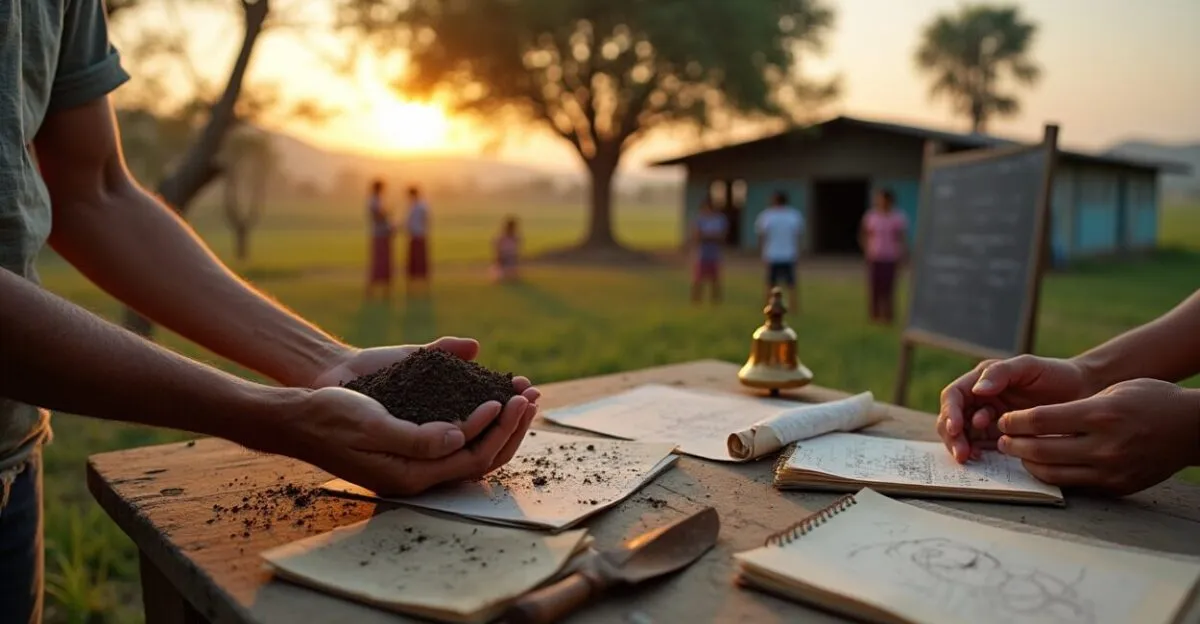
Rural Curriculum and Community Engagement

Family Involvement and the School Council
Involving families and the school council in developing the rural curriculum builds legitimacy and engagement. Participatory meetings, discussion groups, and collaborative workshops make it possible to adapt content to local expectations, set priorities, and organize volunteer work to improve school facilities. Active participation reduces dropout rates and ensures that projects reflect real needs.
Establishing ongoing communication channels—such as regular meetings and written records of decisions—encourages shared responsibility between the school and the community. Involving local leaders and experienced farmers enriches lessons with practical knowledge and creates more opportunities for learning in context.
Read also: Federal Universities in Mato Grosso do Sul: A Complete Guide
Transparent decision-making and respect for local knowledge establish the rural curriculum as a shared, sustainable effort.
Partnerships with Local Institutions and Rural Extension Services
Partnerships with rural extension agencies, universities, and nongovernmental organizations can provide technical expertise, materials, and training for a rural curriculum. These collaborations can support training workshops, provide supplies for school gardens, and offer guidance on productive projects. Working with technical assistance services strengthens the curriculum’s practical and educational dimensions.
Formal agreements or memorandums of understanding help ensure that these efforts continue and strengthen the connection between education and rural development. Working with public institutions can also open doors to project funding and ongoing professional development for teachers.
Terms such as rural extension, technical cooperation, and school networks naturally describe these strategic elements. Well-structured partnerships improve the quality and sustainability of school projects.
Valuing Traditional Knowledge and Intercultural Learning
A rural curriculum should recognize and incorporate traditional knowledge—including farming practices, local languages, and material culture—as a valid source of knowledge. This fosters identity, self-esteem, and cultural diversity at school. Activities that document oral histories, growing techniques, and local recipes are highly effective ways to teach across cultures.
Combining local knowledge with formal subject matter creates a more inclusive and relevant curriculum. Cultural documentation projects, cultural fairs, and workshops led by local experts can strengthen ties between school and community. Teachers serve as facilitators between different ways of knowing.
Valuing traditional knowledge supports contextualized learning and cultural preservation.
Assessment, Resources, and Management for a Rural Curriculum
Formative Assessment and Evidence of Learning
Formative assessment is central to a rural curriculum. It tracks learning through portfolios, observation forms, and assessments of hands-on projects. Measuring skills in real-world settings requires tools that document student work, participation, and application of knowledge—not just written tests. Ongoing feedback guides instructional adjustments and supports student growth.
Photographs, field reports, and final products—such as technical reports or agricultural products—are valid forms of evidence. Group assessments involving the community and peers add credibility to the results. Assessment should be constructive and tied to the local goals established during curriculum planning.
Assessment methods aligned with a rural curriculum value practical skills and the connection between school and community.
Local Teaching Resources and Alternative Materials
Creating teaching resources from local materials is an effective strategy for a rural curriculum. Seeds, community maps, handmade tools, and local libraries can all provide relevant, sustainable materials. Developing contextualized teaching guides with input from teachers and students ensures that they are appropriate and useful. Alternative materials lower costs and strengthen local identity.
Making educational games based on local topics, compiling farmers’ stories, and organizing plant collections can enrich teaching. Recyclable and readily available materials make activities easy to repeat and sustainable. Partners can also provide supplementary technical materials.
Creativity and shared authorship ensure that materials reflect the community’s reality.
School Management, Funding, and Public Policy
Implementing a rural curriculum requires effective school management and an active search for dedicated funding, federal programs, and regional grant opportunities. Principals and school councils should develop projects aligned with public policies, apply for funding, and report on its use transparently. Budget planning helps prioritize investments in infrastructure, teacher training, and teaching supplies.
Learning about programs such as the Programa Nacional de Alimentação Escolar (PNAE), Brazil’s National School Feeding Program, and rural extension initiatives can create more opportunities for action and partnership. Ongoing training for administrators on public policies for rural education improves their ability to secure funding and manage projects. Coordination with health and social services can extend the impact.
Proactive management connected to broader networks makes a rural curriculum more sustainable and improves the quality of education.
Practical Implementation and Teacher Training
Ongoing Professional Development for Rural Teachers
Ongoing professional development is essential for teachers to implement a rural curriculum effectively. In-person and online courses, hands-on field workshops, and exchanges with other rural schools expand teachers’ instructional toolkit. Training should cover contextualized planning, formative assessment, and the integration of local knowledge.
Investing in mentoring and teacher study groups strengthens collaboration and encourages instructional innovation. Training that reflects schools’ actual needs and includes hands-on components, such as gardens and living laboratories, is more applicable. Records of effective practices and teacher-created materials help sustain professional development.
Teacher training is essential to putting a rural curriculum into practice and driving systemic change in rural education.
Step-by-Step Guide to Starting School Projects
- Assess: Gather information about the community and its local resources.
- Plan: Set project goals, competencies, and a timeline.
- Engage: Involve families, school councils, and technical partners.
- Implement: Carry out hands-on activities, document them, and assess progress.
This step-by-step guide supports the development of rural curriculum projects, from identifying needs to assessing outcomes. The steps emphasize community participation, instructional planning, and implementation with systematic documentation. Following this process makes it easier to replicate and scale initiatives in different rural settings.
Following clear steps improves efficiency and strengthens educational and social outcomes.
Scaling and Monitoring Results
Scaling successful initiatives requires ongoing monitoring, clear indicators, and documentation strategies that support replication. Quantitative and qualitative indicators—such as attendance, academic performance, production, and community impact—make it possible to assess the reach of a rural curriculum. Regular reports and sharing results encourage learning across schools.
Simple monitoring tools, such as spreadsheets and project reports, are enough to collect essential data. Reviewing results with the community makes it possible to adjust plans and builds trust in how resources are used. Scaling should account for local differences to ensure that initiatives remain relevant.
A well-designed monitoring system supports decision-making and makes initiatives more sustainable.
Conclusion
A rural curriculum is a powerful way to make education more relevant and transformative for rural communities by bringing together local knowledge, productive practices, and civic skills. Adapting content, teaching methods, and assessments to rural contexts helps administrators and teachers improve educational quality, reduce disparities, and promote sustainable development.
Implementing a rural curriculum requires assessment, teacher training, partnerships, and effective management. Start with small projects, document the results, and involve the community. To build on that work, seek technical support and funding, share practices, and monitor impact—helping rural schools become active drivers of local development.
Frequently Asked Questions About Rural Curricula
What Is a Rural Curriculum, and Why Does It Matter?
A rural curriculum is the organization of educational content and practices that recognizes the distinct characteristics of rural life, bringing together local knowledge, agricultural production, and sustainability. It matters because it makes education more relevant to rural students, reduces dropout rates, and connects schools to community development. By aligning goals with local realities, it builds technical and civic skills that are essential to the community.
How Can You Involve the Community in Developing a Rural Curriculum?
Involving the community takes dialogue, participatory meetings, and the inclusion of local leaders and families in planning. School councils, themed workshops, and collaborative projects can help the community develop content and activities together. Participation builds buy-in, brings local knowledge into the classroom, and ensures the curriculum meets real needs, strengthening ties between the school and the community.
Which Teaching Methods Work Best in Rural Settings?
Active learning methods, such as project-based learning, hands-on outdoor instruction, and interdisciplinary activities, work well in rural settings. These approaches connect classroom content to real-world problems, such as sustainable production and natural resource management. Appropriate technologies and local resources can also deepen learning and encourage student participation in the community.
How Do You Assess Learning in a Rural Curriculum?
Formative assessments based on portfolios, final products, observation, and rubrics are well suited to a rural curriculum. Documenting learning through project reports, photographs, and public presentations makes it possible to assess practical and social-emotional skills. Involving the community and using clear criteria help keep assessments relevant and fair.
Where Can You Find Technical Support and Resources to Implement a Rural Curriculum?
Look for partnerships with rural extension agencies, education departments, universities, and nongovernmental organizations. Public programs such as the PNAE, Brazil’s National School Feeding Program, and state-level rural education initiatives may offer technical support and funding. Rural school networks and public management platforms also provide resources and replicable examples to strengthen local projects.
External resources and further reading: FAO – Food and Agriculture, Federal Government Portal, INEP – Education
%%AGPTRH2%% %%AGPTRH3%%Artigos Relacionados
 Rural Education: Transforming Lives and Driving Development in Rural Communities
 Creative Curriculum: 7 Hands-On School Activities for 2025
 How to Design Competency-Based Curriculum Components
 Rural Technical Courses: A Reliable Path to a Successful Agribusiness Career
 Rural Innovation Is Redefining Harvests: An AgTech Example for 2025
 Rural Technology: Drones and Sensors That Boost Profits
