
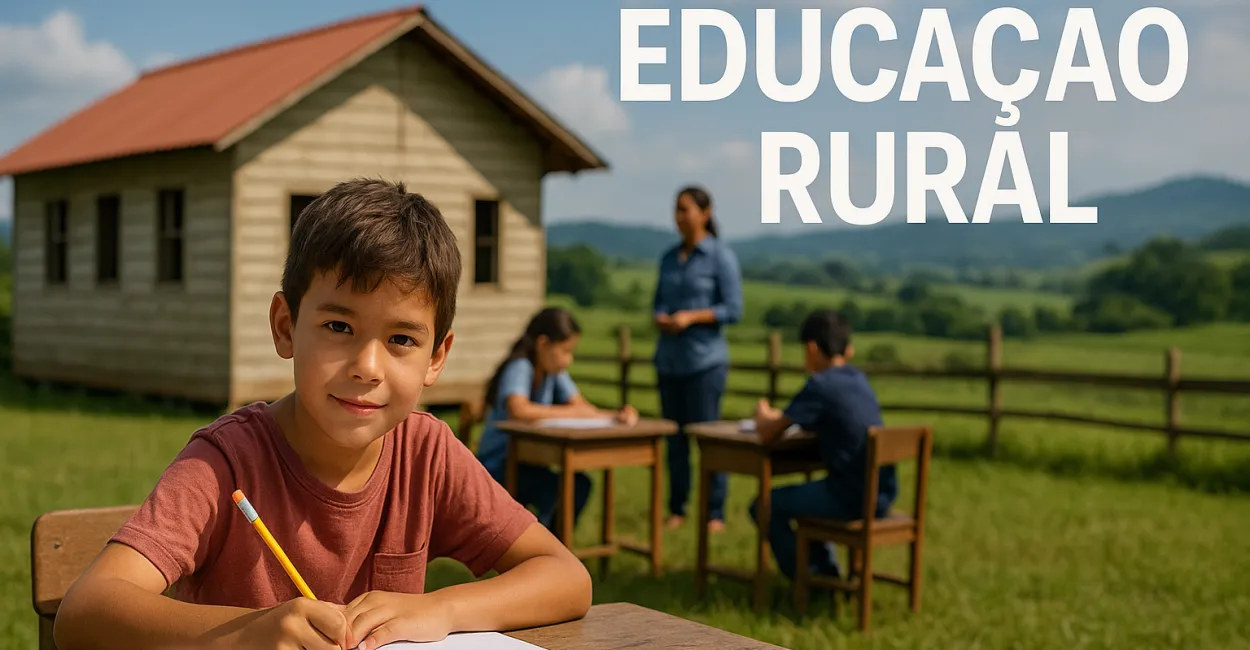
Rural education is an essential tool for the sustainable development of rural communities.
Despite the many challenges they face, including long distances, limited resources, and inadequate infrastructure, investing in quality education for children and young people in rural areas is essential to ensure equal opportunities and prepare them for the challenges of the 21st century.

In this article, we’ll explore the key aspects of rural education, highlighting its importance, challenges, innovations, integration of technology, successful projects, strategic partnerships, and impact on local development.
Challenges in Rural Education
Infrastructure and Geographic Access
The distance between rural communities and schools is one of the biggest obstacles to rural education. Many schools are located in remote areas, making daily commutes difficult for students and teachers. In addition, school facilities often lack adequate resources, with substandard classrooms and no labs, libraries, or technology, limiting the quality of instruction and student engagement.
This situation directly affects student learning and school retention, making investment in school transportation, facility upgrades, and accessibility essential to improving access to education.
Teacher Training
Teachers working in rural areas face specific challenges, such as adapting instruction to local realities and teaching diverse, mixed-age classrooms. These professionals often lack access to adequate ongoing training to meet the needs of rural communities, which can undermine the effectiveness of the educational process.
Training and professional development programs tailored to rural contexts are essential. They help educators develop innovative, locally relevant teaching methods that value local culture and encourage students to take an active role in their learning.
Inequality and Limited Resources
The gap between rural and urban education remains a reality that needs to be addressed. Inadequate funding leads to shortages of learning materials, insufficient school meals, and a lack of technology that could enrich instruction.
To address these inequalities, public policies must prioritize the allocation of resources and ensure access to quality education for everyone, regardless of where they live.
The Role of Teachers in Rural Education
Agents of Social Change
Rural teachers do much more than share knowledge: they help transform their communities. Their work extends beyond the classroom, involving an understanding of local needs and support for students’ overall development.
To do this, educators should build strong relationships with students and their families, recognizing how cultural and social contexts contribute to meaningful learning.
Adaptability and Teaching Creativity
With limited resources, teachers need to be innovative and adaptable, creating teaching strategies that value local knowledge and promote inclusion. These can include hands-on activities, alternative materials, and opportunities for students to participate actively.
This approach enriches the learning process and helps students develop essential skills, such as critical thinking, independence, and problem-solving.
Promoting Diversity and Inclusion
Rural communities are rich in cultural and socioeconomic diversity. Teachers should be prepared to respect and value this diversity, ensuring that all students are included, regardless of their background or circumstances.
By fostering a welcoming environment, educators help shape thoughtful, critical citizens who are committed to their communities.
Innovations in Rural Education

Using Technology as a Teaching Tool
Bringing technology into rural schools has transformed teaching by providing access to digital content, educational videos, interactive games, and online platforms that make learning more engaging and dynamic.
This innovation helps overcome geographic barriers and expands the range of teaching resources, connecting students to a global network of knowledge.
Locally Relevant Educational Projects
Projects that value local culture and community realities are essential to rural education. They preserve traditional knowledge, promote cultural identity, and strengthen students’ sense of belonging.
These projects also encourage skills such as entrepreneurship and sustainability, preparing students to meet the challenges of rural life.
Strategic Partnerships and Collaboration
The success of these innovations depends largely on partnerships among schools, communities, businesses, and government institutions. These collaborations provide the resources, training, and technical support needed to implement initiatives that benefit rural education.
Working together strengthens the learning network, promotes local development, and helps prepare students for the future.
Integrating Technology into Rural Education
Expanding Access to Educational Resources
Digital technology gives rural students access to a wide range of educational materials, including e-books, videos, online courses, and interactive apps. This variety of resources enriches learning and sparks students’ interest.
Technology also makes it easier to personalize instruction, allowing students to learn at their own pace and in ways that suit them.
Connectivity and Sharing Experiences
Through the internet, students and teachers in rural areas can connect with peers in other regions and countries, sharing experiences, knowledge, and cultures.
This interaction broadens students’ perspectives and prepares them to participate in an increasingly globalized society.
Developing Digital Skills
By using technology, students develop digital skills essential for the workplace and everyday life, such as online research, virtual communication, and the use of digital tools.
These skills promote digital inclusion and help reduce educational inequalities.
Rural Education Projects: Strategies and Results
Innovative Strategies
Rural education projects use a range of strategies to overcome challenges and promote quality instruction, including:
- Ongoing teacher training to adapt teaching practices to rural contexts;
- Developing learning materials that value local culture and students’ prior knowledge;
- Partnering with local organizations to connect education with the productive sector;
- Using digital technologies to make knowledge more accessible;
- Offering extracurricular activities focused on sustainability and environmental education.
Results Achieved
These strategies have led to positive results, including:
- Greater student engagement and interest;
- Significant improvement in learning outcomes;
- Stronger cultural identity and greater appreciation of local traditions;
- Development of social and emotional skills, including teamwork and entrepreneurship;
- Positive effects on communities’ economic and social development.
Table: Results and Impacts of the Rural Education Project
| Area Evaluated | Description | Impact |
|---|---|---|
| Student Engagement | Active participation in school activities and educational projects | Greater motivation and school retention |
| Academic Performance | Improved test scores and overall learning | Higher local educational outcomes |
| Cultural Identity | Recognition of local knowledge and traditions | A stronger sense of belonging |
Partnerships and Collaboration in Rural Education
Alliances with Local Institutions
Building relationships with agricultural cooperatives, producer associations, and rural businesses enriches rural education by providing students with hands-on experiences and internships. These partnerships connect instruction to the community’s socioeconomic realities and encourage applied learning.
Collaboration with NGOs and Higher Education Institutions
Nonprofits and universities contribute by training teachers, providing educational resources, and offering technical support. These collaborations strengthen rural education systems and encourage teaching innovation.
Partnerships for Technology and Digital Inclusion
Technology companies, internet providers, and foundations play a vital role by providing equipment, connectivity, and educational platforms. These efforts expand access to technology in rural schools, reduce the digital divide, and promote more inclusive education.
Why Rural Education Matters for Local Development
Building Skills for Economic Progress
Quality rural education prepares people to pursue more efficient and sustainable livelihoods, encouraging entrepreneurship and innovation in rural communities. This strengthens the local economy and helps create jobs and income.
Educating Thoughtful Citizens
In addition to technical knowledge, rural education promotes social and environmental values, shaping citizens who are committed to protecting the environment and improving their community’s quality of life.
Reducing Regional Inequality
Investing in rural education is essential to reducing disparities between urban and rural areas. With more opportunities and knowledge, rural communities can achieve more balanced and sustainable social and economic development.
Conclusion
Rural education is key to transforming life in rural communities and addressing longstanding challenges through creativity, innovation, and partnerships. By investing in infrastructure, teacher training, technology integration, and locally relevant projects, we can provide quality education that promotes local development and prepares students for the challenges ahead.
Governments, institutions, and civil society must work together to strengthen rural education and ensure that every student, wherever they live, has access to fair and transformative educational opportunities. Be part of the change: share this article, tell us about your experiences, and help advance rural education!
Frequently Asked Questions (FAQ)
What is rural education?
Rural education encompasses educational practices designed to meet the specific needs of rural communities, taking their cultural, social, and economic contexts into account.
What are the main challenges facing rural education?
Challenges include long distances, inadequate infrastructure, a lack of resources, insufficient teacher training, and disparities compared with urban education.
How can technology benefit rural education?
Technology expands access to digital educational resources, connects students and teachers to a global network of knowledge, and builds essential digital skills.
What strategies can improve rural education?
Effective strategies include teacher training, locally relevant learning materials, local partnerships, educational technology, and projects that value local culture.
Why is rural education important for local development?
It builds skills among rural residents, reduces regional inequalities, strengthens the local economy, and shapes thoughtful citizens committed to sustainable development.
Trusted sources for further reading: Brazil’s Ministry of Education (MEC), UNESCO – Rural Education, and the FAO – Education and Rural Development.
Artigos Relacionados
 Educational Games: How Games Are Transforming Modern Education
 Education: The Essential Role Parents Play in Child Development
 Digital Education: Transforming Teaching with New Technologies
 Education and New Technologies: Transforming the Future of Teaching
 ChatGPT-4: Transforming the Future of Education
 Youth and Adult Education in Brazil: Better Preparation for a Successful Future
