
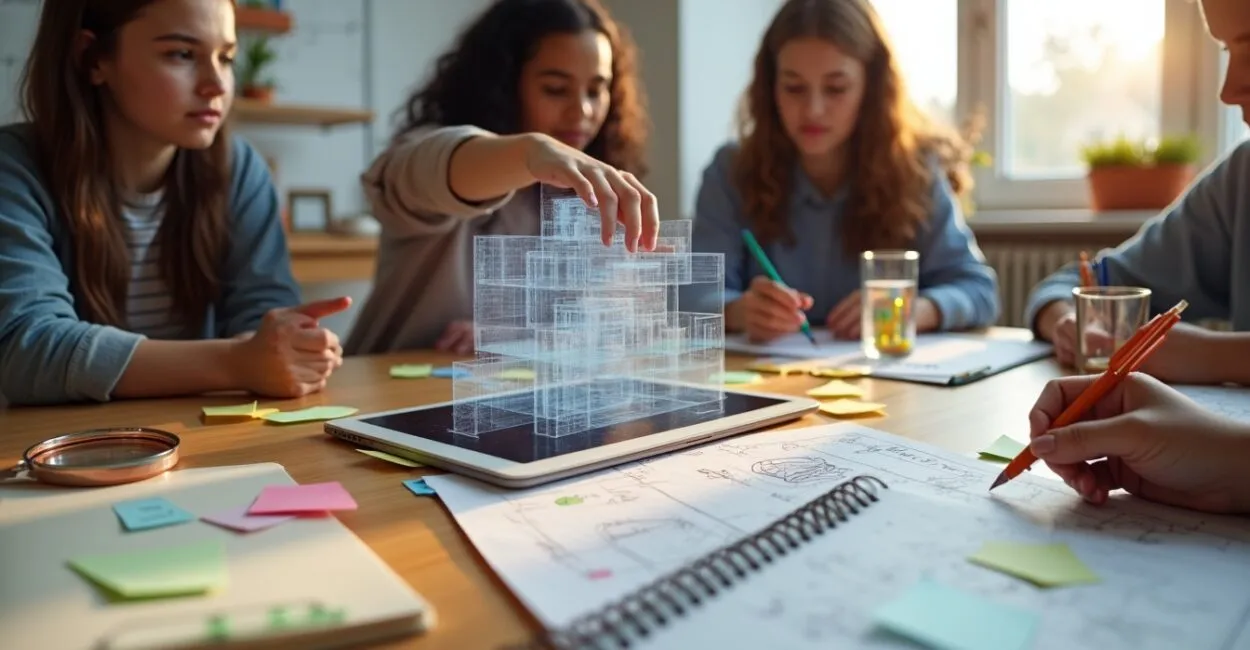
Active learning methods are student-centered teaching approaches that promote learning through inquiry, problem-solving, and collaboration, emphasizing participation and knowledge-building in real-world, applied contexts.
In today’s educational landscape, active learning methods have emerged in response to the need to develop skills such as critical thinking, autonomy, and creativity. They integrate technology, formative assessment, and instructional design to achieve measurable results.

Key Takeaways
- A focus on students and active learning as the driving force behind education
- Integration of technology and ongoing assessment for continuous improvement
- Seven transformative practices that can be applied across different levels of education
Active Learning Methods: Problem-Based Learning
Active Learning Methods and Problem-Based Learning
Problem-Based Learning (PBL) is built around real-world scenarios that require research, diagnosis, and collaborative solutions. It shifts the teacher’s role to that of a facilitator who guides and coordinates the thinking process. Using PBL as part of active learning methods builds research, communication, and time-management skills, helping teams connect theory with practice through successive cycles of refinement and assessment.
Practical Implementation in Advanced Courses
In technical and graduate courses, active learning methods such as PBL require authentic materials, clear rubrics, and guided steps that align expectations while giving students the autonomy to develop their proposed solutions. Experienced teachers organize schedules, checkpoints, and formative feedback to ensure that implementing active learning methods produces evidence of learning and supports data-driven curriculum adjustments.
Active Learning Methods: The Flipped Classroom
Active Learning Methods in the Flipped Classroom
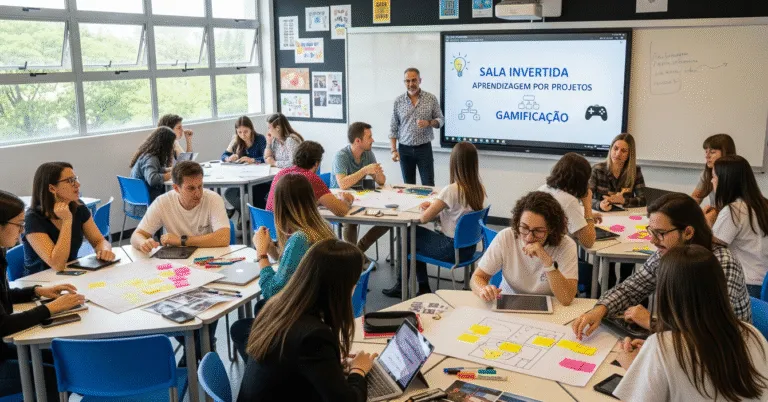
The flipped classroom moves content delivery outside of class time, leaving in-person sessions for hands-on activities and discussion. It makes greater use of multimedia and interactive resources to help students prepare in advance. As part of active learning methods, this approach requires careful selection of materials, accountability measures, and integrated assignments that promote cognitive transfer, ensuring that class time is devoted to solving complex problems.
Tools and Assessment
Integrating platforms, formative quizzes, and digital portfolios supports the flipped classroom as part of active learning methods, enabling ongoing progress monitoring and evidence-based instructional adjustments. Indicators such as time spent accessing materials, the quality of contributions, and performance on hands-on assignments inform instructional decisions and provide input for institutional policies that value active, student-centered practices.

Active Learning Methods: Gamification and Serious Games

Gamified Active Learning Methods
Gamification uses game design elements to increase motivation, engagement, and persistence. It creates feedback and reward cycles that reinforce essential skills in real-world contexts when aligned with learning objectives. Implementing gamification as part of active learning methods requires care to ensure that fun activities don’t replace conceptual rigor. Clear metrics and measurable goals should bring together narrative, challenges, and skill progression.
Educational Game Design
Pedagogically and instructionally designed serious games fit into active learning methods by offering complex simulations that require decision-making, risk analysis, and collaboration, helping students transfer what they learn to professional settings. Development requires prototyping, user testing, and iterative assessment. It also calls for professionals who can bring together educational objectives, usability, and feedback mechanisms to maximize educational impact and retention.
Active Learning Methods: Project-Based Learning
Project-Centered Active Learning Methods
Project-Based Learning (PjBL) presents multidisciplinary challenges that result in tangible products or solutions. It encourages collaboration, planning, and public presentations while helping students integrate and apply what they learn. Using PjBL as part of active learning methods requires curriculum alignment, external partnerships, and clear assessment criteria that value both process and product, while also developing social-emotional skills and project management abilities.
Resources and Strategic Partnerships
Partnerships with companies, NGOs, and public institutions expand the reach of projects by bringing in real-world complexity and external validation. Institutional websites can provide examples and funding models for these initiatives. Reference materials and public policies are available from sources such as Brazil’s Ministry of Education, the federal agency responsible for national education policy, and leading universities. Their guidance can support the sustainability and large-scale adoption of active learning methods.
Active Learning Methods: Collaborative Learning and Peer Instruction
Active Learning Methods Through Peer Collaboration
Collaborative learning encourages students to solve problems together, divide responsibilities, and rely on one another, creating an environment where they build knowledge through argument, critique, and co-creation. Peer Instruction complements these practices with structured questioning and discussion, allowing students to refine explanations and correct misconceptions. In active learning methods, this strengthens retention and conceptual understanding.
Class Structure and Peer Assessment
Structuring collaborative sessions requires clear criteria, assessment rubrics, and platforms that support both asynchronous and real-time feedback. Peer assessment becomes a formative tool when guided by transparent criteria. The teacher acts as a facilitator who promotes equity, ensuring contributions are recognized and collaboration produces assessable work while aligning institutional expectations with learning outcomes.
Leia também: Professional Cameras for Educators: Essential Tools for Digital Learning
Active Learning Methods: Educational Technology and Digital Resources
Platforms and Resources for Active Learning Methods
Tools such as learning management systems (LMSs), simulators, and collaborative environments support active learning methods by providing infrastructure for creating activities, collecting data, and integrating formative assessments. This strengthens evidence-based practices. Choosing technology requires evaluating usability, privacy, and interoperability. For informed decisions aligned with public policies and best practices, consult guidance from leading institutions and academic reports.
Integration with Public Policy and Research
Projects that use active learning methods can benefit from connections to government programs and research initiatives. Consult official documents and university studies for supporting evidence and funding opportunities. Official and institutional sources can lend credibility to proposals and help secure resources. For example, government websites and university repositories offer guidance and evidence to support implementation and evaluation.
Leia também: The Classroom of the Future: Emerging Technologies Transforming Education
Active Learning Methods: Formative Assessment and Data-Driven Decisions
Ongoing Assessment in Active Learning Methods
Formative assessment integrated into active learning methods focuses on ongoing feedback, instructional adjustments, and evidence of progress. Rubrics, portfolios, and performance analyses help guide teaching interventions. Qualitative and quantitative assessment data make it possible to identify gaps, personalize instruction, and make evidence-based decisions, strengthening cycles of improvement and measurable educational impact.
Dashboards and Learning Analytics
Educational dashboards bring together engagement and performance indicators, helping teachers and administrators monitor the use of active learning methods and evaluate the effectiveness of instructional interventions and classroom resources.
Combining data analysis with pedagogical reflection helps prioritize actions and scale successful practices, turning local experiments into education policies backed by strong evidence of effectiveness.
Practice Comparison (Table)
| Practice | Focus | Success Indicators |
|---|---|---|
| Problem-Based Learning | Problem-solving and inquiry | Solution quality, participation, critical thinking |
| Flipped Classroom | Preparation and application | Engagement in class activities, hands-on performance |
| Gamification | Motivation and progression | Persistence, task completion, satisfaction |
Resources, Evidence, and Next Steps
Sources and References on Active Learning Methods
To support initiatives, consult government websites, academic repositories, and major education websites that publish guidelines and case studies. These sources can inform decisions and help secure institutional support.
Useful references include official materials and academic publications available on government and university websites, which offer guidance on implementing, funding, and evaluating projects that use active learning methods.
Useful Links and Further Reading
Consult documents from public agencies and academic centers for models and policies. Find practical guidance on official websites and in university research on the impact and scalability of active learning methods. Recommended sources: Brazil’s Ministry of Education, Google Scholar, and university websites that publish research on educational innovation.
Advanced Comparison (Table)
| Criterion | Active learning methods | Traditional approach |
|---|---|---|
| Center of focus | Student | Teacher |
| Assessment | Formative and ongoing | Primarily summative |
| Engagement | High, collaborative | Variable, passive |
- Engage stakeholders to support sustainability
- Provide ongoing training for teachers and teams
- Use data strategically to drive improvement
The analysis highlights that successfully implementing active learning methods depends on teacher training, institutional alignment, and technological infrastructure. These are essential to turning isolated practices into lasting policies.
Executive Summary
Impact and Recommendations
Active learning methods have the potential to accelerate the development of 21st-century skills. Their success requires institutional commitment, investment in training, and assessment methods that capture both the learning process and its outcomes.
Start by testing practices in pilot projects, collecting evidence, and scaling up gradually. Keep pedagogical goals, technology, and support policies aligned to ensure a sustainable, measurable impact.
Next Steps for Education Leaders
Leaders should prioritize institutional needs assessments, ongoing professional development, and strategic partnerships to implement active learning methods effectively, with quality controls, monitoring, and a clear return on educational investment.
Short-, medium-, and long-term strategies, combined with clear indicators and strong governance, can help active learning methods grow from isolated initiatives into established practices recognized for their results.
Frequently Asked Questions
What Are Active Learning Methods, and How Do They Differ from Traditional Approaches?
Active learning methods are student-centered teaching strategies that prioritize participation, inquiry, and problem-solving. They differ from traditional approaches, which emphasize teacher-led content delivery. In practice, the difference lies in the learner’s role as an active participant, the use of technology and assessment tools to track progress, and a focus on skills that can be applied and transferred to real-world settings. This requires curriculum adjustments and teacher training to ensure that learning objectives and assessments support students’ overall development.
What Are the Main Challenges of Implementing Active Learning Methods at Scale?
Challenges include ongoing teacher training to plan and facilitate activities, adequate technological infrastructure, institutional resistance to change, and the need for clear assessment indicators. Overcoming these barriers requires investment in professional development, controlled pilot programs, policy alignment, and data-driven monitoring. It also means involving external stakeholders to build support and secure funding, ensuring that practices can scale while maintaining quality and producing evidence of their impact on learning and graduates’ employability.
How Do You Measure the Effectiveness of Active Learning Methods?
Effectiveness can be measured using a combination of formative assessments, portfolios, performance rubrics, engagement indicators, and long-term learning metrics. Qualitative tools complement quantitative data to provide a richer understanding of the learning process. Start by setting clear objectives, collecting systematic evidence, comparing results with baselines, and using dashboards for ongoing monitoring. This allows for instructional adjustments that improve the validity of results and support decisions about expanding active learning practices.
What Role Does Technology Play in Active Learning Methods?
Technology facilitates and enhances learning: learning management systems, collaborative environments, simulators, and analytics support planning, engagement, and ongoing assessment, enabling personalization and scalability. However, technology cannot replace sound instructional design. Choose tools based on interoperability, privacy, and educational effectiveness, and integrate them into practices that prioritize human interaction, formative feedback, and 21st-century skills to ensure meaningful educational returns.
What Are the Best Ways to Train Teachers in Active Learning Methods?
Best practices include hands-on, project-based training, peer mentoring, learning communities, shared classroom observations, and reflective assessment of teaching practices. It is essential to combine theory, examples, and supervised practice, while also giving teachers dedicated time to experiment and develop materials. Recognition and incentives, along with access to research and implementation guides, help build teaching skills and support the consistent, high-quality adoption of active learning methods across institutions.
Artigos Relacionados
 Active Learning Methods: Engage Students With Proven Practices
 Transformative Education: Practices That Change Lives Today
 Active Learning Methods: Strategies to Engage Students
 Modern Elementary Education: Practices That Engage Students
 Active Learning Methodologies in Teacher Education: How to Apply Them
 Elementary Education: Strategies for Active Learning
