

Agricultural machinery includes mechanical equipment designed to support field operations such as soil preparation, planting, crop care, and harvesting, boosting productivity and reducing farmers’ physical workload.
Using agricultural machinery transforms production management, reduces losses, and improves operational efficiency. Choosing the right technology requires evaluating the crop, scale, soil, labor, and maintenance logistics. Financing and maintenance are key to making a purchase viable. Understanding credit options, leasing, insurance, and total cost of ownership helps ensure decisions that preserve capital and deliver a return on investment.

Key Takeaways
- Definitions and essential functions of agricultural machinery.
- Technical criteria for selection and sizing.
- Financing options and total cost of ownership management.
- Preventive maintenance and its impact on productivity.
An Introduction to Agricultural Machinery
Overview of Agricultural Machinery
Agriculture relies on machinery to increase scale and efficiency. Tractors, implements, and harvesters are examples of equipment that turn traditional practices into modern mechanized processes. The right choice reduces operating costs and increases yield per acre. Improper sizing can lead to underuse or overloading, affecting equipment lifespan.
Components and Technology
Hydraulic systems, transmissions, onboard electronics, and telemetry are part of modern equipment. These advances enable precise control and remote diagnostics, adding value for producers. Integration with digital agriculture requires compatible sensors and software to optimize pesticide applications, seeding, and real-time performance monitoring.
How to Choose: Evaluating Agricultural Machinery
Sizing for Your Operation
Calculating equipment needs based on acreage helps determine the right horsepower and implement capacity, avoiding purchases that are undersized or excessive for the actual operation. Evaluate output per hour and cost per acre; these indicators can guide your choice among the agricultural machinery configurations and brands available on the market.
Reliability and Technical Support
Access to service centers and parts availability are critical. Agricultural machinery supported locally reduces downtime and repair-related logistics costs. Review the manufacturer’s track record for failures, warranties, and services to estimate operational reliability and maintenance costs over the equipment’s lifespan.
- Check for authorized service centers in your area.
- Confirm the availability of commonly worn parts.
- Request performance and service records.
A practical checklist can guide your decision. After completing your assessment, compare offers based on total cost, support, and suitability for local production cycles to reduce the risk of choosing the wrong equipment.
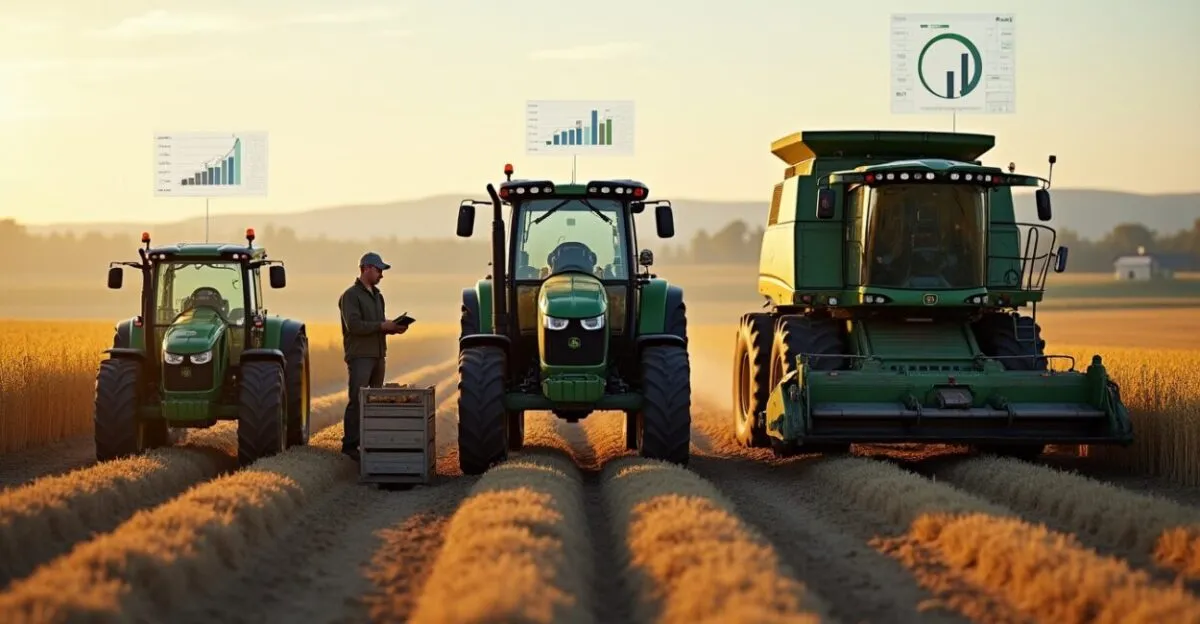
Model and Performance Comparison

Cost-Benefit Analysis
Comparing upfront cost, fuel consumption, and productivity helps you calculate the payback period. Efficient agricultural machinery has a lower operating cost per acre. Consider depreciation and resale value; well-regarded models retain their value, directly affecting annual ownership costs and financial planning.
Equipment for Different Types of Operations
Family farms need compact, multipurpose machines, while large farms require high-horsepower equipment with greater hourly capacity. Choosing agricultural machinery suited to your farming model maximizes utilization and reduces the risk of idle equipment or underused investments.
| Category | Indicator | Best Suited For |
|---|---|---|
| Compact | Low upfront cost | Small farms and challenging terrain |
| Mid-size | Balanced performance | Diverse crop operations |
| High horsepower | High output | Large acreage and continuous operation |
Financing and Purchasing Options
Credit Programs and Subsidies
Government programs and development banks offer favorable terms and subsidized rates for agricultural machinery, lowering barriers to adopting new technology. Research options through institutions such as BNDES, Brazil’s national development bank, and regional banks. These programs often require collateral and investment plans that fit the farm’s cash flow.
Read also: Agricultural Waste and Safety: What’s Changing in 2025
Leasing, Consortium Plans, and Partnerships
Leasing transfers the risk of obsolescence and allows for technology upgrades. Consortium plans spread out costs but require planning around when the equipment will be awarded. Partnerships and cooperatives allow members to share agricultural machinery, increase utilization, and lower the cost per acre for small and midsize producers.
Read also: Farm Insurance: Coverage and How to Choose a Policy
- Compare nominal interest rates with effective rates.
- Check early payment terms and contract penalties.
- Assess the impact on working capital and annual cash flow.
Understanding farm cash flow is essential when choosing between an outright purchase, financing, or leasing. Each option affects the producer’s liquidity and financial flexibility.
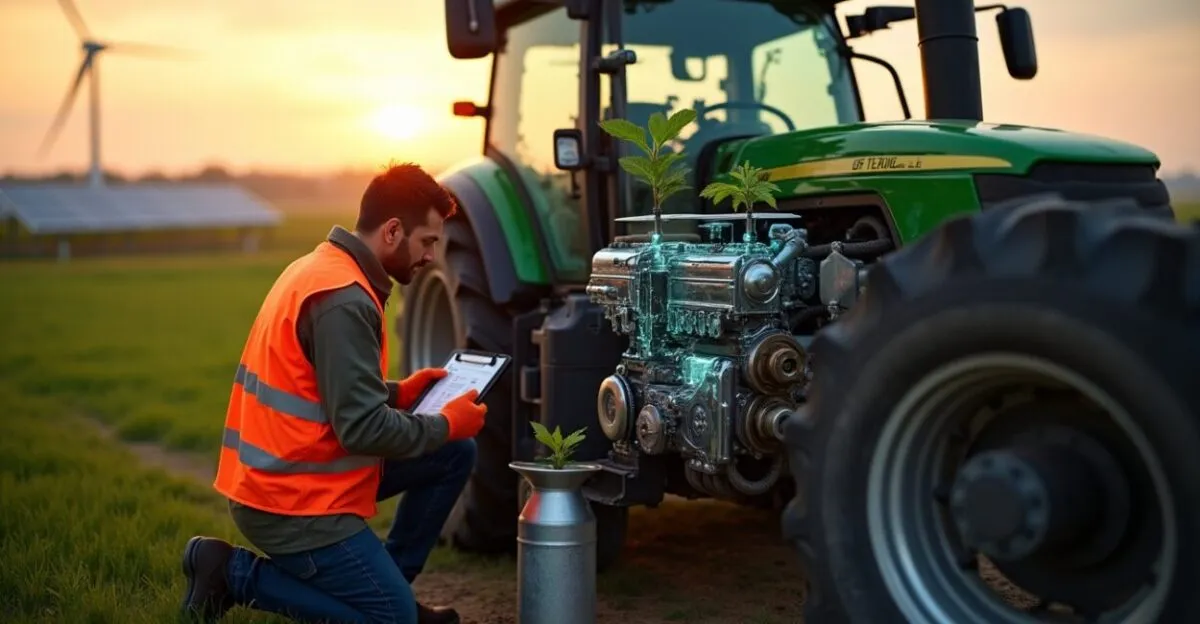
Maintenance, Operation, and Sustainability
Preventive Maintenance Plan
Regular maintenance reduces unexpected breakdowns and extends the life of agricultural machinery. Predictive maintenance plans using telemetry can anticipate service needs. Records of operating hours, oil changes, and structural inspections help schedule service, reduce emergency costs, and improve equipment availability.
Sustainable Practices
Low-emission equipment, controlled application, and precision technology minimize environmental impacts and input use, helping producers meet regulatory requirements. Choosing agricultural machinery with greater energy efficiency and controlled-application systems reduces waste and improves compliance with sustainability programs.
- Use a daily operating checklist.
- Monitor performance through telemetry whenever possible.
- Train operators to reduce wear and fuel consumption.
Investing in training and a culture of maintenance improves efficiency. Well-trained teams protect equipment and ensure safe operation, reducing accidents and production losses.
Technology and Precision Agriculture
Digital Integration in Agricultural Machinery
ISOBUS systems, GPS, and drone mapping enable more precise operations. Digital integration improves input application and field-by-field management. Interoperability between agricultural machinery and farm management platforms is essential for analyzing data and making evidence-based decisions throughout the production cycle.
Economic and Operational Benefits
Precision technology reduces input use and increases yield per acre. Financial returns come from lower variable costs and improved field efficiency. Telemetry and analytical algorithms help schedule maintenance and improve performance, reducing equipment downtime and increasing predictability.
| Technology | Benefit | Impact |
|---|---|---|
| GPS/Auto-steer | Less overlap | Saves inputs and time |
| Telemetry | Remote monitoring | More effective predictive maintenance |
| Application sensors | Variable-rate application | Improved efficiency and sustainability |
Adopting new technologies requires an upfront investment but generates ongoing savings that boost competitiveness and support more responsible, profitable decisions.
Risk, Insurance, and Lifecycle Management
Operational Risk Assessment
Assessing risks such as mechanical failures, weather conditions, and transportation logistics is essential to protecting your investment in agricultural machinery.
Contingency plans and property insurance help mitigate losses and ensure operations can continue even when unexpected events threaten production.
Insurance and Warranties
Agricultural equipment insurance covers physical damage and theft. Policies vary based on the manufacturer, equipment value, and intended use, so it’s important to review coverage details carefully.
Extended warranties and preventive maintenance contracts transfer some financial risk and provide more predictable annual operating costs.
- Identify risks by operation and growing season.
- Compare policies with coverage specifically suited to farm use.
- Update coverage to reflect the equipment’s market value.
Lifecycle management combines maintenance, insurance, and planned replacement to optimize total cost of ownership while preserving the value and efficiency of agricultural machinery.
Frequently Asked Questions
What Should You Consider When Choosing Agricultural Machinery for a Small Farm?
When choosing agricultural machinery for a small farm, prioritize versatility, upfront cost, and access to local technical support. Compact, multipurpose models reduce the need for multiple machines and can save money. Consider fuel consumption, ease of operation, and whether implements can be used with the crops you grow. Check the warranty, parts prices, and financing or consortium options that could make the purchase more affordable. Plan preventive maintenance to preserve value and keep the equipment operational through each growing season.
What Financing Options Are Available for Buying Agricultural Machinery in Brazil?
Financing options for agricultural machinery in Brazil include programs from BNDES, commercial banks, credit unions, and leasing companies. Government programs often offer subsidized rates or extended terms for investments in agricultural technology. Consortium plans and cooperative partnerships are also options for sharing costs among producers. Compare interest rates, grace periods, repayment terms, collateral requirements, and total financing costs. Planning cash flow and returns per acre is essential to choosing the right option.
How Do You Calculate the Total Cost of Owning Agricultural Machinery?
Total cost of ownership includes the purchase price, financing, depreciation, maintenance, insurance, fuel, wear parts, and the opportunity cost of tied-up capital. Include estimated operating hours per growing season and expected equipment life to calculate costs per hour and per acre. Comparing models using these metrics reveals which options are more efficient in the long run. Factor in resale value as well as any transportation and storage costs between growing seasons.
What Preventive Maintenance Is Essential for Extending the Life of Agricultural Machinery?
Essential preventive maintenance includes regular oil and filter changes, hydraulic system inspections, lubrication of moving parts, tire and alignment checks, and electrical component inspections. Track operating hours and follow the manufacturer’s service intervals to plan replacements in advance. Train operators to report unusual noises and signs of wear. Telemetry can support predictive maintenance, prevent unexpected breakdowns, and increase equipment availability, thereby reducing emergency costs.
How Does Precision Technology Affect the Efficiency of Agricultural Machinery?
Precision technology, including GPS, sensors, and variable-rate application, improves the efficiency of agricultural machinery by reducing overlap, optimizing input rates, and mapping yields by field. This saves pesticides and fertilizers, lowers costs, and increases yields. The data generated supports strategic agronomic decisions, enabling site-specific management and better returns per acre. Investing in interoperability between machinery and management platforms enhances analysis and ongoing optimization plans.
For official research on financing and agricultural policies, visit BNDES and Brazil’s agricultural research corporation, Embrapa: BNDES and Embrapa. Additional information is available in technical publications from universities and major industry websites.
Artigos Relacionados
 Agricultural Machinery: Technology and Modernization on the Farm
 Agricultural Traceability: 5 Innovations for 2025
 Agricultural Technical Training: Boost Productivity and Stand Out in the Field
 Top University Rankings and How to Choose Wisely in 2025
 Agricultural Education: Teaching Practices and Sustainability
 Professional Mentoring: How to Choose the Right Mentor Today
