
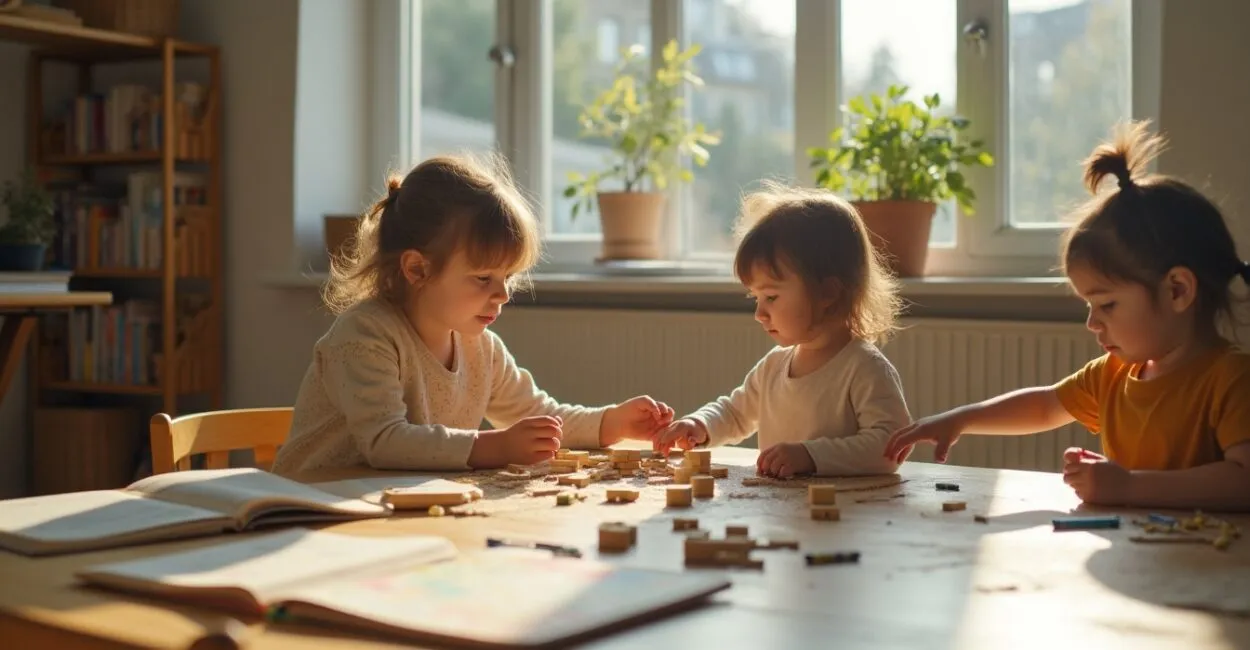
This term refers to the practices, policies, and educational processes designed to promote the development of children from birth to age six, integrating care, play, and purposeful learning.
early childhood education is crucial for building cognitive, social-emotional, and motor skills. It faces challenges related to equity, quality, and teacher training in urban and rural settings, requiring evidence-based practices and cross-sector coordination.

Key Takeaways
- Integrating care and education strengthens emotional bonds and early cognitive skills.
- Ongoing teacher training and formative assessment are essential to program quality.
- Language-rich environments and play improve learning outcomes and self-regulation.
Theoretical Foundations of Early Childhood Education
A theoretical understanding of early childhood education requires integrating neuroscience, developmental psychology, and pedagogy to explain brain plasticity, language acquisition, and the formation of secure bonds. This understanding informs early intervention practices and evidence-based curriculum planning.
Plasticity and Windows of Opportunity
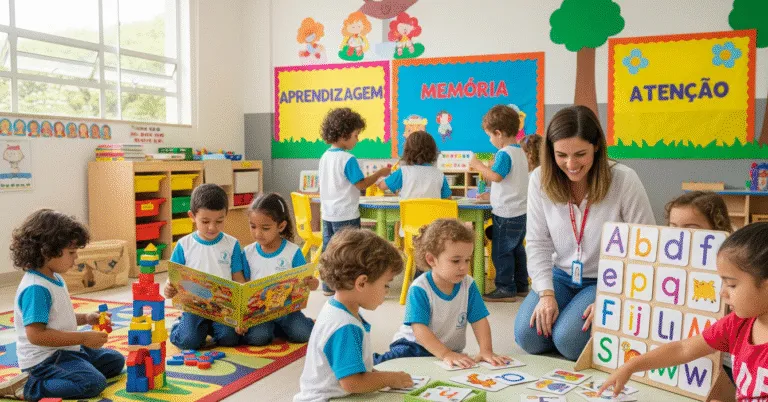
Neural plasticity in the early years creates critical windows of opportunity for sensory and language stimulation, supporting the case for early intervention and enrichment programs that promote functional synapse formation. When children receive appropriate stimulation, cognitive circuits are strengthened; without it, development may follow a different path, requiring compensatory strategies and ongoing monitoring of emerging skills.
Observable benefits include stronger attention and working memory, as well as greater school readiness, demonstrating the social and economic returns of structured investment in early childhood.
Social-Emotional Development
Stable bonds with caregivers support emotional regulation and the ability to form relationships, laying the foundation for cooperative learning and self-regulation at school and at home. Responsive care and consistent emotional support reduce toxic stress and build resilience, shaping behavior and future academic achievement.
Assessing relationship quality through direct observation and standardized scales helps tailor professional development interventions and family support programs.
Curriculum and Formative Assessment
Curriculum frameworks should emphasize developmental goals, guided play, and formative assessments that inform teaching without becoming tools for pressure or premature standardization. Ongoing observation and assessment identify progress and gaps, guiding differentiated instruction, targeted interventions, and collaboration with multidisciplinary specialists when needed.
Using context-sensitive indicators and validated tools makes it possible to compare programs meaningfully, informing policy and the efficient allocation of educational resources.
Program Structure and Management in Early Childhood Education
Program management involves governance, funding, staff training, and quality monitoring to ensure access, pedagogical consistency, and safety. Operational sustainability depends on aligning local policies with technical and educational evidence.
Governance and Public Policy
Governance models that coordinate health, social services, and education make programs more effective by ensuring continuity of care and coordinated responses to the needs of children and families. Budget transparency and public indicators support accountability and policy adjustments, reducing regional disparities and improving the allocation of critical resources.
Partnerships with universities and technical institutions strengthen evaluation and innovation, helping scale effective, evidence-based practices.
Funding and Sustainability
Predictable, protected funding is essential to maintaining qualified teams, safe facilities, and educational materials, directly affecting the quality of care and education. Blended funding models that combine public funds, municipal resources, and strategic partnerships improve financial resilience and support fair compensation and ongoing professional development.
Allocating resources based on indicators of social vulnerability maximizes impact by directing investment to children at greatest risk and promoting equitable educational outcomes.
Staff Management and Working Conditions
Good working conditions, career paths, and practical training help retain staff and maintain pedagogical consistency, leading to higher-quality interactions with children. Technical supervision, formative feedback, and professional learning communities refine teaching practices, enabling contextual adaptation and evidence-based innovation in everyday work.
Employee well-being measures and reasonable workloads reduce turnover, helping create stable relationships and safer, more predictable environments for children’s development.

Pedagogical Quality and Teaching Practice

Pedagogical quality depends on intentional teaching, planning centered on observation and play, and the use of authentic assessments to promote meaningful learning and holistic development from the earliest years.
Observation-Based Planning
Systematic observation makes it possible to personalize learning experiences by identifying each child’s interests and needs and guiding the choice of activities and educational materials. By analyzing behavior and interactions, educators adjust levels of support and challenge, fostering zones of proximal development and steady progress.
Documenting observations and reflecting on them as a team inform curriculum decisions and teacher training, creating cycles of improvement in educational practice.
Play as a Teaching Strategy
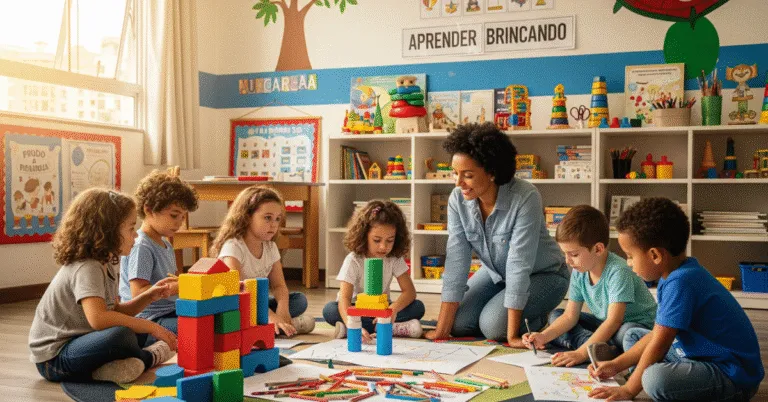
Structured and free play encourage exploration, symbolic thinking, and problem-solving, supporting cognitive development, language, and social-emotional skills. When adults guide play with clear learning goals, it can deepen learning and create more opportunities for listening, vocabulary development, and self-regulation.
Measurable benefits include greater creativity, persistence with tasks, and communication skills, underscoring the value of teacher training in play-based learning.
Authentic and Formative Assessment
Authentic assessment draws on evidence gathered in natural settings, offering an accurate picture of development and guiding individualized teaching interventions. Combining standardized tools with portfolios and observational reports balances comparability with sensitivity to children’s cultural and linguistic backgrounds.
Consistent implementation reduces bias, improves planning, and supports transparent communication with families about progress and learning priorities.
Physical Environments, Health, and Safety
Safe, clean, stimulating environments encourage exploration and learning. Thoughtful space planning, appropriate materials, and health protocols reduce risks and promote prevention and inclusion.
Space Design and Materials
Organized environments with activity areas, accessible materials, and sensory experiences encourage independence and engagement, supporting exploration and enriching social interactions. Durable, versatile, and culturally relevant materials support a range of learning experiences, reduce the need for constant supervision, and encourage creativity.
Space planning that prioritizes clear pathways and safety reduces incidents and makes classroom observation easier, supporting high-quality daily operations.
Health, Nutrition, and Well-Being
Health promotion includes vaccination, healthy nutrition, and developmental monitoring, all of which directly affect children’s ability to focus and participate in learning activities. Coordinated protocols between health care providers and educational services support early detection of developmental delays and timely referrals for specialized intervention.
Local partnerships with public services strengthen prevention efforts, improve child health indicators, and help children attend programs regularly.
Read also: Early Literacy: Effective Methods for the Early Years
Child Safety and Protection
Clear child protection policies, first aid training, and risk identification protocols reduce vulnerabilities and ensure a prompt response to emergencies or signs of abuse. Standardized incident reporting and active communication with families and authorities promote accountability and effective corrective action, protecting children’s physical and emotional well-being.
Ongoing staff training and emergency drills improve organizational readiness and build families’ confidence in the services provided.
Families, Communities, and Equity in Early Childhood Education
Collaboration among families, communities, and educational programs increases the impact of interventions by supporting continuity of care and learning and reducing disparities through inclusive policies and family support programs.
Family Engagement
Active family engagement reinforces learning and development at home and aligns goals, leading to stronger language and behavioral outcomes for children. Two-way communication and parent education improve consistency and help families respond to children’s individual needs.
Benefits include better attendance, stronger developmental outcomes, and smaller gaps between children from different socioeconomic backgrounds.
Community Partnerships
Collaboration with local services, community organizations, and universities expands resources and expertise, making it possible to offer complementary health, nutrition, and psychosocial support programs. These partnerships help scale interventions, share data, and develop solutions tailored to the specific challenges of each community.
Results include less fragmented services and more equitable outcomes across the neighborhoods and regions served.
Inclusion and Accessibility Policies
Inclusive practices and adaptations to spaces and materials ensure that children with disabilities can participate fully, promoting equal opportunities from the earliest years. Specialized teacher training and accessibility resources support accurate assessment and appropriate interventions, reducing barriers to development.
The social impact includes better educational outcomes and greater social inclusion, in keeping with human rights principles and applicable laws.
Innovation, Technology, and Ongoing Professional Development
Technology and new methods should be integrated thoughtfully to complement human interaction. Evidence-based ongoing professional development is essential to effective implementation that responds to local contexts.
Responsible Use of Technology
Digital technology can support educational documentation, family communication, and teacher training when used with adult guidance and age-appropriate time limits. Choosing secure platforms and content developed by experts reduces the risk of inappropriate exposure and keeps the focus on developmental goals.
Potential benefits include better progress monitoring and greater access to professional learning resources and support networks.
Preservice and Ongoing Teacher Training
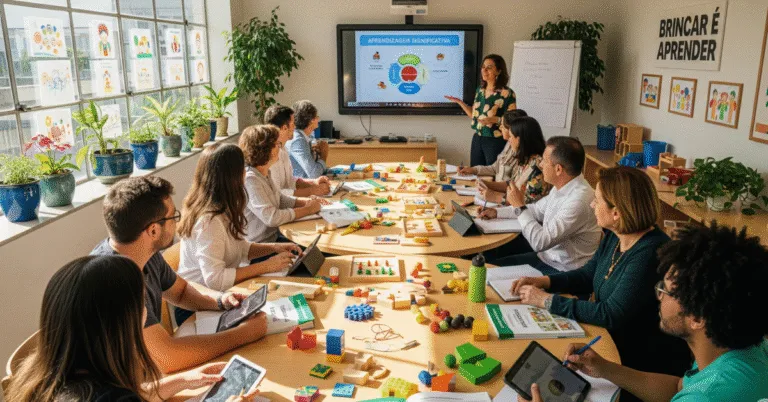
Training that combines theory, supervised practice, and critical reflection prepares educators to use effective observation, facilitation, and formative assessment strategies. Mentoring, technical supervision, and updates on scientific evidence improve teaching quality and promote sustained innovation within programs.
Tangible outcomes include greater skill in facilitating play and using assessments judiciously to support each child’s development.
Impact Evaluation and Applied Research
Impact evaluations and applied research inform decisions about programs and policies by identifying which interventions work, for whom, and under what conditions. Mixed-methods approaches and longitudinal analyses are recommended to capture short- and long-term effects and support scaling based on robust evidence.
Collaboration between researchers and program leaders helps translate findings into practices and policies with measurable social returns on investment.
- What to avoid: premature standardization that limits play and independence, insufficient staff training, and inadequate facilities.
Avoiding standardized practices protects natural learning processes and independence. Prioritizing observation and training reduces implementation errors and keeps relationships at the heart of the work.
- Recommended practices: systematic observation, ongoing training, language-rich environments, and cross-sector policies.
Integrated practices improve quality and equity by promoting context-sensitive responses that align educational goals with health and protection, producing lasting developmental benefits.
- Key indicators: language development, social-emotional skills, attendance rates, and child health indicators.
Tracking key indicators makes it possible to fine-tune programs, prioritize resources, and continually assess impact, ensuring interventions are effective and responsive to local needs.
- Common mistakes: insufficient supervision, poor communication with families, lack of formative assessment, and low-quality educational materials.
Identifying common mistakes guides operational and training improvements, reduces staff turnover, and promotes safer, more predictable environments that support children’s development.
Comparing Programs
Comparative analyses of program models reveal differences in costs, outcomes, and implementation requirements. Case studies help program leaders choose strategies suited to specific contexts and goals.
| Indicator | Program A (Municipal) | Program B (Partnership) |
|---|---|---|
| Coverage | High in urban areas | Focused on underserved areas |
| Teacher Training | Basic annual training | Ongoing mentoring and specialized training |
| Language Outcomes | Moderate improvement | Significant improvement with additional interventions |
Objective comparisons make it easier to decide whether and how to adopt program models, balancing cost, impact, and local capacity to sustain programs over time.
Measuring Quality and Outcome Indicators
Assessment tools and standardized indicators measure processes and outcomes, helping evaluate effectiveness and guide adjustments. Reliable metrics support accountability and help optimize investment in early childhood.
Process Indicators
Process indicators measure factors such as adult-to-child ratios, teacher training, and the availability of materials, offering early signs of program quality and the need for intervention. Regular measurement allows for quick corrections and helps prioritize professional development or facility investments, preventing quality from declining over time.
Integrating this data with municipal systems supports strategic planning and evidence-based resource allocation.
Developmental Indicators
Developmental indicators assess language, motor skills, and social-emotional competencies, providing snapshots of individual and group progress to inform policy and teaching practices. Validated tools and portfolios help ensure accurate assessments, enabling early intervention and long-term tracking of children’s development.
Systematic monitoring demonstrates program impact and informs decisions about expanding programs or changing strategies.
Cost-Effectiveness
Cost-effectiveness analyses compare investments with educational and social outcomes, helping decision-makers determine which initiatives to scale and prioritize. Models that account for direct costs and long-term social benefits support policy decisions and resource allocation with sound economic evidence.
These analyses help ensure limited resources deliver the greatest benefits for child development and reducing disparities.
Get Started Today: Put What You Know Into Practice
Putting these recommendations into practice requires prioritizing teacher training, intentional observation, and investment in safe, language-rich environments. Practices should be tailored to local contexts and aligned with developmental goals. Stakeholders must coordinate local policies, sustainable funding, and technical partnerships to turn evidence into everyday practices that improve equity and educational outcomes.
This strategic overview helps program leaders balance pedagogical quality with operational sustainability, focusing on indicators that support holistic development and measurable social returns. Start with staff training and protocol reviews, then monitor progress continuously and make timely adjustments to achieve consistent, scalable results over the medium term.
Frequently Asked Questions
1. How Can You Measure the Effectiveness of Early Childhood Education Programs in Different Settings?
Effective measurement combines process and developmental indicators, direct observation, and culturally sensitive standardized assessments. Mixed methods, including quantitative and qualitative data, capture the impact of local context. Longitudinal analyses and controlled comparisons help identify causal effects and inform decisions about scaling programs.
2. What Are the Immediate Priorities for Improving Quality in Municipal Child Care Centers?
Priorities include ongoing staff training, lower adult-to-child ratios, and providing educational materials. Health and safety procedures should be strengthened, and monitoring systems should be introduced to guide resource allocation and enable quick corrective action.
3. How Can Families Be Included in the Educational Approach Without Overburdening Them?
Family engagement requires clear communication, practical guidance, and support strategies that respect families’ time and circumstances. Brief activities, reinforcement of learning at home, and two-way communication channels increase involvement without creating excessive demands, supporting continuity in children’s education.
4. What Is the Role of Technology in Early Childhood Education, and How Can It Be Used Safely and Effectively?
Technology should complement educational documentation, teacher training, and family communication, with carefully selected content and age-appropriate time limits. Safety, privacy, and evidence of benefit should be assessed before adopting technology on a large scale.
5. How Can You Ensure Children with Disabilities Are Included in Everyday Practices?
Inclusion requires physical accessibility, adapted materials, interdisciplinary assessment, and specialized teacher training. Individualized plans and support from specialists promote full participation, while partnerships with rehabilitation services expand the available support strategies.
Artigos Relacionados
 Early Childhood Education: The Importance of Play in Child Development
 Early Childhood Education: A Guide for Parents
 Definitions and Concepts in the Evolution of Early Childhood Education
 Effective Brain Stimulation in Early Childhood Education
 Collaborative Learning in Early Childhood Education
 Professional Development for Early Childhood Educators
