
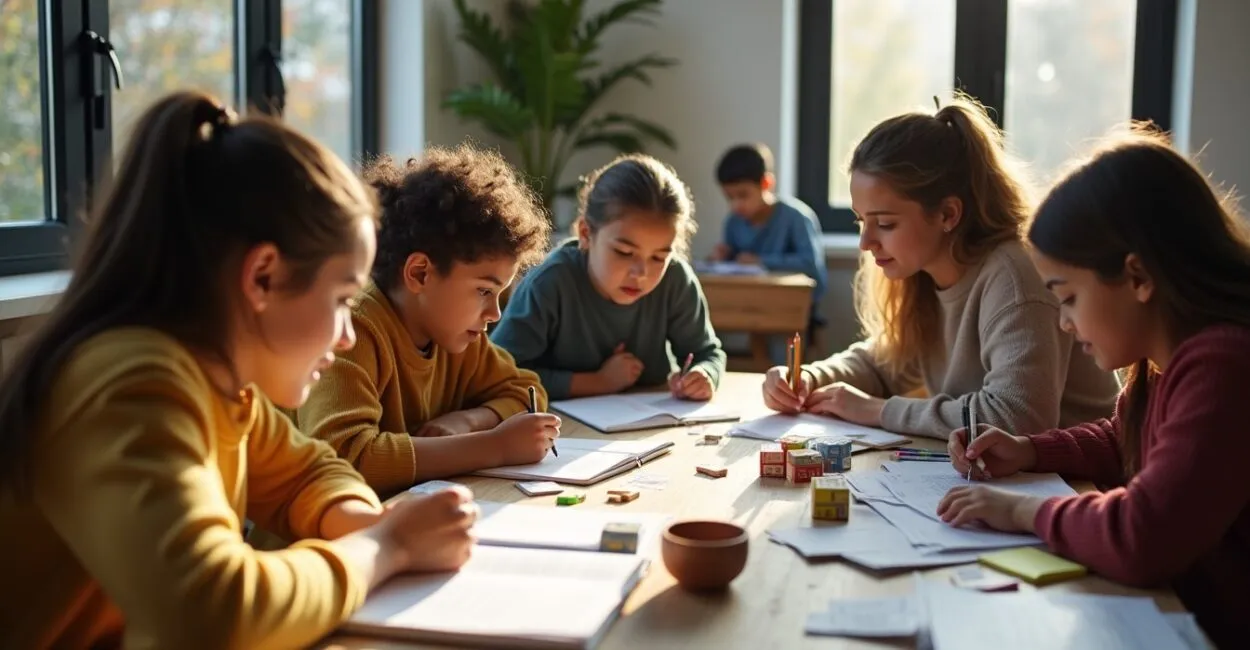
This educational approach supports cognitive, emotional, social, and physical development by integrating the curriculum, culture, and community. Its goal is to help students become critical thinkers and empathetic citizens who act responsibly in the world.
In today’s world, whole-child education addresses inequality and fragmented learning by bringing together public policies, schools, families, and organizations. Together, they build continuous, meaningful educational experiences connected to local life and global challenges.

Key Takeaways
- Integrating different areas of knowledge to support holistic development.
- Building partnerships among schools, families, and communities.
- Using social-emotional and culturally responsive teaching practices.
- Prioritizing formative assessment and inclusion.
These points summarize the core elements of whole-child education and help school leaders and educators implement concrete, measurable initiatives that connect theory, practice, and indicators of social impact.
Getting Started: Foundations of Whole-Child Education
Origins and Principles of Whole-Child Education
Whole-child education grew out of discussions about human rights and education as a common good. It rests on principles of equity and community participation, responding to the call for schools that welcome diversity and foster citizenship. This foundation turns the classroom into a space for dialogue, where curriculum and caring relationships come together, and playful, reflective practices support broader, relevant, and meaningful learning experiences.
Understanding these principles enables school leaders and teachers to drive cultural change that prioritizes whole-child development. They can connect public policies, teacher training, and assessment practices that value the learning process.
Essential Components for Implementing Whole-Child Education
Essential components include an expanded curriculum, social-emotional practices, ongoing teacher development, and participatory governance. Together, they help ensure that educational programs meet local needs while maintaining academic rigor. These components depend on well-planned staff and materials, flexible school schedules, and partnerships with cultural organizations, health services, and social services, expanding the school’s role as a place to live and learn.
Planning around these components makes it possible to create learning pathways that connect different areas of knowledge, promote inclusion, and strengthen relationships—all essential to effective whole-child education.
Indicators of Success in Whole-Child Education
Success indicators combine academic learning, social-emotional development, attendance, and community participation. They provide ways to measure impact beyond traditional tests, with an emphasis on students’ progress and well-being. Data collection should be ongoing and formative, drawing on self-assessments, portfolios, and qualitative accounts that reflect social-emotional skills, critical thinking, and civic engagement, in alignment with equity goals.
These indicators guide instructional adjustments and public policy decisions, serving as a compass for school leaders committed to human and collective outcomes through whole-child education.
Challenges: Barriers and Resistance to Whole-Child Education
Structural Challenges to Whole-Child Education
Unequal funding, inadequate facilities, and teacher workload are major barriers that make expanding whole-child education challenging. Overcoming them requires coordinated political action and sustainable resources. Without attention to these constraints, initiatives become fragmented and fail to scale. That’s why ongoing public funding, coordinated municipal planning, and training that respects educators’ time and workload are essential.
Overcoming these challenges calls for strategic vision and collective action, connecting government departments, councils, and civil society to create the practical and cultural conditions needed for long-term implementation.
Cultural Resistance and Traditional Practices
Traditional teaching practices and resistance to change can create conflict, especially when contemporary approaches call for greater student participation and a focus on social-emotional development that challenges established routines. Cultural change takes persuasive messaging, ongoing professional development, and practical examples of impact that show how whole-child education improves academic performance and well-being, easing skepticism among educators and families.
Overcoming resistance takes time. It requires active listening, room to experiment, and respect for local experience, turning theories into actions that feel relevant and meaningful to the school community.
Human Resources: Training and Recognition
Full implementation requires teachers who are trained in integrated teaching methods and supported through career policies, fair pay, and time for collaborative planning. These are essential conditions for high-quality whole-child education. Investing in ongoing professional development that connects theory, practice, and research can transform school culture, enabling teachers to innovate, share knowledge, and create safe, engaging learning environments.
Professional recognition directly affects educators’ commitment to the learning journey. It is therefore important to offer incentives, support networks, and mentoring programs that sustain their day-to-day work.
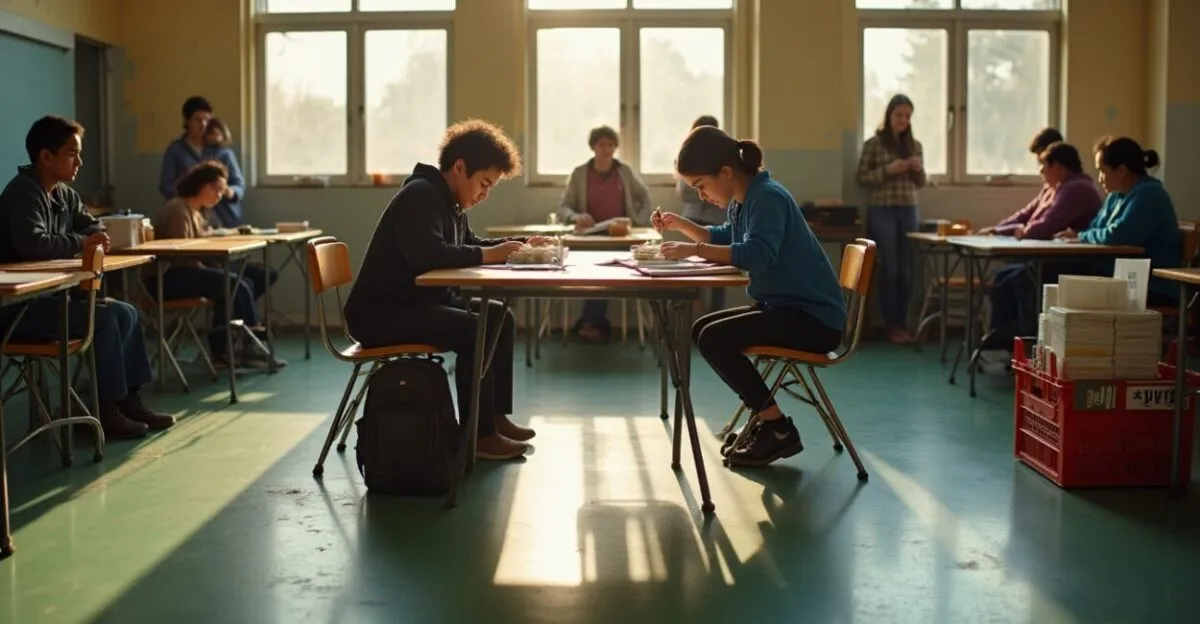
Crisis: Impacts on the Community and Learning

Consequences of Not Providing Whole-Child Education
The absence of integrated policies deepens inequality, increases dropout rates, and undermines essential social-emotional skills. This creates fragmented educational experiences that limit life opportunities and civic participation. Communities feel the impact when schools lose their social role, leaving gaps in care, culture, and health services that affect children and teens and weaken support networks and continuous learning.
These consequences demand an urgent response: coordinated cross-sector efforts that restore the school’s ability to serve as a place for whole-child development and community well-being.
Impact on Mental Health and Development
When schools overlook students’ social-emotional needs, the risk of mental health disorders increases and emotional regulation suffers. This can make it harder to learn and build relationships, affecting students’ academic and social futures. Well-designed whole-child education programs take a preventive approach, fostering resilience, relationship skills, and safe environments that support mental health, learning, and inclusion.
Including psychosocial support in the school day is therefore a proven strategy for reducing the effects of vulnerability and helping students thrive in every area of their lives.
Loss of Social and Community Capital
Without projects that connect schools and communities, social capital erodes, weakening cooperation and civic participation. Whole-child education helps strengthen local relationships, networks, and shared cultural assets. Restoring these connections means involving families, organizations, and institutions in cultural, sports, and health programs, recognizing local knowledge and encouraging shared responsibility for education.
Rebuilding the social fabric expands informal learning resources and helps develop more engaged citizens—an essential condition for creating positive change across communities and generations.
Solutions: Practical Strategies and Successful Models
International Models and Evidence for Whole-Child Education
International research and experience show that integrated models improve learning and equity. Countries with coordinated policies combine extended school days, social-emotional programs, and community partnerships. Practical examples and research from universities and educational institutes can guide implementation and offer evidence to inform local adaptation, while respecting cultural diversity and specific contexts.
Consulting reliable sources, such as government reports and academic research, helps inform decisions and replicate practices with a proven impact on whole-child education.
Effective Teaching Practices
Active learning methods, interdisciplinary projects, and formative assessment connect academic content to real life. They encourage student ownership, critical thinking, and the social-emotional skills essential to whole-child education. Putting these practices into action takes time for collaborative planning, training, and ongoing assessment, as well as resources for teaching materials and innovative learning spaces that spark creativity.
Gradual adoption and monitoring make it possible to adjust practices and build teachers’ skills, leading to richer learning environments that support whole-child development.
Strategic Partnerships and Governance
Partnerships with universities, government departments, and community organizations strengthen programs by bringing in technical resources, training, and evaluations—all essential to sustaining and scaling whole-child education initiatives. Participatory governance through councils and forums promotes transparency and alignment between policies and local practices, encouraging shared responsibility and continuity.
Successful models combine stable funding, cross-sector coordination, and evaluation systems that allow programs to adapt and improve over time.
Tools and Resources: Putting Implementation into Practice
Teaching and Technology Resources for Whole-Child Education
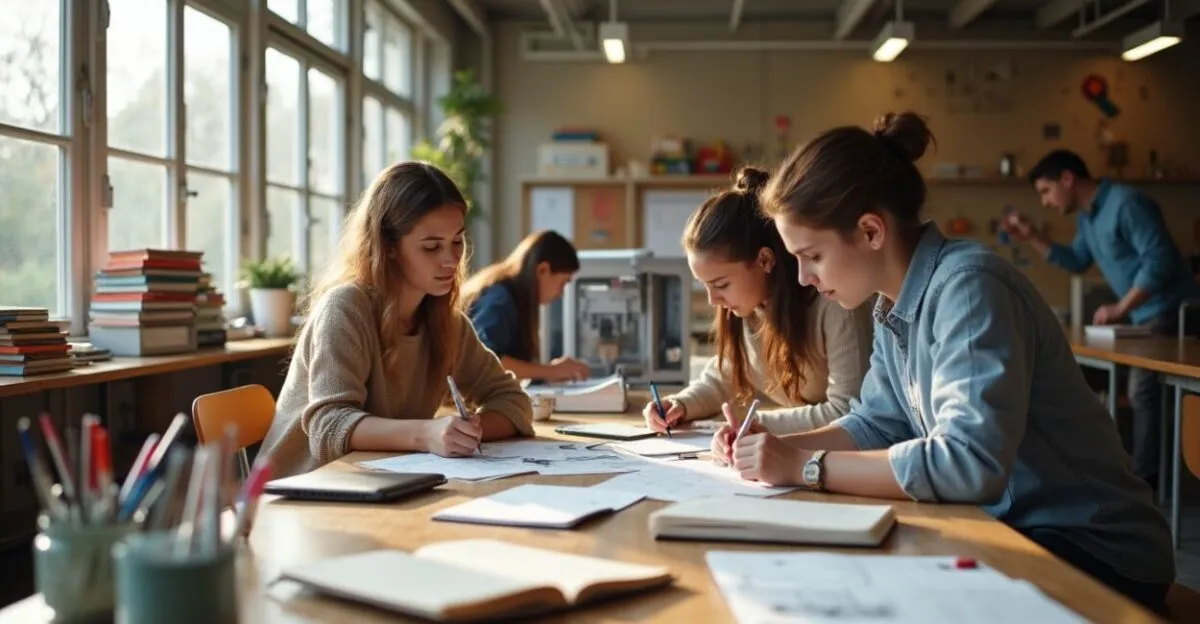
Resources include locally relevant materials, digital platforms, community libraries, and makerspaces that expand learning experiences by combining technology, culture, and hands-on activities. Technology should be integrated thoughtfully into teaching to expand opportunities without reinforcing inequality. That makes teacher training and infrastructure prerequisites for effective, inclusive use.
Read also: The Municipal Department of Education and Its Role in the City’s School System
These resources enhance interdisciplinary projects, make it possible to document student progress, and facilitate communication between schools and families, strengthening the whole-child education ecosystem.
Time and School Organization
Reorganizing the school day is essential. Flexible schedules and dedicated time for cultural and sports activities and student support help connect the curriculum with students’ lives in an organic, sustainable way. Collaborative planning and protected planning time allow teams to design rich learning experiences, track their impact, and adjust practices together. This reorganization requires administrative and financial support, but its educational and social benefits make the investment in time and structure worthwhile.
Leia também: How to Design Competency-Based Curriculum Components
Ongoing Professional Development for Educators
Ongoing training that combines theory, reflective practice, and coaching can drive change, equipping teachers to connect subject areas and social-emotional skills. Mentoring programs, professional learning communities, and university partnerships strengthen this training, encouraging innovation and helping retain educators committed to whole-child education.
Investing in teachers’ careers and providing time and resources for professional development are essential to turning intentions into lasting, effective practices.
Comparative Analysis: Models, Costs, and Benefits
Comparison of Whole-Child Education Models
| Model | Focus | Resources | Impact |
|---|---|---|---|
| Full-Day Schooling | Expanded curriculum | Facilities, teachers | Improves learning and social skills |
| Community Partnerships | Integrated services | Nonprofits, health, culture | Strengthens support networks |
| Social-Emotional Programs | Well-being and self-regulation | Training and materials | Reduces conflict and increases engagement |
This table summarizes different approaches and shows how choices about focus and investment can lead to different outcomes. It helps school leaders select models that fit their goals and context.
Costs, Benefits, and Social Return
Cost assessments require a long-term perspective that considers lower dropout rates, improved learning, and social benefits that extend beyond school-based measures, helping justify public and community investments. Integrated models generate returns in human capital and reduce inequality, showing that well-designed policies can be cost-effective and socially efficient when measured by their broader impact.
Financial planning with clear indicators makes it possible to demonstrate cost-effectiveness and mobilize resources across sectors, helping sustain whole-child education.
Practical Comparison Across School Systems
Comparing school systems that have adopted whole-child education reveals that outcomes vary depending on policy coordination, teacher training, and levels of community participation—underscoring the importance of context. Case studies and comparative analyses help identify practices that can be replicated, potential risks, and necessary adaptations, providing a practical roadmap for implementation in different settings.
This comparative perspective helps school leaders choose strategies, prioritize investments, and build partnerships that maximize local impact and sustainability.
Local Implementation: Steps and Recommendations
A Step-by-Step Strategic Plan
Planning starts with a participatory needs assessment, setting goals, mobilizing resources, and creating a timeline that includes teacher training, facilities, and formative assessment. These steps promote clarity and accountability. Involving local stakeholders from the assessment through the evaluation builds a sense of ownership and tailors interventions to local realities, turning projects into sustainable processes with the potential to scale.
Documenting and sharing results fuels a cycle of institutional learning, making it easier to adjust plans and attract the investment and partnerships needed to sustain whole-child education.
Local Partnerships and Cross-Sector Coordination
Partnerships with universities, public health agencies, cultural organizations, and the private sector enrich programs by bringing expertise, resources, and learning opportunities that extend the school’s reach in the community. Formal cross-sector coordination through protocols improves collaboration, distributes responsibilities, and ensures that complementary services reach vulnerable populations in an integrated way.
This shared governance strengthens impact and helps whole-child education function as a cohesive public policy supported by community participation and sustainable practices.
Monitoring, Evaluation, and Scalability
Ongoing monitoring and participatory evaluation should measure both processes and outcomes, using qualitative and quantitative indicators to guide improvements and support high-quality growth. Tools such as portfolios, formative assessments, and well-being indicators help track student progress and adapt interventions, turning data into instructional and management decisions.
Scaling programs without losing what makes them effective requires documenting practices, building learning networks, and establishing funding policies that preserve the essential elements of whole-child education across different settings.
External Resources and Recommended Reading
Institutional Resources and Research
To learn more, consult public policy documents and research networks focused on whole-child education. These sources, including government reports, provide technical guidance and evidence to support local decisions. Brazil’s Ministry of Education and public universities offer research and practical guidance. National news outlets also provide analysis and examples of large-scale implementation.
These additional resources help connect theory with practice, supporting school leaders and educators as they develop relevant, effective interventions.
Useful Links
For official resources and research, visit government websites and academic centers that address education policy and integrated learning and well-being programs. The MEC Portal, Brazil’s Ministry of Education website, offers guidelines and documents on public policy and education and is a resource for school leaders and researchers. SciELO provides academic articles on educational practices and impact assessments, which can help inform local projects.
Practical Tools and Templates
Planning templates, indicator frameworks, and training materials can help standardize processes; many nonprofits and government departments offer resources that can be adapted to different settings. Adapting these tools to local realities makes implementation and monitoring easier, promoting alignment among goals, activities, and outcome assessments in whole-child education.
Using these tools consistently supports the development of routines and teams and helps measure impact with quality and transparency.
What to Avoid
- Implementing a program without a participatory needs assessment.
- Underestimating the training and time teachers need.
- Fragmenting efforts without cross-sector coordination.
- Focusing only on facilities without instructional innovation.
Avoiding these common mistakes is crucial to keeping whole-child education initiatives grounded in local realities. Careful assessment, training, and governance reduce the risk of failure and promote sustainability.
Conclusion: The Journey Continues
Summary and a Call to Action for Whole-Child Education
The journey toward whole-child education calls for collective commitment, strategic vision, and sustainable policies that prioritize well-rounded development, equity, and community participation to transform educational experiences. Every step—from assessment to training and partnerships—builds a learning pathway that brings people and resources together, showing that investing in the whole child means investing in our shared future and human dignity.
I urge school leaders, educators, and communities to act with courage and plan carefully, cultivating practices that make whole-child education an effective right and a lived experience for every child and young person.
Final Resources and Practical Reading
Gather needs-assessment findings, develop plans with measurable goals, and track results. Evidence-based practice will help you refine strategies and expand impact, strengthening whole-child education in diverse communities. Share lessons through professional and community networks, use reports and research to guide decisions, and build local partnerships that sustain educational and social change.
Persistence, evaluation, and community participation are essential to sustaining initiatives that foster well-rounded development and active citizenship.
An Invitation to Collaborate
Whole-child education is a shared story that takes shape every day. I invite readers to share practices, build partnerships, and generate evidence that can illuminate successful approaches and adaptations. Transformation takes many partners: schools, families, universities, governments, and civil society—all committed to learning processes that respect people’s lives and communities.
This ongoing, reflective collaboration is key to making whole-child education more than an isolated project—to making it a dynamic, deeply rooted public policy.
Frequently Asked Questions
What Is Whole-Child Education, and Why Is It Important?
Whole-child education is an educational approach that brings together cognitive, social-emotional, cultural, and physical development to help students grow in every area. It is important because it promotes equity, reduces educational inequality, and builds the skills needed to participate in a democratic society. It supports learning through the curriculum while recognizing the many dimensions of human development.
How Can a School Start Implementing Whole-Child Education?
Start with a participatory needs assessment involving the community, teachers, and school leaders to identify needs and resources. Set clear goals, provide ongoing teacher training, seek local partnerships, and create an action plan with indicators and a timeline. Monitor progress and make adjustments throughout the process.
What Are the Main Challenges in Implementing Whole-Child Education?
Challenges include insufficient funding, inadequate facilities, heavy teacher workloads, cultural resistance, and a lack of cross-sector coordination. Overcoming these obstacles requires strategic planning, appropriate training, participatory governance, and public resources and partnerships to sustain ongoing efforts.
What Evidence Is There of the Impact of Whole-Child Education?
Research points to improved learning, lower dropout rates, stronger social-emotional skills, and greater school engagement in settings with integrated policies. Academic studies and government reports show that well-implemented approaches generate social returns and contribute to educational equity and community well-being.
How Can I Tell Whether My Whole-Child Education Initiative Is Working?
Use quantitative and qualitative indicators, including academic performance, attendance, participation in activities, well-being measures, and feedback from the community. Use portfolios, formative assessments, and ongoing monitoring to adjust practices. Involve local stakeholders to ensure that evaluation informs improvements and the initiative’s growth.
Artigos Relacionados
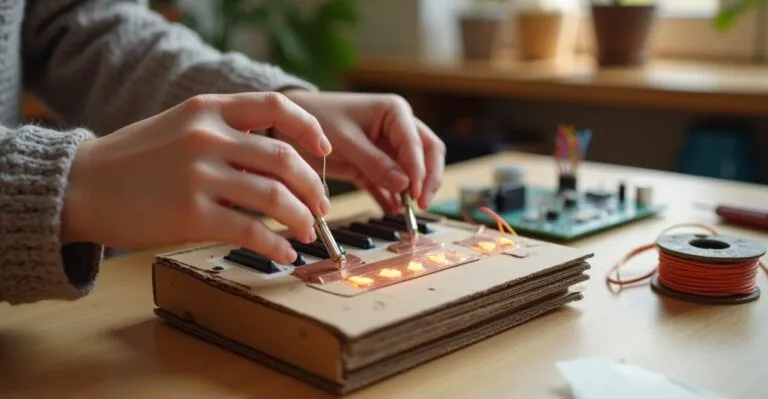 Maker Education: 5 Easy Projects to Start Today
 Transformative Education: Practices That Change Lives Today
 Improving Basic Education: Practical, Measurable Strategies
 Social-Emotional Learning in Schools: Transforming Learning and Whole-Child Development
 The Importance of Play in Childhood for Whole-Child Development
 Early Childhood Education: The Importance of Play in Child Development
