
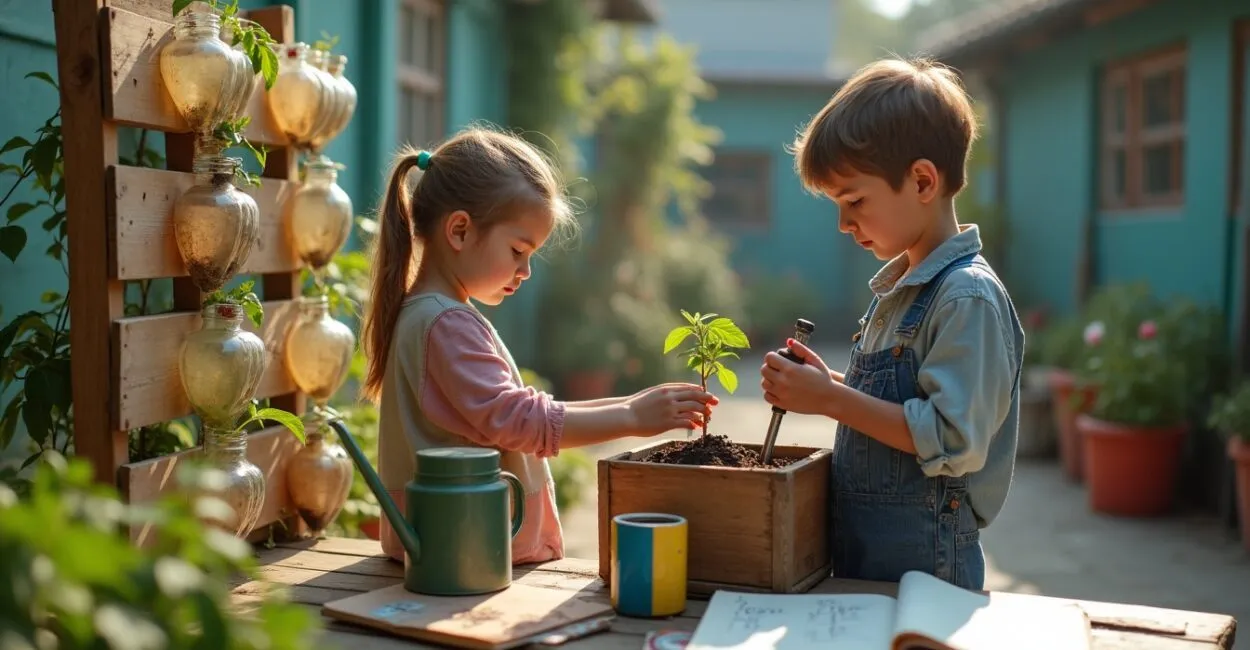
Have you ever felt that your school wants to make a difference, but there’s no budget or clear plan—and that leaves you frustrated? Many teachers and students are up for the challenge, but get stuck when it’s time to get started. I know how that feels.
I’ll walk you through a practical three-week plan with realistic sustainability projects that fit a tight budget, including a day-by-day schedule, reusable materials, and simple ways to measure impact. Let’s get started.

No fluff—just quick results and steps students can lead. Get ready to see a garden take shape in just a few weeks and school consumption really start to drop.
Start with Sustainability Projects That Really Work
You want something that builds pride and teaches students, right? Here’s the secret: focus on three areas—vertical gardens, creative recycling, and reducing consumption. In three weeks, you can lay the groundwork and establish routines.
- Week 1: planning and gathering reusable materials
- Week 2: building the garden and holding recycling workshops
- Week 3: making adjustments, measuring results, and celebrating
These steps make it clear who’s responsible for what, preventing projects from losing momentum and quickly fading away. Visible results are what keep people engaged.
How to Build a Vertical Garden in 7 Days
Think about it: vertical gardens take up little space and teach a lot. All you need are pallets, plastic bottles, and soil—all easy to find. Here’s the day-by-day schedule.
- Days 1–2: collect pallets and plastic bottles
- Days 3–4: prepare planters and potting mix
- Days 5–7: secure the planters, plant, and water
Once it’s ready, get biology and environmental education classes involved in monitoring plant growth. It becomes an interdisciplinary project with measurable results.
Leia também: Public School Purchasing: Bringing Local Farmers Onboard
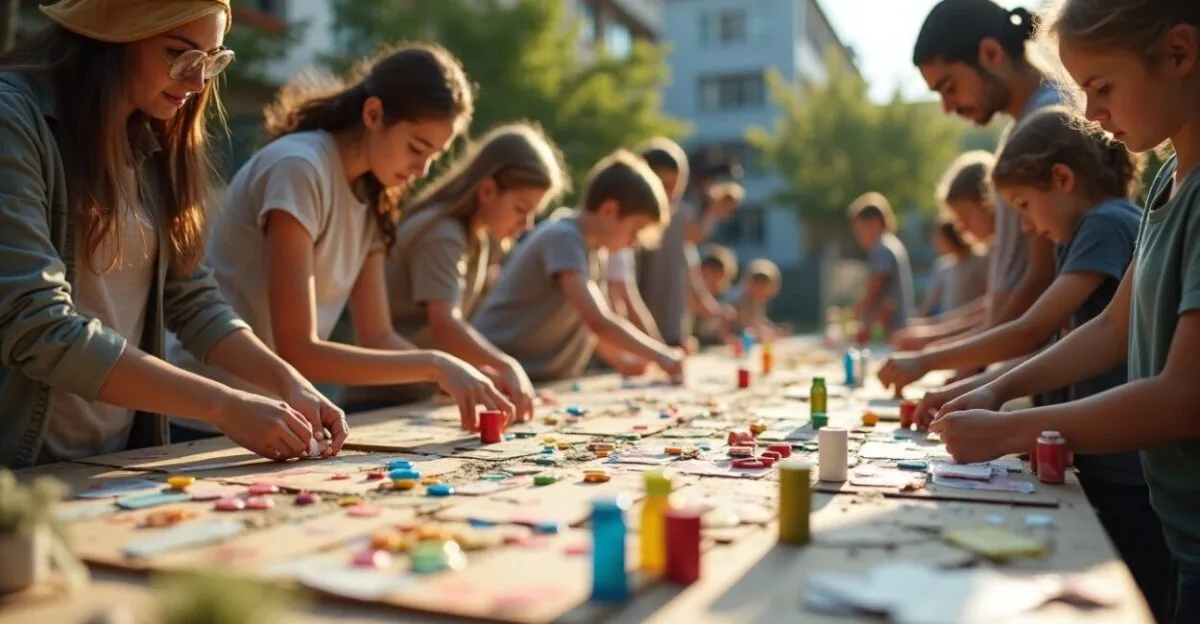
Creative Recycling That Turns Waste into Low-Cost Materials

Want to save money and spark creativity at the same time? Turn bottle caps, newspapers, and boxes into teaching materials or simple furniture. Quick workshops can bring parents and neighbors together.
- Mosaic workshop using bottle caps
- Mini compost bins made from reused containers
- Chairs and shelves made from salvaged pallets
Reusing materials cuts costs and teaches circular design through hands-on experience. It also creates things the school can actually use.
Leia também: Interactive Math Activities With Technology in the Classroom
Reduce Consumption: Small Habits, Big Savings
That’s not all: tracking consumption can change behavior. Set weekly water and energy goals, and turn it into a friendly competition between classes. It’s simple, motivating, and inexpensive.
| Action | Tool | Expected impact |
|---|---|---|
| Drip irrigation for the garden | Plastic bottles | 30% less water use |
| Use natural light | Rearrange classrooms | 15% less energy use |
| Separate recycling | Labeled bins | 50% more recycling |
These are realistic targets for schools on a tight budget and provide a benchmark for measuring progress.

Simple Metrics for Measuring Environmental Impact
Want to know if it worked? Track water, energy, and waste. Here’s a simple set of indicators you can use without expensive equipment.
- Water used each week
- Electric bills before and after
- Amount of recyclables collected
Record the data in a spreadsheet and compare week to week. This turns opinions into evidence, and evidence helps win support from school leaders and the community.
What to Avoid So You Don’t Undermine the Project
- Starting without a clear leader
- Buying everything new without considering reuse
- Planning activities that are too complex for students
Avoiding these mistakes helps keep the project going. Sustainability projects fail because of poor organization, not a lack of goodwill. Delegate responsibilities and celebrate small wins.
How to Involve the Community and Find Partners
Need support? Reach out to your local government, universities, and local media. They may donate materials or offer workshops. You can also find guidance on official websites.
Find templates and step-by-step guides from Brazil’s Ministry of the Environment (MMA), technical information from Embrapa, Brazil’s agricultural research corporation, and practical ideas and inspiration from BBC Brasil, the BBC’s Brazilian Portuguese service.
- Share simple results at meetings
- Invite parents to weekly volunteer workdays
- Post results on the school’s social media
With a concise presentation and data to back it up, the community is more likely to get involved and donate time, materials, or even a small amount of funding.
Ready to get started? In three weeks, you’ll have a tangible project that teaches students and cuts costs. Choose a leader, build a team, and gather reusable materials.
Now make a promise to your class and get started. Once the garden begins to grow, no one will want to go back.
What Is a School Sustainability Project?
School sustainability projects are hands-on initiatives that reduce environmental impact and encourage active learning. Examples include vertical gardens, creative recycling, and water conservation programs. They combine action, monitoring, and education, helping students develop a sense of responsibility while saving the school money. With good planning, they can all be done on a small budget.
How Can You See Results from Sustainability Projects in 3 Weeks?
Three weeks is enough time to plan, put a project in place, and measure initial indicators. Week 1 focuses on planning and gathering materials, week 2 on building and workshops, and week 3 on adjustments and measurement. Early results come from seeing the garden take shape and immediately reducing consumption, which helps motivate the school to continue and improve the project.
Which Reused Materials Work Best for Sustainability Projects?
Pallets, plastic bottles, wooden boxes, and plastic containers are ideal. They’re easy to repurpose as planters, compost bins, and shelves. Be sure to clean and treat them as needed, and involve the community in collecting them. Using what’s already available cuts costs and teaches circular economy principles through hands-on learning.
How Can You Measure the Environmental Impact of School Initiatives?
Simple metrics work well: track water and energy use weekly, weigh the recyclables collected, and document the garden’s size and yield. Use a basic spreadsheet to compare before-and-after data, then create visual reports to share with the community. This helps you demonstrate results and attract support.
How Can You Maintain Engagement After the First 3 Weeks?
To keep people engaged, establish routines and clear roles for students, teachers, and parents. Turn tasks into games and challenges, and celebrate progress with events. Tracking and sharing results also help sustain interest, while partnerships with universities or public agencies can bring in new activities and resources.
Artigos Relacionados
 A Practical Guide to School Sustainability Projects
 School Gardens as Learning Labs: Inspiring Projects for 2025
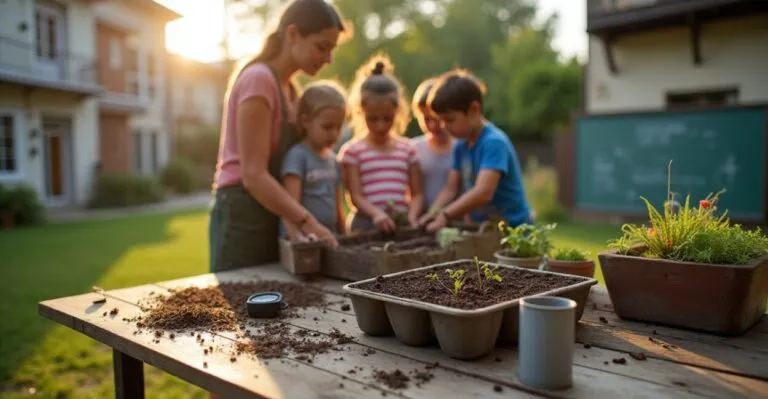 5 Composting Projects for Schools and Apartment Buildings
 Fake News: How to Address the Topic Effectively in School Projects
 Energy Savings at School: Cut Costs and Reduce Impact
 Sustainability in Schools: A Practical Implementation Guide
