

Energy savings refers to the practices, technologies, and behaviors aimed at reducing energy use without compromising functionality, comfort, or education, while promoting efficiency and institutional sustainability in schools.
In schools, energy savings combine technical measures, operational management, and community engagement to reduce costs, emissions, and operational failures while directing more resources to teaching. Implementing actions requires an assessment, clear goals, and ongoing monitoring.

Key Takeaways
- Accurate assessments and clear goals are essential for saving energy at school.
- Investing in efficiency, behavior change, and preventive maintenance lowers operating costs.
- Ongoing monitoring and school community training support sustainability and replication.
Energy Savings: Strategic Planning at School
Assessments and Goals for Energy Savings
An initial assessment identifies energy uses, peak periods, and waste, providing the basis for measurable energy-saving goals with annual timelines and indicators for each classroom and piece of equipment. This makes it possible to prioritize investments. Mapping loads, schedules, and occupancy patterns reveals opportunities to improve lighting, heating and cooling, and equipment use, strengthening business cases and securing school leadership support.
Clear goals, reviewed regularly and tied to financial and environmental indicators, promote accountability and make energy savings a practical tool for teaching and administration.
Community Engagement and Energy Savings
Engaging teachers, students, and staff builds a culture of energy savings through training, incentives, and participation in committees that track goals and promote everyday best practices. Ongoing communication and visible usage data reinforce good habits. Informational displays and friendly competitions turn energy savings into hands-on learning.
Social responsibility programs and partnerships with universities and public agencies expand technical expertise and provide access to resources for replicating successful initiatives.
Internal Policies and Governance for Energy Savings
Internal policies establish habits and procedures for operations, maintenance, and purchasing that prioritize efficiency, incorporating energy-saving criteria into procurement and service contracts. Clear responsibilities and verification schedules support compliance and adjustments, while regular reports help administrators make decisions based on actual performance.
Aligning school efforts with municipal or state efficiency plans creates synergies with public programs and can open up funding for energy-saving projects.
Efficient Infrastructure and Technologies
Efficient Lighting and Energy Savings
Replacing traditional bulbs with LEDs and installing sensors can immediately reduce energy use and maintenance costs, making this one of the most cost-effective measures for schools pursuing sustainable energy savings. Lighting plans should account for appropriate light levels in each space and use sensors and scheduling controls to balance energy savings with the lighting quality needed for learning activities.
Post-installation monitoring confirms results and allows schools to fine-tune sensors, timers, and schedules to maximize energy savings without compromising safety.
Heating and Cooling, Thermal Comfort, and Energy Savings
Efficient systems, insulation, and HVAC maintenance reduce energy use while maintaining comfort—an essential part of operational management across school districts seeking energy savings. Passive strategies such as shading, cross-ventilation, and weatherstripping also help reduce heat loads and extend the life of systems, increasing energy savings.
Programmable thermostats and preventive maintenance help equipment perform efficiently, preventing energy spikes and unexpected costs that strain school budgets.
Equipment and Automation for Energy Savings
Automation can schedule equipment shutdowns during off-hours and enable remote monitoring, driving energy savings through operational decisions based on real-time data. Smart meters and energy management systems can identify inefficiencies, helping schools prioritize corrective actions and investments with a proven financial return.
Using technical standards and specifications for new equipment ensures alignment with energy-saving goals and lowers total cost of ownership over the equipment’s life cycle.

Operations, Maintenance, and Behavior

Maintenance Practices That Support Energy Savings
Preventive maintenance for lighting, air conditioning, and electrical systems prevents inefficiencies and breakdowns, helping sustain energy savings over time. Regular inspection plans, records, and measurements ensure that maintenance is performed and equipment operates as specified, avoiding waste.
Technical training for in-house staff or a specialized service provider ensures a prompt, high-quality response while protecting energy savings and reducing emergency costs.
Operating Procedures and Energy Savings
Simple practices such as turning off equipment after hours, adjusting thermostats, and using natural light can maximize energy savings with little or no investment, relying mainly on consistent operations. Daily checklists and clearly assigned responsibilities for each shift and team help establish consistent routines, making energy savings part of the school’s culture.
Integrating these routines with monitoring systems makes it easier to measure their impact and show the school community, in concrete numbers, how effective the actions have been.
Student Education and Behavior for Energy Savings
Classroom projects that involve students in monitoring energy use and proposing ways to save energy provide hands-on learning and encourage lasting habit changes that can influence families and the wider community. Interdisciplinary activities connect technical and environmental concepts, deepen understanding of energy use, and encourage local solutions that increase energy savings.
Public recognition and school-wide awards can keep students motivated, reinforce sustainable practices, and build a lasting commitment to reducing energy use.
Leia também: Financial Literacy Activities for Kids at School
Funding, Incentives, and Return on Investment
Funding Models for Energy-Saving Projects
Performance contracts, public-private partnerships, and government programs can make projects possible without straining school budgets, speeding up the adoption of energy-saving measures. Technical and financial feasibility studies demonstrate potential returns and help administrators choose options that maximize energy savings while managing risk.
Financial planning tied to goals and indicators turns investments into assets that generate energy savings and free up funding for educational priorities.
Leia também: Residential Renewable Energy
Public Incentives and Support Programs
Federal and state programs, as well as sustainability grant opportunities, offer subsidies and financing that can lower barriers to implementing energy-saving solutions in schools. Checking official websites and higher education institutions can uncover opportunities for technical cooperation and funding, expanding the reach and impact of projects.
Aligning proposals with energy efficiency policies increases the chances of institutional support and speeds up funding for measures that deliver energy savings.
Cost-Benefit Analysis and Energy-Savings Metrics
Life-cycle analyses and metrics such as payback period, total cost of ownership (TCO), and kWh reduction help compare options and prioritize actions that deliver greater energy savings and educational benefits. Robust methods account for price sensitivity and different usage scenarios, providing a basis for transparent, defensible decisions before school boards and funders.
Regular reports with clear metrics support communication with stakeholders and demonstrate the financial and environmental results of energy savings.
Monitoring, Measurement, and Auditing
Meters and Monitoring Systems for Energy Savings
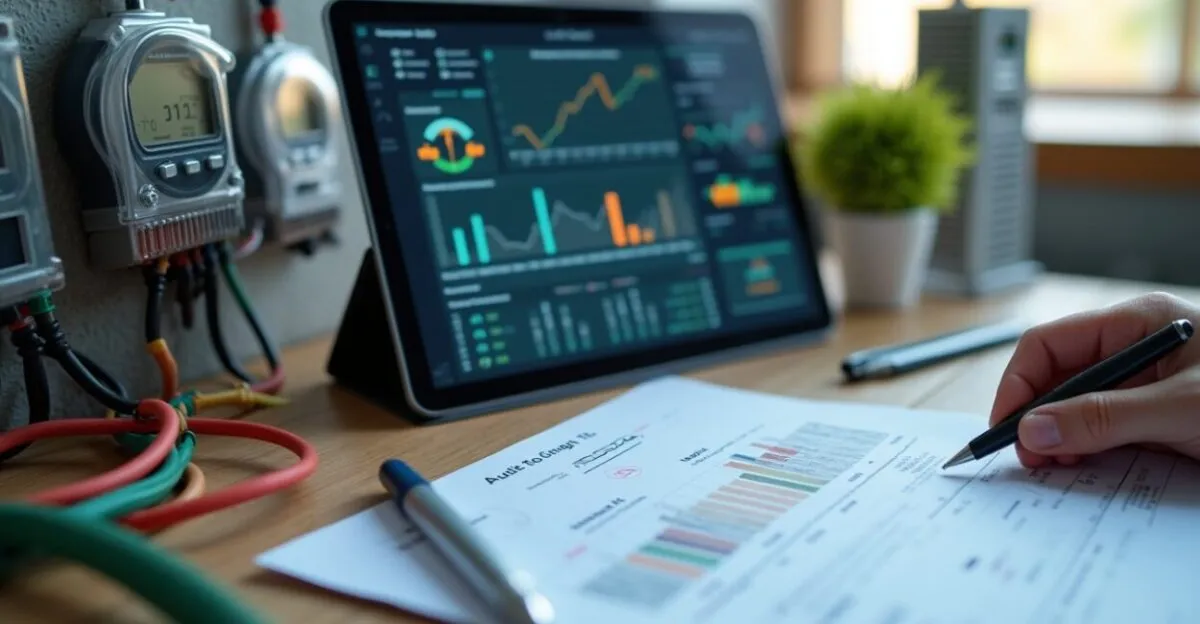
Installing energy meters by area and equipment provides detailed data needed to verify energy savings and identify operational issues that require attention. Systems with real-time dashboards make technical information accessible to administrators and the school community, supporting prompt corrective action.
Integrating these systems with management platforms enables automatic reporting and maintenance alerts, improving efficiency and helping sustain energy savings.
Regular Audits and Results Verification
Independent audits assess operational performance and the effectiveness of implemented measures, verifying energy savings and guiding technical and behavioral adjustments. Audit reports provide a basis for formal communications and applications for incentives that require documented energy-saving results.
Ongoing audits strengthen governance and make it possible to compare performance across schools, encouraging organizational learning and scalability.
Technology Comparison Table (LED vs. Traditional)
| Criteria | LED | Traditional |
|---|---|---|
| Energy use (kWh) | Low | High |
| Service life | Long | Short |
| Maintenance | Low | Frequent |
| Financial return | Fast | Slow |
The table highlights clear differences between the technologies and shows how adopting LEDs directly supports energy savings by reducing operating and maintenance costs.
Practical Recommendations and Next Steps for Energy Savings
Prioritizing low-cost, high-impact steps such as efficient lighting and operational routines while planning major investments helps schools achieve energy savings gradually and sustainably. Developing a schedule, defining indicators, and seeking technical and financial support are essential steps. Schools should also consult technical and regulatory guidelines to ensure compliance.
For further information, use official resources and academic research to inform decisions. For example, consult government energy efficiency websites and research centers to validate proposals and achieve real energy savings. Technical sources and references are available on official websites such as Brazil’s Ministry of Mines and Energy and through academic research centers and specialized websites, providing technical support for these initiatives.
For applicable standards and guidelines and comparative studies, also consult the website of IBGE, Brazil’s national statistics agency, or educational and institutional websites that offer data and implementation guides.
Implementation and Scalability
Implementation Phases for Energy Savings
A phased approach allows schools to test solutions, verify results, and expand interventions based on evidence, supporting energy savings while minimizing financial risk. A pilot that monitors one wing or school building offers practical lessons and a way to communicate results before expanding the strategy with stakeholder support.
Gradual expansion, supported by clear metrics and regular reviews, helps replicate successful efforts and maintain energy savings across the school district.
Project Scalability and Replicability
Documenting processes, results, and lessons learned creates a replicable model that makes it easier for other schools to adopt, delivering energy savings at scale with greater administrative efficiency. Sharing successes and engaging school networks and education departments broadens the impact and attracts support and funding for projects that demonstrate energy savings.
Standardized protocols and continuing education are essential for maintaining quality and consistency as programs expand and for preserving the gains already achieved.
Success Metrics and Continuity
Setting annual goals and key indicators makes it possible to objectively evaluate initiatives, adjust plans, and continue actions that deliver energy savings. Transparent reports and technical reviews help sustain gains and enable comparisons across time periods and schools to improve strategies.
Ongoing investment in training, maintenance, and technological innovation is essential to making energy savings a permanent part of school management.
Frequently Asked Questions
What Are Energy Savings in Schools, and Why Do They Matter?
Energy savings in schools involve technical, operational, and educational measures to reduce energy use without disrupting learning. They deliver meaningful financial and environmental benefits, allowing schools to reinvest in education and improve conditions across their facilities.
What Are the First Recommended Steps for Starting an Energy-Saving Project?
Start with an energy assessment, replace existing lighting with LEDs, adjust operating practices, establish shutdown routines, and train staff. These steps often pay off quickly and provide a foundation for more complex energy-saving projects.
How Can Schools Measure and Verify Energy Savings?
Use meters by area, metrics such as kWh per square foot and energy use per student, before-and-after comparisons, and audits. Dashboards and regular reports verify actual reductions and support funding requests and continued action.
What Funding Sources and Incentives Can Support Energy-Saving Projects?
Government programs, performance contracts, public-private partnerships, and sustainability grants are common options. Feasibility studies and well-supported proposals improve the chances of approval and securing funds for energy savings.
How Can Students and Teachers Get Involved in Energy-Saving Efforts?
Develop classroom projects, green committees, and school-wide competitions that encourage everyday energy-saving habits. Combine these efforts with monitoring and sharing results to make energy savings part of hands-on learning and school culture.
Artigos Relacionados
 Sustainable Construction: Green Techniques and Cost Savings
 School Recycling: An Effective Program for Educational Institutions
 A Practical Guide to School Sustainability Projects
 Sustainability in Schools: A Practical Implementation Guide
 Renewable Energy: Why Solar Projects Fail Today
 Residential Renewable Energy
